





Italian Renaissance Style Painting
When you search for italian renaissance style painting, you enter a world of devotional portraits and classical copies rendered with deep historical reverence.
Italian Renaissance Style Painting
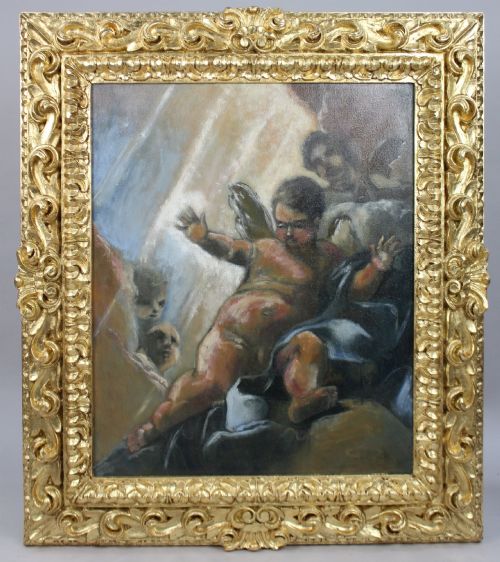
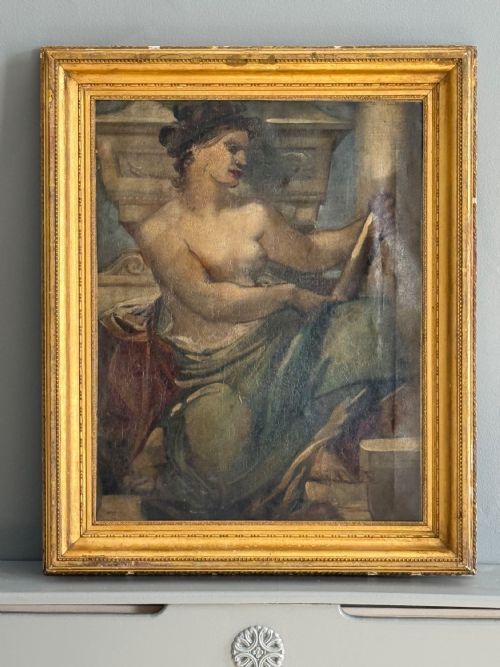
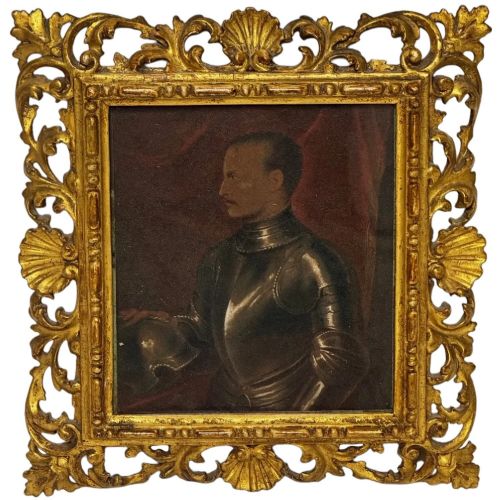
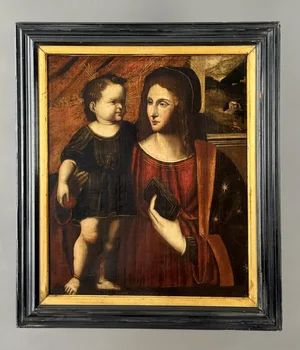
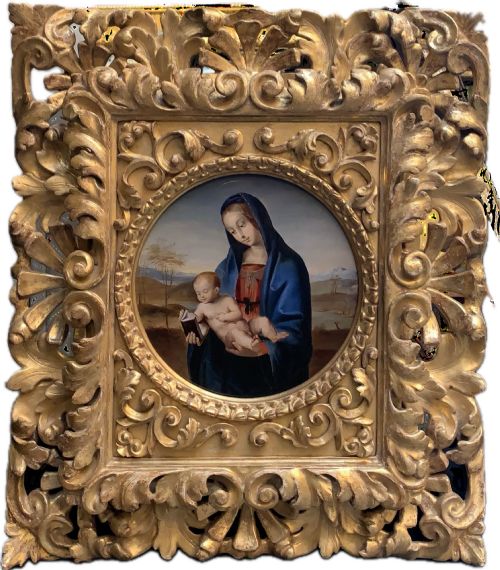
An italian renaissance style painting typically embraces the reverent iconography, rich palettes, and humanist subjects of the fifteenth and sixteenth centuries. Works matching this description encompass canvas oils depicting the Madonna and Child, holy families, and noble portraits derived from masters such as Raphael, Correggio, and Leonardo da Vinci.
The pieces available span centuries of homage, ranging from period copies executed in the eighteenth and nineteenth centuries to later revivals up to the mid-twentieth century. Alongside traditional oil paintings on canvas, buyers encounter related expressions of this aesthetic including painted wood panels and framed watercolours.
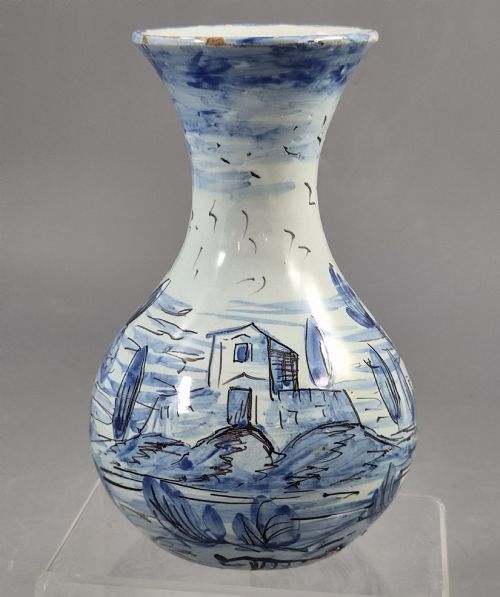
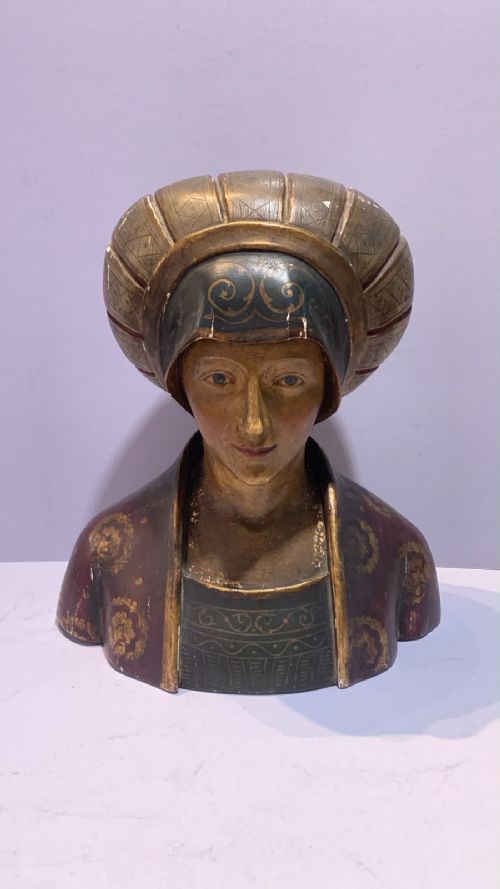
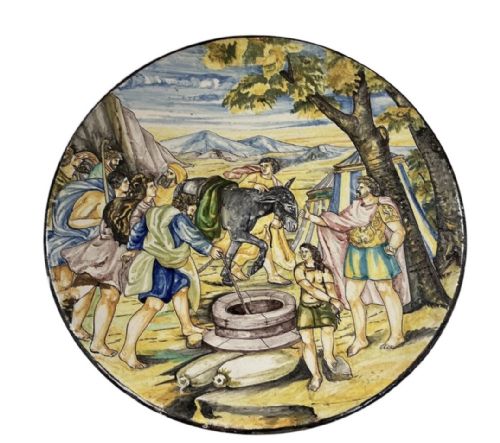
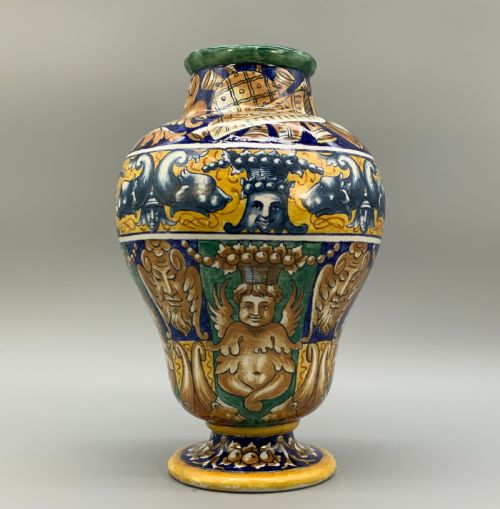
Beyond direct canvas works, the broader category accommodates decorative objects that channel the same artistic lineage, including maiolica chargers, painted ceramic vases, and carved giltwood frames. Each format reflects a sustained cultural fascination with southern European classicism and the ateliers of Florence, Urbino, and Venice.
Materials and Techniques
The primary medium recorded in these works is oil paint applied to stretched canvas, capturing the layered luminosity and tonal depth characteristic of the period. Pigments are frequently supported by traditional grounds on wood panels or woven textiles, mirroring historical workshop practices.
Many pictorial works are housed within elaborately carved giltwood frames that utilise gesso and gold leaf to achieve a reflective, architectural boundary. Ceramic pieces employ tin-glazed earthenware and polychrome pigments to recreate maiolica and faience traditions associated with Renaissance pottery centres.
The inventory combines devotional paintings with decorative maiolica chargers, vases, and Savonarola armchairs.
Distinctions in Execution
The physical presentation heavily influences the standing of a piece, particularly the integration of period-appropriate carved giltwood frames and the preservation of the painted surface. Ceramic and maiolica examples derive their distinction from the complexity of the istoriato narrative scenes and the vibrancy of the polychrome glaze.
Icilio Federico Joni·White Allom And Co
The Italian Renaissance Style Painting Glossary
- Maiolica
- Tin-glazed Italian earthenware painted with opaque colourful glazes. This technique reached a decorative peak during the Renaissance through elaborate historical narratives.
- Istoriato
- A style of pottery decoration where narrative scenes cover the entire surface of a ceramic piece. These designs often draw inspiration from classical mythology or religious history.
- Giltwood
- Wood that has been coated with a thin layer of gold leaf over a prepared gesso base. It forms the lustrous structure of traditional display frames.
- Sgabello
- A light wooden chair with a high back and trestle supports, common in sixteenth-century Italy. They were designed primarily for hallways and formal reception rooms.
- Savonarola
- An X-framed folding armchair constructed from intersecting curved wooden slats. The name connects these seats to the Dominican friar associated with Renaissance Florence.
- Tavolette
- Painted wooden panels used historically for book cover bindings. They capture miniature artistic scenes from civic and religious life.
Italian Renaissance Style Painting: Frequently Asked Questions
What is an Italian Renaissance style painting?
These works are artistic creations that emulate the compositions, subjects, and techniques of fifteenth and sixteenth-century masters. They frequently depict religious figures like the Madonna and Child or portraits of nobility.
Most examples found here are later interpretations, ranging from eighteenth-century studio copies to nineteenth-century Grand Tour tributes. They allow collectors to bring classical humanist aesthetics into domestic spaces.
How were religious paintings used historically?
Religious oil paintings and panels served as focal points for private devotion and contemplation within domestic chambers and chapels. They were commissioned to inspire spiritual reflection and demonstrate the piety of the household.
Over time, these devotional subjects transitioned into appreciated decorative art objects collected by travellers on the Grand Tour. Their visual narrative traditions continue to anchor traditional interior design schemes.
How do you date an antique oil painting?
Dating relies on examining the physical substrate, including the weave of the canvas, the composition of the stretcher frame, and the ageing of the oil pigments. Stylistic clues within the frame and the specific nature of the craquelure also provide temporal markers.
Comparing the handling of the brushwork against documented historical copies helps distinguish between period studio work and later revival pieces. Documentation or signatures, when present, offer further historical context.
What is maiolica pottery?
Maiolica is a form of tin-glazed earthenware developed in Italy during the Renaissance, known for its bright polychrome palette. Potters used white glazes as a canvas for detailed historical and mythological scenes.
Surviving examples range from cabinet vases to large ceremonial chargers designed for display on sideboards. Their vibrant glazes and narrative depth complement painted works from the same era.
How should I care for an oil painting?
Preserving these works requires maintaining stable indoor humidity and temperature levels to prevent the canvas and wood from warping. Direct sunlight should be avoided to protect sensitive pigments from fading.
Dusting should be performed gently with a soft, dry brush, avoiding any liquid cleaners or abrasive materials on the painted surface. Professional conservation should be consulted for any structural repairs or cleaning of the varnish.