


Antique Madonna Portrait Painting
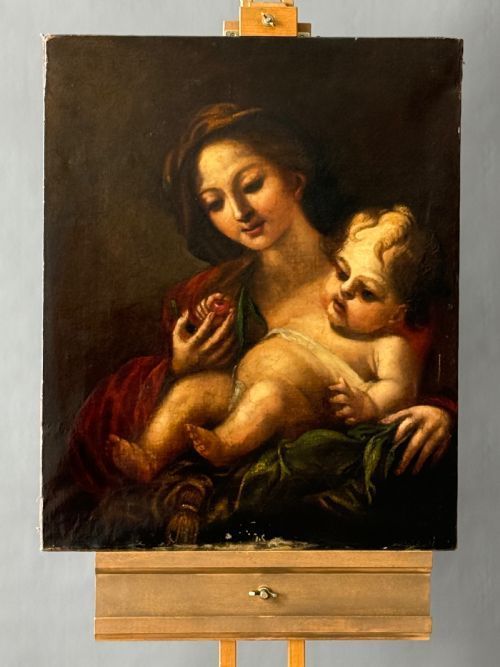
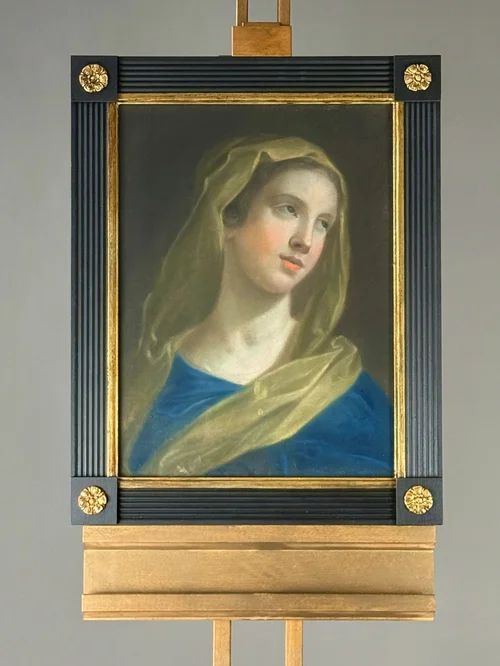
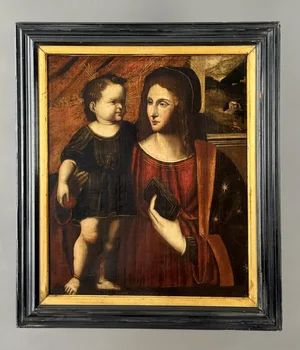
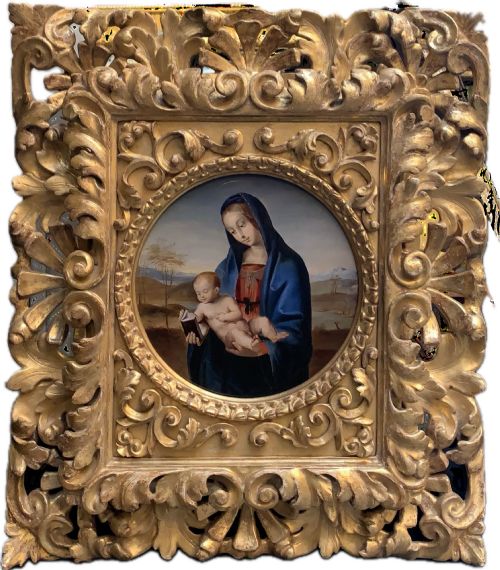
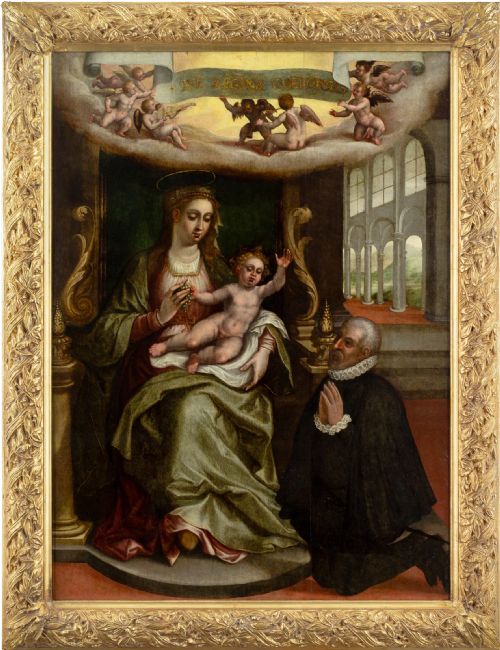
These antique madonna portrait painting examples bring centuries of devotional art into domestic spaces through oil on canvas, wood panels, and detailed metalwork.
Antique Madonna Portrait Painting
Every antique madonna portrait painting on this page represents centuries of religious devotion, executed across periods from the sixteenth century to the twentieth.
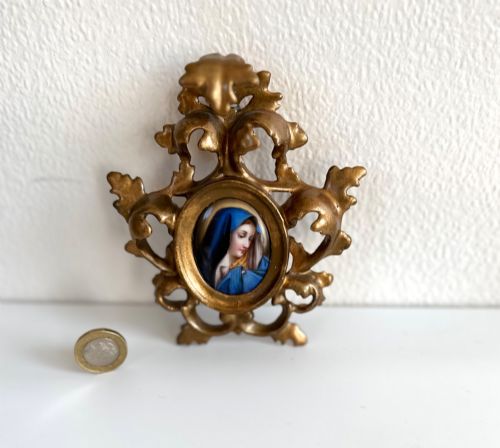
The pieces range from large oil paintings on canvas and fruitwood panels down to miniature brooches in silver and enamel, reflecting diverse scales and domestic functions.
Italian and Spanish influences dominate the selection, appearing through Renaissance, Baroque, and Revival styles that echo major European art movements.
Evaluating the work
Quality rests in the precision of the brushwork and the depth of the pigments, separating accomplished studio output from more modest decorative copies.
The integrity of the original support, whether canvas or wood panel, dictates the longevity and visual impact of the composition.
Listings span from the sixteenth century to the Edwardian era, featuring oil on canvas, wood, giltwood, and silver enamel.
Benedetto Luti·Bernardino Luini·Miguel Barroso·Francesco Solimena·Pompeo Batoni
The Antique Madonna Portrait Painting Glossary
- Old Master
- A term applied to European painters of skill who worked before the nineteenth century. These artists set the compositional standards that later copyists followed.
- Gesso
- A plaster mixture applied to wood panels or frames to create a smooth surface for painting or gilding. It provides the foundational layer for rich surface decoration.
- Giltwood
- Wood that has been treated with a thin layer of gold leaf or powder. This finish adds luminosity and formal weight to the surrounding frames.
- Miniature portrait
- A small-scale painting executed with high detail, often designed for personal adornment or intimate domestic placement.
Antique Madonna Portrait Painting: Frequently Asked Questions
How do I identify the period?
Examine the canvas weave, the composition of the wood panel, and the preparation layers beneath the paint surface. Stylistic clues also point to the working methods of specific centuries.
Material analysis and framing styles further confirm whether a piece belongs to the sixteenth century or a later revival period.
Were these painted for churches?
While many large oil paintings served ecclesiastical functions, smaller panels and miniature portraits were created for private domestic devotion.
Owners kept these smaller works in private chambers or carried them as personal devotional objects.
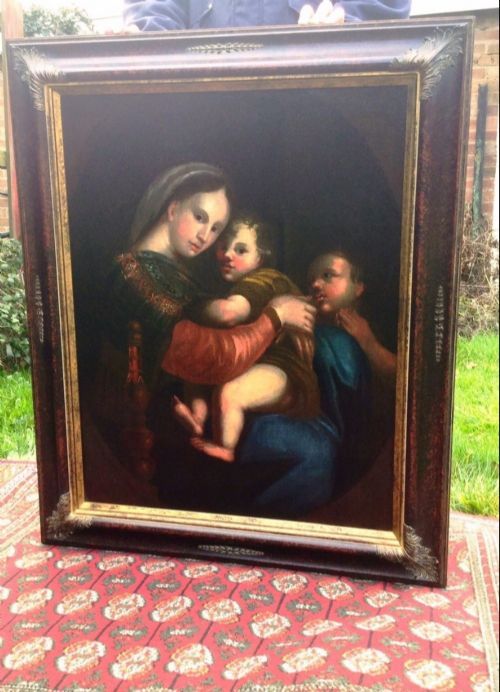
What is an after Raphael painting?
These works are later interpretations or copies of compositions originally created by the Renaissance master Raphael. Artists often painted them to study his technique or to satisfy collectors.
Such pieces reflect the enduring influence of master compositions across subsequent artistic periods.
How should I care for wood panels?
Wood panels require stable indoor humidity and temperature to prevent the wood from warping or splitting over time. Avoid placing them near direct heat sources or strong sunlight.
Gentle dusting with a soft, dry cloth is sufficient for routine maintenance of the painted surface.