
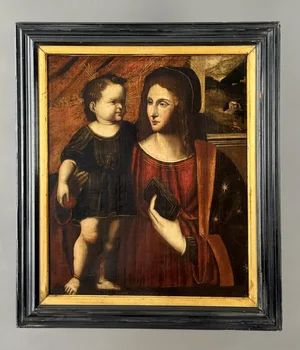
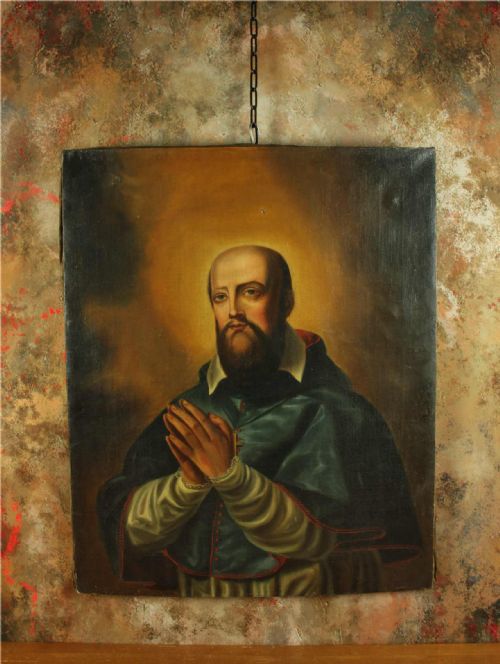
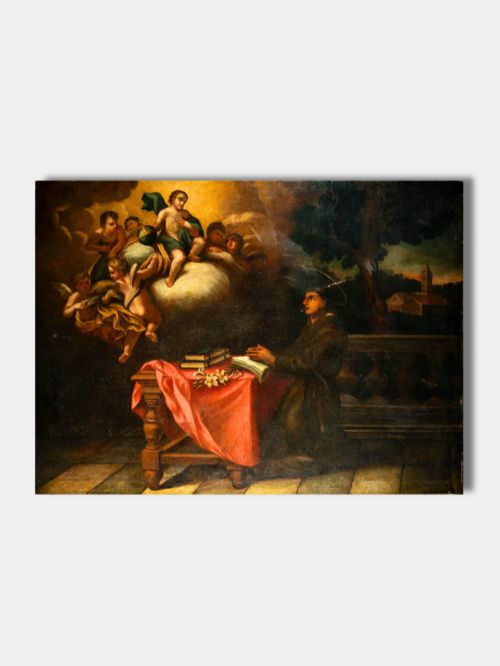
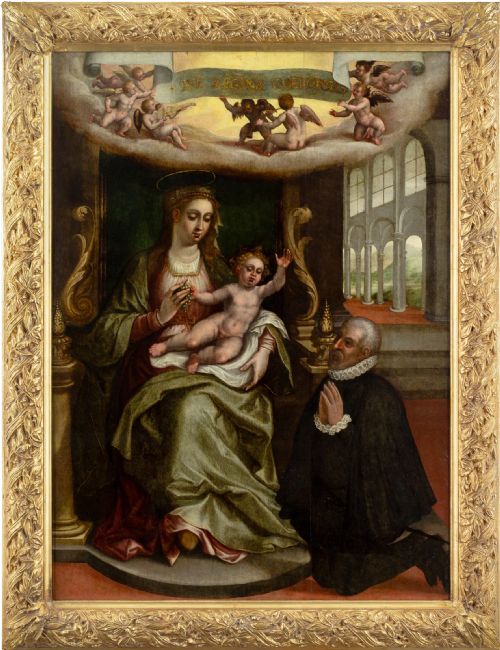


Religious Artwork Canvas
Religious artwork canvas pieces bring centuries of devotion, iconography, and masterwork studies directly into domestic interiors through oil and tempera mediums.
Religious Artwork Canvas
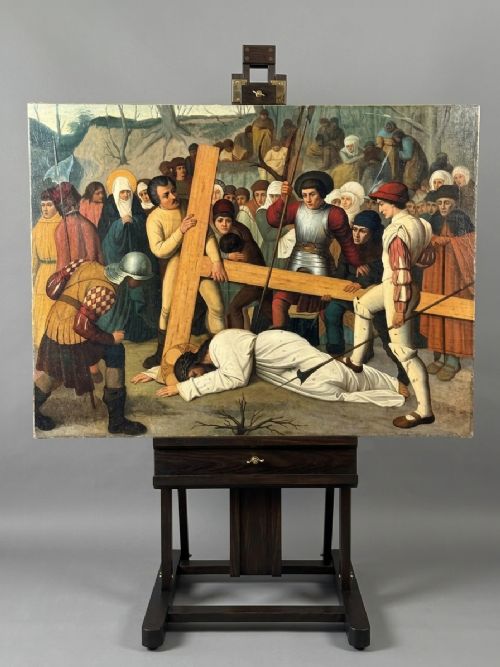
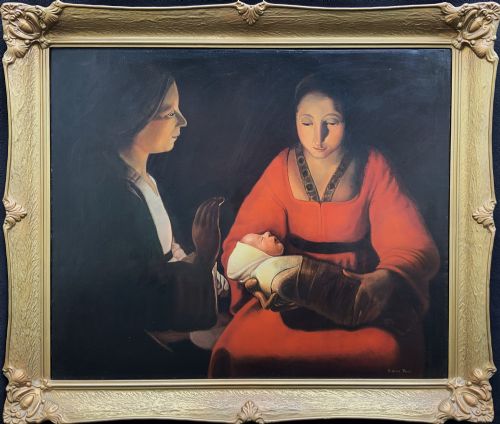
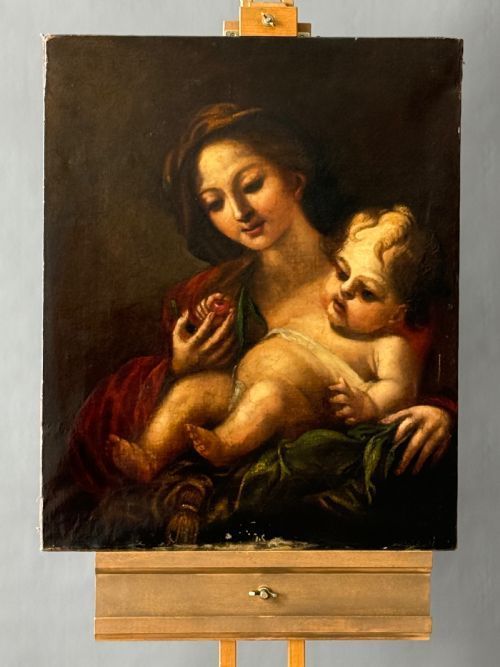
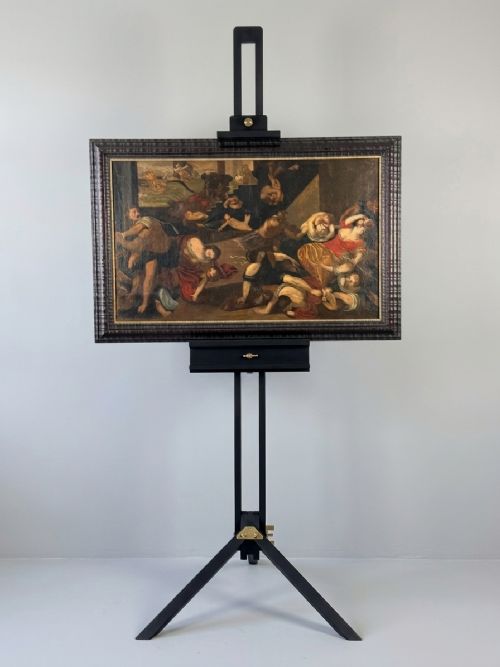
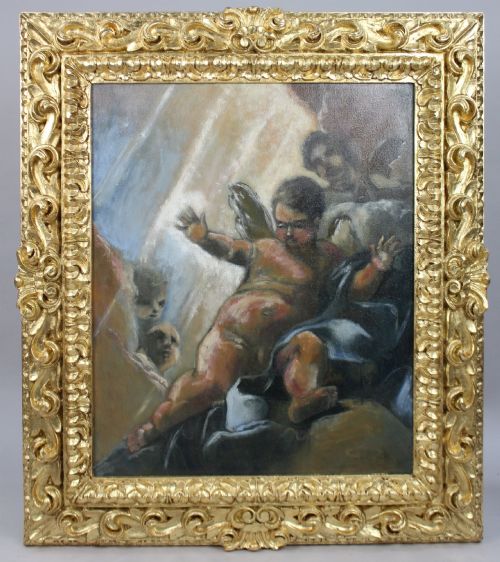
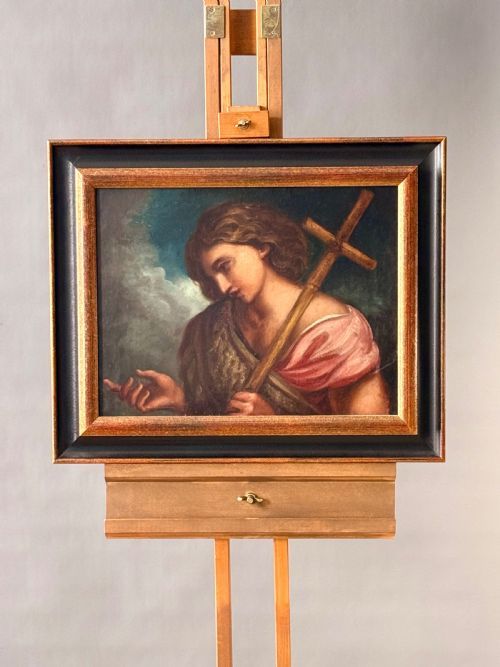
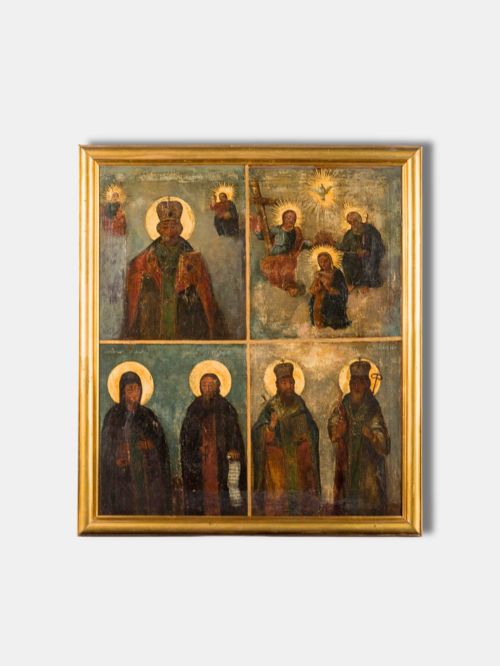
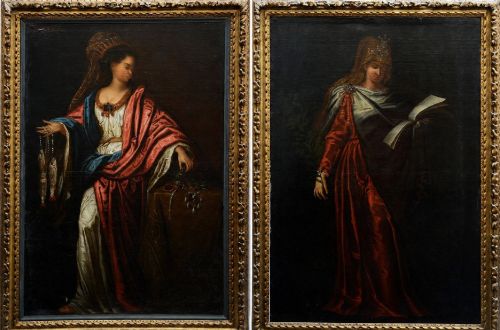
Religious artwork canvas pieces encompass devotional oils, old master copies, and biblical narratives spanning from the sixteenth century into the twentieth century. Buyers encounter Italian, Spanish, and French school paintings depicting saints, the Holy Family, and pivotal scriptural scenes. These works range from monumental canvases created for liturgical spaces to intimate domestic icons.
Materials and Techniques
Painters utilised oil and tempera pigments applied to woven canvas supports, sometimes incorporating gold leaf for traditional icons and haloes. Canvases were stretched over timber frames and frequently housed within carved giltwood surrounds that complement the religious subject matter.
Pigments were layered to build deep shadows and luminous drapery, characteristic of Baroque and Renaissance ateliers. Works often display the hand of regional followers or workshop circles working after established masters.
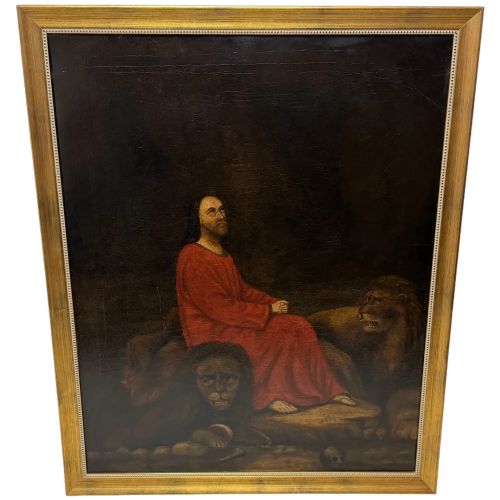
Several canvases feature earnest animal assistants, from biblical lions to the trusty lambs keeping vigil beside saintly shepherds.
Assessing Quality
Quality rests in the expressive power of the brushwork, the anatomical handling of figures, and the depth achieved in portraiture and narrative scenes. Superior examples demonstrate confident draughtsmanship and sophisticated pigment layering that reflect strong regional school training.
The integrity of the canvas support, the subtlety of the surface patina, and the harmony between the painting and its original or period frame elevate a piece. Studio output by documented circles commands attention over generic decorative copies.
Jozef Janssens·Georges de La Tour·Bernardino Luini·Miguel Barroso·Edgard Maxence·Benvenuto Tisi·Francesco Solimena·Costantino Frixione·Juan Ruiz Soriano·Gaspar de Figueroa·Antonio Allegri Correggio·Scipione Pulzone·Gian Lorenzo Bertolotto·Rosso Fiorentino·Antonio Tempesta·Pietro D'asaro
The Religious Artwork Canvas Glossary
- Baroque
- A theatrical European art style of the seventeenth and eighteenth centuries characterised by dramatic lighting and emotional intensity. This aesthetic dominates many large religious narratives and saintly portraits.
- Old Master
- A European painter of skill who worked before the nineteenth century, or a painting created by such an artist. The listings frequently feature followers or circles of these historic painters.
- Tempera
- A permanent, fast-drying painting medium consisting of coloured pigments mixed with a water-binder such as egg yolk. It appears alongside gold leaf on specific devotional icon canvases.
Religious Artwork Canvas: Frequently Asked Questions
How do I identify a seventeenth century religious canvas?
Seventeenth century pieces typically display dramatic chiaroscuro lighting and intense emotional narratives characteristic of the Baroque movement. Examination of the canvas weave, stretcher construction, and pigment ageing helps confirm the historical period.
Workshop traditions and regional Italian or Spanish influences also provide strong chronological indicators for these devotional works.
What is the difference between an old master copy and an original composition?
An original composition represents a distinct design conceived by an artist or workshop, whereas a copy or after-work replicates a known masterwork, such as a painting by Raphael. Both categories hold historical value, particularly when executed by skilled followers within established European schools.
Copies often served to disseminate sacred imagery and showcase the technical proficiency of regional painters.
How should I care for an antique oil painting on canvas?
Keep religious canvases away from direct sunlight, severe temperature fluctuations, and high humidity to prevent cracking in the oil paint and warping of the wooden stretcher. Gentle dusting with a soft, dry brush is generally sufficient for surface maintenance.
Professional conservators should handle any structural repairs, cleaning, or varnish removal.
What subjects are most common in these historical religious paintings?
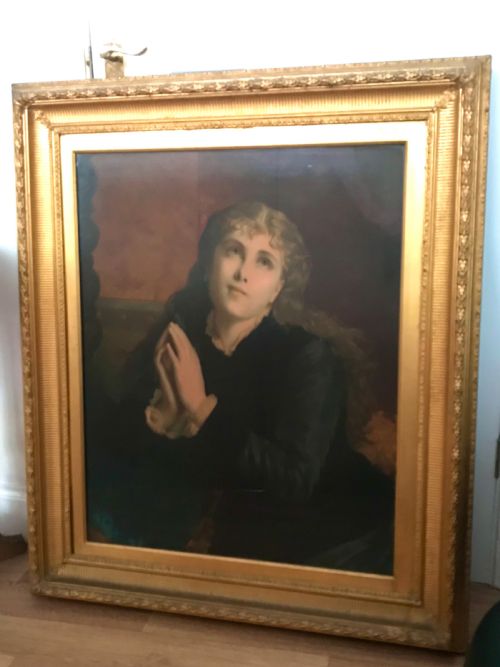
Common subjects include the Madonna and Child, the Holy Family, and narrative scenes from the Passion of Christ or the lives of saints. Penitents such as Mary Magdalene and figures like Saint John the Baptist appear frequently across various centuries.
These motifs were designed to inspire contemplation and personal devotion in both public and private spaces.