

Low Table with Drawer
A low table with drawer brings practical surface space and concealed storage together, spanning centuries of provincial and formal woodworking traditions.
Low Table with Drawer
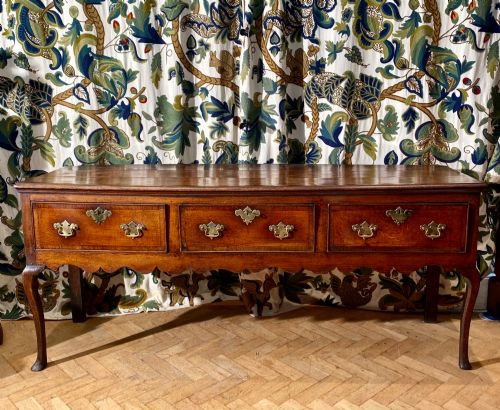
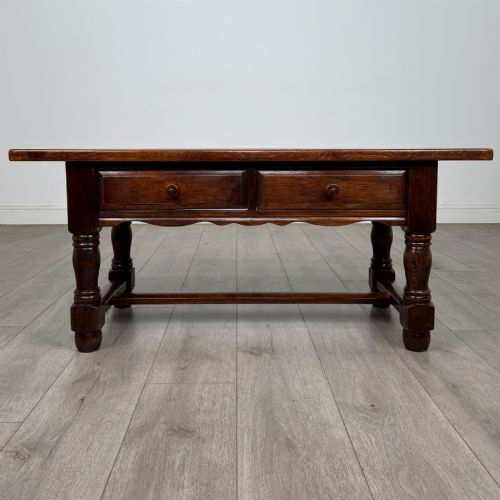
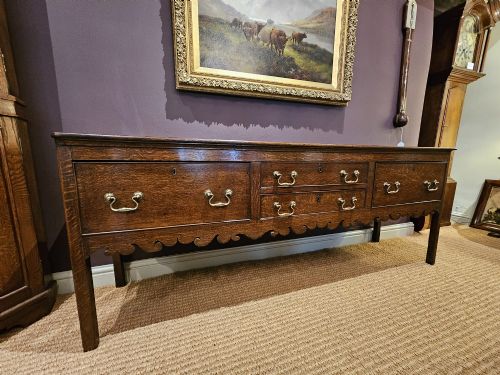
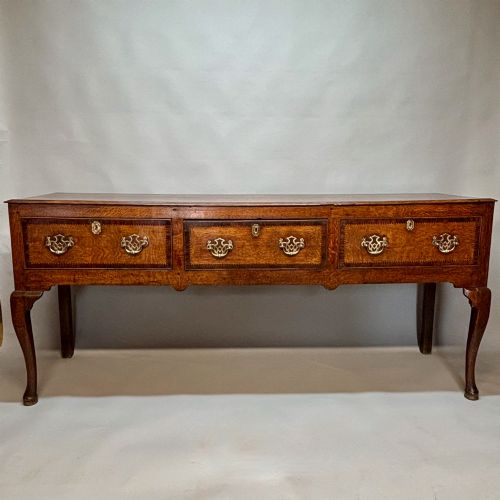
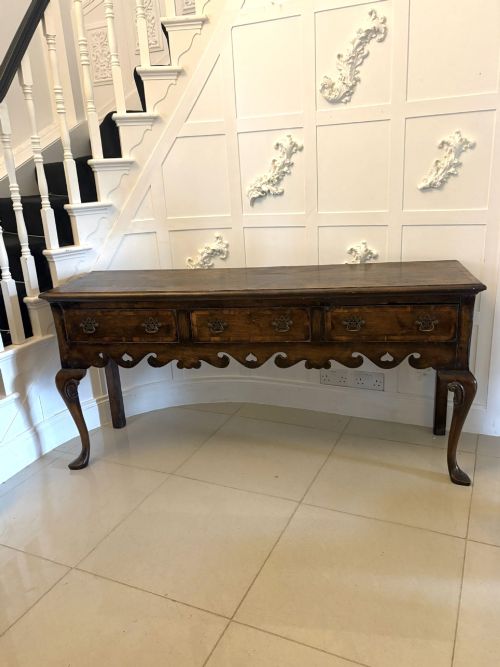
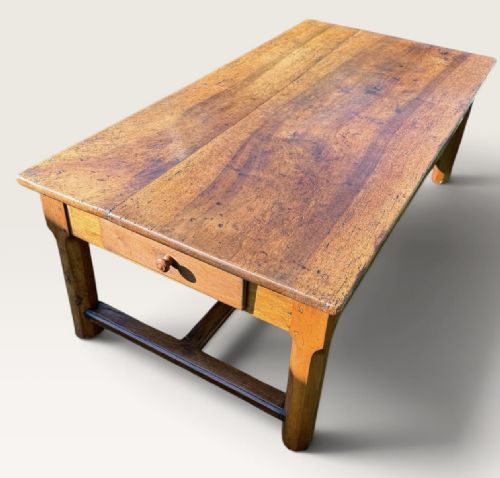
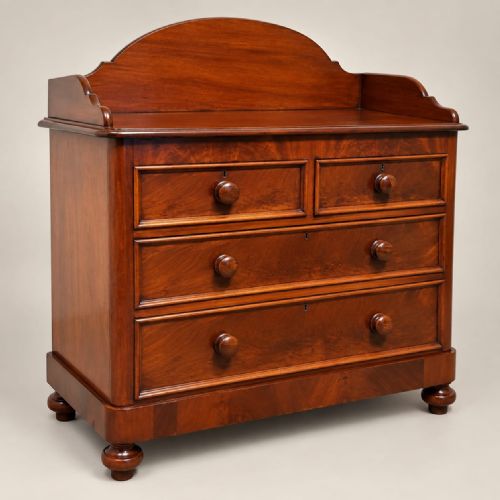
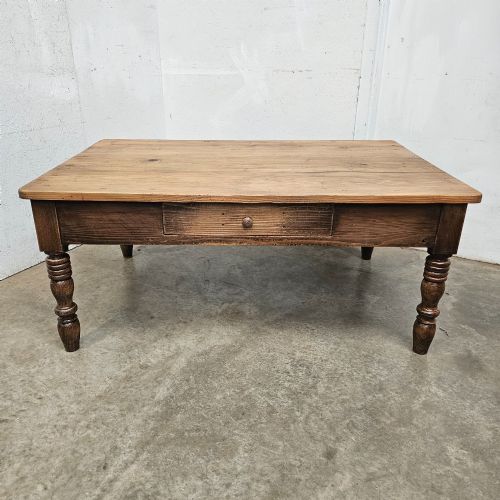
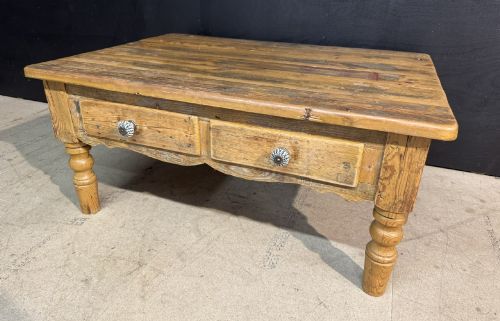
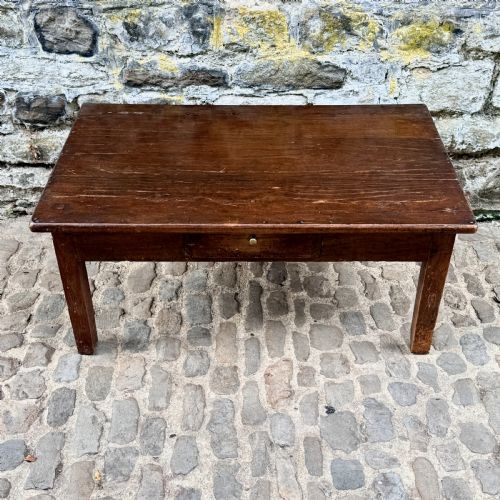
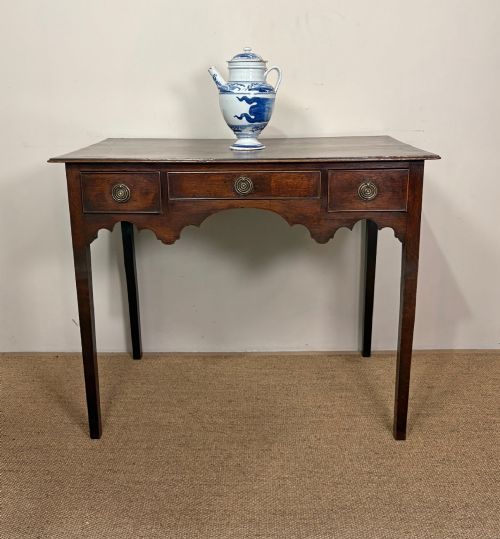
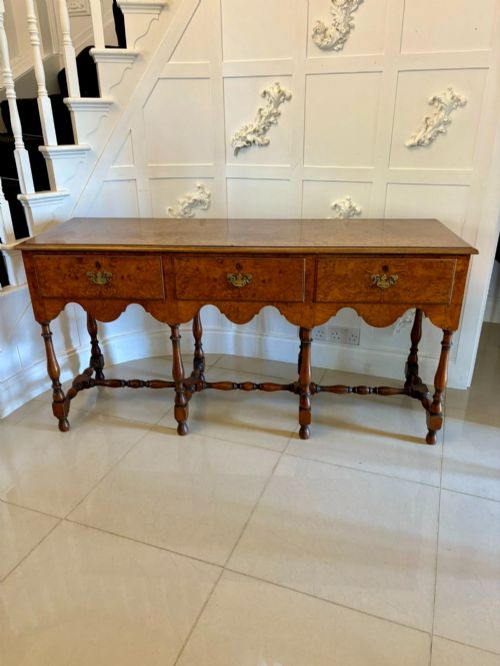
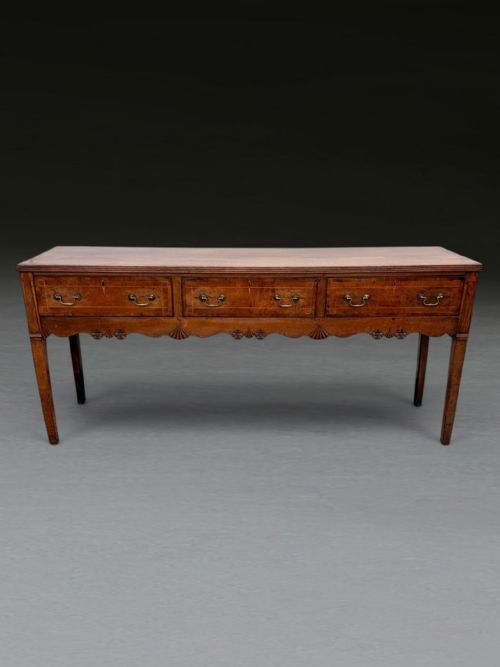
A low table with drawer appears in various forms across the inventory, ranging from country oak lowboys and fruitwood coffee tables to French provincial fruitwood and cherrywood designs. These low surfaces serve domestic rooms as coffee tables, side tables, and occasional writing surfaces where integrated drawers keep small items tucked away.
The selection draws on multiple historical periods, predominantly the eighteenth and nineteenth centuries, alongside regional interpretations like traditional Japanese hibachi and Chinese elm altar tables. Buyers encounter sturdy pine farmhouse pieces, walnut coffee tables, and mahogany lowboys originally built for specific household tasks.
How they were made
Cabinetmakers constructed these tables using solid native timbers such as oak, walnut, mahogany, fruitwood, and pine, often pairing them with brass handles and iron details. Drawer construction typically involved hand-cut joints and timber linings appropriate to the period of manufacture.
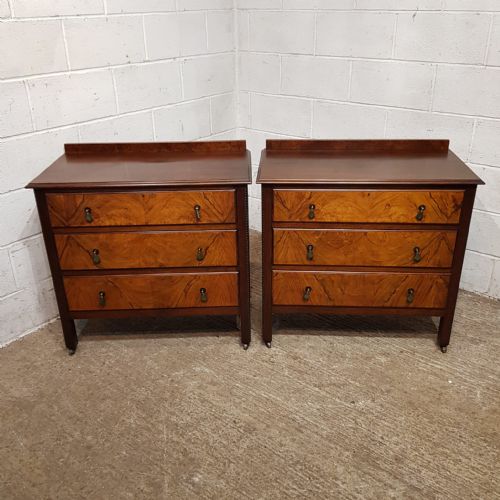
Surfaces display various finishes including plain polished timber, painted coats, lacquer, and crossbanded veneers. Construction methods reflect both country workshops using local woods and urban cabinetmakers applying finer decorative techniques.
What varies in quality
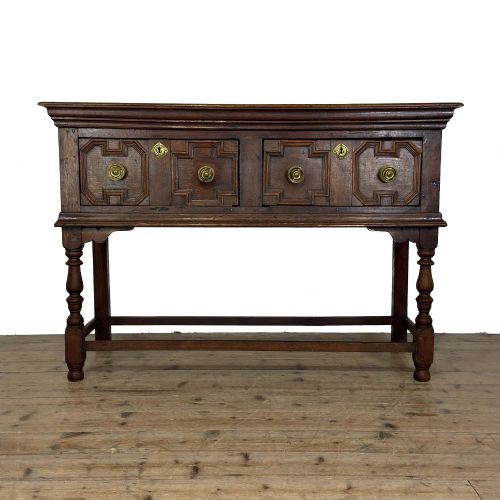
The distinction between standard and superior pieces rests on timber selection, such as figured walnut or dense old-growth oak, and the crispness of joinery on drawer fronts. Examples featuring geometric mouldings, fretted aprons, or inlaid mahogany demonstrate higher ambition from the maker.
Original hardware, untouched patination, and proportional balance elevate an item above simpler utility furniture. The integration of the drawer into the overall apron design marks the difference between basic assembly and considered craftsmanship.
Gillows
The Low Table with Drawer Glossary
- Lowboy
- A small table with one or more drawers, standing on relatively short legs and traditionally used as a dressing or side table.
- Crossbanding
- A narrow strip of veneer laid around the border of a drawer front or tabletop so that the grain runs at right angles to the surrounding wood.
- Hibachi
- A traditional Japanese heating device or low container often adapted for use as a low table.
- Apron
- The flat, decorative wooden member beneath the tabletop that connects the legs.
- Canterbury
- A low stand fitted with partitions for holding sheet music, newspapers, or magazines, often incorporating a drawer beneath.
Low Table with Drawer: Frequently Asked Questions
What is a lowboy table used for?
A lowboy functioned historically as a small dressing table, side table, or writing desk in bedrooms and halls. Today, these pieces find new purpose as occasional tables or compact desks.
The integrated drawers provide convenient storage for small stationery, keys, or modern miscellany while keeping surfaces clear.
How do I date an antique wooden table?
Dating relies on examining the timber species, construction methods, and tool marks visible inside the drawer linings and beneath the top. Eighteenth-century pieces often display hand-sawn boards and pegged joints.
Later nineteenth-century examples introduce machine-sawn components and standardised hardware fixings that help narrow the decade of production.
Can I use a lowboy as a coffee table?
Many lowboy tables and low side tables share heights and proportions suitable for placement beside modern seating. Their drawer storage adds practical utility missing from standard coffee tables.
Consider the clearance beneath the apron to ensure comfortable leg room when placing the piece in a primary living space.
What is the difference between oak and walnut tables?
Oak furniture tends to display a robust, visible grain structure typical of earlier provincial and farmhouse making traditions. Walnut offers a smoother, richer brown tone often selected for more formal eighteenth- and nineteenth-century pieces.
Both timbers provide durability, but walnut frequently incorporates decorative veneers and figured patterns.