



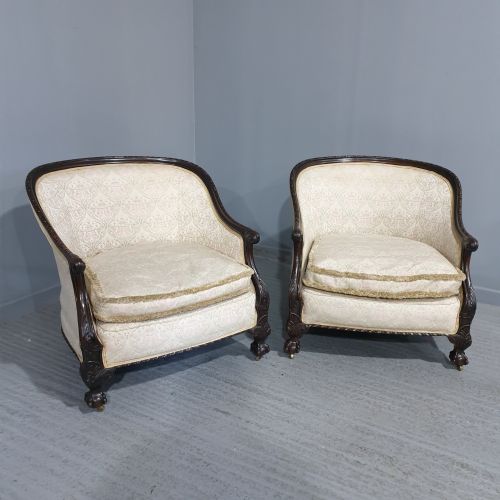


Low Seated Tub Chair
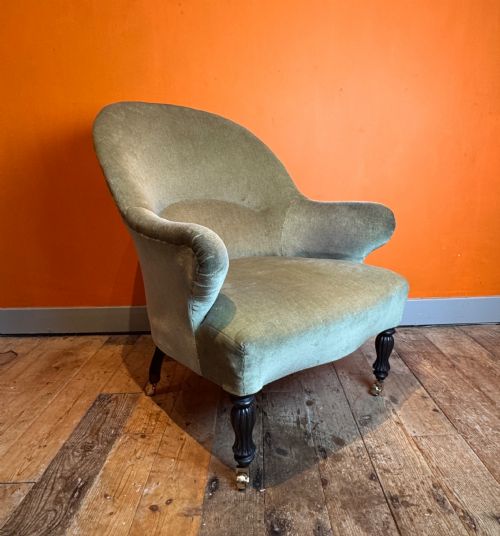
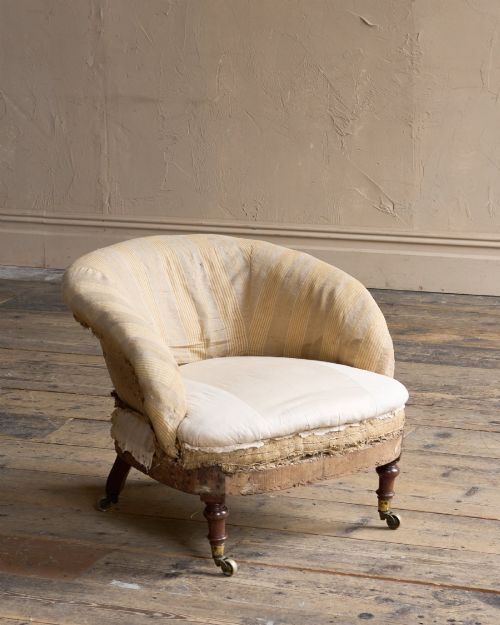
A low seated tub chair offers a deep, curved embrace that defines nineteenth and early twentieth century sitting room comfort.
Low Seated Tub Chair
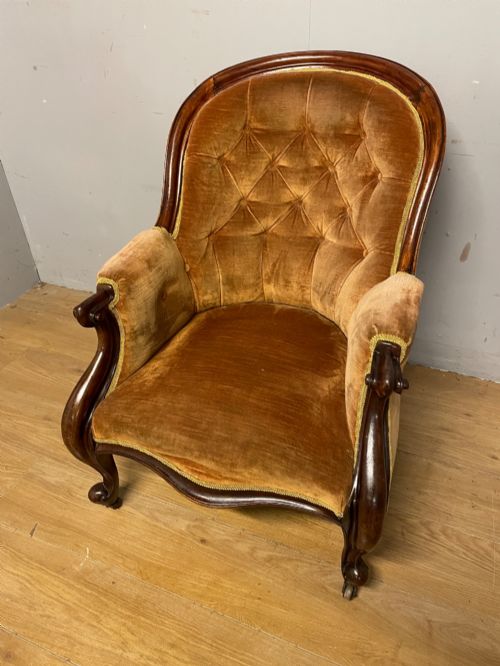
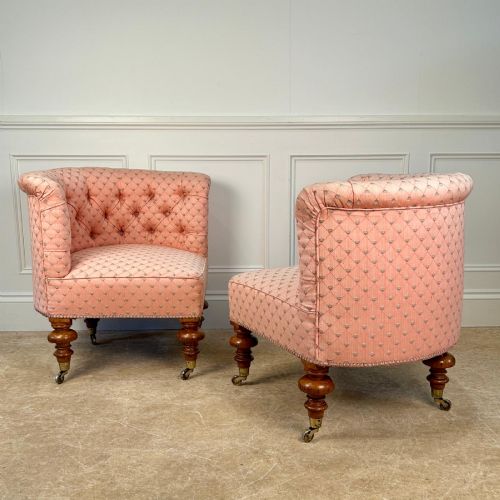
A low seated tub chair brings together nineteenth century drawing room seating and compact lounge forms designed for relaxation. The examples gathered under a low seated tub chair search span Victorian and Edwardian periods, featuring enclosed horseshoe backs and low frames.
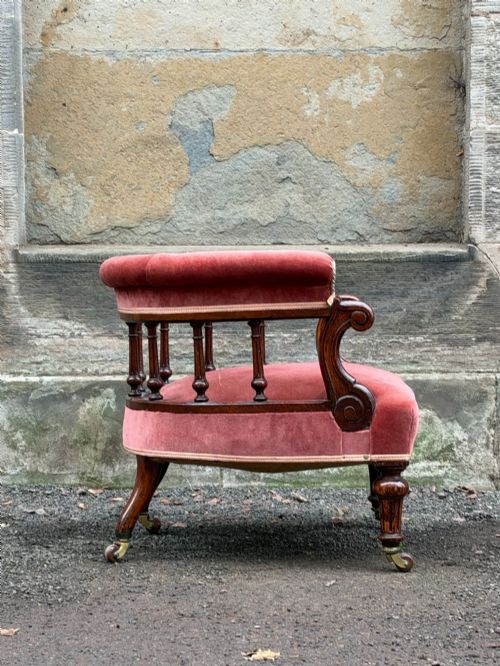
Most specimens on this page emerge from the nineteenth century or around 1900, taking the shape of drawing room armchairs, library chairs, and boudoir seating. These pieces combine compact proportions with generous upholstered backs that cradle the sitter.
Construction and materials
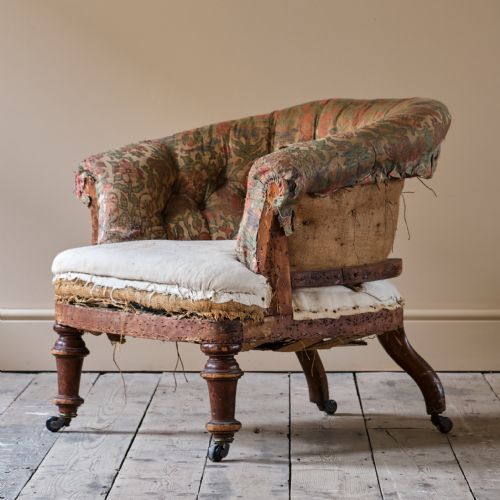
The framework relies on traditional timber construction using mahogany, oak, elm, walnut, and rosewood, often shaped to form the signature curved tub back. Some variations incorporate painted wood or silver gilt finishes over the structural frame.
Upholstery defines the seating area, utilising velvet and various traditional fabrics stretched over sprung or padded interiors. Brass elements occasionally appear on castors or decorative detailing, completing the construction of these armchairs.
Low Seated Tub Chair Retail Price Guide 2026
Typical asking prices for low seated tub chair among the pieces listed under this phrase on Sellingantiques today, from the lower quarter to the upper quarter. They describe what is for sale here now, not the wider market.
Listings feature eighteenth and nineteenth century timber frameworks including mahogany, oak, elm, and walnut alongside velvet and fabric upholstery.
Judging quality and execution
Excellence in a low seated tub chair rests upon the fluidity of the curved woodwork and the integrity of the joinery within the enclosed back. Firmer construction retains the intended horseshoe silhouette without sagging or looseness in the joints.
The refinement of the timber grain, whether polished mahogany or figured walnut, distinguishes finer examples from simpler painted or utilitarian versions. Upholstery execution, from buttoning to fabric tension, further elevates the stature of the piece.
Howard and Sons·John Taylor of Edinburgh
The Low Seated Tub Chair Glossary
- Tub chair
- An armchair featuring a continuous curved back and arms that form a single enclosed tub-like shape. This design originated to keep draughts away from the sitter.
- Bergere
- An enclosed upholstered armchair with wooden frames where the sides are frequently filled with cane or wicker work. These french-inspired seats offer a lighter visual weight in a room.
- Smokers bow
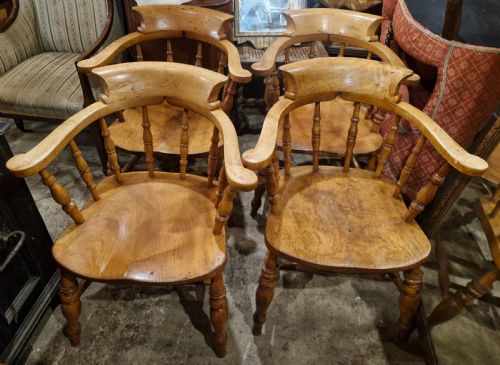
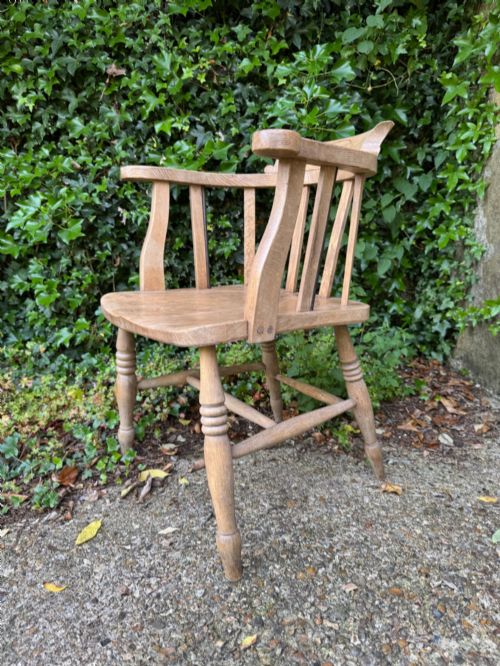
- A sturdy wooden armchair with a low curved back rest and turned spindles, commonly built from ash and elm. This vernacular form provides robust seating.
- Button back
- An upholstery technique where indentations are pulled tight and secured with fabric-covered buttons in a geometric pattern. This method adds depth and structure to the padding.
Low Seated Tub Chair: Frequently Asked Questions
What is a low seated tub chair?
A low seated tub chair is an armchair featuring a low profile and a continuous curved back that wraps around the sitter. These pieces were designed for comfortable relaxation in nineteenth century drawing rooms and boudoirs.
The enclosed shape provides a sheltered seating experience, distinguishing them from standard open armchairs of the same period.
Where were tub chairs placed?
These chairs typically found places in drawing rooms, libraries, and bedrooms where comfort and intimate conversation were desired. Their lower height made them suitable for sitting near fireplaces without blocking heat or views.
Today, they function well as accent chairs in living spaces or as dedicated reading seats in studies.
How do I date a tub chair?
Dating relies on examining the timber species, joinery methods, and upholstery styles visible across the frame. Pieces from the early Victorian era often display rich rosewood or mahogany, while Edwardian versions frequently utilise inlaid mahogany or lighter painted finishes.
Comparing the turning of the legs and the curve of the back to established nineteenth century furniture designs helps narrow down the decade.
Are these chairs comfortable for daily use?
Their original design prioritised relaxed lounging, offering deep seats and supportive curved backs. The comfort level today depends largely on the condition of the internal padding and upholstery webbing.
Many examples provide sturdy, ergonomic support suitable for regular seating in modern homes.