

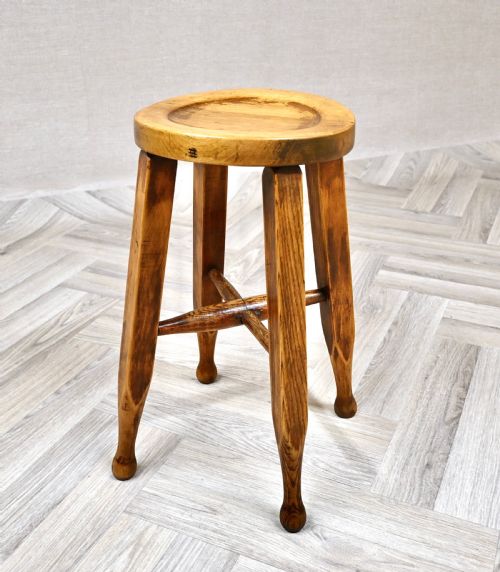
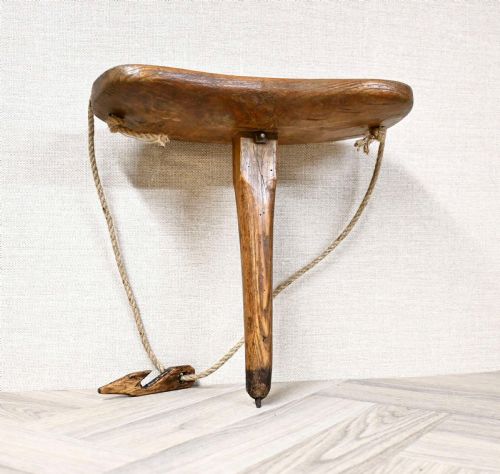
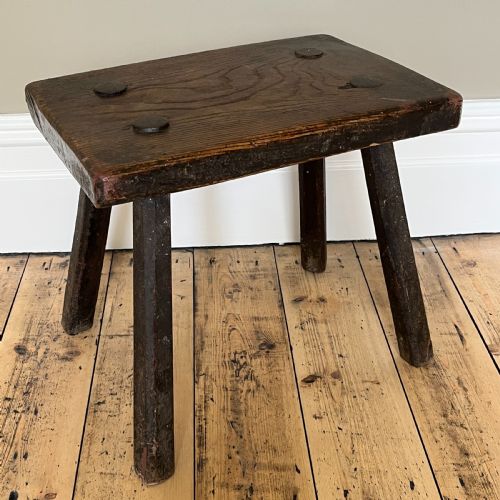
Low Oak Seat
A low oak seat brings solid timber and grounded utility to a room, offering everything from joint stools to armchairs.
Low Oak Seat
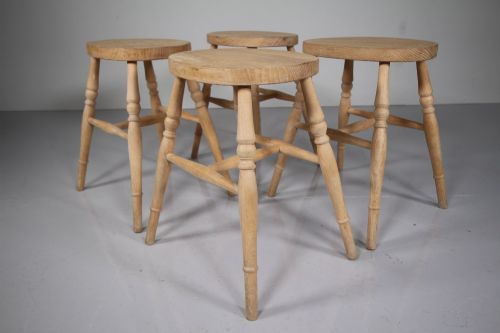
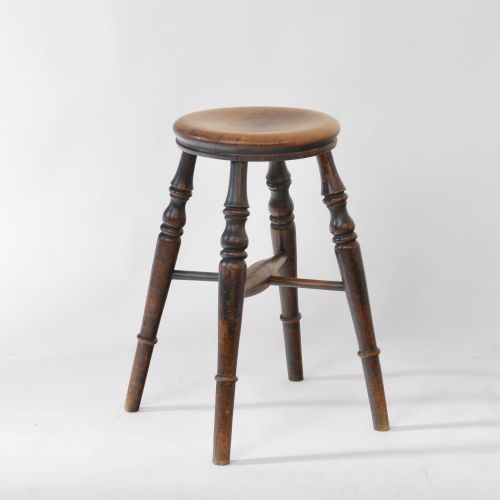
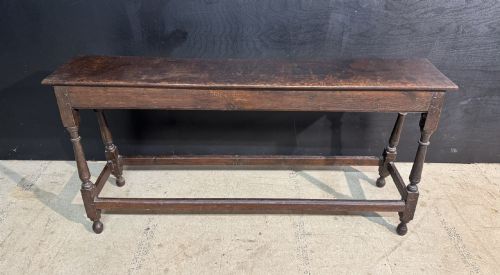
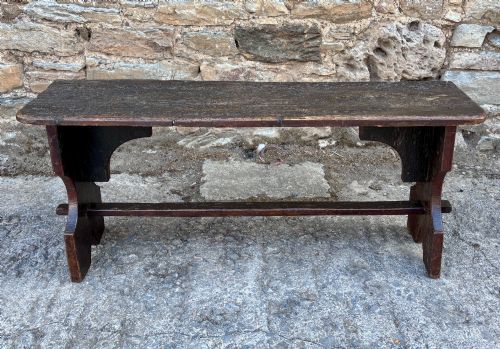
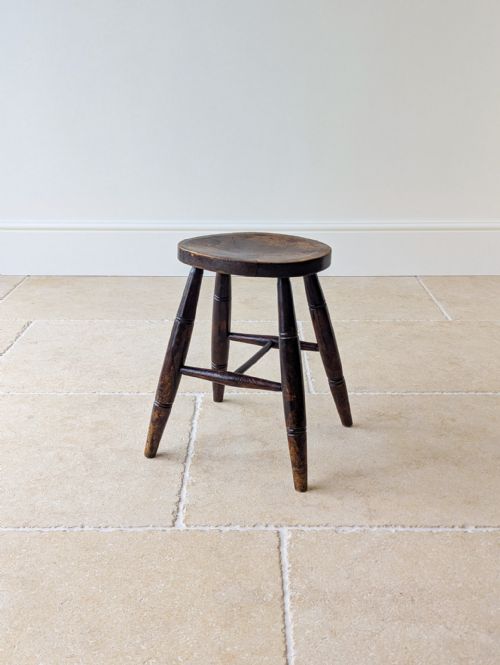
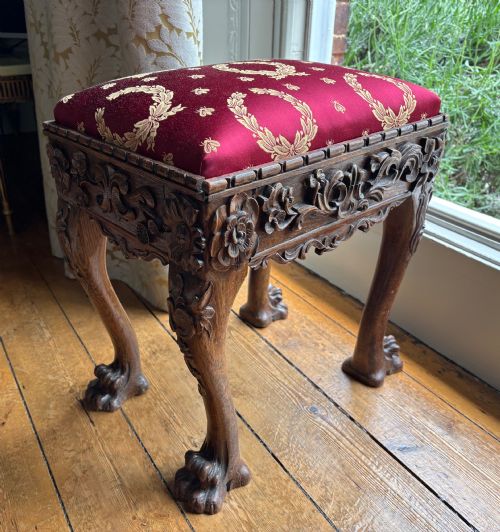
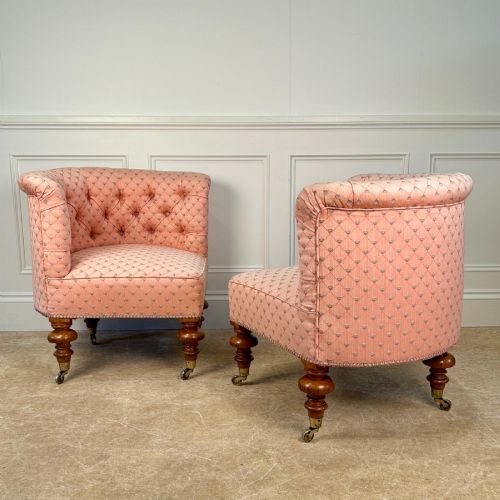
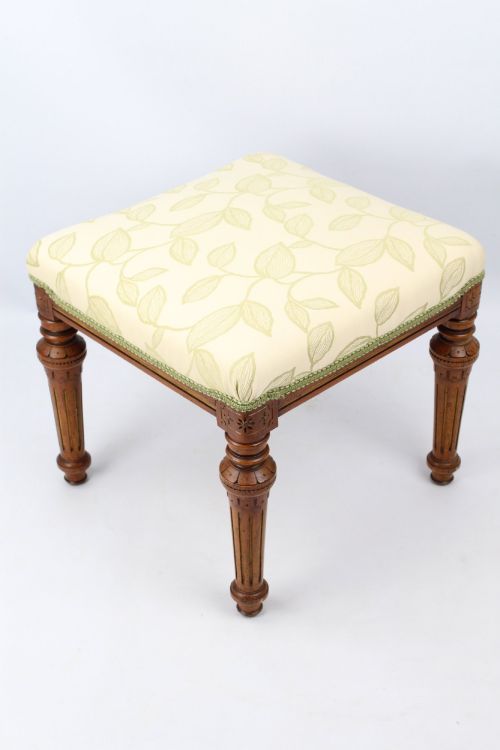
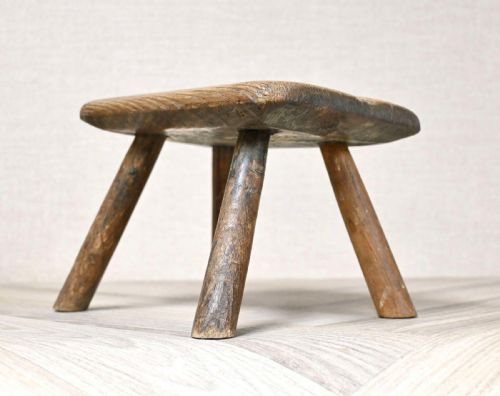
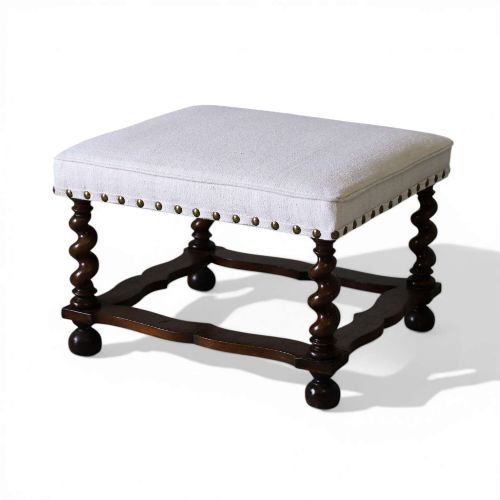
A low oak seat encompasses a wide variety of domestic furniture designed for seated use close to the ground, drawing from centuries of British craftsmanship. When searching for a low oak seat, buyers encounter forms ranging from rustic joint stools and farmhouse benches to Arts and Crafts armchairs and Edwardian slipper chairs.
The materials span solid oak alongside companion timbers like elm, ash, and beech, often paired with rush, fabric, or leather seating surfaces. Dating stretches from the eighteenth century through the Victorian era into the early twentieth century, reflecting both country workshops and urban design movements.
How they were made
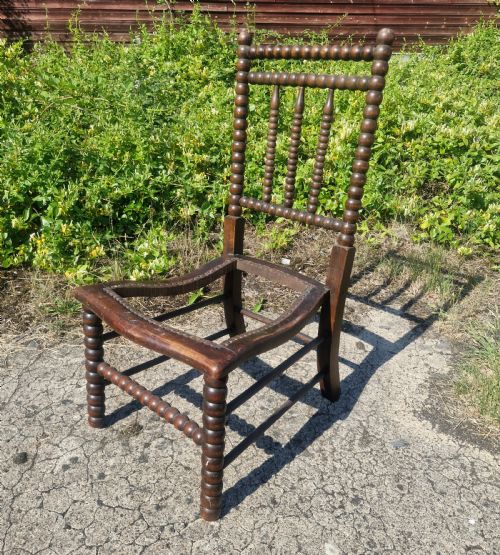
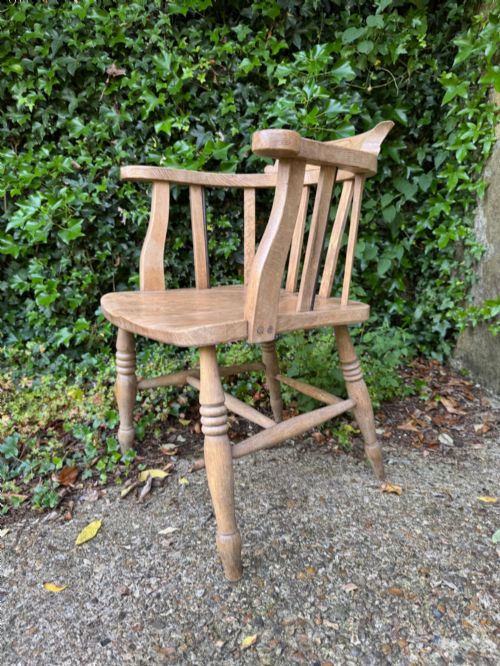
Carpenters utilised durable hardwoods like oak, elm, and ash, constructing frames through traditional joinery such as mortise and tenon joints, sometimes secured with wooden pegs. Turning lathes shaped components like bobbin frames and barley-sugar legs, while Windsor techniques introduced bentwood elements into low backs and stools.
Seating areas received different treatments according to purpose, weaving rush into tight patterns, stretching tan hide or fabric over frames, or leaving solid timber planks shaped by hand tools.
Listings feature oak alongside elm and ash, spanning the eighteenth, nineteenth, and early twentieth centuries through country and Arts and Crafts styles.
What varies in quality
The distinction between ordinary utility items and exceptional pieces lies in the crispness of carved details, the integrity of the timber selection, and the balance of proportions. Finer examples display thoughtful design choices such as matching grain patterns, robust structural joinery that withstands centuries without heavy intervention, and period-appropriate upholstery materials.
Provenance and maker attribution elevate certain works, particularly when pieces bear the hallmarks of notable workshops or specific regional vernacular traditions rather than anonymous mass production.
Liberty Morris And Co·Harry And Lou Epstein·Jack Grimble·Wheelers Of Arncroach·Gillow And Co·Waring And Gillow
The Low Oak Seat Glossary
- Joint stool
- A sturdy wooden stool constructed with mortise and tenon joints rather than turned legs pegged into a seat. These early forms served multiple household purposes.
- Rush seat
- A seating surface woven from dried marshland rushes twisted into cords. This traditional technique provides a resilient and textured pad.
- Bobbin framing
- Furniture turned on a lathe to resemble a series of rounded wooden beads or bobbins threaded together. It became particularly popular during the seventeenth century and again in the Arts and Crafts period.
- Slipper chair
- A low-set upholstered chair traditionally used in bedrooms for dressing. The shortened legs made it easier to put on footwear.
- Windsor chair
- A chair built with a solid wooden seat into which the legs and back spindles are directly bored. Country makers perfected this robust form using mixed hardwoods.
Low Oak Seat: Frequently Asked Questions
How do I use a low oak seat at home?
These pieces fit naturally into hallways as shoe-changing benches, beside fireplaces as hearth stools, or within bedrooms as dressing seats.
Their compact proportions allow them to slide easily beneath tables or tuck into narrow alcoves when not in use.
Are these seats comfortable for daily sitting?
Comfort depends entirely on the specific form, ranging from the firm upright posture of a joint stool to the supportive angles of a Windsor or low armchair.
Upholstered versions and rush seats offer more give, while plain timber versions excel as sturdy perches.
How do I distinguish eighteenth-century oak from later revival pieces?
Early pieces display hand-cut tool marks, shrinkage cracks, and deep patination acquired through generations of polishing and handling.
Revival furniture from the Victorian and Edwardian periods often shows machine precision and uniform timber colour.
Can I reupholster a vintage oak seat?
Many chairs and stools feature drop-in pads or modern webbing that allows for straightforward re-covering in period-appropriate fabrics.
Original rush or leather should be conserved where possible to maintain the historical integrity of the piece.