


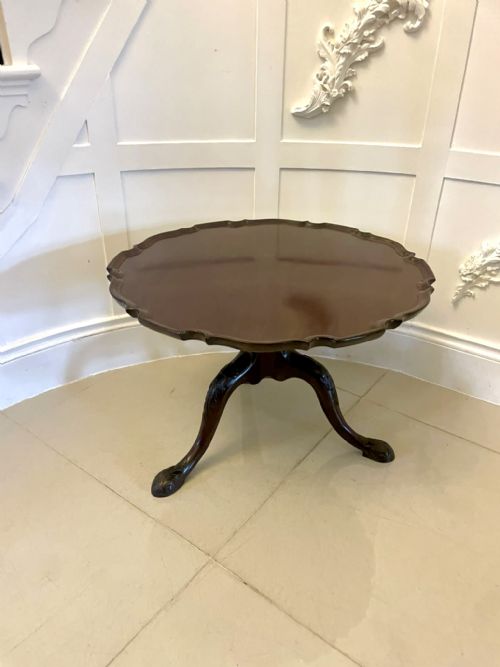
Low Mahogany Tea Table
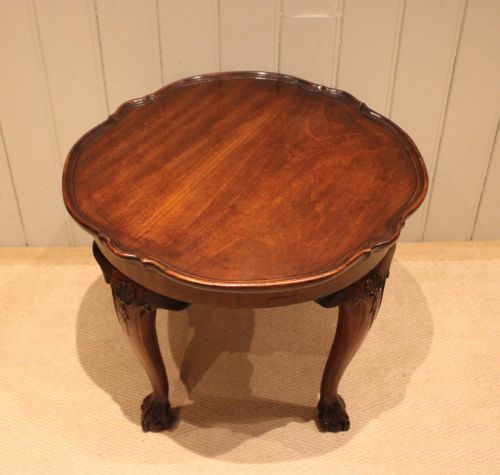
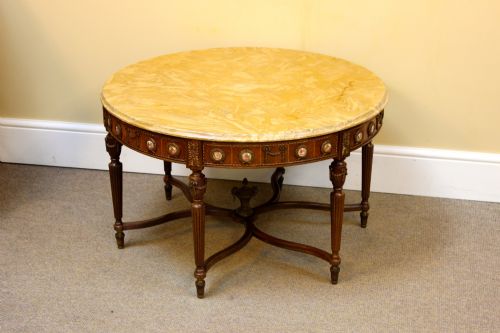
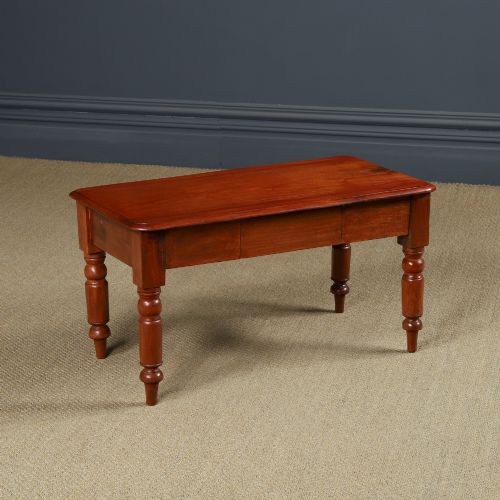
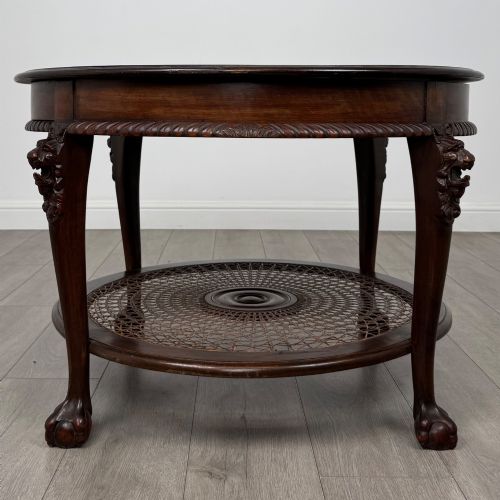
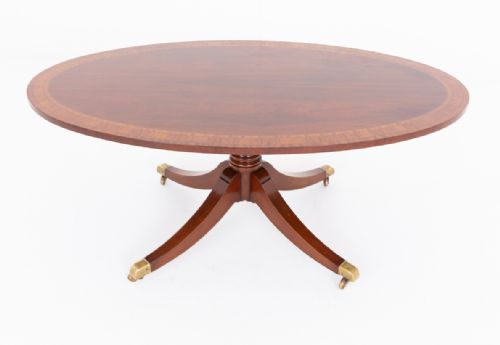
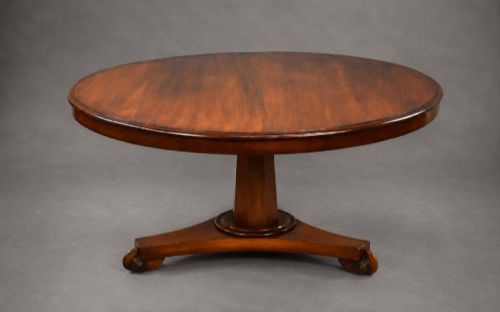
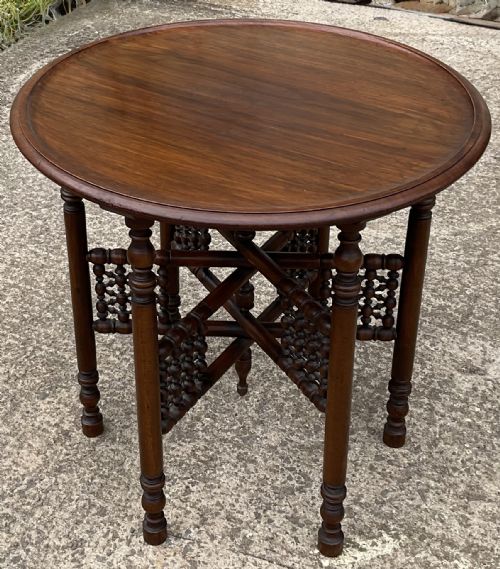
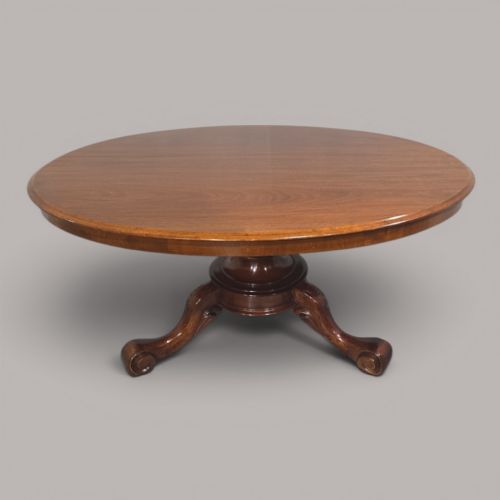
These low mahogany tea table examples bring together rich timber and versatile proportions, offering a practical centrepiece for any reception room.
Low Mahogany Tea Table
A low mahogany tea table bridges formal dining furniture and everyday living spaces, adapting historic tea and coffee forms into functional modern surfaces. When searching for a low mahogany tea table, buyers encounter formats ranging from George III pedestal designs to Edwardian and Victorian revisions.
The selection includes oval, circular, and rectangular shapes alongside occasional, campaign, and pie crust variations. Pieces span multiple eras, including Georgian, Regency, Victorian, and Edwardian periods, demonstrating how traditional cabinet work translates into lower proportions suitable for seating.
Materials and construction
Makers relied primarily on solid and veneered mahogany, frequently enhanced with satinwood inlay, brass mounts, and occasional marble or glass inserts. The timber provides a deep, warm grain that responds well to traditional polishing techniques.
Joinery techniques reflect the period of origin, incorporating pedestal bases, tripod legs, and drop-leaf or fold-over mechanisms derived from earlier console and tea formats.
Some tables double as sneaky afternoon tea stations, ready to hold your brew after a hard day of antique hunting.
Judging quality and proportion
Quality rests upon the selection of timber, the crispness of carved details such as pie crust edges, and the integrity of the structural frame. Finer examples display thoughtful figure in the mahogany grain and refined turning on the pedestals.
The balance between the reduced height and the original design proportions determines the visual success of the piece, separating standard workshop output from superior cabinet work.
Gillows Of Lancaster
The Low Mahogany Tea Table Glossary
- Mahogany
- A durable tropical hardwood prized for its reddish-brown colour and smooth grain. It forms the primary structural and visual material across these pieces.
- Pedestal
- A central supporting column rising from a tripod or branched base. This support type allows for compact seating arrangements around the table.
- Pie crust
- A raised, carved moulding along the rim of a round tabletop resembling pastry work. This decorative edge appears on select mid-period tables.
- Satinwood inlay
- Contrasting pale timber inserted into the darker mahogany surface in geometric or floral patterns. It serves to highlight the borders and centre panels.
Low Mahogany Tea Table: Frequently Asked Questions
How do I date a mahogany tea table?
Dating relies on identifying construction methods, timber choice, and stylistic markers associated with specific periods like the Regency or Edwardian eras.
Changes in leg turning, edge profiles, and hardware provide clear clues to the decade of manufacture.
Were these tables originally this low?
Many low examples originate from earlier full-height tea, console, or dining tables that were subsequently reduced in height to suit modern coffee table use.
Others were built during the Edwardian and later periods specifically with lower proportions.
How do I care for mahogany surfaces?
Mahogany requires regular dusting with a soft cloth and occasional treatment with appropriate wax to maintain the finish. Avoid placing timber surfaces in direct sunlight or near heat sources to prevent warping.
Using coasters and mats protects the polished grain from moisture and heat damage.
What is the difference between a tea table and a coffee table?
Historical tea tables were built taller for serving tea from standing or seated positions, often featuring fold-over tops or tea caddy storage.
Modern low adaptations bring these historic surfaces down to coffee table height for contemporary living rooms.