

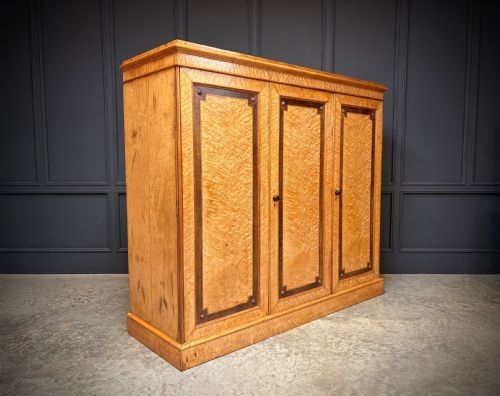


Low Linen Press Cupboard
A low linen press cupboard is a sturdy storage piece designed to hold household textiles, combining lower drawers with upper cupboard doors at a convenient height.
Low Linen Press Cupboard
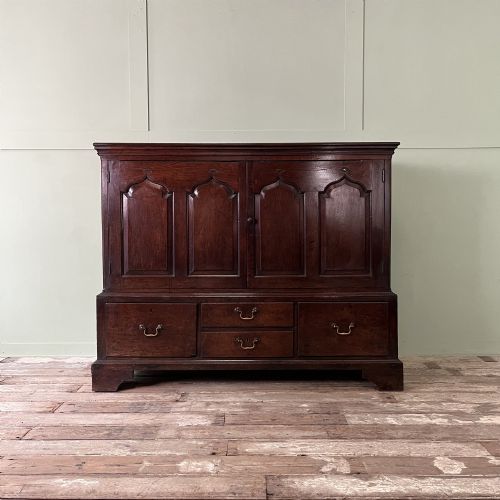
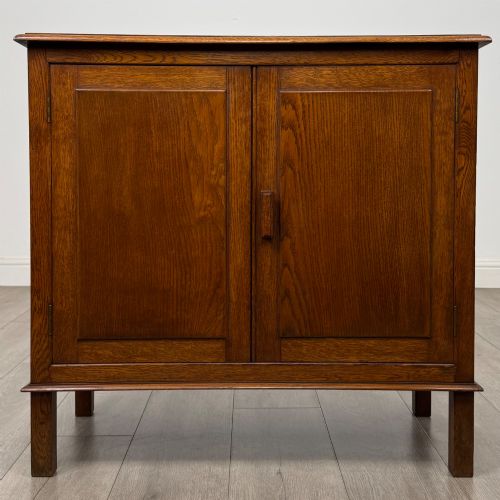
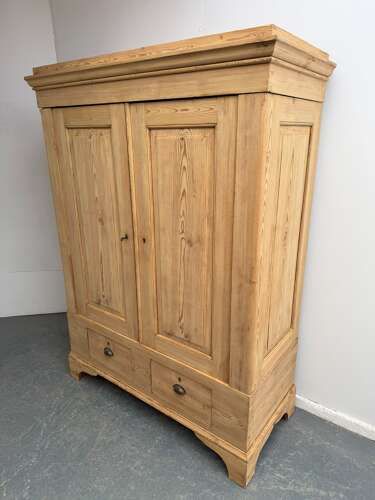
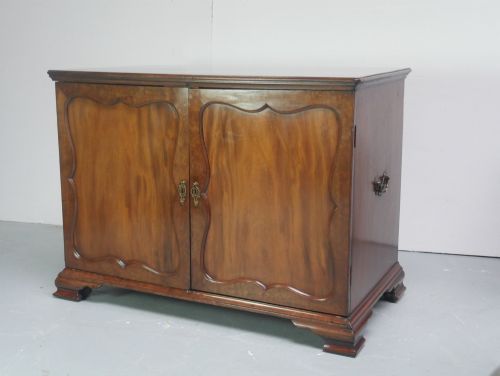
When searching for a low linen press cupboard, a buyer encounters substantial timber storage furniture spanning the eighteenth and nineteenth centuries. The examples here include Georgian, Regency, Victorian, and Edwardian pieces, along with regional items like Welsh oak and French armoires.
The format typically pairs a set of base drawers with an upper section enclosed by two doors, scaled lower than traditional towering presses. Woods range from rich mahogany and flame mahogany veneer to oak, pine, birds-eye maple, and satinwood, occasionally featuring brass or iron hardware.
Most items on this page function as wardrobes, compactum wardrobes, dwarf housekeepers cupboards, or general linen cupboards. The selection reflects both formal cabinet-making and vernacular country traditions, offering versatile storage options for modern homes.
How they were made
Cabinet-makers constructed these low linen press cupboards using solid timbers and decorative veneers such as flame mahogany, satinwood, and birds-eye maple over secondary woods. Iron and brass hardware, including hinges and drawer pulls, secure the doors and facilitate movement.
Construction techniques include banded inlays, breakfront styling, and knockdown framing to allow easier transport. Surfaces are typically finished for wax or paint, depending on whether the piece originates from an urban workshop or a rural vernacular setting.
One diminutive piece is specifically catalogued as dinky.
What varies in quality
Quality in these cupboards rests on the selection of timber and the precision of the cabinet-making, distinguishing workshop pieces from simple country furniture. Fine examples display carefully matched flame mahogany veneers, satinwood, or birds-eye maple, alongside sophisticated details like banded inlays and secretaire drawers.
Proportion and scale also define the hierarchy of these items, with dwarf and compactum formats requiring exact carpentry to maintain structural integrity at a reduced height. The integration of brass fittings and the crispness of the joinery further separate standard utility pieces from high-status furniture.
Gillows·Lamb of Manchester
The Low Linen Press Cupboard Glossary
- Linen Press
- A tall or low cabinet traditionally used for storing folded linen and clothes, featuring upper cupboard doors and lower drawers.
- Dwarf
- A term used in cabinet-making to describe a piece of furniture built significantly lower than standard height.
- Compactum
- A multi-functional wardrobe or storage cabinet designed to maximise internal space efficiently.
- Breakfront
- A piece of furniture where the central section projects forward from the flanking outer sections.
- Secretaire
- A cabinet or drawer incorporating a pull-down writing flap and small interior compartments.
Low Linen Press Cupboard: Frequently Asked Questions
What is a low linen press cupboard?
A low linen press cupboard is a dual-purpose storage item featuring lower drawers and an upper enclosed section, built to a reduced height compared to traditional towering presses.
These pieces were originally designed to store household linens and folded garments in domestic interiors.
How were these cupboards used?
Households utilised these cabinets primarily for keeping bed linen, tablecloths, and clothing protected from dust and dampness.
The lower drawers provided additional space for smaller garments or accessories, keeping daily necessities organised.
How do I style a low linen press?
A low linen press cupboard functions well in a bedroom or hallway as a primary wardrobe or general storage unit.
The flat top surface also offers space for displaying lamps, ceramics, or decorative objects while keeping the floor area clear.
How do I tell periods apart?
Eighteenth-century examples often display solid oak or figured mahogany with vernacular or Chippendale-inspired proportions.
Nineteenth-century pieces introduce varied veneers such as birds-eye maple or satinwood, alongside breakfront layouts and formal bracket feet.