


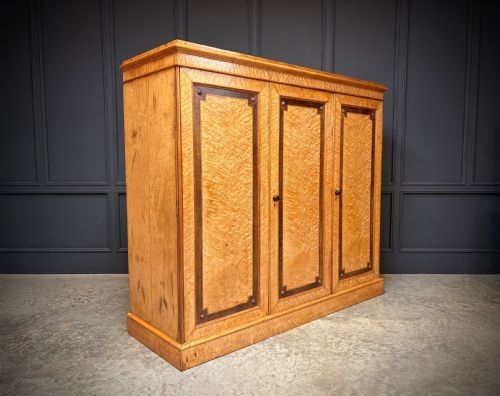


Antique Low Press
When you search for an antique low press, you are looking at substantial timber storage built to sit low in a room.
Antique Low Press
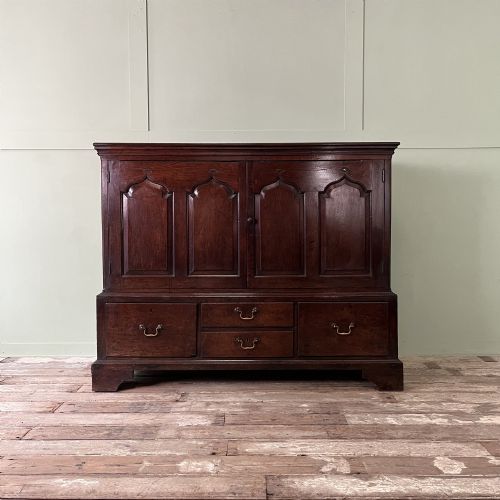
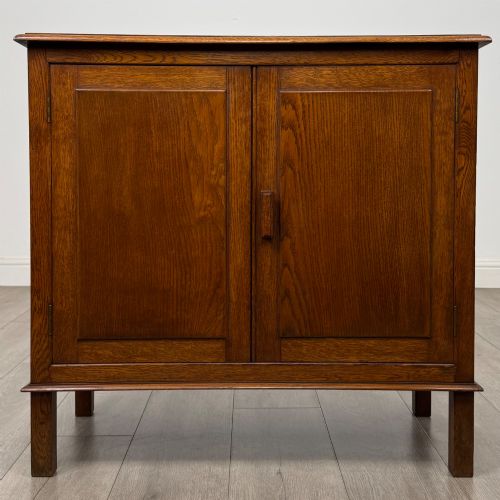
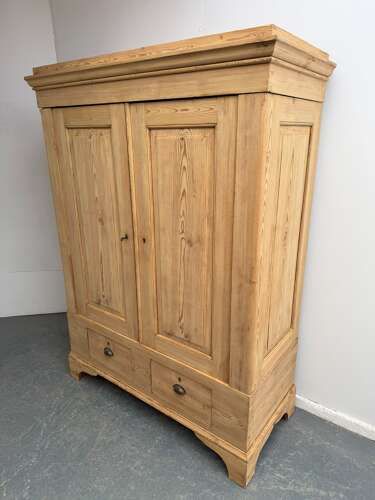
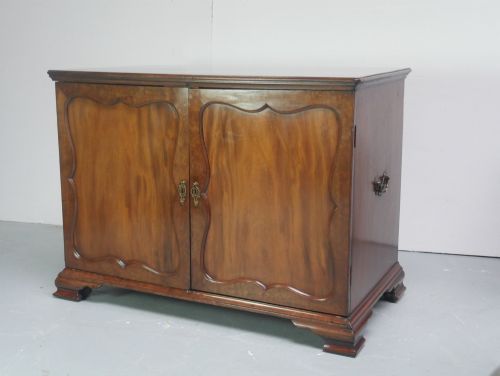
An antique low press is a form of cabinetry designed for textiles, garments, and household storage, standing lower to the ground than a traditional wardrobe or tallboy. These pieces span periods from the eighteenth century through to the Edwardian era, taking the form of linen presses, dwarf cupboards, and compactum wardrobes.
The materials you encounter most frequently in this search are native oaks and imported mahoganies, often enriched with flame veneer, birds eye maple, or satinwood banding. Regional pieces appear in pine and oak, reflecting vernacular furniture traditions from Wales and country workshops.
Makers such as Gillows, Waring & Gillow, and Shapland & Petter occasionally mark or are attributed to these pieces, showing fine cabinet-making in proportions scaled down for domestic utility. Alongside timber linen presses, the archival records reveal occasional book presses and flower presses in cast iron and beech, though the timber wardrobe remains the dominant form on this page.
How They Were Made
Cabinet makers built these low presses using solid hardwoods like mahogany and oak for structural integrity, often applying figured veneers such as flame mahogany or satinwood to the principal doors and drawer fronts. Carcase construction relied on traditional joinery, with panelled doors and internal sliding trays or shelves designed to keep linens flat and aired.
Brass hardware, including drop handles, escutcheons, and hinges, fastened the doors and drawers, while iron and cast brass mechanisms appeared on internal screws or specialised presses. Surface finishes were achieved through waxing, polishing, or French polishing, which built a protective sheen over the grain of the wood.
Several heavy cast iron presses in the archive prove that our ancestors took the preservation of garden leaves and dry documents remarkably seriously.
What Varies in Quality
The caliber of an antique low press rests upon the choice of timber and the precision of its conversion. Finer examples display carefully matched flame mahogany veneer or well-figured birds eye maple, whereas utilitarian pieces utilise plain pine or standard oak meant for domestic service rather than formal display.
Construction details distinguish workshop output. Superior pieces incorporate secondary timbers of high grade, smooth-running drawer linings with hand-cut dovetails, and original brass fittings, while lesser examples show simpler pegged joints or later replacements to the handles and hinges.
Gillows·Waring & Gillow·Shapland & Petter·Lamb of Manchester
The Antique Low Press Glossary
- Low press
- A timber storage cabinet of reduced height, usually combining cupboard doors with internal sliding trays or drawers for textiles.
- Dwarf cupboard
- A low-standing storage piece designed to sit beneath window height or within rooms with restricted vertical clearance.
- Compactum wardrobe
- A multi-functional fitted wardrobe combining hanging space, shelves, and linen drawers within a single compact carcase.
- Flame mahogany
- A decorative veneer cut from timber where the branch meets the trunk, producing a rippling, flame-like grain pattern.
- Secretaire
- A cabinet or press incorporating a pull-down writing drawer fitted with small pigeonholes and inner compartments.
Antique Low Press: Frequently Asked Questions
What is a low press used for?
These pieces served primarily for storing folded linens, garments, and household textiles away from dust and light.
In modern rooms, their lower height makes them suitable as general storage cabinets or bedroom furniture where a tall wardrobe would overwhelm the space.
How do I date an antique low press?
Dating relies on observing timber choices, construction methods, and stylistic details such as bracket feet, cornice mouldings, and brass hardware.
Eighteenth-century examples often feature solid oak or mahogany with hand-cut dovetails, while Victorian and Edwardian pieces introduce machine-sawn elements and varied exotic veneers.
Are all low presses made of mahogany?
Mahogany is common, particularly in refined Georgian and Regency pieces, but regional and country examples utilise native oak, pine, and fruitwoods.
Specialised variants also incorporate cast iron and beech for book or flower pressing rather than textile storage.
What is the difference between a linen press and a wardrobe?
A linen press traditionally houses internal sliding trays or shelves designed for flat linens, whereas a wardrobe provides vertical hanging space for garments.
Many low presses on this market combine both functions or have been adapted over time to suit modern hanging requirements.