

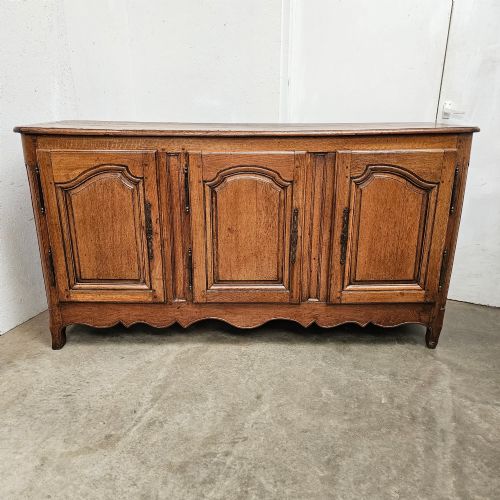
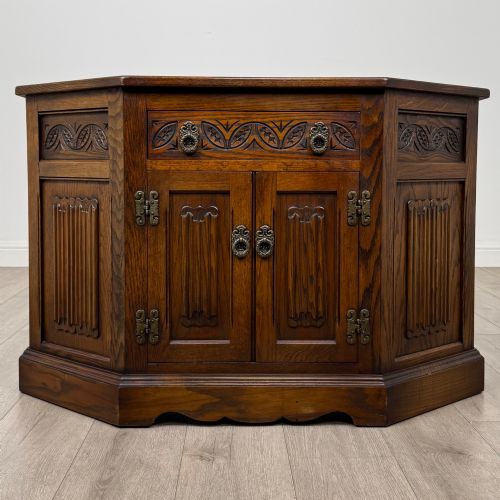
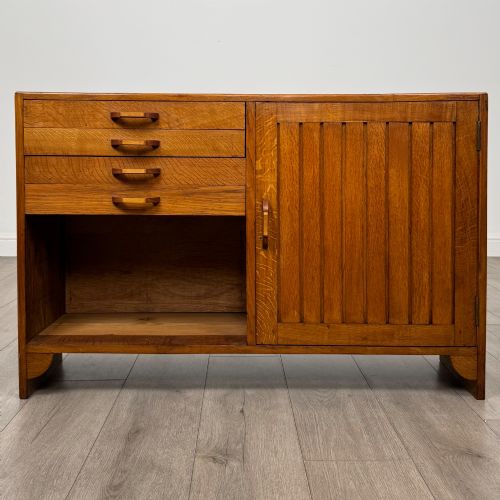
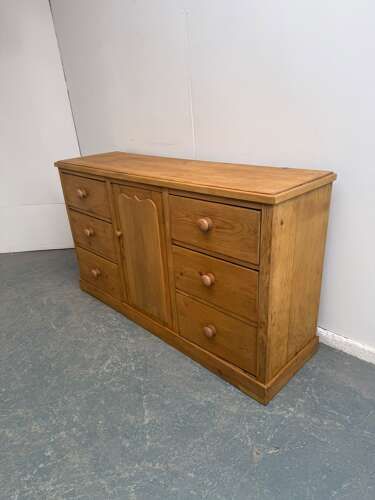
Low Dresser Base
A low dresser base provides practical storage and surface space while anchoring a room with centuries of working history.
Low Dresser Base
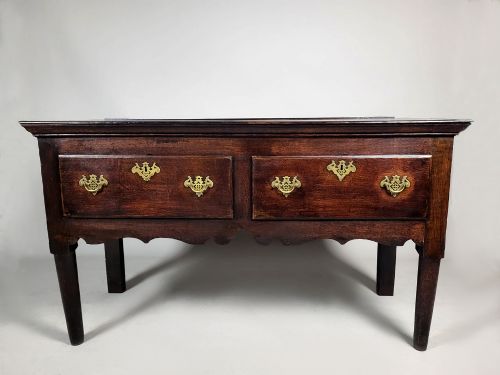
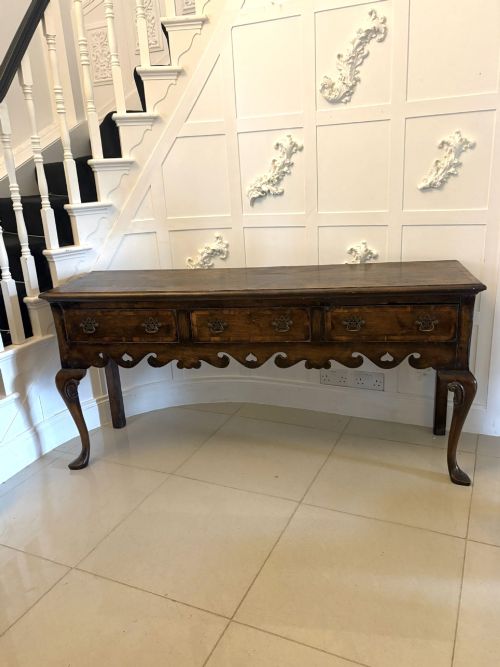
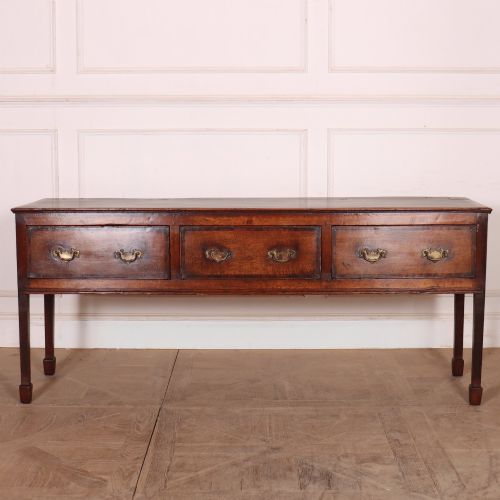
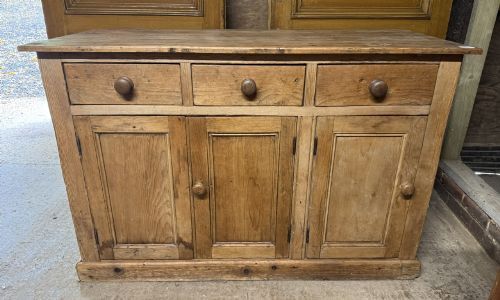
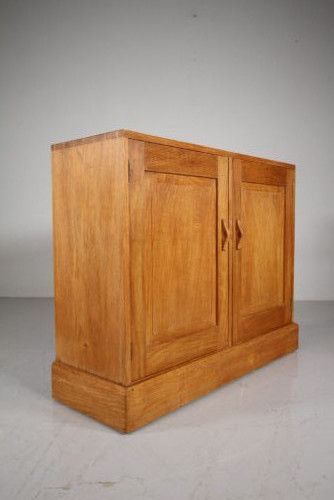
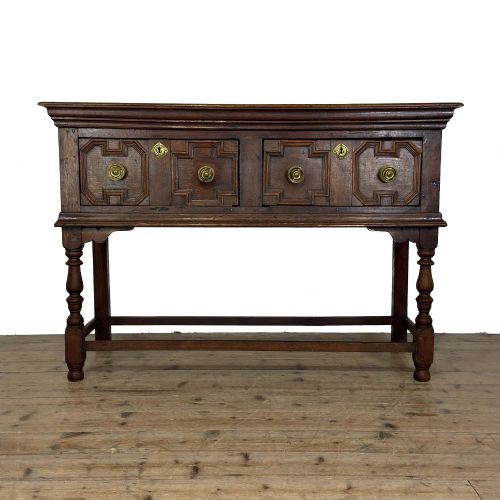
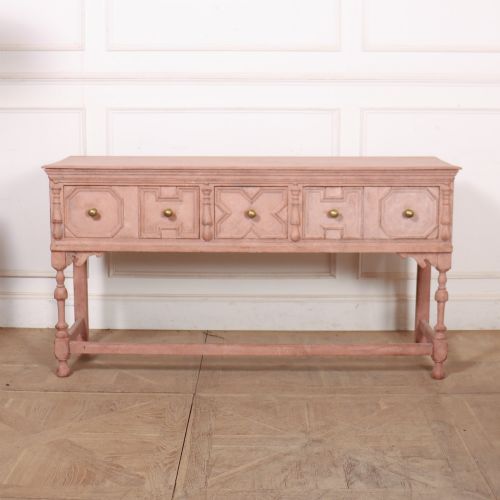
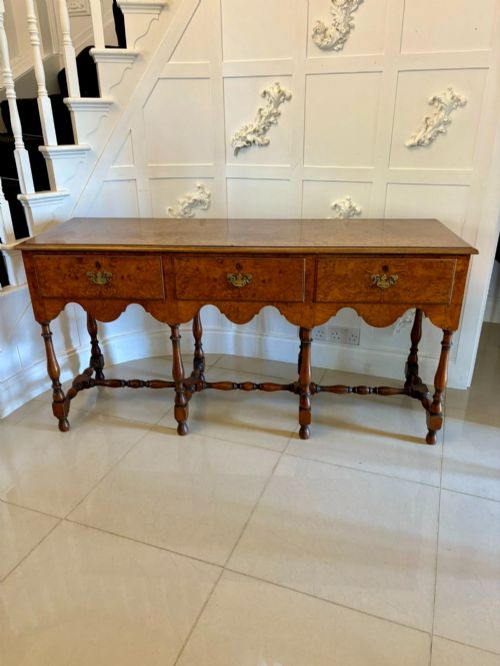
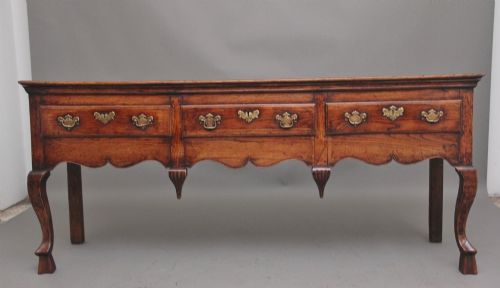
A low dresser base is a heavy, functional storage unit designed historically for domestic service, typically sitting below standing height with multiple drawers or cupboards.
Buyers seeking this phrase encounter pieces dating from the 17th century through the Georgian and Victorian eras, originating mainly from English counties, Wales, and Scotland.
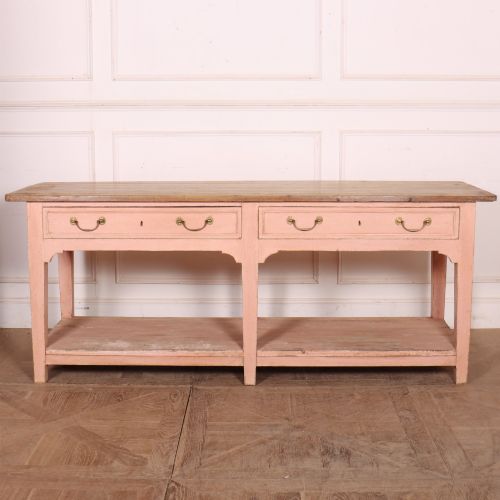
The form frequently includes open potboards, banks of drawers, or panelled doors that reflect regional joinery traditions from Shropshire, Cheshire, and Montgomeryshire.
How they were made
Traditional construction relies heavily on solid oak, fruitwood, and pine, often joined using pegged mortise and tenon techniques designed to withstand heavy daily use.
Surfaces frequently show the integration of brass drop handles, iron hardware, and occasionally historical layers of paint or wax finishes applied over centuries.
Keep an eye out for curious carved green man masks glaring out from beneath the cutlery drawers.
What varies in quality
Quality rests in the integrity of the timber selection, the crispness of the original mouldings, and whether structural elements like potboards and drawer linings remain intact.
Regional rarity and the survival of untouched surfaces, original brasses, or early painted finishes distinguish standard utilitarian examples from exceptional cabinetwork.
The Low Dresser Base Glossary
- Potboard
- An open lower shelf beneath a dresser base traditionally used for storing pots and pans. This platform sits raised on short legs or feet.
- Breakfront
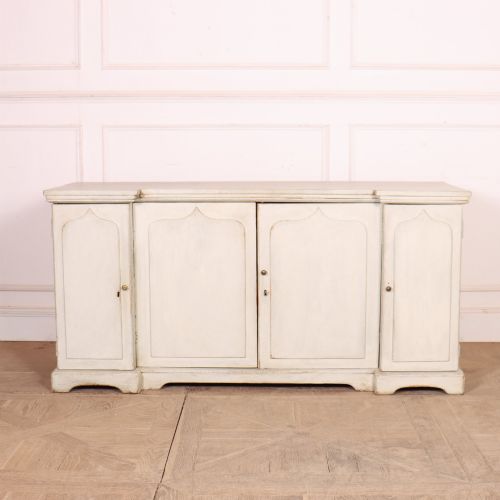
- A piece of furniture where the central section projects forward from the flanking outer cabinets. This architectural layout adds depth to the elevation.
- Enfilade
- A suite of rooms or a long cabinet featuring a continuous line of doors. French examples frequently employ this multi-door arrangement.
- Linenfold
- A style of carved wooden panelling that resembles folded cloth. This decorative motif appears frequently on later revival pieces.
- Joined
- A term describing furniture constructed with interlocking mortise and tenon joints secured by wooden pegs rather than metal nails.
Low Dresser Base: Frequently Asked Questions
What is a low dresser base used for?
A low dresser base functions as a sturdy sideboard, serving table, or storage cabinet in living spaces and kitchens. The top surface provides display space, while drawers and cupboards house tableware or household items.
Historically, these pieces served practical domestic roles in country houses and farmhouses before transitioning into decorative furniture for modern homes.
How do I identify a Georgian dresser base?
Georgian dresser bases typically date from the 18th century and exhibit classic proportions, often featuring graduated drawers with brass bail handles and bracket feet. Regional variations from areas like Shropshire or Wales frequently incorporate potboards.
Construction details such as hand-cut dovetails and pegged joints help distinguish genuine 18th-century examples from later 19th-century revivals.
Are these dressers made of solid oak?
Many traditional dresser bases are constructed from solid English oak, though regional examples also utilise pine, fruitwood, walnut, and mahogany. Secondary timbers often appear in drawer linings and internal framing.
Surface treatments vary from waxed finishes highlighting natural grain to historical layers of paint recording utilitarian use.
How do I care for an antique dresser base?
Maintain antique wood surfaces by applying natural beeswax periodically and avoiding placement near direct heat sources or strong sunlight. Stable indoor humidity prevents the timber and historical joints from drying out.
Gentle cleaning with a soft, dry cloth preserves the patina built up over centuries of domestic use.