

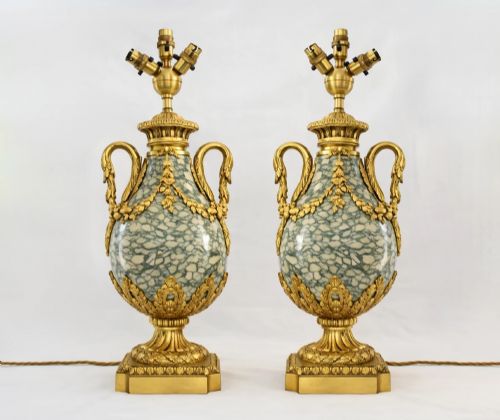


Louis XVI Ormolu Lamps
Louis xvi ormolu lamps combine gilt metal mounts with marble or glass to bring classical French elegance into a room.
Louis XVI Ormolu Lamps
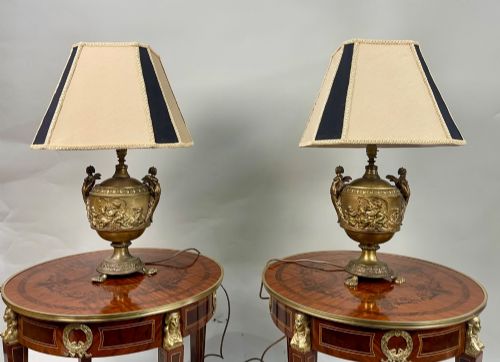
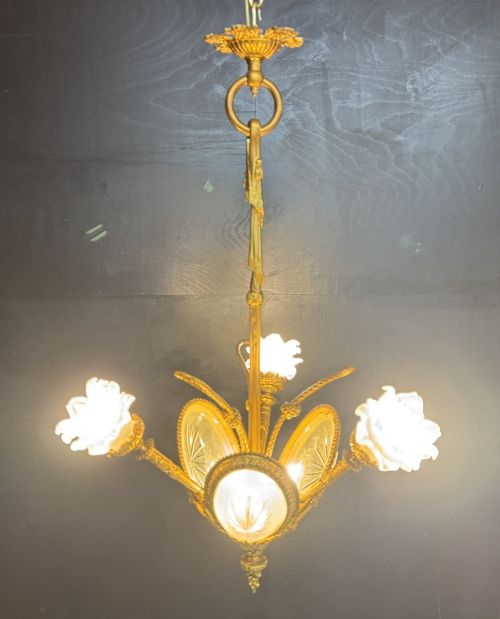
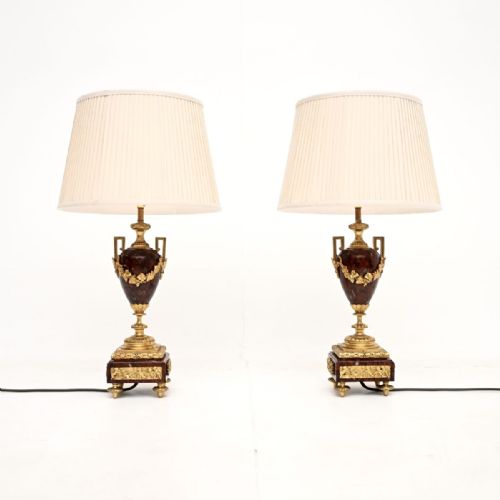
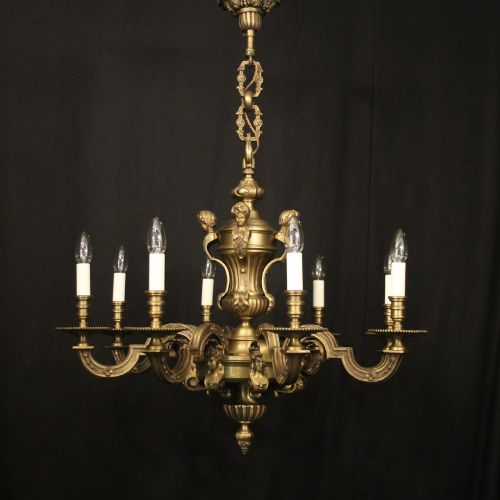
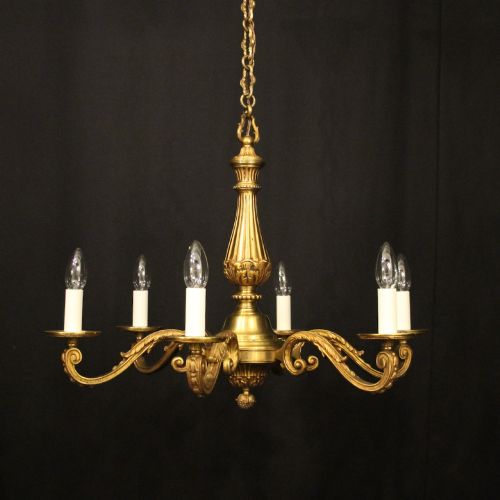
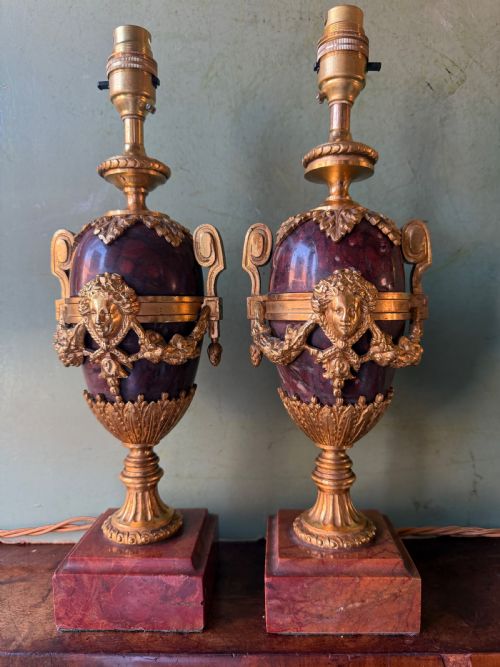
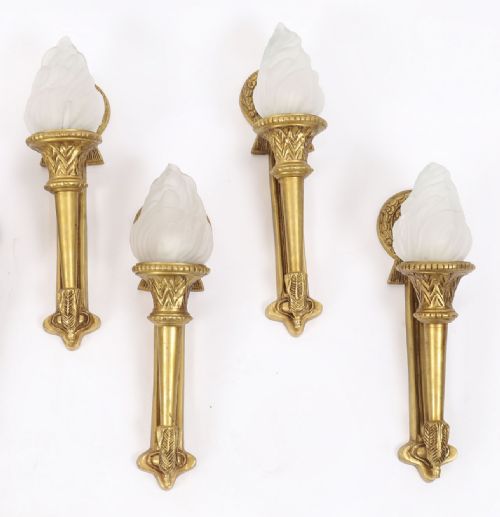
Buyers seeking louis xvi ormolu lamps examine pieces drawing on French neoclassical design, frequently appearing as matched pairs mounted on marble bases. These lighting fixtures take forms derived from earlier cassolettes, vases, and candlesticks, adapted during the nineteenth century and subsequent revival periods. Alongside standard table lamps, the selection includes wall lights and floor lamps sharing the same vocabulary of classical ornament.
The objects present materials such as gilt bronze, ormolu, and marble, often paired with fabric shades or configured as candelabra. Many items originate from nineteenth century French workshops working in the Louis XVI style, while others date from later decades up to the mid twentieth century. The forms rely heavily on symmetry, urn motifs, and crisp foliate details associated with French chateau interiors.
Materials and construction
Makers utilised cast bronze and brass, subsequently gilded to produce the characteristic ormolu finish that defines these luminaires. Metal components were chased by hand to sharpen details like acanthus leaves and beaded borders before assembly.
Natural stone forms the primary structural base for many pieces, utilising white, rouge, and variegated marble turned on a lathe or squared by hand. Fabric components and glass elements complete the lighting assemblies, integrated with electrical conversions or original candle sockets.
Louis XVI Ormolu Lamps Retail Price Guide 2026
Typical asking prices for louis xvi ormolu lamps among the pieces listed under this phrase on Sellingantiques today, from the lower quarter to the upper quarter. They describe what is for sale here now, not the wider market.
Listings feature items dated across the nineteenth century, Edwardian era, and through the 1940s, utilising gilt bronze, marble, and cut glass.
Quality differences
The standard of chasing on the gilt bronze separates standard production from finer examples, with superior pieces showing deep relief and crisp edges on leaves and ribbons. The weight and selection of the marble base also indicate tier, as solid blocks with polished finishes and tight mineral grains outperform lighter or composite alternatives.
Assembly methods reveal intent; better pieces employ threaded rods and fitted bronze bezels that hold the stone securely without excess solder. The retention of original gilding without heavy cleaning wear distinguishes well preserved specimens from those stripped of their surface depth.
Jean Démosthène Dugourc
The Louis XVI Ormolu Lamps Glossary
- Ormolu
- Gilt bronze produced by applying a mercury and gold amalgam to cast bronze and firing it to drive off the mercury. This technique creates a durable golden surface seen on mounts and decorative details.
- Neoclassical
- A style drawing inspiration from classical antiquity, dominant in France during the reign of Louis XVI. It relies on straight lines, symmetry, and architectural motifs such as columns and swags.
- Gilt Bronze
- Bronze metal treated with a gold leaf or chemical gilding process. It provides the metallic sheen found on nineteenth century French lighting mounts.
- Casting
- The process of pouring molten metal into a mould to form the primary shape of a lamp mount or handle. Hand chasing follows this step to refine the texture.
Louis XVI Ormolu Lamps: Frequently Asked Questions
How do I wire antique lamps?
Most antique lamps require rewiring to meet current safety standards, which involves running modern flex through the existing central channel without altering the outer metal or stone body.
A qualified electrician can install appropriate lamp holders and patress fittings that match the original scale of the fixture.
What bulbs should I use?
Low wattage LED bulbs work best to prevent excess heat buildup near vintage fabric shades and delicate ormolu surfaces.
Warm white tones replicate the soft glow of historic candle or early electric lighting.
How do I clean ormolu?
Dusting with a soft, dry brush removes surface particles without disturbing the underlying gilt surface or patination.
Water and chemical solvents should be avoided, as harsh cleaners strip the gold layer from the bronze.
Are these lamps period originals?
The selection spans authentic nineteenth century pieces alongside later revival items produced in the early twentieth century.
Details such as casting crispness and marble ageing help distinguish nineteenth century work from subsequent interpretations.