



Classic French Urn Lamps
Classic french urn lamps bring sculptural presence and period warmth to a room, turning classical vessel forms into practical lighting.
Classic French Urn Lamps
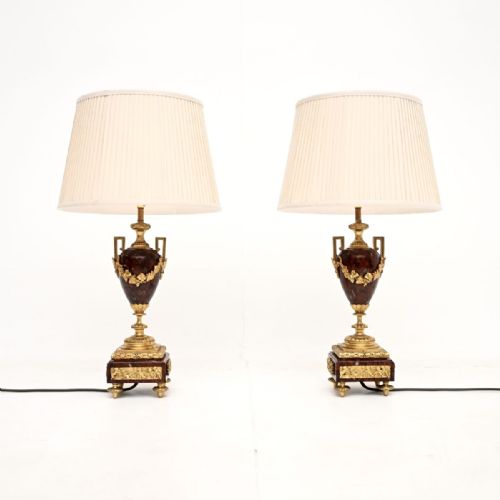
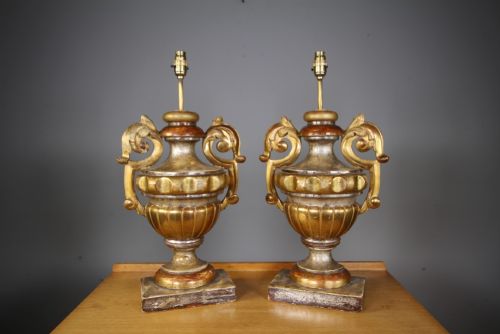
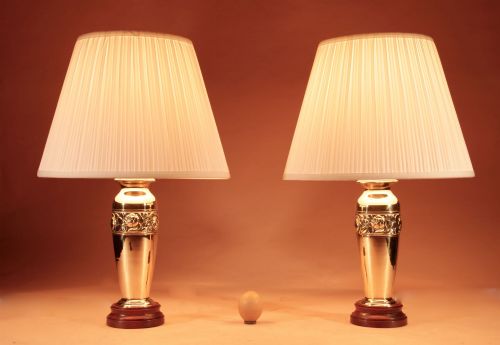
Classic french urn lamps take their cue from traditional decorative vessels, translating classical and revival motifs into functional table lighting. These pieces draw on Neoclassical, Louis XVI Revival, French Rococo Revival, French Chateau, and Art Deco traditions, spanning the nineteenth and early twentieth centuries. The selection centres heavily on matched pairs configured as table lamps, utilising traditional urn shapes for domestic interiors.
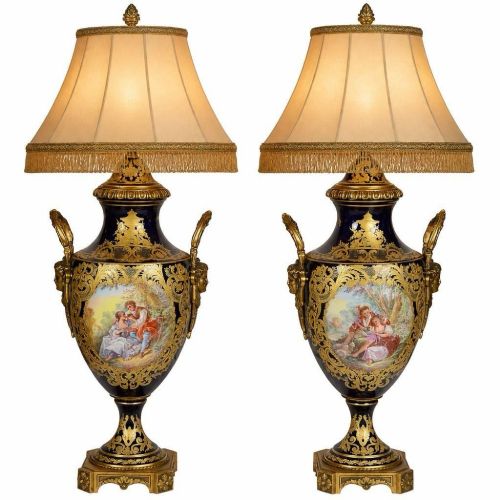
The physical evidence shows these lamps appearing in diverse forms, from carved pine and gilt to marble paired with gilt bronze, ormolu, brass, and porcelain. Pieces range from Sevres style porcelain and hand-painted porcelain bodies to blue glass ewer lamps and bronze constructions. Buyers will encounter both grander nineteenth-century examples and sleeker 1920s Art Deco interpretations across the current selection.
How they were made
Maker techniques rely heavily on metal casting, chasing, and gilding, combining bronze, ormolu, and brass with heavy stone or ceramic bodies. Marble and carved pine provide solid architectural bases and structural weight, while gilt bronze and ormolu introduce refined surface enrichment and metallic contrast.
Ceramic elements utilise Sevres style porcelain and glazed glass, often featuring hand-painted details and paired with fabric shades. Metal components show careful assembly by period artisans, uniting cast mounts, handles, and collars with durable internal wiring adaptations.
Classic French Urn Lamps Retail Price Guide 2026
Typical asking prices for classic french urn lamps among the pieces listed under this phrase on Sellingantiques today, from the lower quarter to the upper quarter. They describe what is for sale here now, not the wider market.
Some urns disguised their true electrical purpose by masquerading as ornamental ewers before getting wired for the parlour.
What varies in quality
Quality rests in the crispness of the cast metalwork, the weight and selection of the marble or bronze, and the hand-painted execution on the porcelain bodies. Superior examples display sharply defined ormolu mounts, deep chasing, and harmonious proportions between the urn body and its base.
Lesser pieces show softer surface detail, simpler base construction, or less refined gilding. The integration of mounts and the material integrity of the pine, glass, or porcelain dictate the overall distinction of the finished lamp.
The Classic French Urn Lamps Glossary
- Ormolu
- Gilded bronze, where a mercury-gilding technique or gold plating creates a rich metallic finish on decorative mounts. This material was widely used in French furniture and lighting to accent marble and porcelain bodies.
- Sevres style
- A descriptive term for porcelain decorated in the manner of the famous French royal manufactory. It often involves hand-painted scenes, rich coloured grounds, and gilt highlights.
- Neoclassical
- A design style drawing inspiration from classical Greek and Roman art, characterised by symmetry, proportion, and restrained ornamentation. It frequently employs urn and column motifs.
- Ewer
- A large jug with a wide spout and elaborate handle, traditionally used for holding water but adapted in these listings as an ornamental lamp body.
- Louis XVI Revival
- A nineteenth-century French revival style that looks back to the reign of Louis XVI, featuring straight lines, classical motifs, and refined neoclassical details.
Classic French Urn Lamps: Frequently Asked Questions
Where should I place classic french urn lamps?
These lamps suit formal reception rooms, sideboards, or large mantelpieces where their sculptural weight provides a strong focal point. They work particularly well in pairs to frame a mirror or anchor a central piece of furniture.
Ensure the surrounding surface is sturdy enough to support heavier materials like marble and bronze. Their height and decorative presence mean they perform best where they can be appreciated as objects of art even when unlit.
How do I date these lamps?
Dating relies on stylistic markers, material combinations, and manufacturing techniques recorded across the nineteenth and early twentieth centuries. Pieces spanning the 1880s to the 1920s incorporate distinct movements such as Neoclassical revivals and Art Deco.
Examine the construction methods of the metal mounts, the type of porcelain or glass utilised, and any visible wiring adjustments. Comparing the design vocabulary to known revival periods helps narrow down the decade of production.
Are these lamps usually sold as pairs?
The available selection leans heavily towards matched pairs, reflecting how decorative urn lamps were traditionally manufactured for symmetrical interior placement. Single lamps also appear occasionally.
Buying a pair offers balanced styling for living spaces or side tables. Check the individual descriptions to confirm whether pieces retain matching proportions and identical materials.
What materials are most common?
The listings show a frequent combination of gilt bronze, ormolu, and marble, alongside carved pine, brass, and porcelain. Fabric is typically found on the accompanying shades.
Blue glass and white glass also appear as body materials for ornamental ewer and table lamps. Each material combination contributes a different weight and visual texture to the interior.