

Louis XVI Lighting
Louis xvi lighting brings classical symmetry and cast bronze work into a room through wall lights, chandeliers, and candelabra.
Louis XVI Lighting
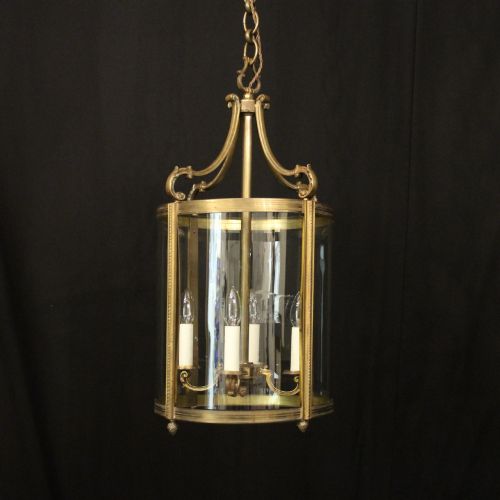
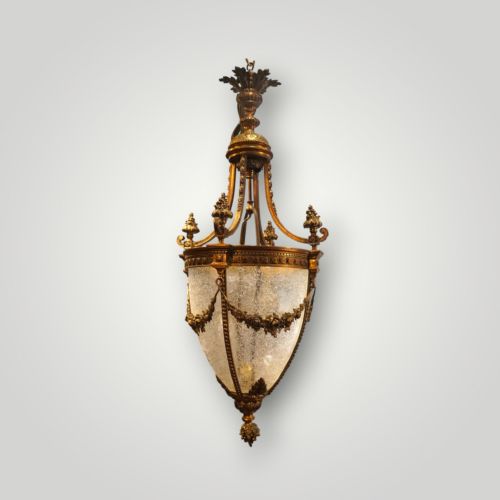
Louis xvi lighting encompasses wall lights, wall sconces, chandeliers, hall lanterns, table lamps, candelabra, and candlesticks originating from French workshops and revival periods. The listings here present a mix of authentic eighteenth century pieces alongside nineteenth century revival works and early twentieth century interpretations.
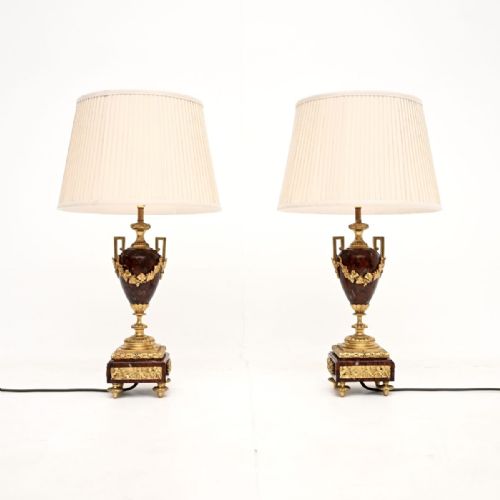
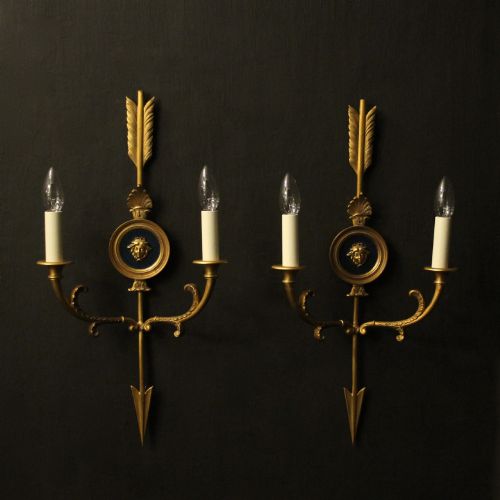
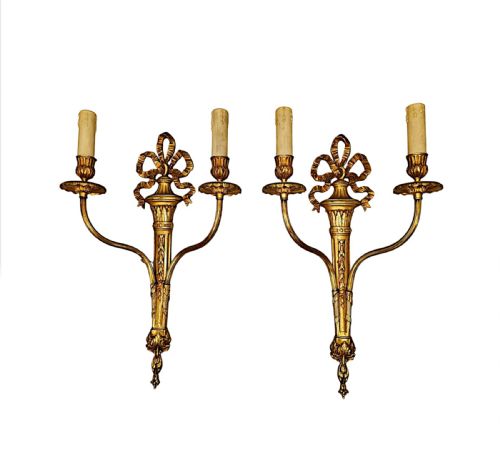
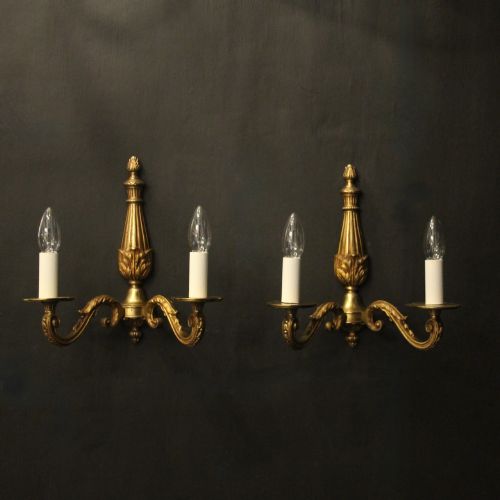
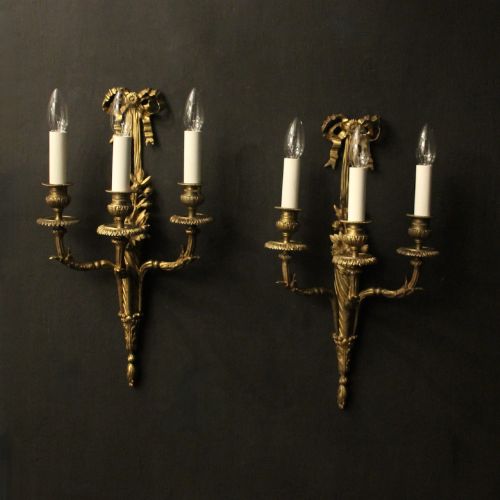
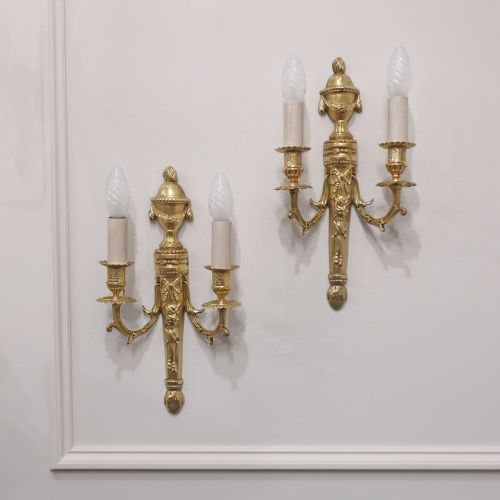
The most common forms encountered on this page are twin arm wall lights and matching pairs of wall sconces in gilded bronze or brass. These fixtures reflect neoclassical design principles, utilising ribbons, caryatids, ram head masks, and architectural urn motifs.
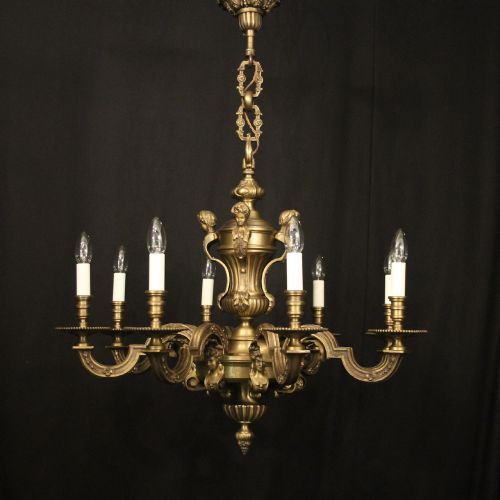
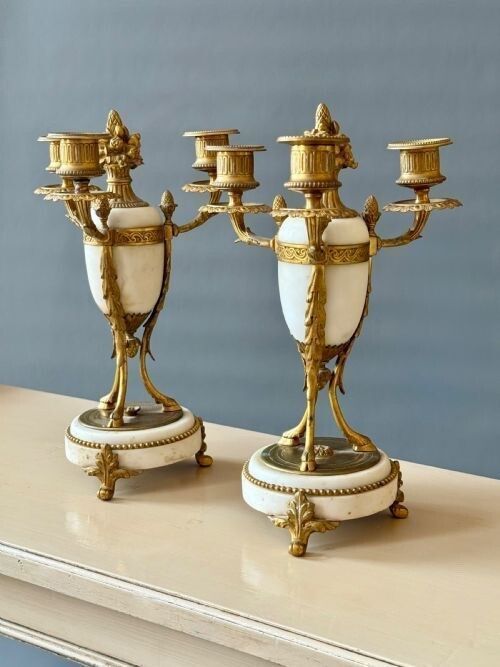
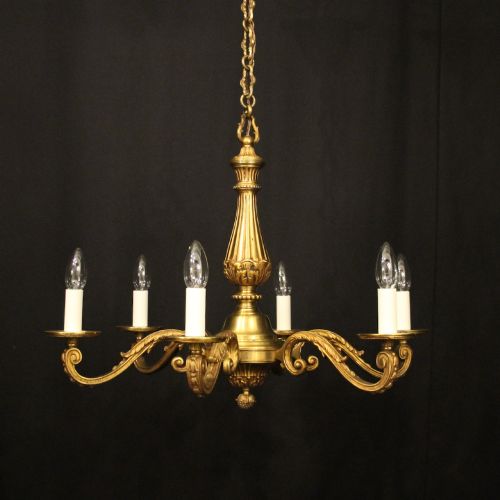
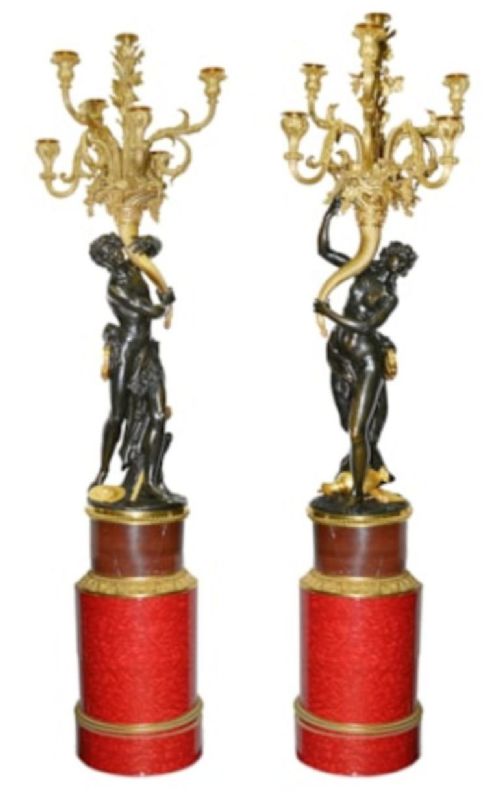
Pieces range from simple single arm fixtures to large multi light chandeliers and tall candelabra mounted on marble bases. Buyers select these items to introduce formal French chateau elegance into period and modern interiors alike.
Design and Execution
Quality rests in the crispness of the hand chasing across the bronze and ormolu mounts. Superior examples show deep, clean relief in classical motifs like acanthus leaves and ribbons, whereas lesser pieces exhibit soft, blurred casting lines.
The weight of the metal and the integrity of the structural joints dictate the build standard. Fine items integrate matched marble components and original cast fixings that fit together seamlessly without loose sockets or crude solder repairs.
Listings feature materials spanning gilt bronze, brass, ormolu, marble, glass, and bronze across the nineteenth and twentieth centuries.
Francois Redmond·Dugourc·Casier·Henri Vian·Maison Bagues
The Louis XVI Lighting Glossary
- Ormolu
- Gilded bronze produced by applying a mercury and gold amalgam to a bronze base and heating it until the mercury vaporised. This technique creates a durable, warm golden finish characteristic of fine French decorative arts.
- Cassolette
- A decorative vase or urn designed with a reversible lid that functions either as a solid vessel or a candleholder. These often feature ormolu mounts paired with marble bodies.
- Girandole
- A branched wall sconce or candlestick fitted with reflective glass or polished metal backs to multiply the illumination. They appeared frequently in eighteenth century French interiors.
- Caryatid
- A sculpted female figure serving as an architectural support column. In lighting design, these figures form the stem of a candlestick or the bracket of a wall light.
- Pate sur pate
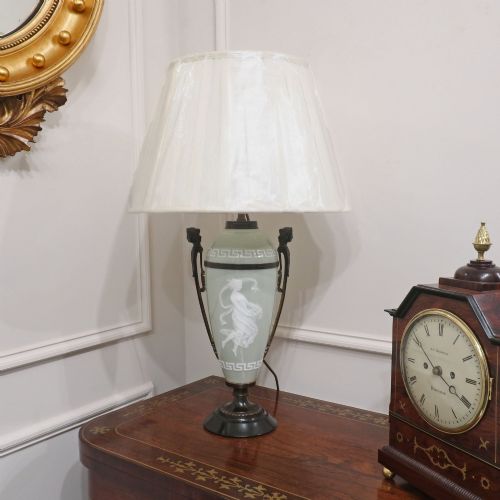
- A ceramic decorating technique where wet white porcelain slip is painted in successive layers onto a coloured clay body to create a low relief cameo effect.
Louis XVI Lighting: Frequently Asked Questions
How do I distinguish eighteenth century pieces from nineteenth century revivals?
Authentic eighteenth century items exhibit the tool marks, hand assembly methods, and wear patterns typical of period foundry work. Nineteenth century revivals often use heavier standard fixings and chemical patination that looks uniform under close inspection.
Examining the mounting screws, backplates, and the method of gilding provides further clues to the actual manufacturing date.
Can these antique wall lights be wired for modern electricity?
Most wall lights and sconces on this page are adapted for contemporary electrical standards while retaining their original sockets and candle tubes. Professional electricians can run internal wiring through the hollow bronze or brass arms without altering the exterior appearance.
Buyers should consult a specialist conservator to ensure the historical wiring channels remain protected during installation.
What is the difference between ormolu and gilded bronze?
Ormolu is a specific historical term for mercury gilding on bronze, practised extensively in France during the neoclassical period. Gilded bronze is a broader description that can also encompass modern electroplating or gold leaf application.
Both finishes provide a golden metallic surface, but historic ormolu displays a distinct soft matte and burnished contrast.
Where should I place a pair of bronze candelabra?
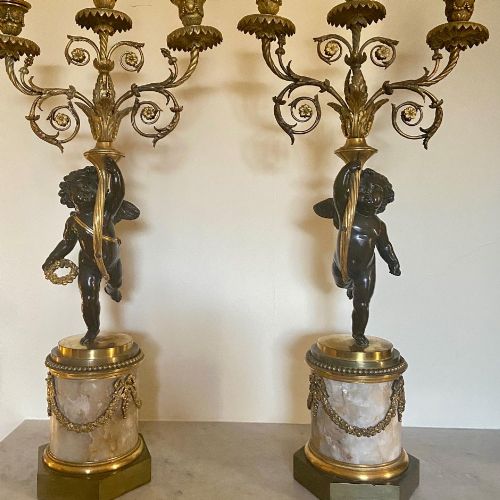
Candelabra look best positioned on mantelpieces, sideboards, or console tables where their vertical form and classical ornamentation can be appreciated from multiple angles. Pairing them with a central mirror or painting creates a balanced neoclassical mantel display.
Ensure the placement avoids direct dampness to protect any incorporated marble or porcelain elements.