
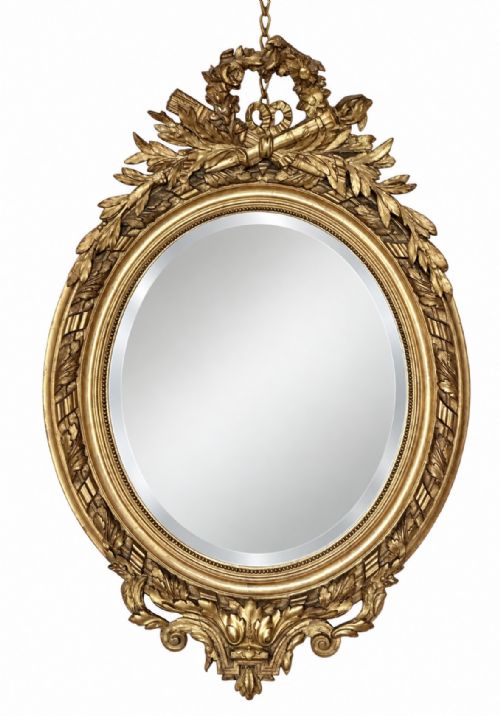
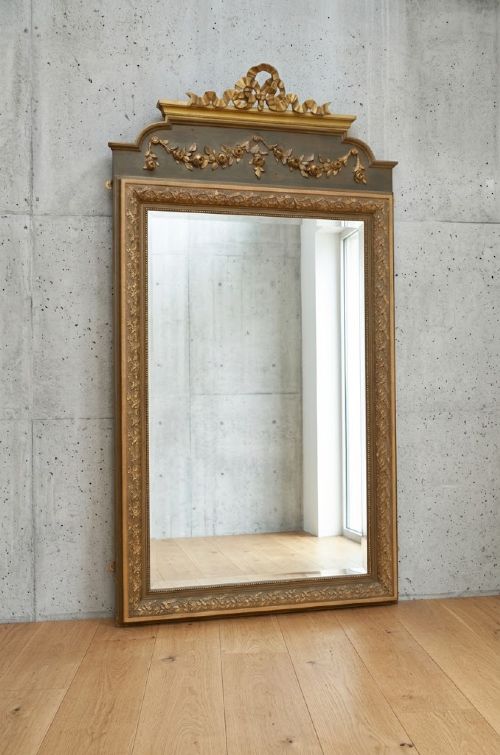
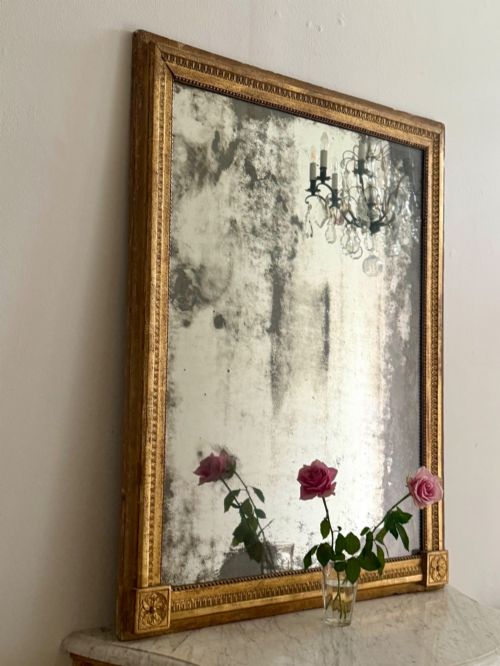
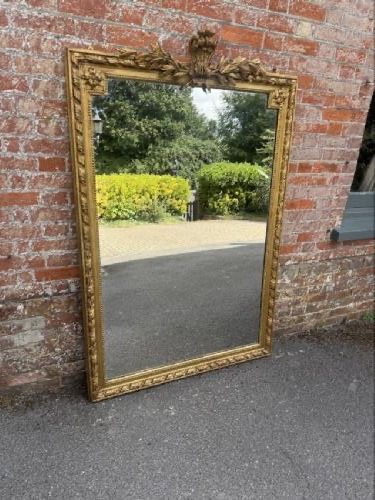
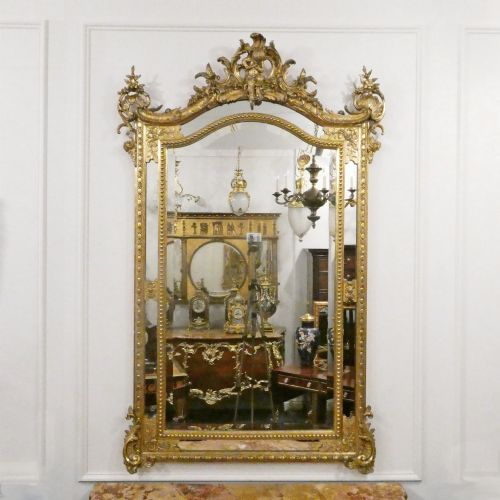
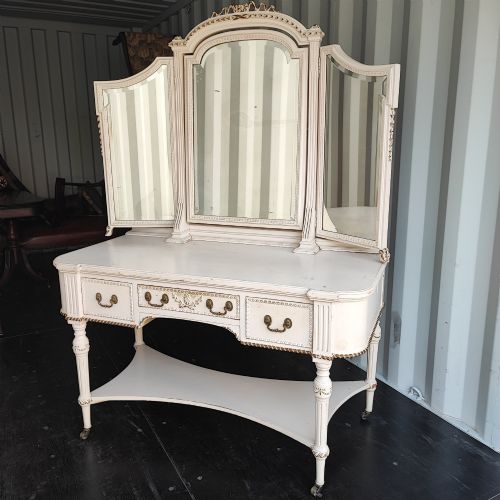
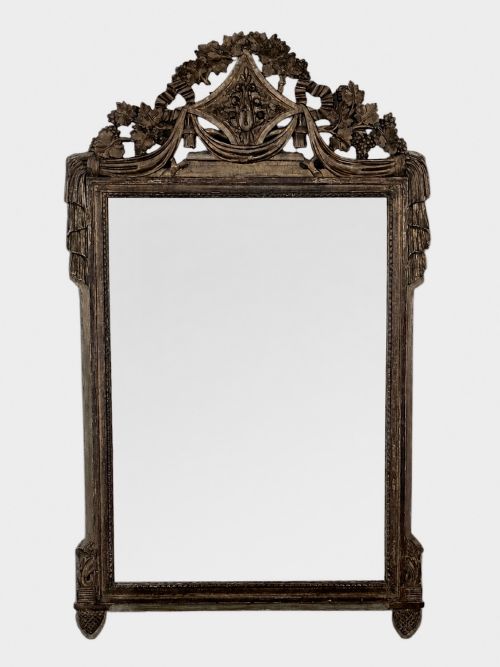
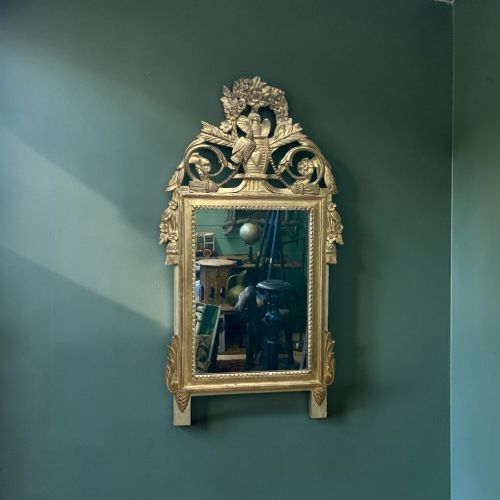
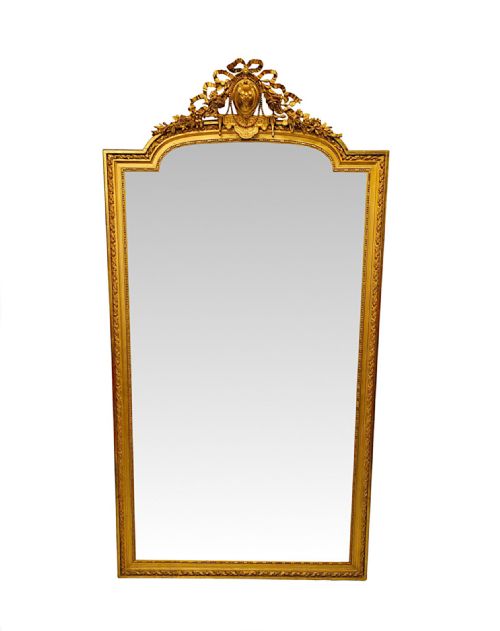

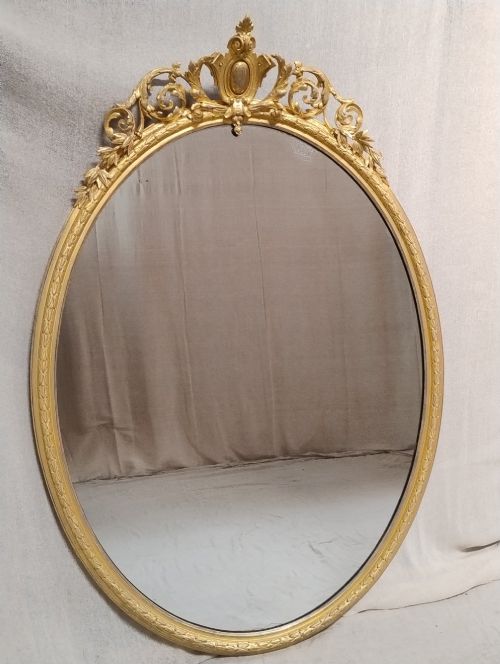
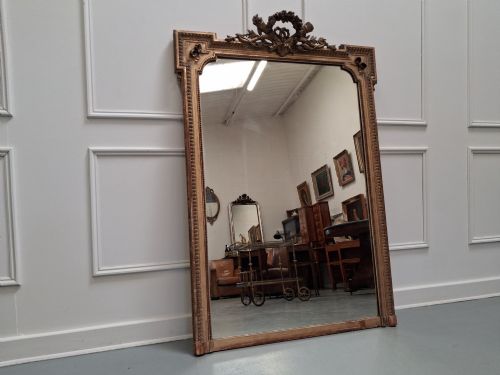
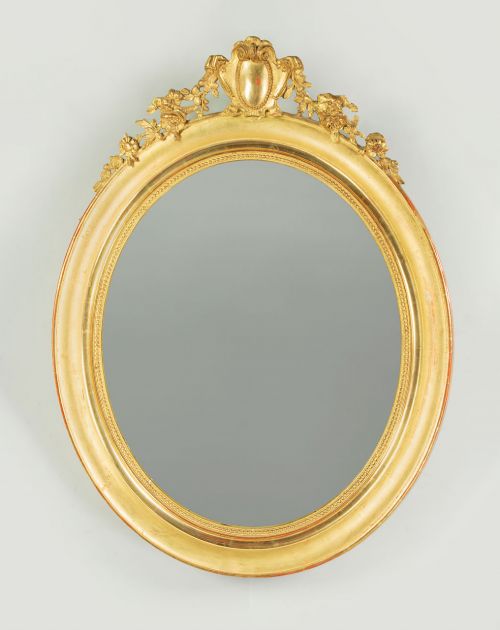

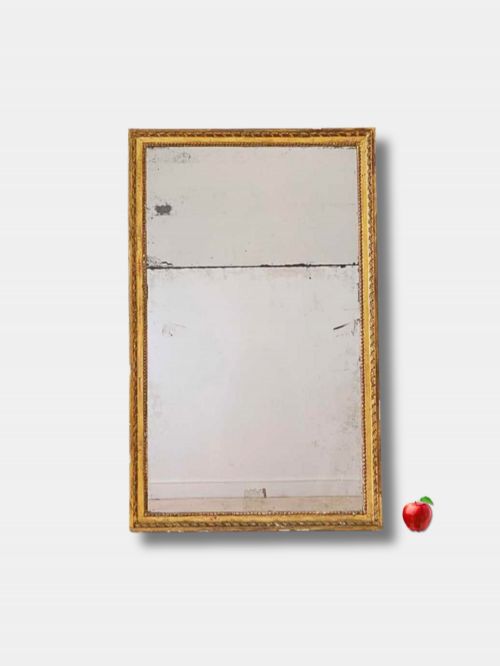
Louis XVI Carved Mirror
These pieces combine classical symmetry and delicate carved detail, offering the timeless elegance collectors seek in a louis xvi carved mirror.
Louis XVI Carved Mirror
A louis xvi carved mirror brings distinct neoclassical proportion and restrained ornamentation into a room, often defined by rectilinear geometry, urn motifs, and ribbon crests.
The selections span authentic eighteenth-century examples alongside nineteenth-century revival interpretations, predominantly taking the form of wall mirrors, pier glasses, and trumeau panels originating from France.
Materials and construction
Carved wooden frames receive layers of gesso before being finished with gold leaf, paint, or composition details to achieve a luminous surface.
Reflective surfaces typically consist of traditional mercury glass or early bevelled plates, which display characteristic foxing and age spots over time.
Assessing craftsmanship
Depth and crispness in the wood carving distinguish superior examples from softer, mass-produced nineteenth-century revival pieces.
The integrity of the original gilding and the preservation of authentic silvered glass plates significantly influence the character and historical weight of the object.
Maples of London and Paris
The Louis XVI Carved Mirror Glossary
- Giltwood
- Wood coated with a thin layer of gold leaf applied over a prepared gesso ground. This finish develops a warm, muted lustre as it ages.
- Mercury glass
- A double-walled glass blown object or flat plate poured with a liquid mercury amalgam to create reflectivity. It produces a mottled, dark backing known as foxing.
- Trumeau
- A decorative wall mirror combined with an oil painting or carved wooden panel above the glass. These were designed to fit neatly between windows or over mantelpieces.
- Gesso
- A plaster mixture applied to wood frames to provide a smooth, resilient base for gilding and fine carving. It allows artisans to shape sharp decorative reliefs.
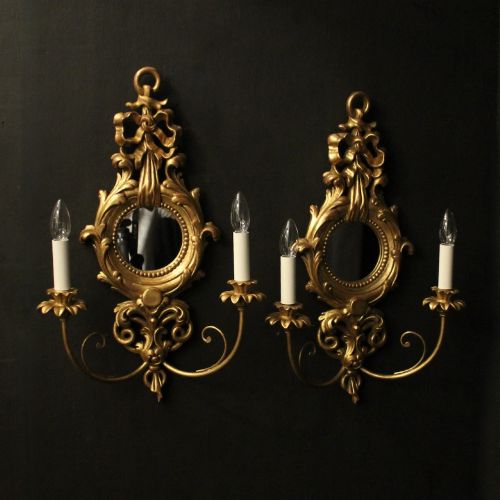
- Girandole
- A wall-mounted mirror equipped with attached candle sconces. The polished glass and gilt surfaces amplify the candlelight within the room.
Louis XVI Carved Mirror: Frequently Asked Questions
How do I date a louis xvi carved mirror?
Examination of the timber, the construction of the backboards, and the composition of the glass plate usually reveals the period of manufacture. Eighteenth-century pieces display hand-carved elements and mercury glass, whereas later revivals often utilise machine-sawn timber and different backing techniques.
Familiarity with historical French design traits helps separate original eighteenth-century items from nineteenth-century revival pieces produced during the Victorian era.
Where should I hang a trumeau mirror?
These panels suit placement above a fireplace mantel or between tall windows to reflect natural light across the room. Their vertical proportions elongate wall space effectively.
Ensure adequate wall fixings support the weight of the timber frame and glass plate, particularly for larger nineteenth-century examples.
What causes dark spots on antique mirror glass?
The oxidation of the backing material over decades creates characteristic spots and fading known as foxing. This chemical process occurs naturally as air penetrates the protective layers behind the glass.
Rather than a defect, original foxing confirms the genuine age of mercury plates and adds historic character to the piece.
How do I clean a giltwood frame?
Dust the carved surfaces gently with a soft dry brush to remove accumulated particles without disturbing the delicate gold leaf or gesso. Avoid water and chemical solvents entirely.
Moisture can damage both the historic finish and the underlying wood, so conservative dry maintenance preserves the surface best.