



Louis XVI Canape
A louis xvi canape brings classic French symmetry and carved elegance to a room, offering an enduring seating choice for traditional interiors.
Louis XVI Canape
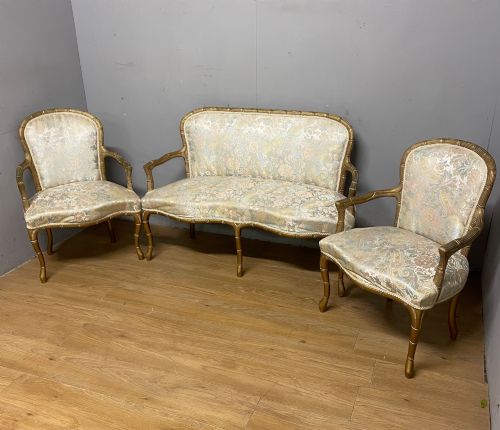
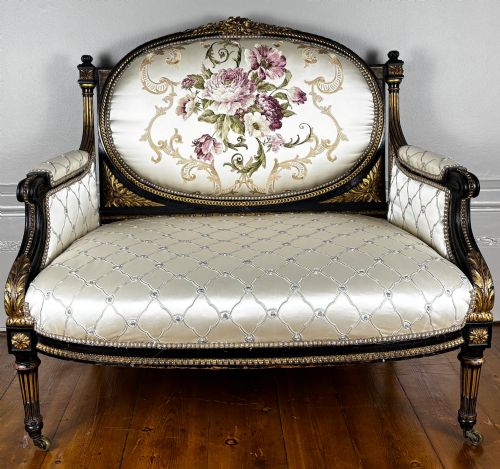
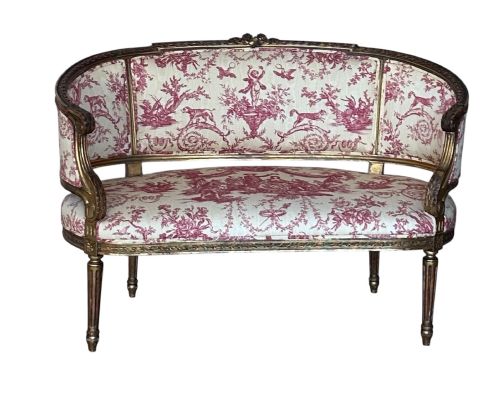
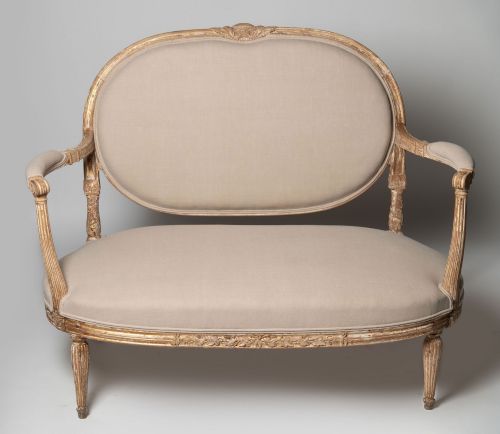
A louis xvi canape is a distinct type of French upholstered settee or sofa rooted in the neoclassical design vocabulary of the late eighteenth century. The pieces appearing here span the nineteenth and twentieth centuries, including Edwardian interpretations alongside items from the eighteen-eighties, nineteen-hundreds, and nineteen-ten.
Forms include two-seat sofas and larger settees, often described simply as French couches or settees. Most examples on record adhere to the Louis XVI style and revival aesthetics, featuring the straight lines and balanced proportions characteristic of the period.
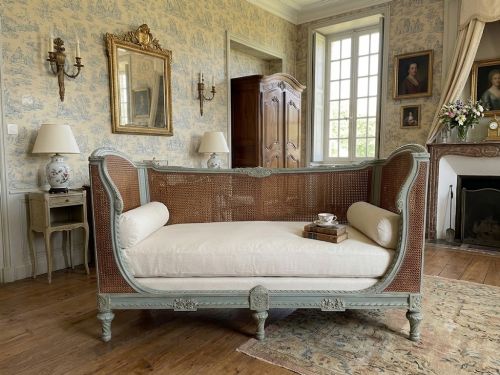
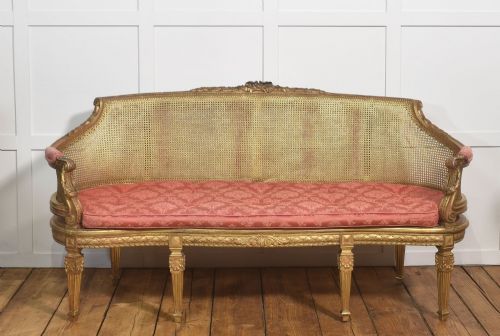
Origins are consistently French, manifested through traditional framing shapes and decorative motifs. Buyers encounter both gilded finishes and painted surfaces, alongside structured cane panels in specific variations.
How they were made
Frames are constructed from solid timbers including beech and walnut, providing a sturdy skeletal structure for intricate hand-carved detailing. Carvers apply foliate motifs directly into the wood before finishing the surfaces.
Visible woodwork receives either a layer of paint or a coat of gilding to create a polished or antiqued appearance. Caning is woven tightly into designated frame sections on specific cane-backed or seated variations.
Upholstery relies on traditional textiles such as linen, silk damask, and standard damask fabric. These soft furnishings are secured to the frame to complete the seating area of the sofa.
Louis XVI Canape Retail Price Guide 2026
Typical asking prices for louis xvi canape among the pieces listed under this phrase on Sellingantiques today, from the lower quarter to the upper quarter. They describe what is for sale here now, not the wider market.
Listings feature items from the nineteenth and early twentieth centuries, including pieces dated to eighteen-eighty, nineteen-hundred, and nineteen-ten.
What varies in quality
The refinement of the hand-carved woodwork separates standard production from superior pieces, particularly in the crispness of foliate details and structural joints. Carving depth and precision demonstrate the hand of a skilled maker.
The choice of original surface finish defines the visual weight of the settee, with genuine period gilding or intact original paint holding greater historical integrity than later interventions.

The Louis XVI Canape Glossary
- Canape
- An upholstered French settee or sofa featuring a decorative wooden frame. This form provides seating for two or more people.
- Giltwood
- Timber treated with a thin layer of gold leaf or metallic gilt. This finish creates a reflective, decorative surface across the carved frame.
- Damask
- A reversible figured fabric traditionally woven on a jacquard loom. Silk or standard damask provides rich texture for the upholstery.
- Foliate
- Ornamentation incorporating leaf motifs and botanical patterns. Carvers apply these designs along the crest rails and frame borders.
Louis XVI Canape: Frequently Asked Questions
Where do people place a canape?
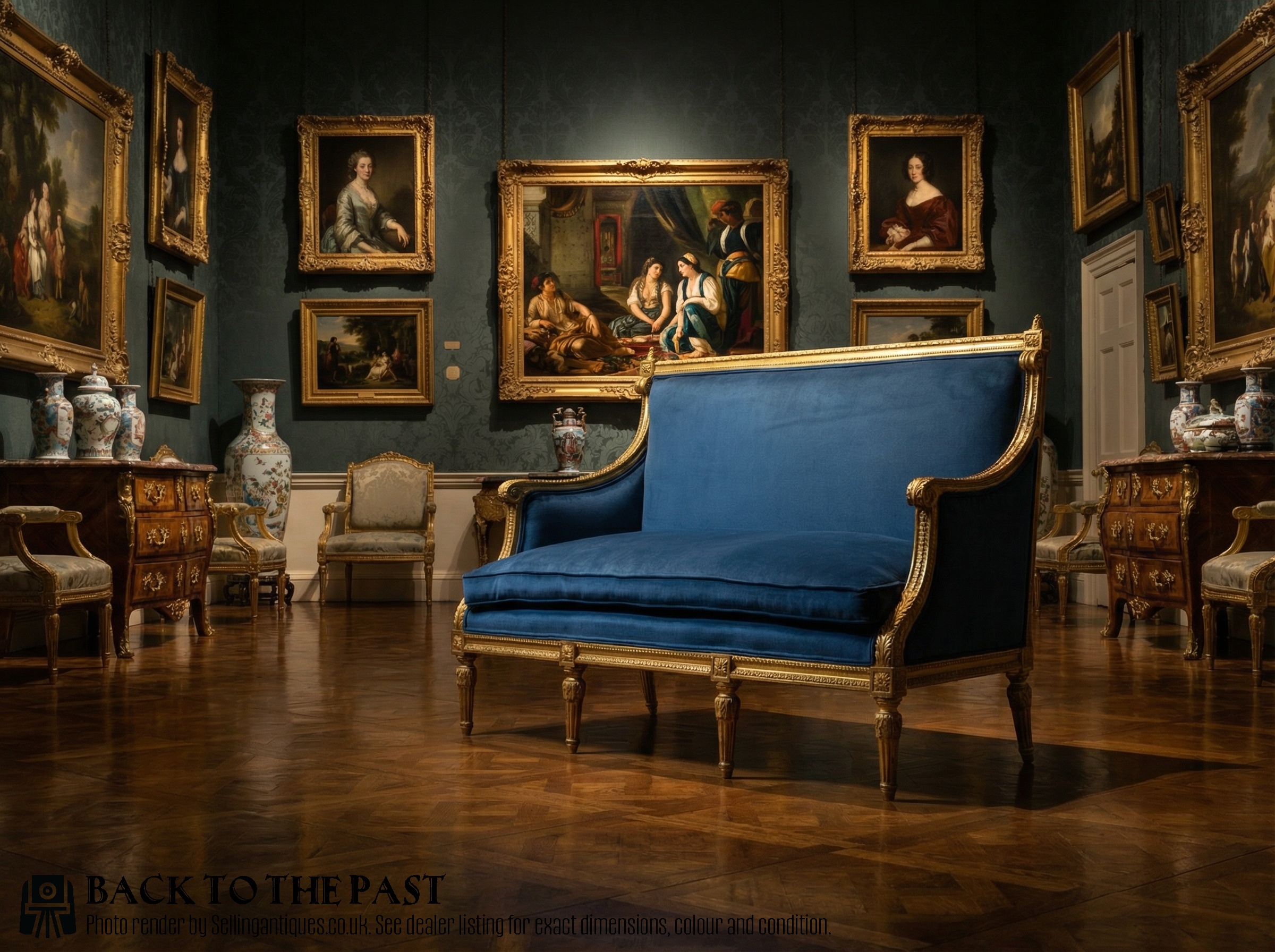
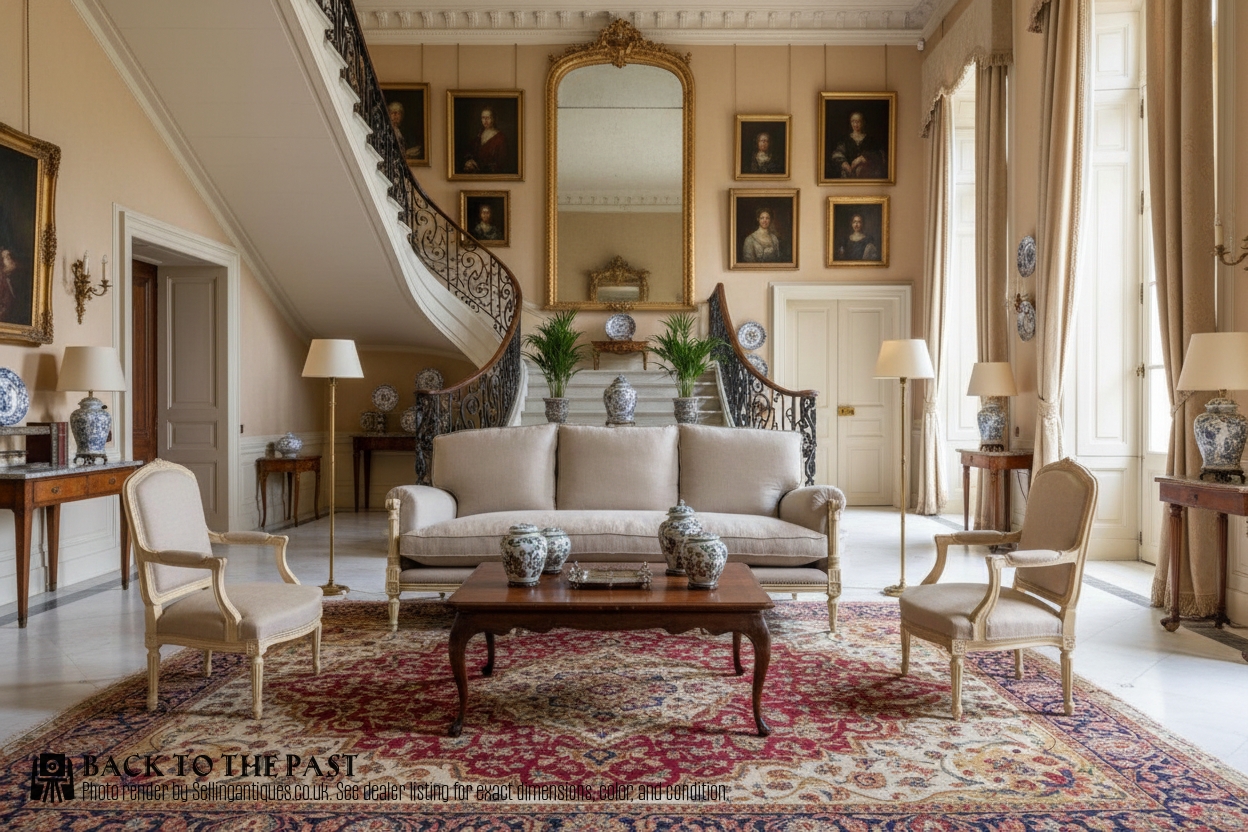
A canape fits well in drawing rooms, formal living spaces, or grand hallways as a statement seating piece. Its decorative carved frame allows it to sit away from walls as a freestanding element.
Pairs of chairs or complementary French furniture often accompany the settee to create a cohesive seating arrangement within traditional interiors.
How do I care for giltwood furniture?
Giltwood requires gentle dusting with a soft, dry cloth to protect the delicate gold leaf application. Avoid liquid cleaners and harsh chemicals that can strip or dull the historic surface.
Keep the piece away from direct sunlight and moisture to prevent the underlying timber from warping and the finish from degrading.
What is the difference between a settee and a sofa?
In historical contexts, terms like settee and sofa often overlap when describing antique French seating. A canape generally refers to an upholstered settee with an exposed decorative wooden frame.
Scale and seat capacity vary, but the defining characteristic remains the architectural French framing rather than the specific title used in a listing.
How do I identify the Louis XVI style?
Louis XVI style pieces transition away from curved rococo lines toward straight, neoclassical geometry. Look for fluted legs, symmetrical frames, and restrained classical carvings.
Structural rigour and architectural proportion distinguish these items from earlier eighteenth-century designs.