
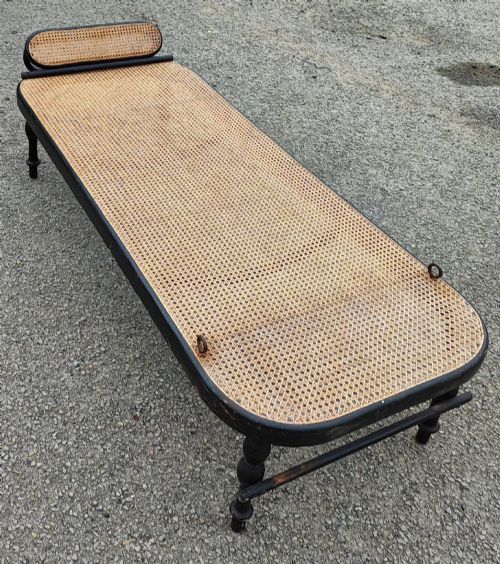
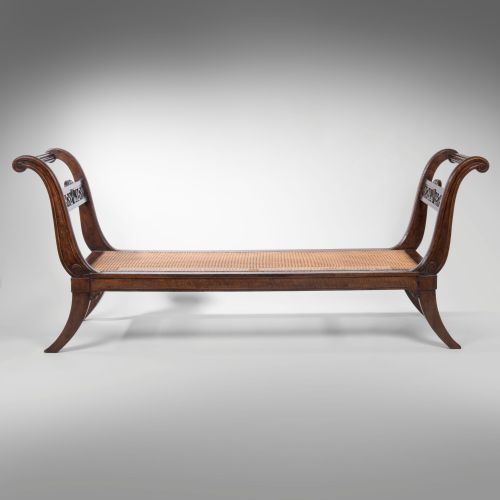
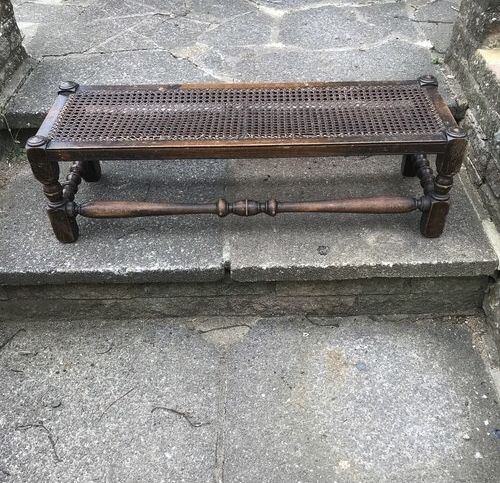


Antique Caned Bench
An antique caned bench offers woven botanical charm and sturdy timber framing, making it a versatile seat for hallways or bedrooms.
Antique Caned Bench
An antique caned bench combines a sturdy timber frame with a woven cane seating panel or backrest. The pieces on this page span several centuries, including items from the eighteenth, nineteenth, and early twentieth centuries.
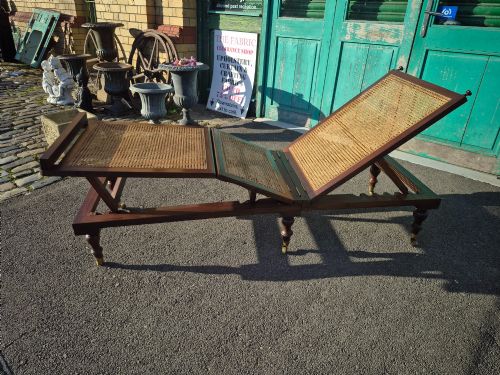
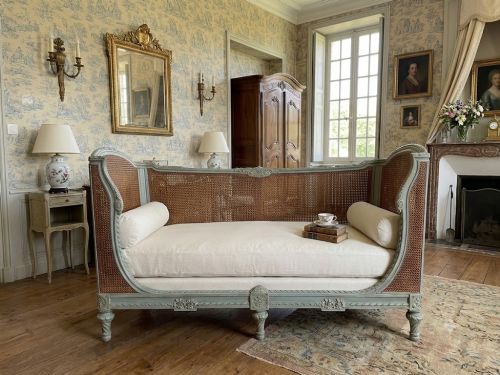
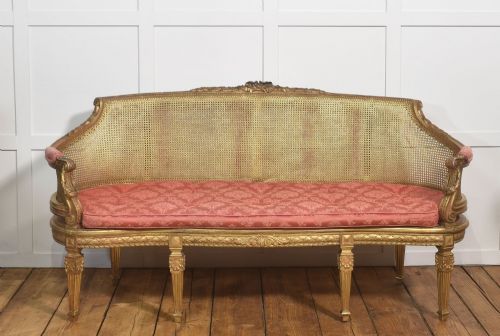
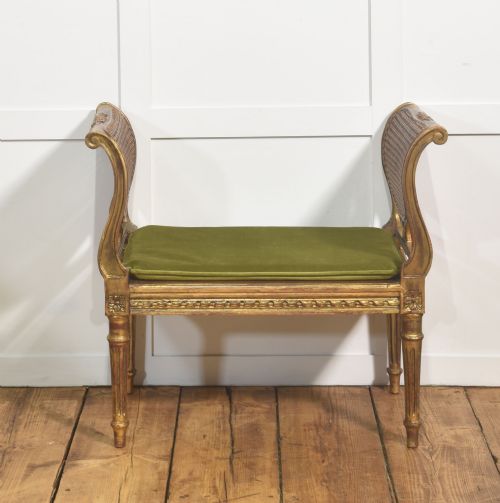
Buyers will encounter various forms under this heading, ranging from long daybeds and window seats to low stools and carved settees. Many examples lean towards French Louis styles, Anglo-Indian craftsmanship, or Victorian designs.
Origins vary widely across Europe and global trade routes, yielding items shaped by regional tastes such as the Swedish Gustavian aesthetic or campaign styles. These diverse origins ensure that each piece brings a distinct architectural character to a room.
How they were made
Craftsmen shaped these frames using hardwoods like mahogany, walnut, oak, and beech, alongside decorative finishes such as giltwood, painted wood, and ebonisation. These timbers provided the structural rigidity needed to support woven seating panels.
The characteristic cane surfaces rely on skilled weaving techniques using natural rattan materials threaded through frame drill holes. Artisans supplemented these woven panels with upholstered fabric cushions or carved wooden details to enhance comfort and visual appeal.
Listings feature pieces spanning the eighteenth, nineteenth, and early twentieth centuries, utilising cane alongside mahogany, walnut, giltwood, and painted beech.
What varies in quality
Quality rests upon the crispness of the wood carving and the tightness of the cane weave across the frame. Superior examples display precise joinery in timbers like rosewood and mahogany rather than hasty assembly.
The sophistication of the silhouette and the integrity of original surface treatments, such as period gilding or early paint layers, separate standard seating from exceptional examples. A harmonious balance between the structural timber and the woven panels dictates the overall stature of the bench.
Thonet
The Antique Caned Bench Glossary
- Caning
- A method of weaving rattan or split cane material to form porous, resilient seats and backrests. This technique creates a lightweight yet durable surface.
- Daybed
- A long seating unit designed for reclining, combining the proportions of a chair and a bed. These often feature raised ends and caned panels.
- Giltwood
- Timber treated with a thin layer of gold leaf or gold paint for decorative effect. This finish appears frequently on formal French seating.
- Bergère
- An enclosed upholstered armchair or sofa featuring wooden frames and cane sides. They often include loose seat cushions for added comfort.
- Banquette
- A long upholstered or caned bench without a backrest, suited for placement beneath windows or along walls. They frequently appear in nineteenth-century French designs.
Antique Caned Bench: Frequently Asked Questions
Where should I place a caned bench?
These benches suit narrow hallways, the foot of a bed, or beneath large windows where natural light highlights the woven cane pattern. Their open texture prevents rooms from feeling overcrowded.
They also function well as low seating options in living spaces or dressing rooms when paired with soft cushions.
How do I care for antique cane?
Keep caned panels clean by gently dusting them with a soft brush and maintaining moderate indoor humidity to prevent the natural material from becoming brittle. Avoid placing them near direct heat sources.
Moistening the underside occasionally with a damp cloth helps maintain the flexibility of older rattan fibres.
How do I identify a nineteenth-century piece?
Nineteenth-century examples often display specific stylistic revivals, such as Louis XVI, Gothic, or Anglo-Indian carved details on walnut, mahogany, or beech frames. Construction marks and hand-woven cane patterns provide further clues.
Examining the underside joinery and timber oxidation helps confirm the age of the wooden structure.