




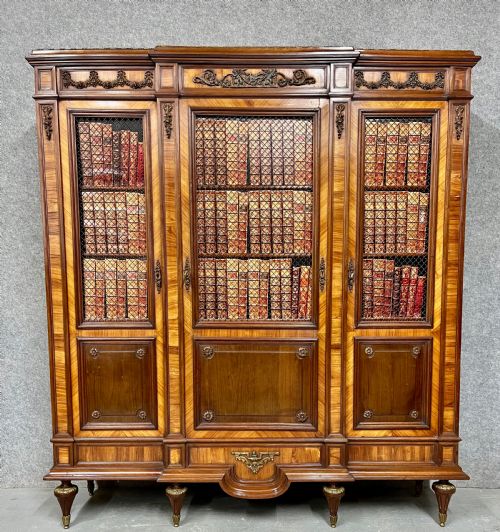

Louis XVI Bookcase
These louis xvi bookcase examples bring classical French symmetry and refined cabinetry into your home.
Louis XVI Bookcase
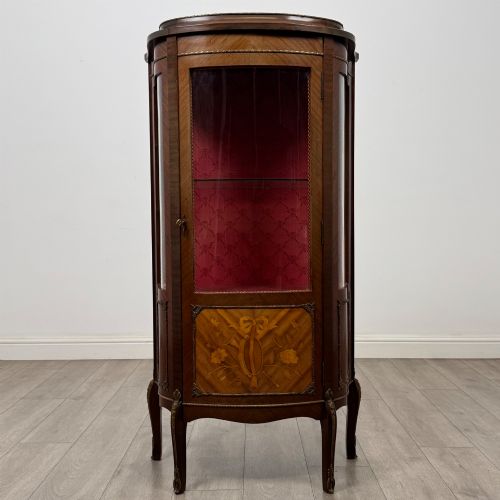
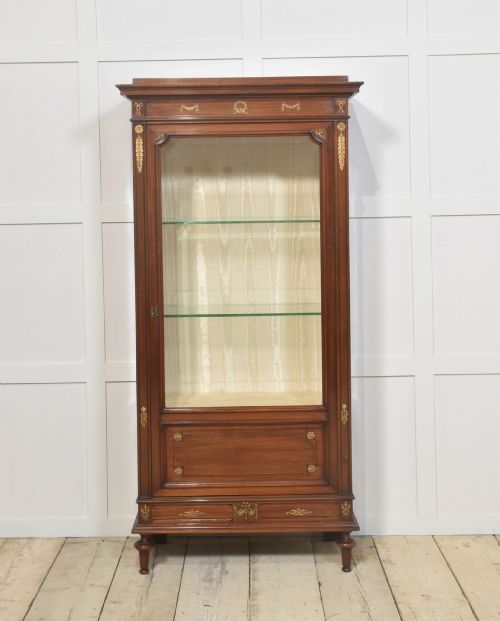
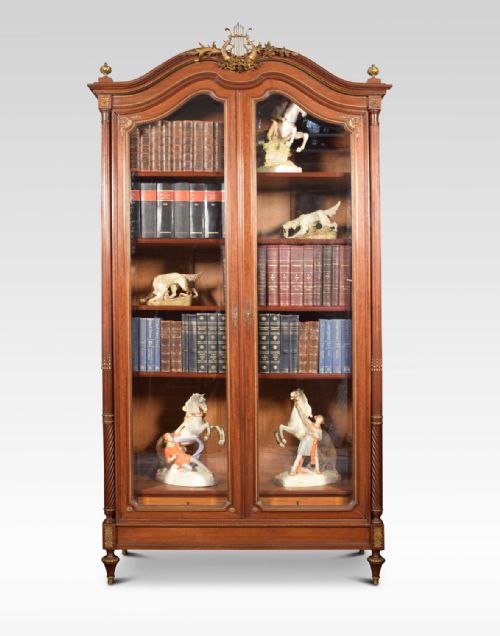
The form encompasses upright display cabinets, vitrines, and pier cabinets that balance glazed upper doors with panelled lower sections or open shelving. These pieces serve equally as functional libraries and architectural focal points within reception rooms.
Makers working in the Louis XVI style adopted strict rectilinear proportions, fluted columns, and restrained geometric mounts rather than the exuberant curves of the preceding Rococo period. The resulting furniture offers a disciplined elegance that suits both period interiors and modern settings.
How they were made
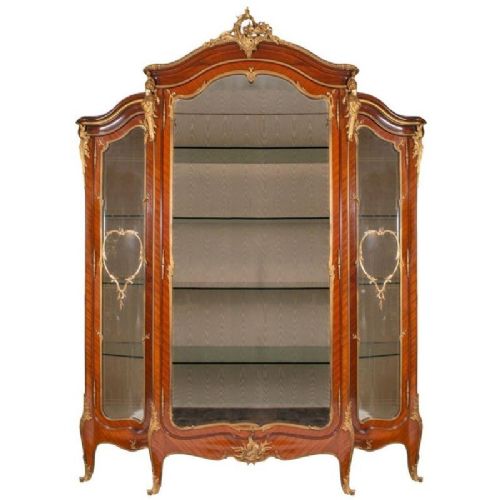
Cabinetmakers utilised dense timbers such as mahogany and walnut for structural integrity, often applying exotic veneers like kingwood and satinwood in geometric marquetry patterns. Gilt bronze and ormolu mounts were cast and hand-chased to highlight structural corners, friezes, and key escutcheons.
Glazing bars were constructed with precise joinery to support large expanses of glass, while interior shelving was frequently adjustable to accommodate varying volumes and display pieces. Marble tops, particularly white or variegated varieties, were fitted to the upper surfaces of commode-height cabinets for durability and luxury.
Some cabinets hide velvet-lined shelves originally chosen to cushion delicate porcelain from the vibrations of passing horse-drawn carriages.
What varies in quality
The distinction between standard production and masterwork furniture lies in the crispness of the bronze or ormolu mounts and the depth of the cabinetmaker's hand-chasing. Premier workshops employed heavy fire-gilt bronze rather than light brass plating, ensuring the metalwork retains a deep, warm lustre over generations.
Timber selection and veneer matching dictate the visual harmony of the piece, with superior examples exhibiting continuous grain patterns across doors and drawer fronts. Interior finishing, secondary woods used for drawer linings, and the weight of the original locks and hinges all reflect the original workshop's standing.
Paul Sormani·Linke·Maison Krieger
The Louis XVI Bookcase Glossary
- Ormolu
- Gilded bronze used for decorative mounts and hardware on fine furniture. The technique involves applying a mercury and gold amalgam to cast bronze before firing.
- Vitrine
- A glass-fronted cabinet designed specifically for the display of porcelain, silver, and curiosities. These pieces often feature glass side panels to maximise interior illumination.
- Marquetry
- The art of applying small pieces of veneer to a structure to form decorative patterns and pictures. Craftsmen selected contrasting timbers like tulipwood and kingwood to create shading and perspective.
- Breakfront
- A cabinet design where the central section projects forward from the flanking wings. This architectural arrangement creates shadow lines and breaks up the flat facade.
- Pier cabinet
- A narrow cabinet designed to stand against the wall space between windows. These pieces often incorporate mirrored backs and glass shelves to reflect light.
Louis XVI Bookcase: Frequently Asked Questions
How do I date a Louis XVI bookcase?
Examine the secondary woods inside the drawers and the construction methods of the carcase, as nineteenth-century revival pieces often display machine-sawn timber marks alongside hand-cut dovetails. The style itself refers to an eighteenth-century French aesthetic, but the vast majority of available examples date from the Victorian and Edwardian periods.
Hardware such as screws, locks, and hinges also provide reliable dating clues. Hand-threaded screws and heavy cast-brass locks point securely to nineteenth-century workshop production.
Can these cabinets hold heavy books?
Most pieces feature sturdy timber shelving designed to support standard library collections, though glazed vitrines were primarily intended for lighter display items rather than dense folios. It is sensible to check the thickness of the shelves and their supporting brackets before loading heavy volumes.
Adjustable wooden or glass shelves offer flexibility for mixed collections of books and decorative objects. Ensure the carcase remains level on the floor to prevent doors and internal shelves from binding.
Where should I place a vitrine cabinet?
Position your cabinet away from direct sunlight to protect antique wood finishes and interior fabrics from fading. Rooms with stable humidity levels preserve the timber veneers and prevent the shrinkage that can affect glazed doors.
Allow sufficient clearance for doors to open fully, particularly on breakfront or dual-door models. Placing the cabinet against a prominent wall allows the architectural mounts and proportions to command the space.