



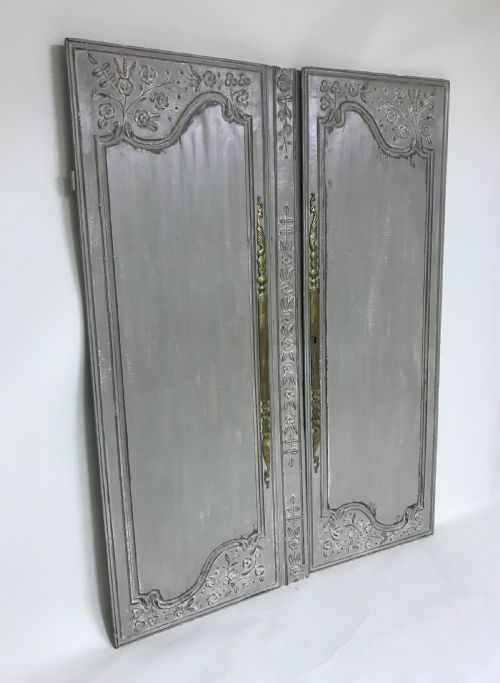
Louis XV Style Armoire
A louis xv style armoire brings organic curves and grand scale to a room, offering generous storage disguised as sculpture.
Defining the louis xv style armoire
A louis xv style armoire is a large freestanding wardrobe or storage cabinet embodying the asymmetric curves and naturalistic motifs of the rococo movement. You will frequently encounter nineteenth century interpretations alongside authentic eighteenth century examples.
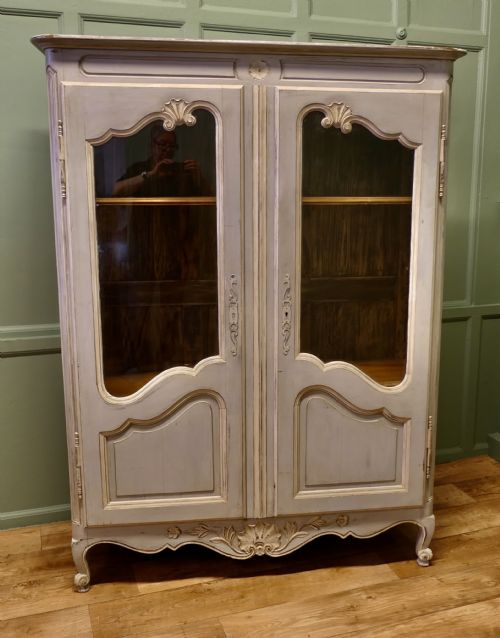
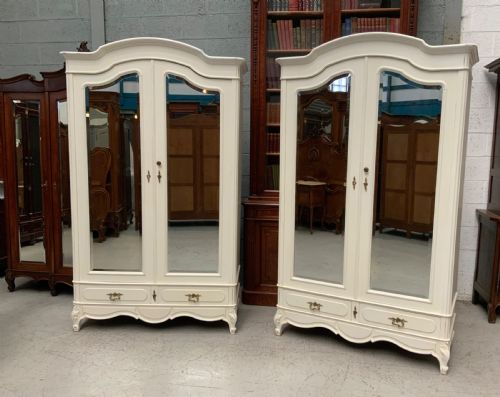
The form appears in single, double, and triple door configurations, sometimes incorporating mirrored glass panels or glass doors to function as a vitrine or bookcase. Many pieces emerge from regional French traditions such as provincial workshops or chateau furnishings.
Makers constructed these cabinets for primary bedroom storage, often pairing them with matching beds and bedside tables to form complete bedroom suites. Walnut, oak, and painted finishes dominate the domestic record.
Materials and construction methods
Cabinet makers utilised solid timbers such as walnut, oak, mahogany, and rosewood, frequently applying intricate marquetry patterns or decorative paint over the primary wood. Burr walnut and various exotic veneers add rich visual texture to the primary facades.
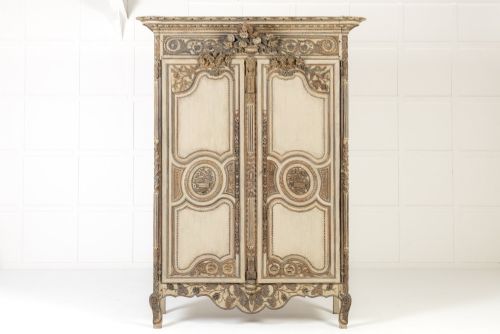
Mounts and handles fashioned from cast brass and ormolu accentuate the structural contours of the doors and pediments. Carved wooden ornamentation employs floral and scroll motifs integral to the framework rather than applied as separate trim.
Retail Price Guide 2026
Typical UK retail prices for louis xv style armoire, calculated from the Sellingantiques database of over a million retail prices indexed since 2003. This retail price guide relies exclusively on Sellingantiques data; no external sources or auction records are used, so the figures do not describe the wider market.
Listings feature pieces spanning the eighteenth century through to early twentieth century revivals, utilising walnut, oak, rosewood, and paint.
Distinguishing quality across examples
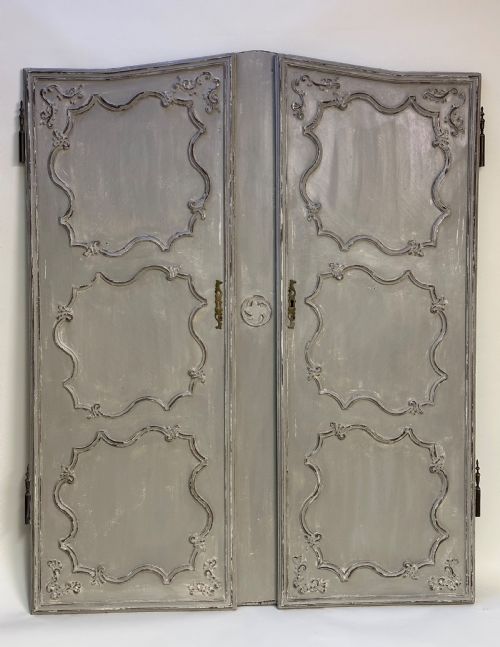
The refinement of the hand carving dictates the visual success of the piece, separating flat mechanical decoration from deeply sculpted organic relief. Superior cabinets display fluid transitions in the wood grain around asymmetric panel mouldings.
The weight and chasing of the ormolu mounts indicate the workshop standard, where crisp metalwork sits flush against the timber body. Heavier timber construction and well-fitted original hardware distinguish substantial furniture from lighter regional builds.
The Louis XV Style Armoire Glossary
- Ormolu
- Gilded bronze mounts applied to furniture to highlight architectural corners and lock escutcheons. This technique requires mercury gilding or modern electroplating over cast bronze.
- Marquetry
- Decorative patterns created by fitting thin pieces of wood veneer onto a structural carcase. Makers used contrasting timbers to form complex floral or geometric scenes.
- Vitrine
- A glass fronted display cabinet designed for porcelain and curiosities. Some large armoires incorporate glass doors in this manner.
- Bonnetiere
- A tall narrow single door cupboard originally intended for storing hats and linen. These share stylistic traits with smaller armoires.
- Escutcheon
- A protective metal plate surrounding a keyhole. On these cabinets, they often take elaborate rococo scroll forms matching the handle mounts.
Frequently Asked Questions
What is a louis xv style armoire?
A louis xv style armoire is a tall freestanding wardrobe defined by curved lines, asymmetrical panel work, and organic carved decorations. These grand cabinets provide substantial interior storage while serving as the focal point of a bedroom.
Most surviving examples date from the nineteenth century revival periods, though genuine eighteenth century pieces occasionally appear. They reflect French rococo aesthetics adapted for domestic use across various European regions.
How do I identify the wood types?
Examining the grain patterns on the unpainted panels reveals whether the cabinet uses solid timber or decorative veneers. Walnut, oak, mahogany, and rosewood are the primary woods recorded in these pieces.
Lighter painted finishes often conceal pine or oak carcasses beneath layers of historic or distressed pigment. Burr walnut and marquetry work utilise sliced veneer over stable secondary woods to achieve intricate surface designs.
Are these armoires easy to move?
Most large armoires feature heavy timber construction and substantial doors, requiring careful dismantling if the frame is pegged rather than fully fixed. Professional removal ensures the structural joints and glass panels remain secure.
Single door models and narrower bonnetieres offer easier transport than massive triple door wardrobes or mirrored bedroom suite components.
How do I style an armoire today?
An antique armoire functions effectively as a primary wardrobe in a bedroom or as a linen press in a hallway. Its imposing scale anchors minimalist modern interiors by introducing warmth and historic texture.
The internal shelving can be adjusted for modern storage needs, while glass fronted vitrine versions work well for displaying books or collections in living spaces.