
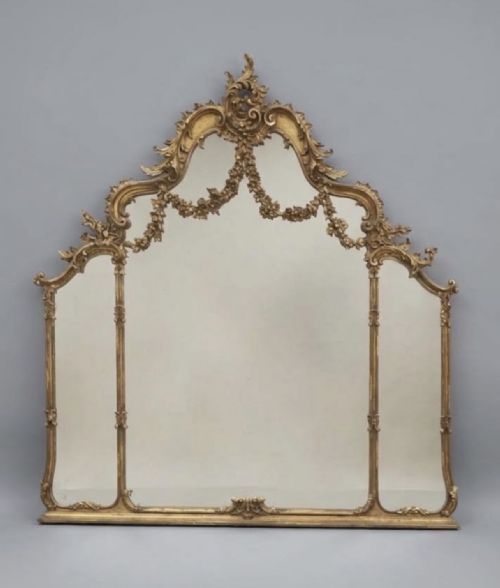
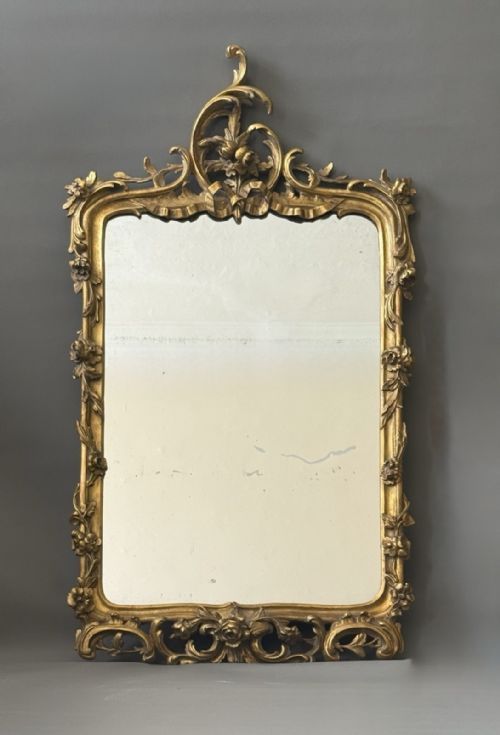
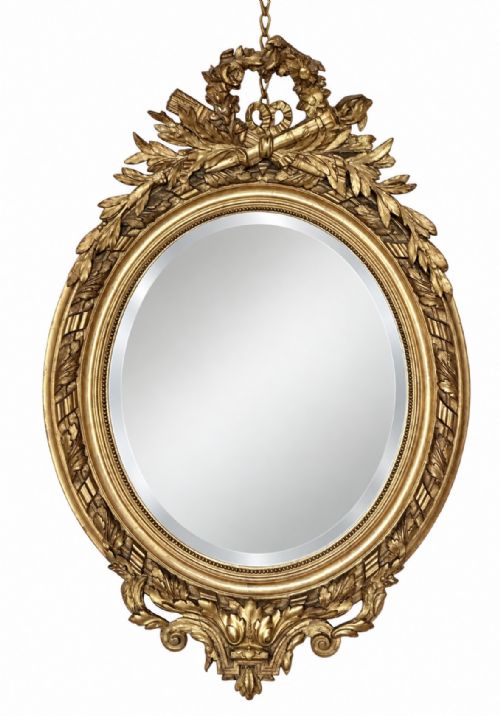
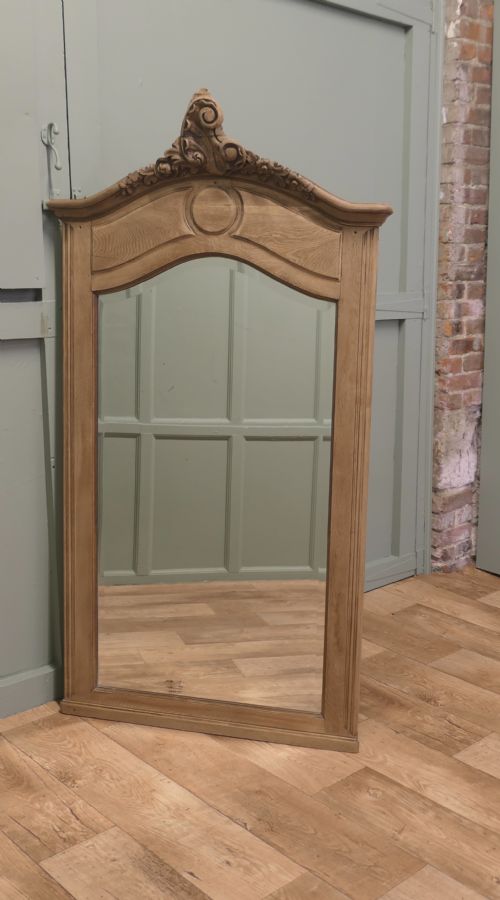
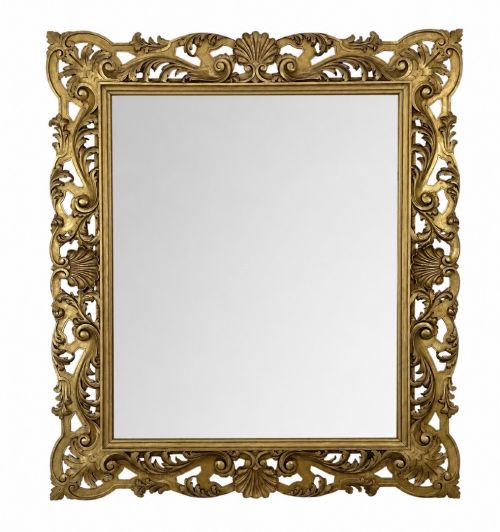
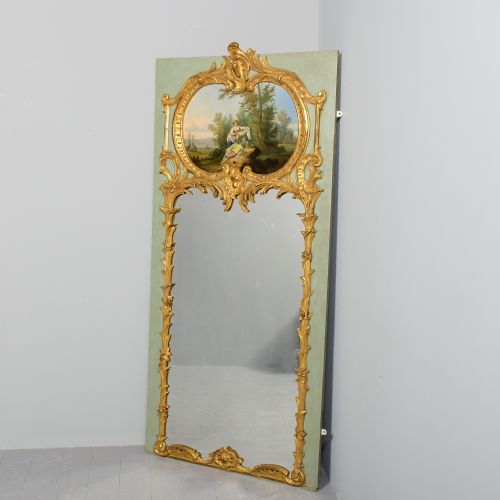
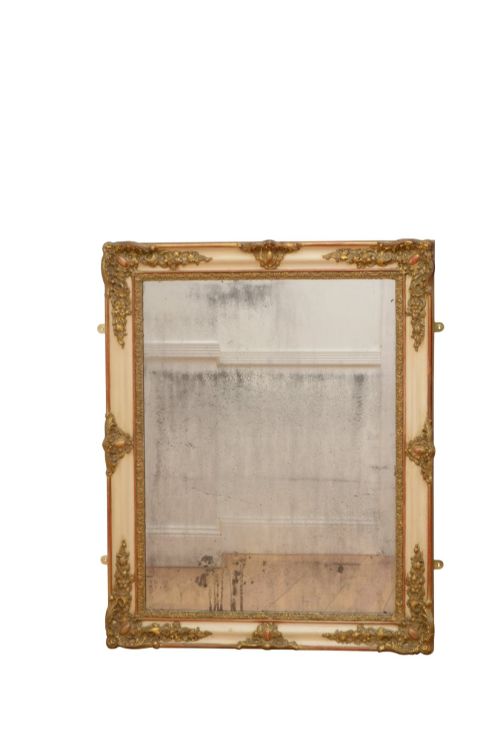
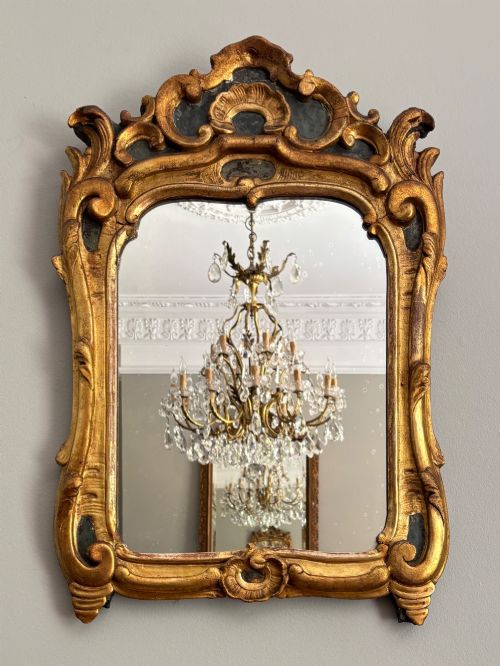
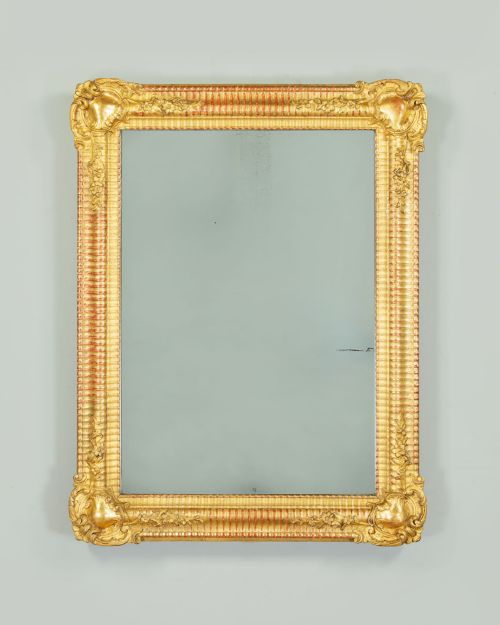
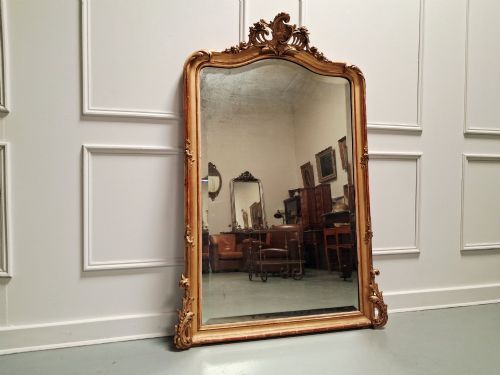
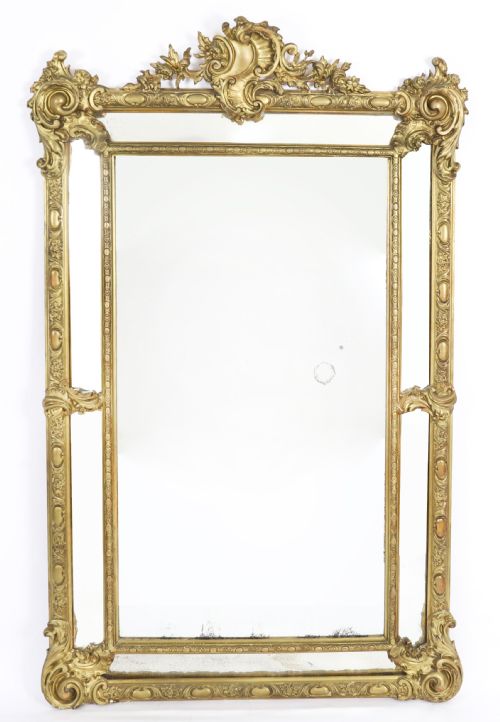

Louis XV Overmantel Mirror
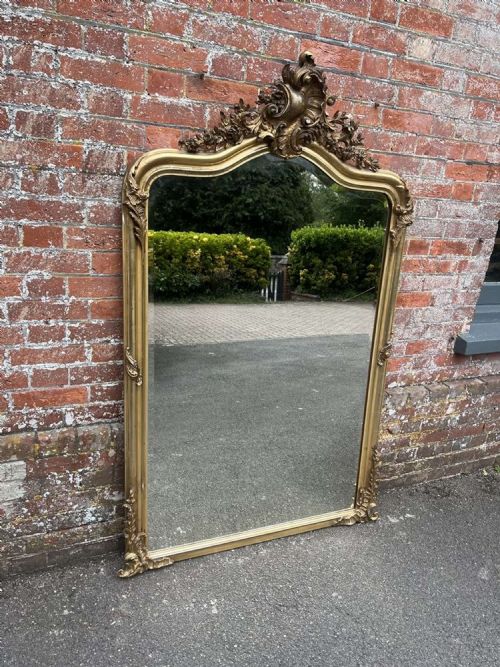
A louis xv overmantel mirror brings fluid Rococo curves and grand proportion to a room, functioning as a striking focal point above a fireplace.
Louis XV Overmantel Mirror
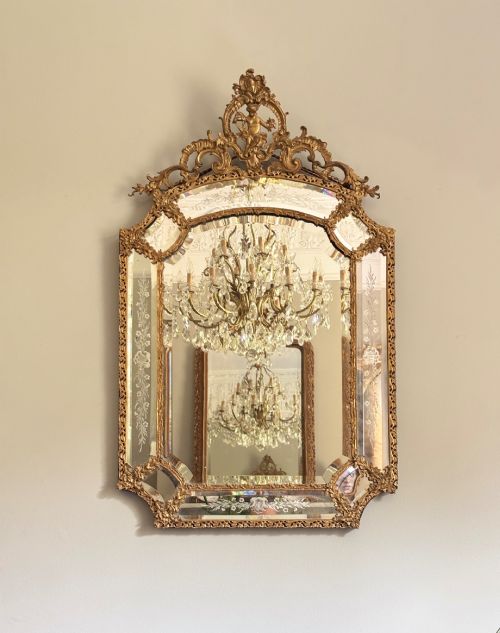
When you search for a louis xv overmantel mirror, you encounter elaborate wall furnishings designed specifically to sit above a mantelpiece or console table. These pieces emerge in various forms, from authentic eighteenth-century originals to nineteenth-century revival interpretations.
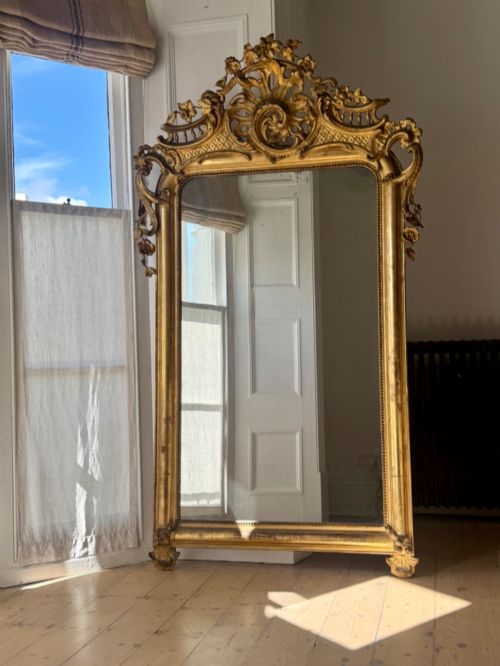
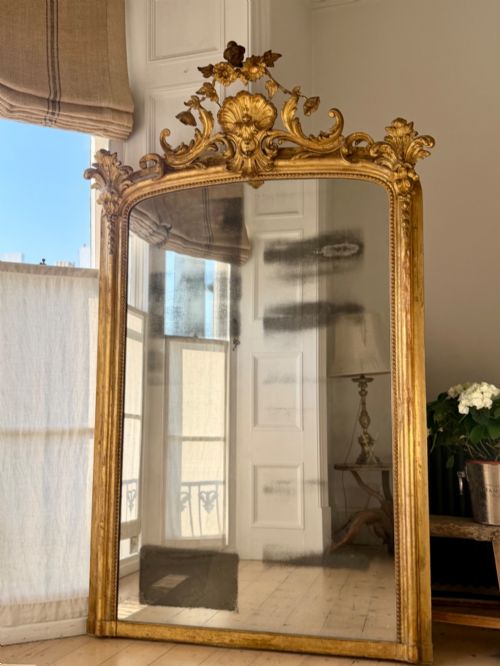
The objects seen here span the eighteenth, nineteenth and early twentieth centuries, showcasing distinct regional iterations of French design. Most examples adopt the characteristic cartouche shape, asymmetric scrolling, and organic motifs native to the Rococo movement.
The selection ranges from grand giltwood overmantels with expansive glass plates to painted trumeau mirrors incorporating integrated panels. These variations provide decorators with multiple scales and finishes suited to diverse interior schemes.
Materials and Construction
The primary structural material in these frames is wood, frequently overlaid with gesso to receive intricate, deep-relief carving. Artisans then applied gold leaf, liquid gilding, or paint to achieve the desired metallic lustre or aged surface.
Mirrors from the earlier periods commonly utilise mercury glass, which produces a characteristic dark, mottled reflection often described as foxed. Later examples frequently incorporate bevelled glass plates set securely within the timber rebate.
Assessing Craftsmanship and Age
The standard of a louis xv overmantel mirror depends heavily on the depth and crispness of the hand-carved ornament within the wood and gesso. Superior pieces display fluid, naturalistic asymmetrical scrolls without the rigid symmetry typical of mass-produced revival copies.
The integrity of the original gilding and the condition of the antique glass plate significantly influence the character of the object. Hand-applied gold leaf ages with a soft, warm patina that chemical paints fail to replicate.
The Louis XV Overmantel Mirror Glossary
- Overmantel mirror
- A large wall mirror specifically designed to hang horizontally above a fireplace mantelpiece. They often share the exact width of the chimney breast below them.
- Trumeau mirror
- A decorative wall mirror featuring an integrated painted or carved wooden panel above the glass plate. These frequently served as permanent architectural fixtures within French salons.
- Gesso
- A plaster-based mixture applied to wood frames to create a smooth surface for carving and gilding. Skilled artisans shaped fine details directly into this compound.
- Mercury glass
- A double-walled blown glass type containing a silvering mixture inserted between the layers. It creates a distinctive, deep reflective quality prone to atmospheric foxing.
- Giltwood
- Timber coated with gold leaf over a prepared ground layer. It offers a warm, durable finish characteristic of high-status antique frames.
- Rococo
- An ornate artistic style originating in France characterised by shellwork, C-scrolls, and asymmetrical plant motifs. This aesthetic dictates the characteristic outline of these mirrors.
Louis XV Overmantel Mirror: Frequently Asked Questions
How do I hang a heavy overmantel mirror?
These substantial frames require heavy-duty wall fixings anchored directly into masonry or secure timber studs. Professional installers utilise a French cleat system to distribute the immense weight evenly.
Ensuring the mirror rests securely on the mantel shelf itself also relieves tension from the hanging brackets. This dual support method protects both the antique frame and the surrounding wall structure.
What is foxed glass?
Foxed glass refers to the dark spots and mottled patches that develop on antique mirror plates over decades. This oxidation occurs when atmospheric moisture degrades the silver backing.
Many collectors prize this natural ageing process because it confirms the genuine age of the glass. It yields a softer reflection without the stark clarity of modern mirrors.
Can I place a mirror above an active fireplace?
Hanging a mirror directly above a working fire exposes the antique wood and gilt surface to rising heat and soot. Over time, fluctuating temperatures can cause the gesso and gold leaf to crack or flake.
If the fireplace is used regularly, keeping a protective screen in place helps mitigate rising heat. Alternatively, positioning the piece above an unlit hearth or console table avoids thermal damage entirely.