



Louis XV Oak Cupboard
A louis xv oak cupboard brings architectural presence and provincial utility into a room through generous proportions and robust timber construction.
Louis XV Oak Cupboard
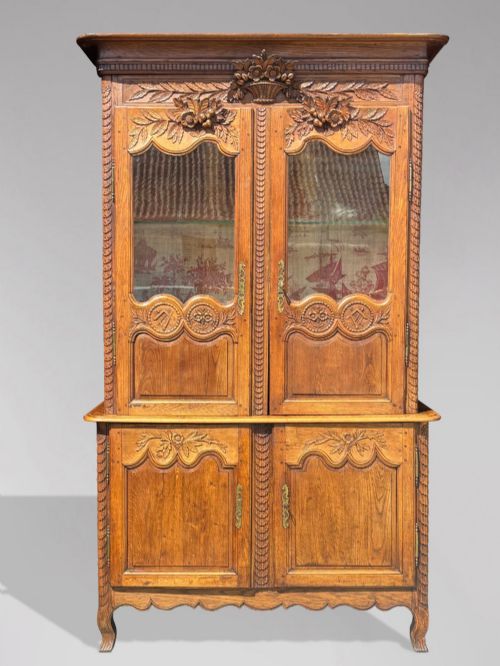
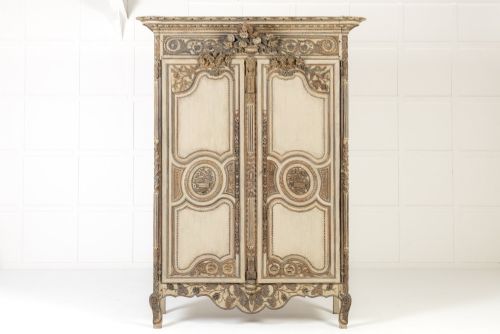
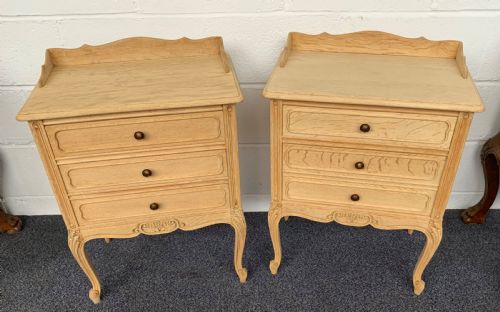
A louis xv oak cupboard encompasses substantial storage furniture originating from France, ranging from towering armoires and two-part buffets to low bedside cabinets and commodes.
The pieces appearing most frequently across these listings demonstrate provincial French design, spanning authentic eighteenth-century examples to later twentieth-century interpretations.
Buyers encounter functional domestic forms such as housekeeper cupboards, vitrines, and bedside tables built primarily for storage and display.
Materials and construction
Makers utilised solid oak alongside secondary timbers, shaping panels with traditional joinery and hand-carved ornamentation characteristic of French cabinet-making.
Metal components rely on iron and brass for hinges, locks, and decorative mounts that secure heavy doors and drawers.
Surface treatments vary from natural waxed oak to painted finishes, bleached timber, and limed effects applied across different centuries.
The documented object types span armoires, bedside cabinets, sideboards, dressers, vitrines, and commodes originating from French provincial workshops.
Assessing the craftsmanship
The standard of carving dictates much of the visual distinction, moving from simple provincial moulding to deeply sculpted panels and asymmetric cartouches.
Structural integrity depends on the original timber selection, the tightness of panel joints, and the retention of period hardware such as working brass locks.
Proportion and scale separate utilitarian pieces from finer atelier work, with balanced cornices and well-fitted doors indicating superior cabinet-making.
The Louis XV Oak Cupboard Glossary
- Armoire
- A tall wardrobe or large cupboard featuring one or two doors designed for hanging garments or storing household linens. These items often anchor the storage layout of a bedroom.
- Buffet deux corps
- A substantial two-tier storage piece comprising a lower sideboard section beneath an upper cabinet or display unit. This form showcases significant architectural presence.
- Commode
- A low chest of drawers or cabinet designed for domestic storage, frequently standing at waist height. Examples range from full-sized bedroom chests to miniature decorative pieces.
- Vitrine
- A glass-fronted cabinet or display case intended for showcasing porcelain, glassware, or treasured objects. The transparent doors protect contents while allowing full visibility.
- Bonnetiere
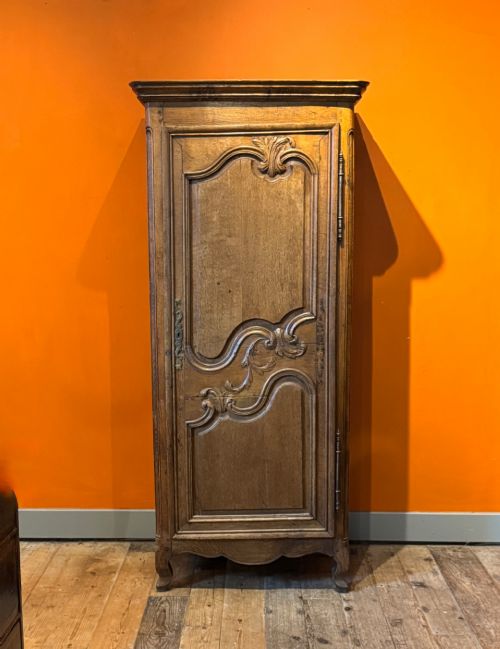
- A single-door cupboard originally built to store tall regional headwear or bonnets. These narrow wardrobes suit smaller domestic spaces.
Louis XV Oak Cupboard: Frequently Asked Questions
How do I date an oak cupboard?
Dating relies on examining construction techniques, joinery marks, and hardware styles. Hand-cut dovetails and pegged joints typically point to eighteenth-century origins.
Later reproductions and twentieth-century interpretations often utilise machine-cut elements or modern fixings while copying earlier provincial silhouettes.
What is a buffet a deux corps?
This term describes a two-part storage cabinet featuring a heavier base cupboard topped by a matching upper section. Such pieces served as central storage units in large French dining rooms.
The upper and lower components were frequently constructed together to ensure proportional harmony and matching timber grain.
Are these cupboards suitable for modern bedrooms?
The generous interior depth of traditional armoires and wardrobe formats allows them to function effectively as modern clothes storage. Shelves or hanging rails can be integrated to suit contemporary domestic needs.
Smaller bedside cabinets and commodes fit easily beside contemporary bed frames while offering concealed tabletop storage.
How should I care for antique oak?
Maintenance requires gentle cleaning with a soft cloth and occasional application of traditional beeswax to nourish the dry timber. Avoid placing wooden furniture near direct heat sources to prevent panel splitting.
Maintaining stable room humidity preserves both the structural integrity of the oak and the stability of any painted or waxed finishes.