
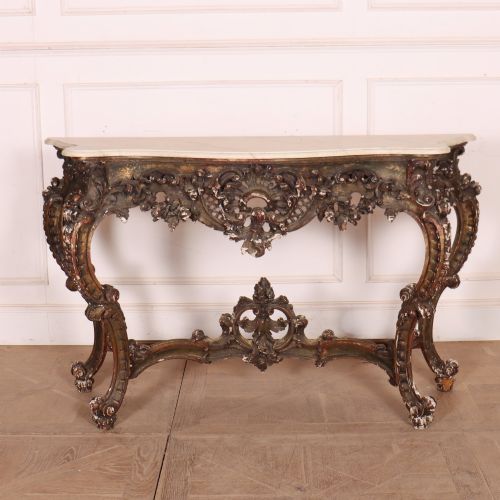
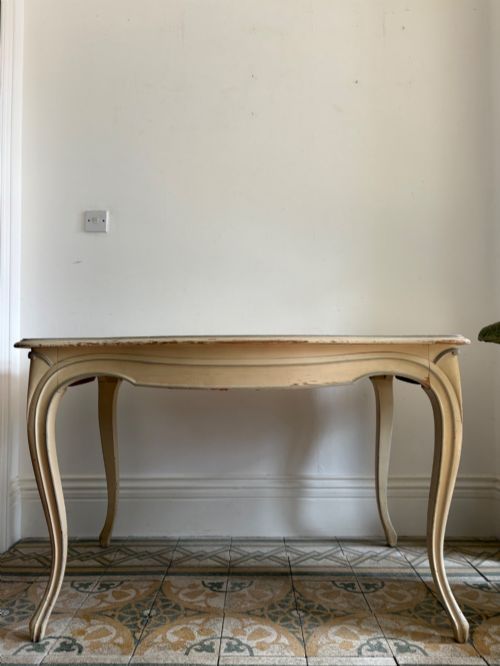
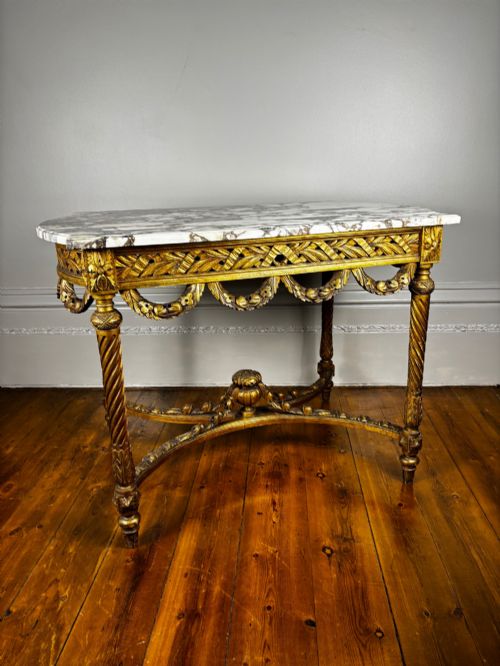
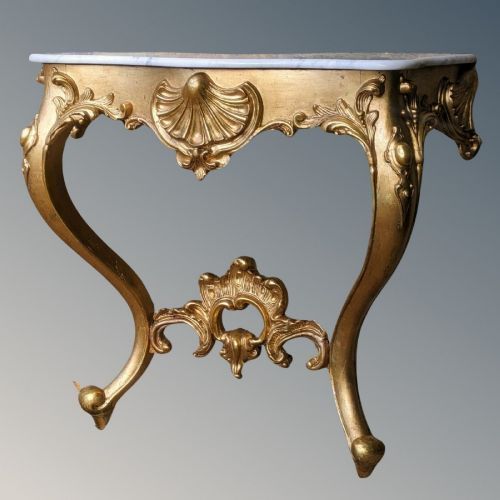
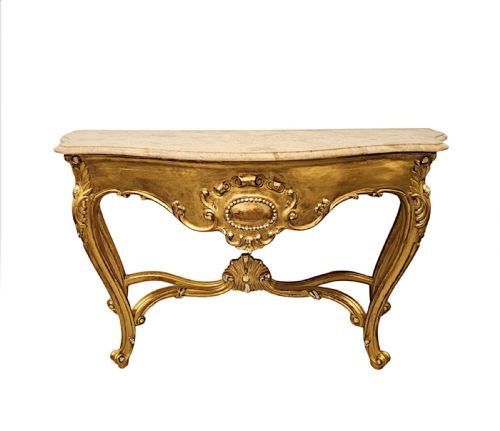


Louis XV Hall Table
A louis xv hall table brings the sweeping curves and sculptural grace of French design into an interior, offering a striking focal point for any hallway.
Louis XV Hall Table
When searching for a louis xv hall table, buyers encounter a range of forms including console tables, centre tables, and side tables designed for grand entryways and principal rooms. The selection spans authentic 18th-century examples alongside later revival pieces produced across the 19th and early 20th centuries.
Console tables dominate the offerings, frequently paired with matching mirrors or topped with heavy slabs of marble. These tables sit flush against a wall, displaying the characteristic serpentine fronts and asymmetric scrollwork typical of the style.
Centre tables also appear under this banner, offering free-standing display surfaces executed in rich timbers such as walnut, kingwood, and rosewood. Originating mainly from French workshops, these pieces showcase provincial charm or ornate courtly elegance depending on their intended domestic setting.
Materials and Construction
Cabinetmakers utilised a foundation of solid woods like oak, walnut, and cherry, often applying decorative veneers of kingwood or rosewood in parquetry patterns. Surfaces were frequently painted, parcel gilt, or finished with gesso to prepare them for intricate carved ornamentation.
Heavy marble slabs form the tops of many console tables, resting on carved wooden frames shaped to follow serpentine and demi-lune contours. Giltwood frames combined hand-carved wood with layers of gold leaf applied over gesso, while brass fittings provided structural reinforcement and decorative accents.
The selection includes paired console tables and matching mirror sets alongside single freestanding centre tables in French provincial and revival styles.
Evaluating Quality and Execution
The distinction between standard production and exceptional work lies primarily in the depth and crispness of the carving. Hand-carved giltwood and walnut elements display fluid, undercut relief work where lesser examples rely on shallower moulding or heavy plaster composition.
Material selection dictates the upper tier of pieces, with thick, figured marble tops and dense timbers like kingwood elevating a table's presence. Refined proportions and the harmonious integration of mirrors with console bases separate decorative utility from master craftsmanship.
The Louis XV Hall Table Glossary
- Console table
- A table designed to stand against a wall, frequently supported by two front legs and secured to the wall at the rear.
- Giltwood
- Wood that has been coated with gold leaf or gold paint over a prepared gesso ground, creating a brilliant metallic finish.
- Cabriole leg
- A furniture leg that curves outward at the knee and tapers inward at the ankle, mimicking animal limbs in the Rococo style.
- Serpentine
- A furniture front or top shaped with a central convex curve flanked by two concave curves.
- Parquetry
- A geometric mosaic of wood pieces used for decorative floors and furniture veneers, often combining contrasting timbers like kingwood and walnut.
- Demi-lune
- A half-moon shape used for tables designed to fit flat against a wall.
Louis XV Hall Table: Frequently Asked Questions
How do I style a louis xv hall table?
Place the table against a prominent hallway wall to create an immediate focal point upon entering the home. Keep the surface uncluttered with a single statement lamp or a decorative bowl to let the carved woodwork and marble top command attention.
For console tables featuring a matching mirror, hang the glass directly above the table frame at eye level. This arrangement reflects light through the hallway and echoes the decorative motifs carved into the timber below.
What is the difference between a console table and a centre table?
A console table is designed with a flat back to stand flush against a wall, often requiring wall fixings for stability when carrying a heavy marble top. These pieces serve primarily as decorative ledges and display surfaces in narrow spaces like corridors and entryways.
In contrast, a centre table is finished on all sides to stand freely in the middle of a room. These tables offer 360-degree access and were historically used for holding lamps, flowers, or books in larger reception areas.
How do I care for a marble top?
Wipe marble surfaces regularly with a soft, damp cloth and mild, neutral soap to remove dust and prevent grit from scratching the polish. Avoid acidic cleaners, vinegar, and citrus substances, which etch the polished stone surface upon contact.
Use coasters under glasses and felt pads beneath decorative objects placed on the marble slab. Periodic treatment with a specialised stone sealer helps protect the porous material from accidental moisture rings and stains.
Are these tables authentic 18th-century pieces?
The inventory includes genuine 18th-century pieces alongside a significant number of revival items from the 19th and early 20th centuries. 18th-century originals feature period construction techniques, hand-wrought fixings, and natural wear consistent with extensive domestic use over centuries.
Revival pieces from later eras replicate the classic Rococo aesthetics using the manufacturing methods of their own time. Checking the wood construction, joinery, and wear patterns helps determine whether a table dates to the original period or a later revival.