


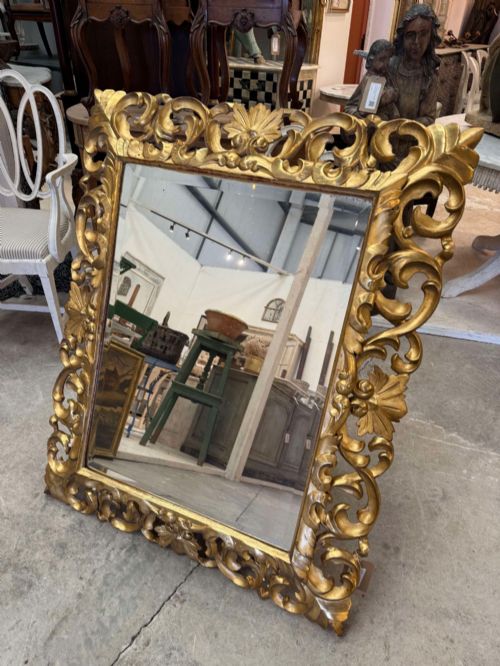
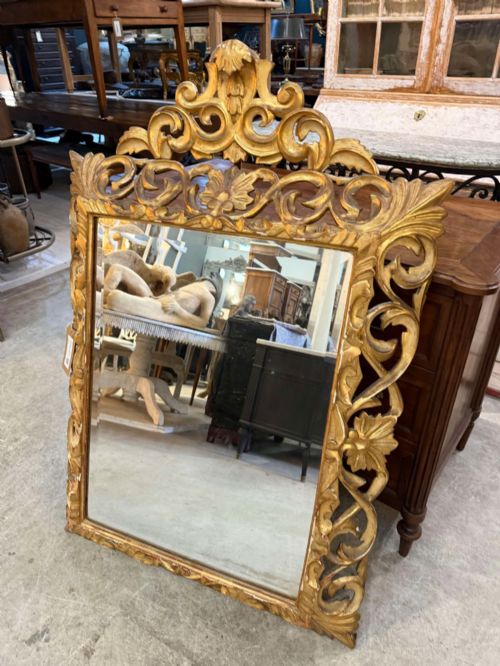
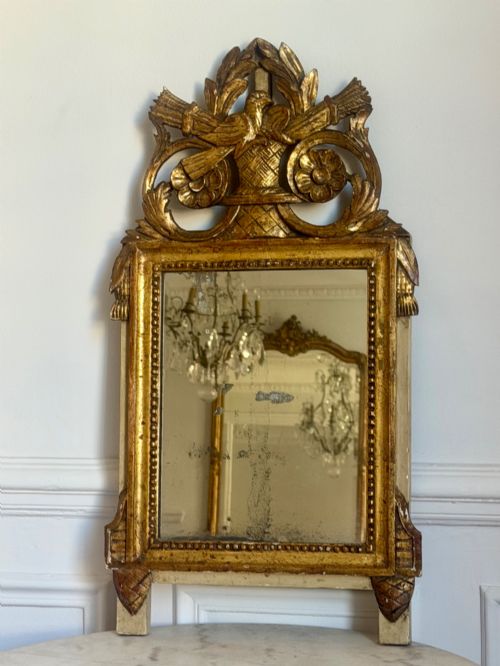
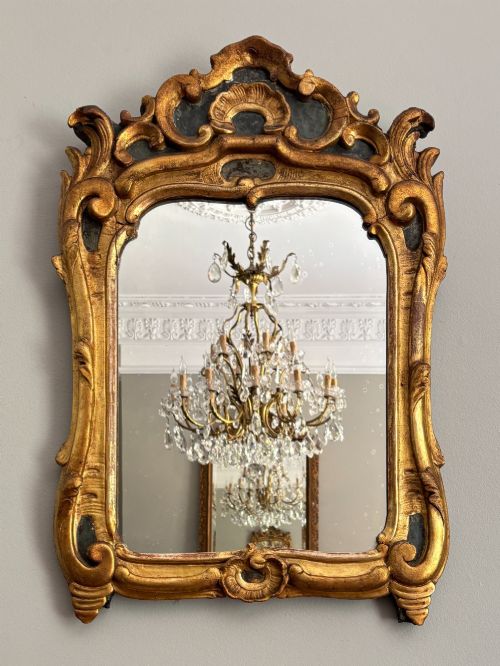
Louis XV Gilded Mirror
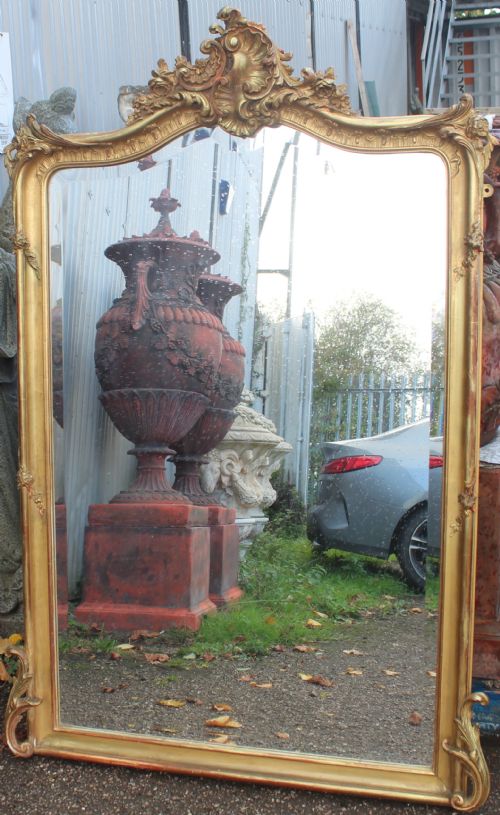
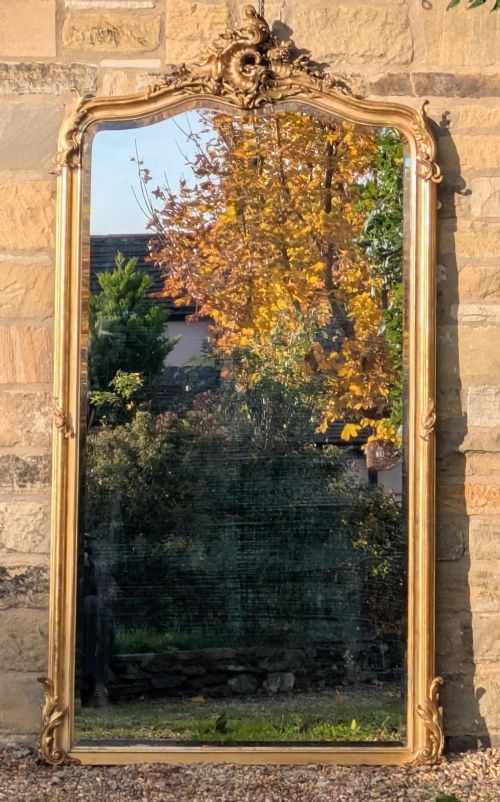
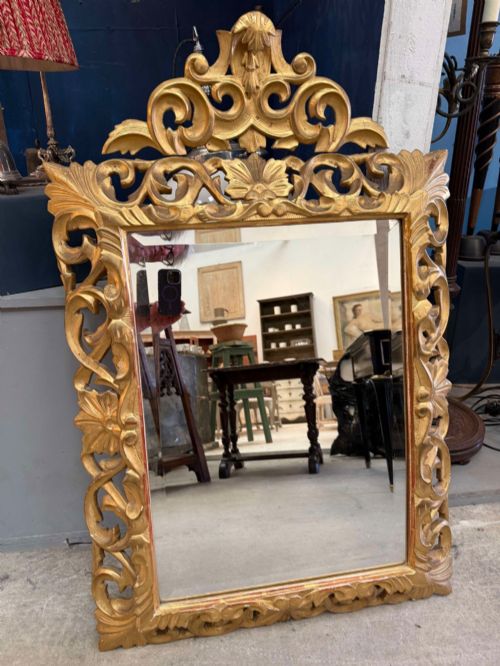
A louis xv gilded mirror brings fluid curves and opulent surface reflection into a room, drawing the eye with classic French style.
Louis XV Gilded Mirror
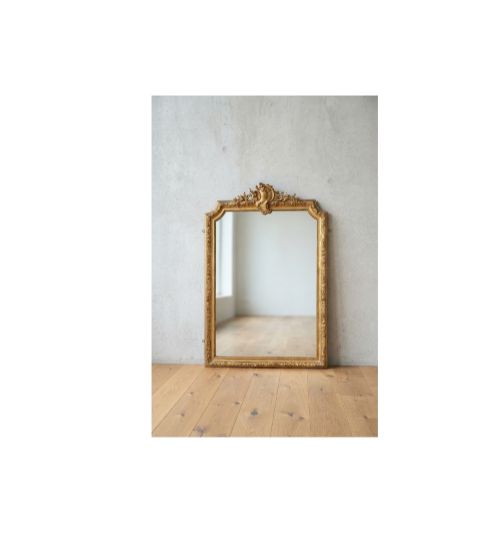
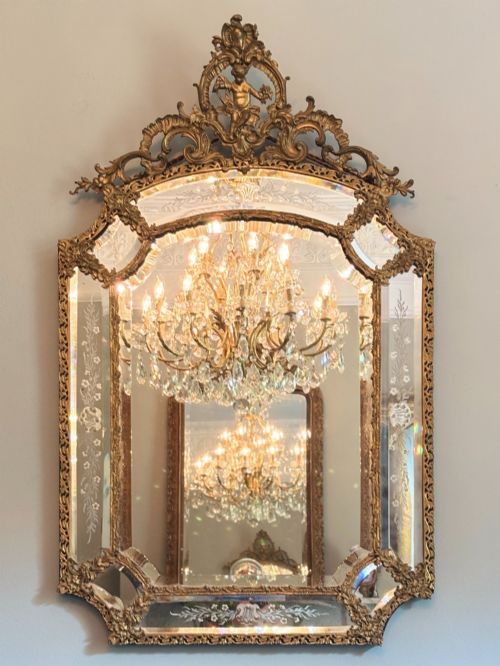
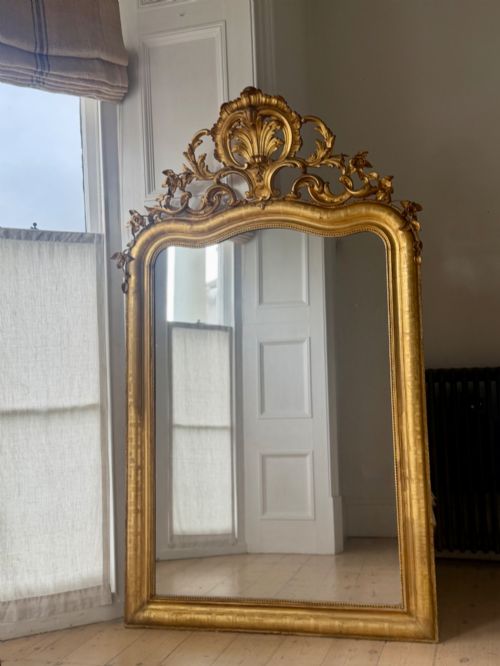
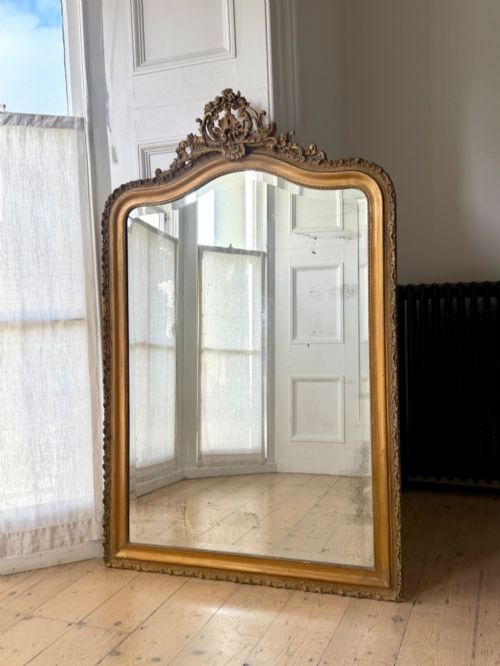
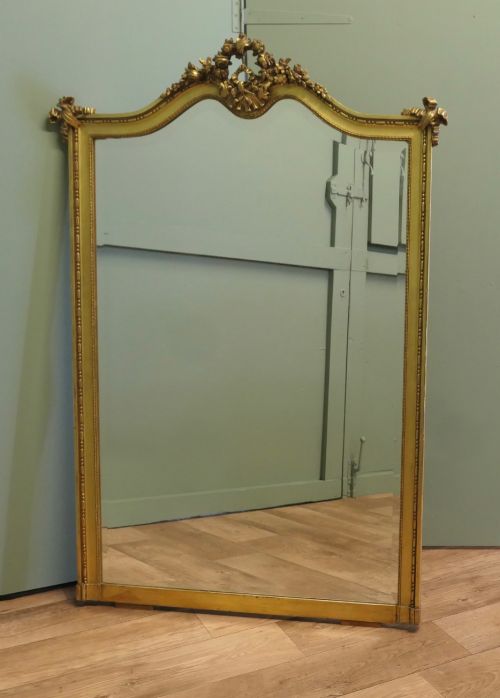
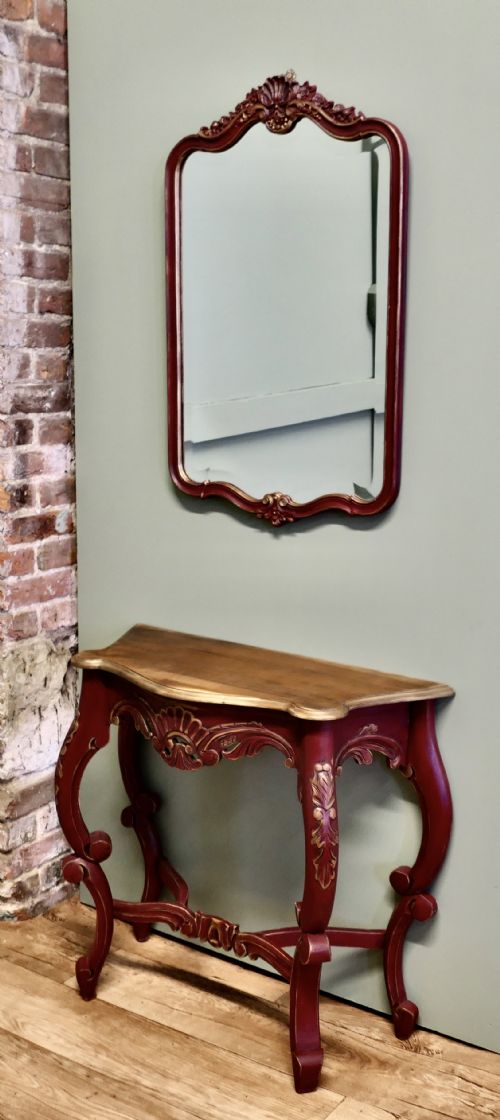
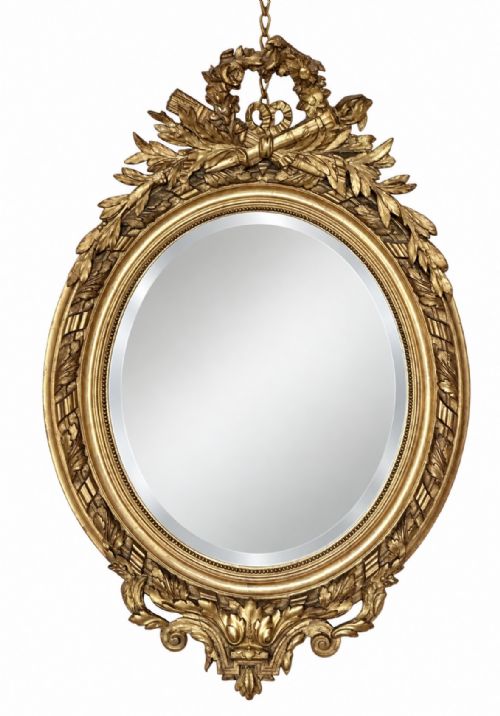
A louis xv gilded mirror takes many forms on this page, appearing as tall wall mirrors, pier mirrors, and overmantel pieces. Buyers look for these items to introduce asymmetric scrollwork and organic motifs into formal interiors.
Most examples found here date from the nineteenth century and the eighteenth century, spanning original periods and later revival eras. Forms range from compact dressing table mirrors to large console and cheval mirrors.
Originating predominantly from France, these pieces display regional variations in carving depth and frame proportions. Wall mirrors and cartouche forms dominate the selections currently offered by dealers.
Materials and Techniques
Makers shaped wooden frames from carved timber, applying layers of gesso to smooth the surface before adding gold leaf or gilding. This traditional build method created a solid base for intricate floral and ribbon reliefs.
Reflecting surfaces rely on mirror glass, antique plate, or mercury glass, occasionally showing foxing from age. Frames frequently combine carved wood with gesso detailing to achieve the sculptural curves characteristic of the style.
Louis XV Gilded Mirror Retail Price Guide 2026
Typical asking prices for louis xv gilded mirror among the pieces listed under this phrase on Sellingantiques today, from the lower quarter to the upper quarter. They describe what is for sale here now, not the wider market.
Materials recorded across the inventory include giltwood, gesso, mercury glass, and carved wood.
Quality Variations
The crispness of the wood carving determines the visual depth of the ornamentation. Finer examples exhibit hand-carved details with sharp relief in the scrollwork and flowers, whereas simpler pieces show softer contours.
The condition of the original gilding and the character of the glass plate separate standard pieces from superior ones. Intact gold leaf and authentic mercury glass retain a warmer, deeper reflection than later replacements.
The Louis XV Gilded Mirror Glossary
- Giltwood
- Wood that has been coated with gold leaf or a gold-coloured substance. This finish provides the bright reflective surface characteristic of antique frames.
- Gesso
- A plaster mix applied to wood frames to create a smooth surface for gilding. It holds fine carved details and relief work securely.
- Mercury glass
- Silvered glass produced by pouring a mercury amalgam between double-walled glass. It creates a dark, mottled reflection often seen in older mirrors.
- Cartouche
- An ornamental frame or tablet resembling a scroll or undressed shield with scrolling edges. Mirrors of this form display distinctive curved outlines.
- Pier mirror
- A tall mirror designed to hang on the wall between windows, frequently positioned above a matching console table.
Louis XV Gilded Mirror: Frequently Asked Questions
How do I date a mirror?
Examining the construction of the wooden frame and the backing boards reveals clues about the period of manufacture. Tool marks and joinery techniques help distinguish eighteenth-century items from nineteenth-century revivals.
Inspecting the glass plate provides further evidence. Mercury glass and hand-bevelled edges typically point to older production dates.
Where should I hang it?
These mirrors suit formal reception rooms, hallways, and bedrooms where they can reflect light and open up the space. Placing one above a mantelpiece or a console table creates a balanced focal point.
Ensure the wall structure supports the weight of the carved wooden frame. Secure fixings are essential for larger wall and overmantel formats.
What is mercury glass?
Mercury glass refers to double-walled blown glass silvered with a liquid mercury amalgam. This technique was common in older mirrors before safer silvering methods took over.
Over time, this material develops characteristic spots and dark patches known as foxing. These age marks do not detract from the authenticity of the piece.