



Louis XV Doors
Louis xv doors bring characteristic architectural fluidity and organic carving to interiors through French Provincial and revival forms.
Louis XV Doors
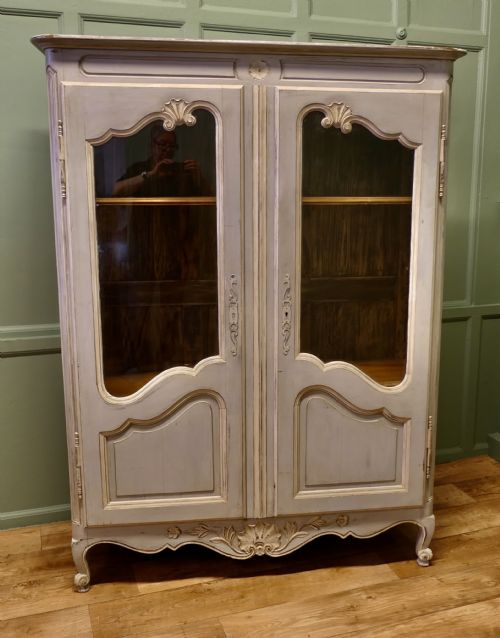
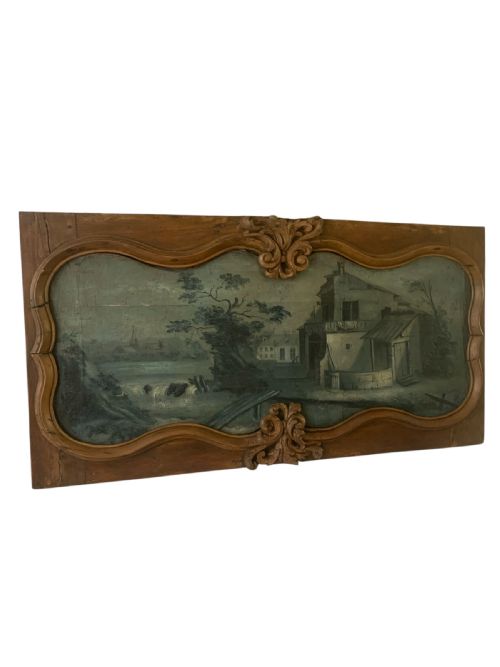
When searching for louis xv doors, buyers typically encounter architectural elements, overdoor panels, and cabinet fronts originating from the eighteenth century or later nineteenth-century revival periods. These pieces showcase the signature serpentine outlines, asymmetry, and naturalistic carvings typical of French Rococo design.
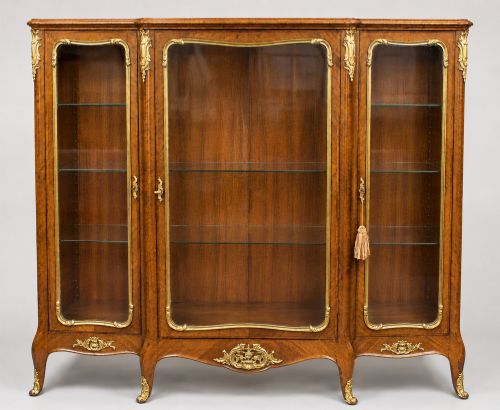
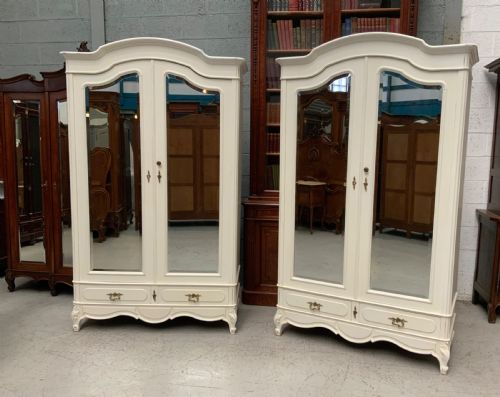
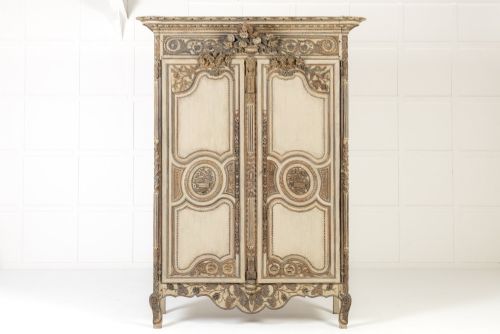
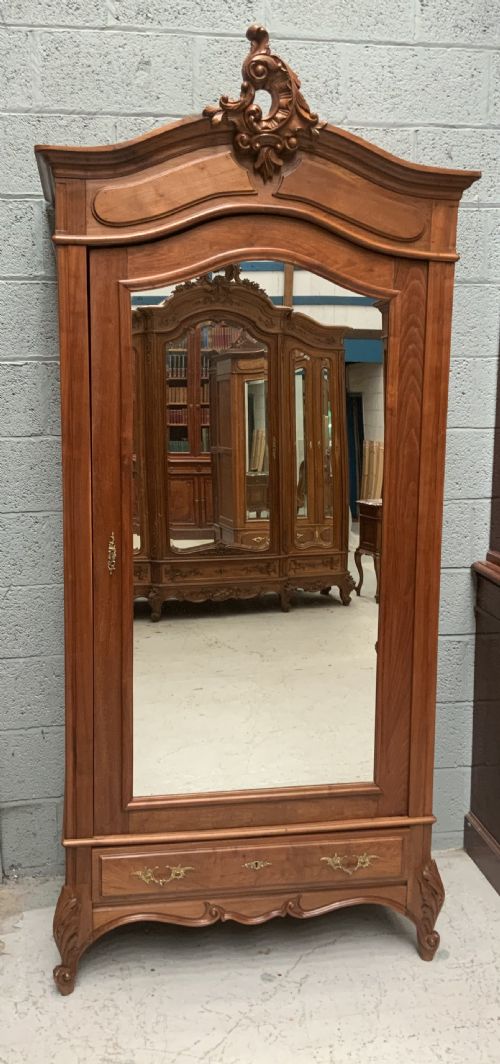
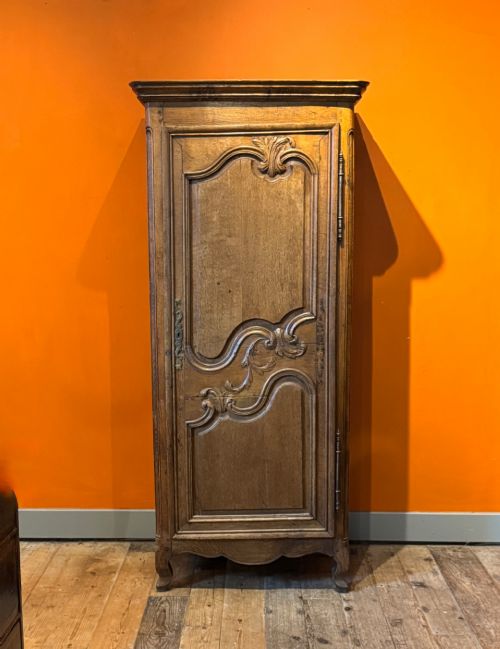
The version most commonly met on this page is integrated into larger forms such as armoires, buffets, vitrines, and display cabinets constructed in oak, walnut, or painted finishes. Single and double door configurations dominate the selection, spanning provincial regional pieces to grander chateau-style furniture.
Originating predominantly from France, these items bridge structural woodwork and decorative art. They reflect both authentic eighteenth-century craftsmanship and later interpretations produced across the nineteenth and early twentieth centuries.
Materials and construction techniques
Makers utilised solid hardwoods including walnut, oak, cherry, and exotic veneers such as kingwood and rosewood over supportive carcases. Surfaces frequently featured hand carving, parquetry, or marquetry patterns arranged to highlight the natural grain of the timber.
Ornate cast or chased ormolu mounts provide decorative accents around panels and corners, complementing marble tops where fitted. Painted and distressed finishes appear alongside bleached oak treatments, reflecting both period aesthetics and subsequent decorative interventions.
Listings demonstrate a strong presence of walnut and oak timbers, alongside nineteenth-century French revival furniture.
Factors separating quality ranges
The distinction between standard and exceptional pieces rests primarily on the depth and crispness of the hand carving and the integration of ormolu mounts. Finer examples display fluid, deeply undercut foliage and shell motifs that follow the natural contours of the wood without rigidity.
Construction methods also dictate quality, visible in the precision of mortise and tenon joints, hand-cut dovetails within drawers, and the matching of veneer grains across multiple doors. Period authenticity and the retention of original surface patination further elevate the standing of a piece.
The Louis XV Doors Glossary
- Ormolu
- Gilded bronze mounts applied to furniture edges and corners. This technique provides metallic contrast against dark woods like walnut and kingwood.
- Armoire
- A large freestanding wardrobe or cupboard featuring one or more doors. These storage pieces often form the focal point of a bedroom or hall.
- Vitrine
- A glass-fronted cabinet designed for the display of porcelain and curiosities. They frequently incorporate mesh or glazed doors with delicate framework.
- Marquetry
- The art of applying small pieces of veneer to a structure to form decorative patterns. Craftsmen utilised various coloured woods to create pictorial designs.
- Buffet
- A sideboard or low storage cabinet traditionally utilised for dining rooms. They feature solid or panelled wooden doors enclosing shelving space.
Louis XV Doors: Frequently Asked Questions
How do I identify a true period piece?
Examine the timber construction methods, tool marks on the interior secondary woods, and the wear patterns around hinges and handles. Eighteenth-century examples display hand-cut joinery and aged patination that differs from later nineteenth-century revival manufacturing.
Compare the carving style against documented French Rococo motifs. Revival pieces often exhibit slightly stiffer execution or machine-assisted finishing beneath the surface details.
Where were these doors originally used?
Many panels and doors originated as architectural salvage from French chateaux and provincial homes, functioning as overdoors or interior room dividers. Others form the operational facades of large storage armoires and bookcases.
In domestic settings, they were designed to conceal storage while introducing decorative asymmetry and carved warmth into formal reception spaces.
How should I care for polished wood?
Maintain stable indoor humidity levels to prevent the solid timbers and veneers from splitting or warping over time. Apply microcrystalline wax sparingly to nourish the wood surface and protect historical finishes without attracting dust.
Avoid placing pieces near direct heat sources or strong sunlight, which can fade delicate kingwood veneers and crack painted surfaces.
What defines the louis xv style?
The style is characterised by C-scrolls, S-scrolls, asymmetrical floral arrangements, and shell motifs known as rocaille. Straight lines are largely avoided in favour of flowing, serpentine curves that mimic natural organic growth.
This aesthetic prioritises grace and comfort over rigid symmetry, influencing furniture design, wall panelling, and architectural hardware across France.