

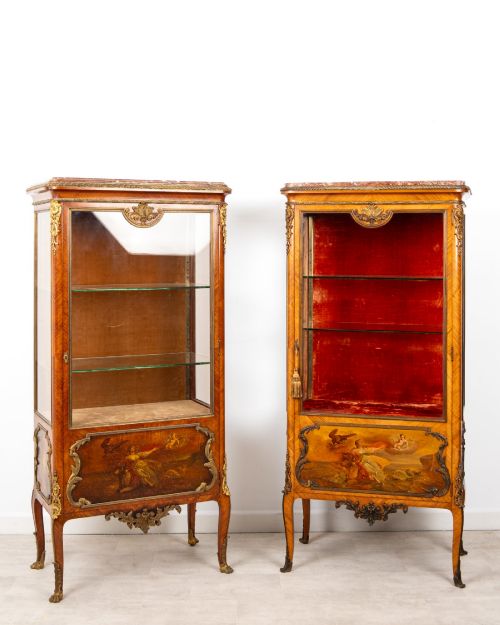
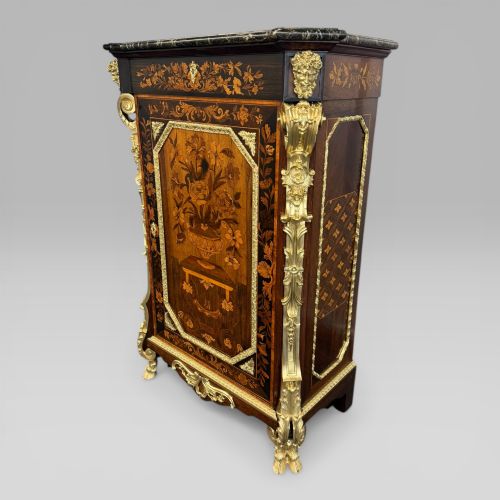
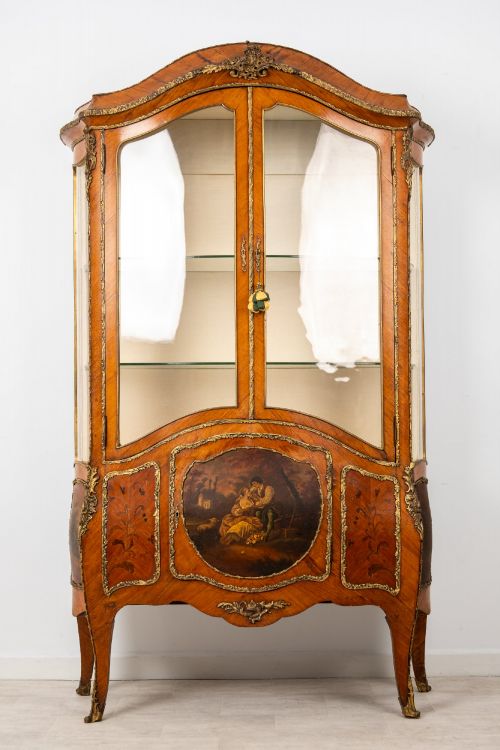
Louis XV Display Cabinet
When you search for a louis xv display cabinet, you meet ornate glass-fronted furniture designed to showcase porcelain and precious objects.
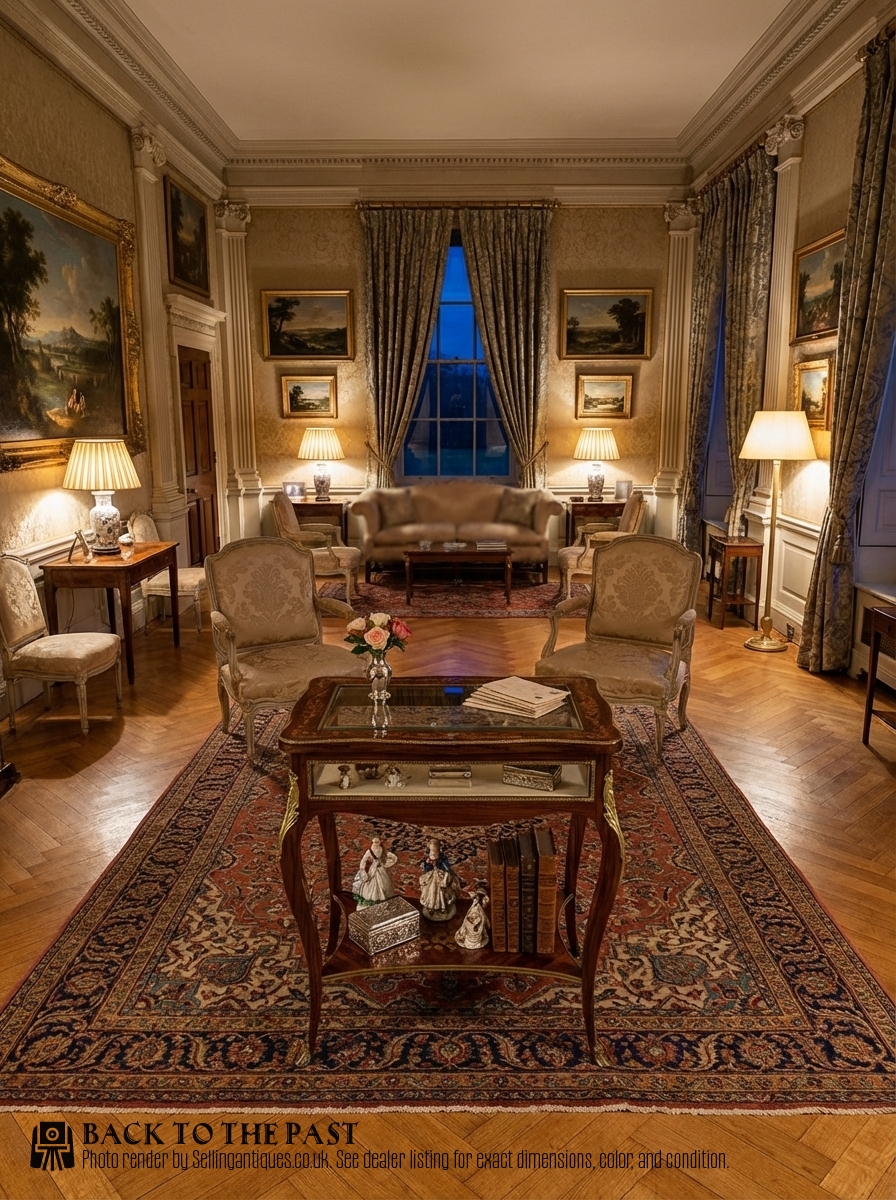
Louis XV Display Cabinet
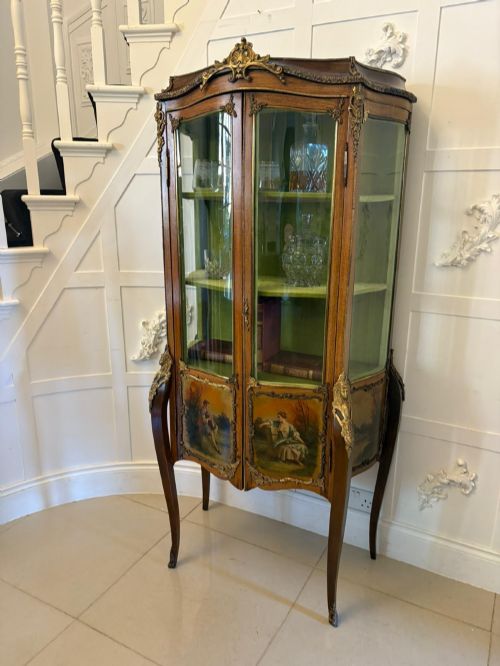
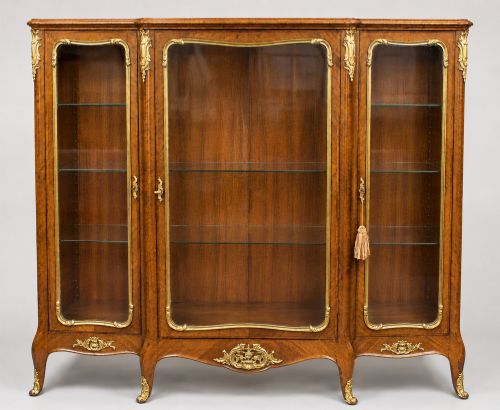
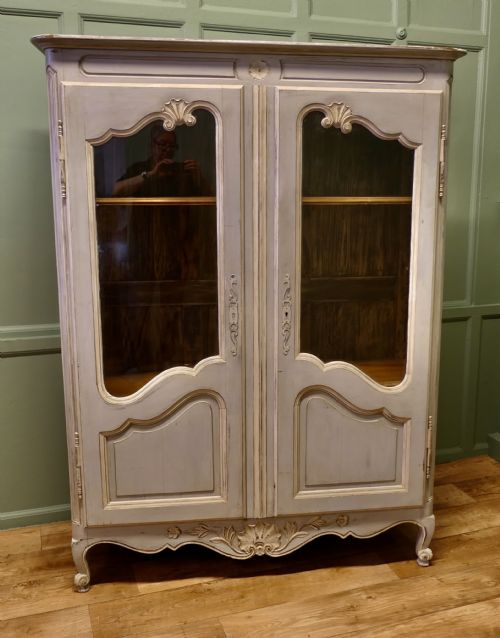
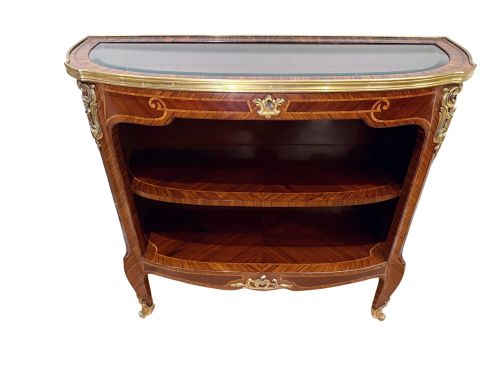
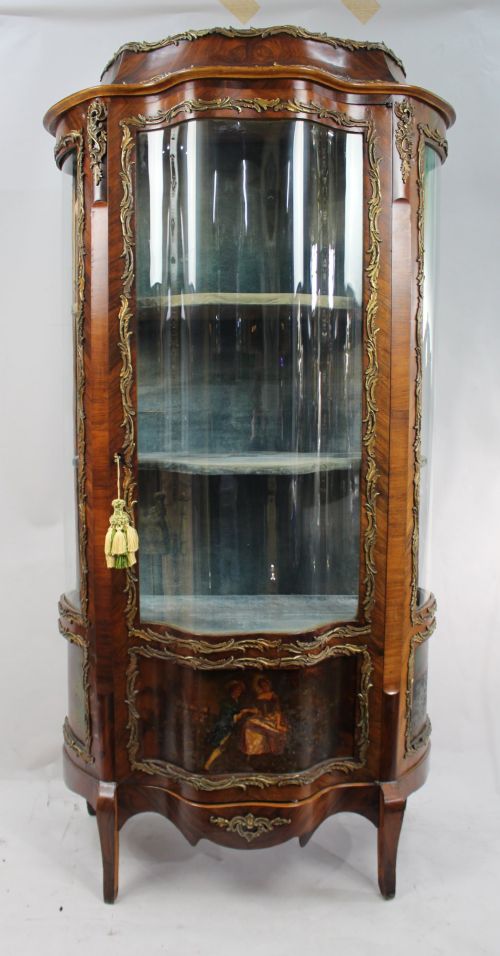
A louis xv display cabinet bridges architectural storage and decorative display, taking the form of vitrines, side cabinets, and credenzas. These pieces emerge predominantly in 19th-century revivals of earlier French aesthetics, though genuine 18th-century examples also appear.
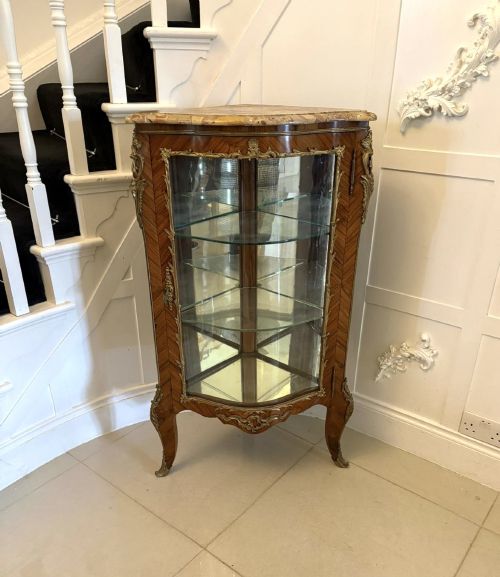
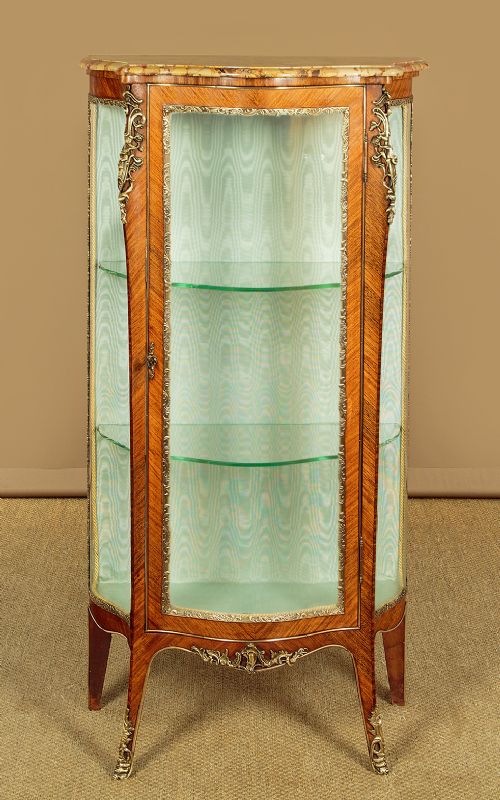
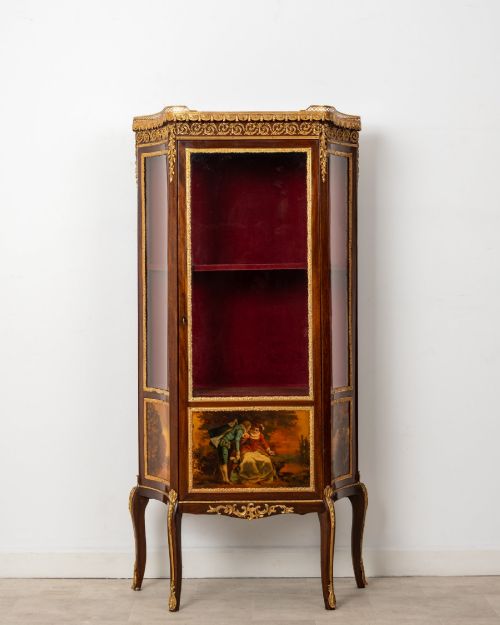
The silhouettes span serpentine fronts, bombé profiles, and corner configurations designed to fit domestic interiors. Buyers encounter variations ranging from petite walnut display pieces to large exhibition-quality cabinets.
Makers and workshops of the 19th century adopted Louis XV and Rococo revival styles, incorporating glass panels and shelved interiors for curated collections. The typology merges display utility with elaborate surface ornamentation.
Materials and construction methods
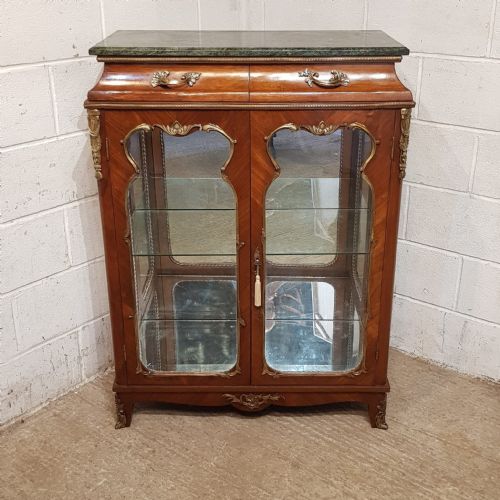
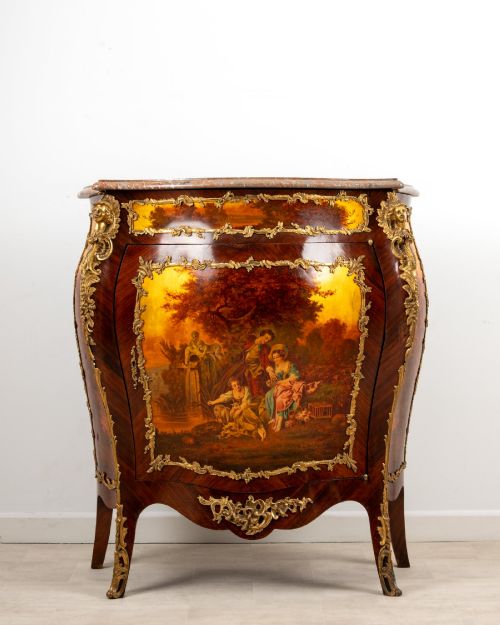
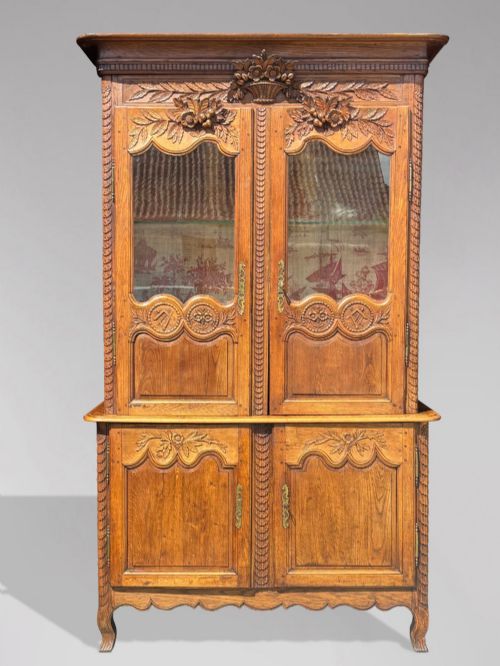
Carpenters utilised structural hardwoods like mahogany, walnut, and oak, veneered with decorative surfaces of kingwood. Marble tops frequently cap these carcasses, providing a contrasting upper surface.
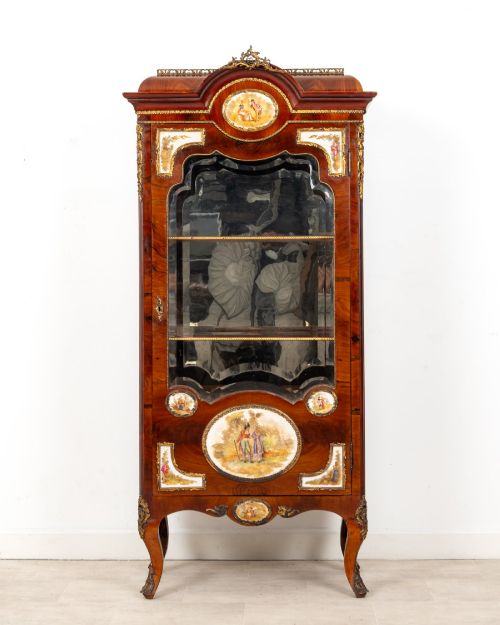
Gilt bronze and ormolu mounts frame the glass doors and accentuate the curved contours of the woodwork. Vernis Martin painted panels introduce figurative scenes, completing the decorative scheme alongside inlaid marquetry and parquetry.
Louis XV Display Cabinet Retail Price Guide 2026
Typical asking prices for louis xv display cabinet among the pieces listed under this phrase on Sellingantiques today, from the lower quarter to the upper quarter. They describe what is for sale here now, not the wider market.
A tiny table-top sedan vitrine invites you to display your miniatures inside a miniature carriage.
Evaluating craftsmanship and execution
The refinement of the ormolu mounts dictates the tier of the piece, with chased and gilded bronze signifying superior workshop output. Mass-produced or later replacement mounts lack the crisp definition found on exhibition-grade furniture.
The intricacy of the timber work, from matched kingwood veneers to detailed Vernis Martin painted panels, separates standard production from exceptional examples. Structural joinery on serpentine and bombé forms demands advanced cabinet-making skill.
François Linke·Edward Holmes Baldock
The Louis XV Display Cabinet Glossary
- Ormolu
- Gilded bronze used for decorative mounts and framing elements. This technique involves applying a gold amalgam to bronze before firing.
- Vernis Martin
- A simulated Japanese lacquer technique developed in France. Artisans applied multiple layers of varnish to create translucent painted panels.
- Vitrine
- A glass-fronted cabinet designed specifically for displaying porcelain, curiosities, and small objects. The sides and doors incorporate glazing to maximise interior visibility.
- Marquetry
- The art of applying decorative veneer pieces to a structural surface to form geometric or pictorial designs. Craftsmen select contrasting wood grains to create tonal depth.
Louis XV Display Cabinet: Frequently Asked Questions
What is a louis xv display cabinet used for?
These cabinets served historically to house precious porcelain, glassware, and decorative art objects. The glass panels allowed owners to exhibit collections while protecting delicate items from dust.
Modern interiors utilise them similarly for display purposes, placing them in reception rooms or hallways as focal points of furniture.
How do I identify a louis xv display cabinet?
Look for characteristic curved lines, serpentine or bombé profiles, and asymmetrical Rococo ornamentation. Ormolu mounts on the corners and glass framing typically indicate the revival styles popular in the 19th century.
Materials like kingwood veneer, marble tops, and painted Vernis Martin panels further confirm the French decorative lineage of the piece.
Are these cabinets made in the 18th century?
While the original style originates in 18th-century France, the majority of pieces available date from the 19th century during the Louis XV revival periods. Cabinet-makers in the 1800s reproduced these forms using traditional techniques.
True 18th-century examples do occur in the records, but 19th-century interpretations by makers like François Linke dominate the surviving inventory.
How do I care for a marble top vitrine?
Marble surfaces require gentle cleaning with mild soap and water to avoid dulling the stone or damaging adjacent wood veneers. Prevent abrasive contact from heavy objects placed directly onto the stone.
Maintain stable indoor humidity levels to protect the underlying timber carcass and prevent the ormolu mounts or veneer from loosening over time.