





Loose Leaf Tea Box
A loose leaf tea box holds the leaves of the trade in timber and silver, ready for the drawing room.
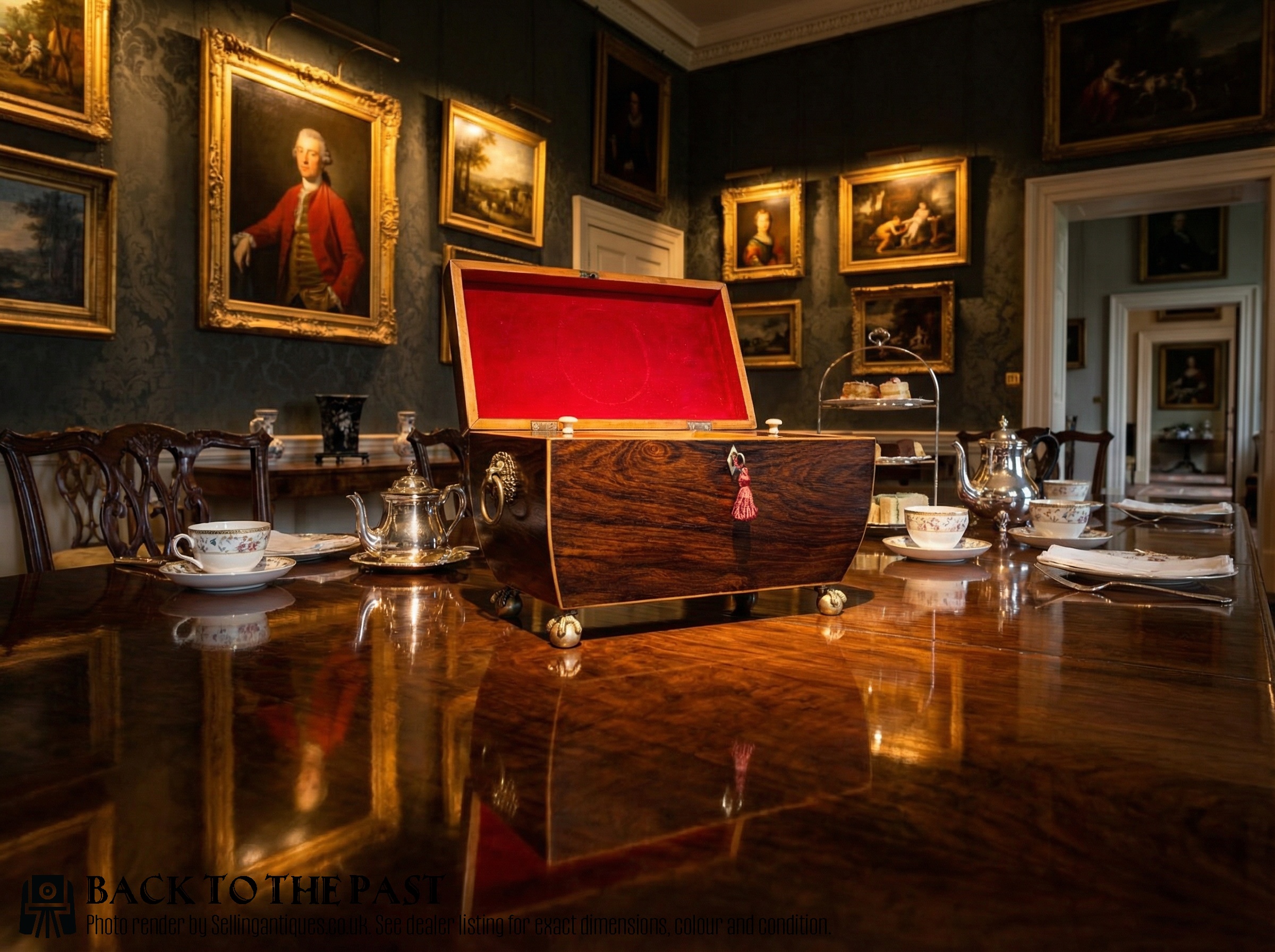
Loose Leaf Tea Box
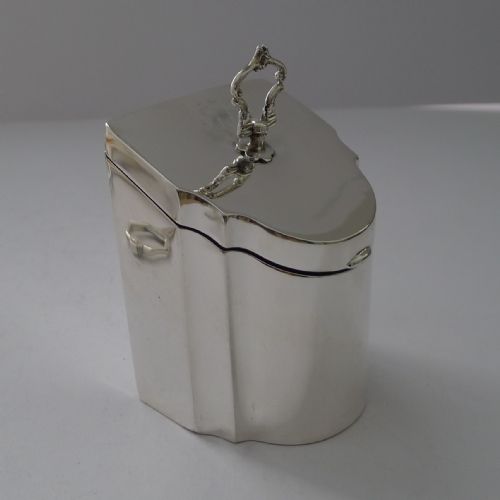
When you search for a loose leaf tea box, you are looking at receptacles designed to protect and dispense dry tea leaves before the invention of the tea bag. These domestic objects appear on this page in forms such as tea caddies, knife box forms, and drawing room beverage cases.
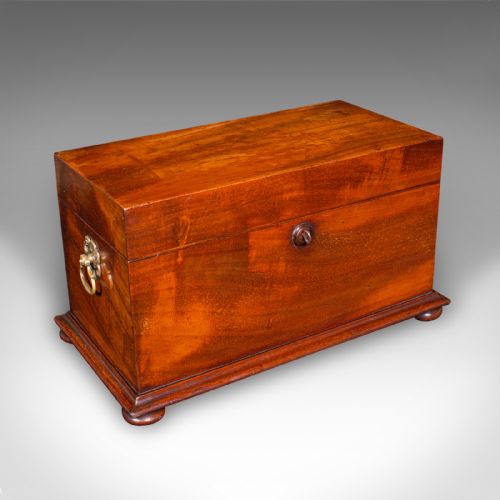
The versions you are most likely to meet span periods from the Regency and Georgian eras through the Victorian and Edwardian decades up to the mid twentieth century. Makers fashioned these containers in architectural silhouettes, including the sarcophagus shape, alongside silver canisters.
English examples predominate in the evidence, complemented by occasional items from other origins such as Japan. They served both practical storage and social display in period rooms.
How they were made
Craftsmen built wooden boxes using dense timbers such as mahogany, rosewood, and boxwood, often shaping them into substantial architectural forms or knife box profiles. These wooden cases frequently housed internal compartments and mixing glasses for preparing the leaves.
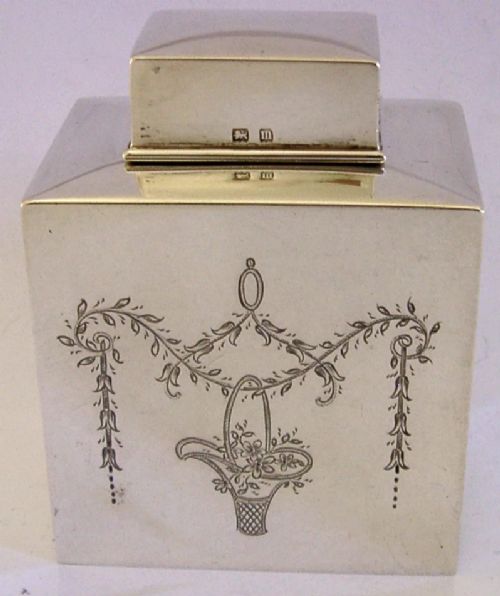
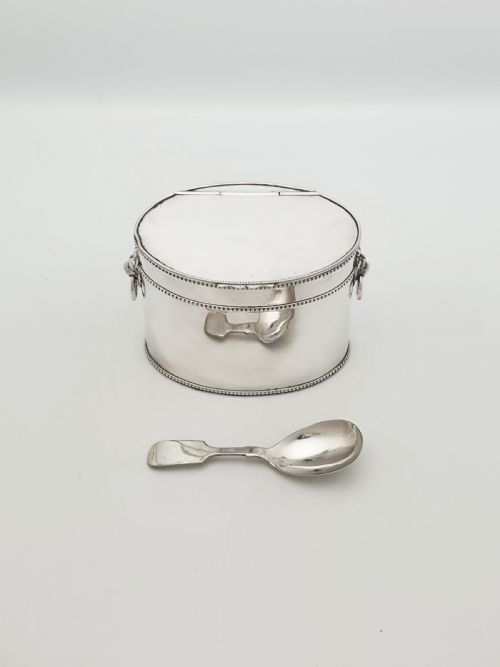
Metalworkers formed other examples from sterling silver and brass, sometimes adding cast elements like lion mask handles. Silversmiths hammered, shaped, and hallmarked these pieces in workshops and towns including Birmingham.
Loose Leaf Tea Box Retail Price Guide 2026
Typical asking prices for loose leaf tea box among the pieces listed under this phrase on Sellingantiques today, from the lower quarter to the upper quarter. They describe what is for sale here now, not the wider market.
Listings feature woods like mahogany and rosewood alongside sterling silver and brass.
What varies in quality
Quality rests in the precision of the construction and the integrity of the materials, whether the dense grain of a rosewood sarcophagus or the weight of solid silver. Better examples display crisp architectural lines and well-fitted internal compartments that have survived decades of use.
The presence of original fitted elements, such as mixing glasses and associated spoons, distinguishes more complete vessels from those that have lost their interior fittings over time.
Zimmermann·Ernest Druiff & Co
The Loose Leaf Tea Box Glossary
- Tea caddy
- A box or canister designed to hold loose tea leaves securely. The term derives from catty, the Chinese weight unit.
- Sarcophagus
- A monumental box shape with a sloping lid resembling a stone coffin, popular for Regency and William IV tea containers. This architectural form lent weight and presence to the drawing room table.
- Mixing glass
- A glass vessel fitted inside a tea caddy used for blending different varieties of loose leaves. It sat alongside the storage compartments.
- Knife box form
- A vertical wooden case profile with a sloping lid, borrowed from cutlery storage and adapted for tea leaf containers. This style appears in late nineteenth century silver and earlier wooden pieces.
Loose Leaf Tea Box: Frequently Asked Questions
What is a loose leaf tea box?
A loose leaf tea box is a container built to store dry tea leaves safely before the era of pre-packaged bags. These objects kept precious leaves fresh and secure in the drawing room.
They appear in materials like mahogany, rosewood, and sterling silver, often featuring internal compartments for different tea varieties.
How were tea caddies used?
Tea caddies were used to store, measure, and blend loose tea leaves prior to infusion. The host typically kept the box locked to control the valuable leaves.
Many examples included internal mixing glasses and compartments to prepare specific blends before serving guests.
How do I date a tea box?
Dating relies on the style, materials, and any hallmarking present on the piece. Regency pieces often take sarcophagus forms in woods like rosewood, while Victorian and Edwardian examples utilise silver or different architectural shapes.
Silver pieces frequently carry hallmarks that reveal the exact year and assay office of manufacture.
Where were these boxes made?
Most examples in the record originate from English workshops and silversmiths. Towns like Birmingham produced silver caddies, while cabinet makers constructed wooden cases.
Occasional pieces from other regions, such as Japanese lacquered table boxes, also appear in the wider record.