
Longcase Clock Dial
When you examine a longcase clock dial, you hold the mechanical and artistic centre of a tallcase timepiece.
Longcase Clock Dial
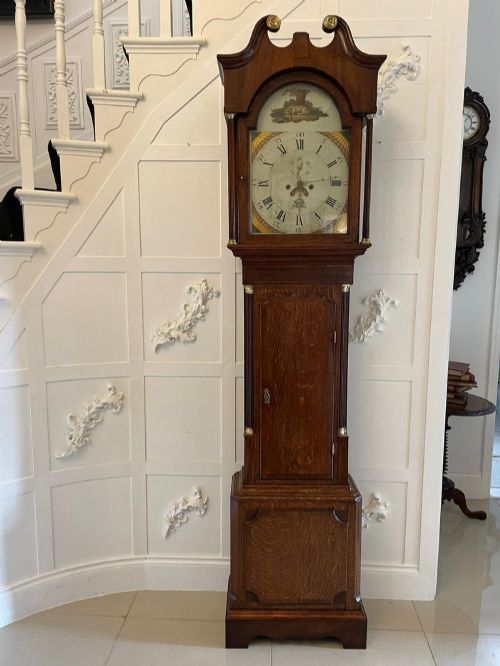
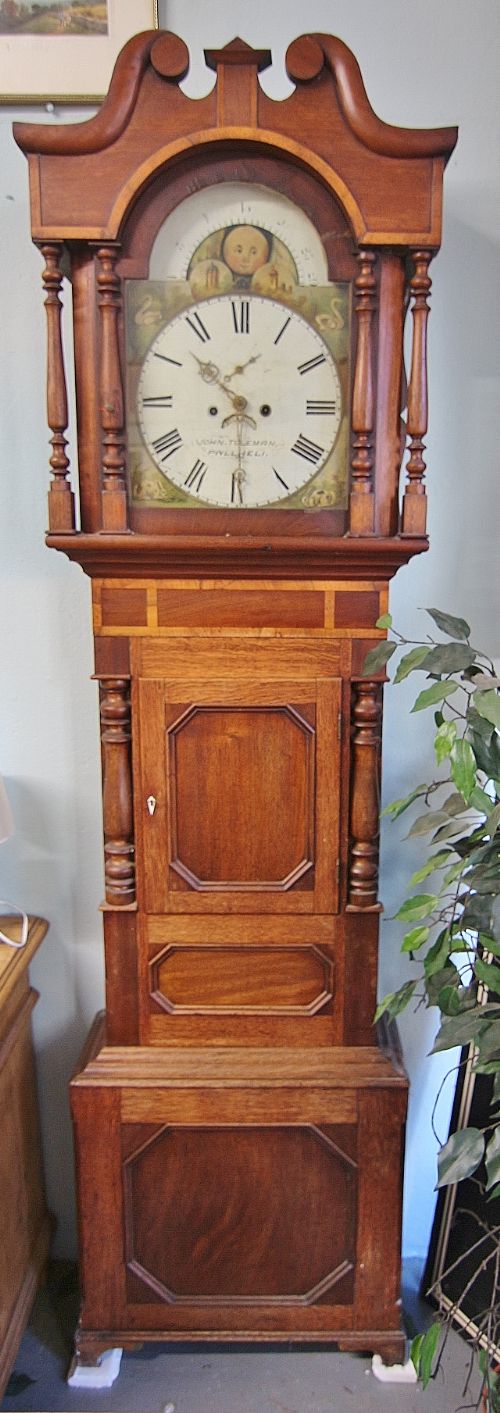
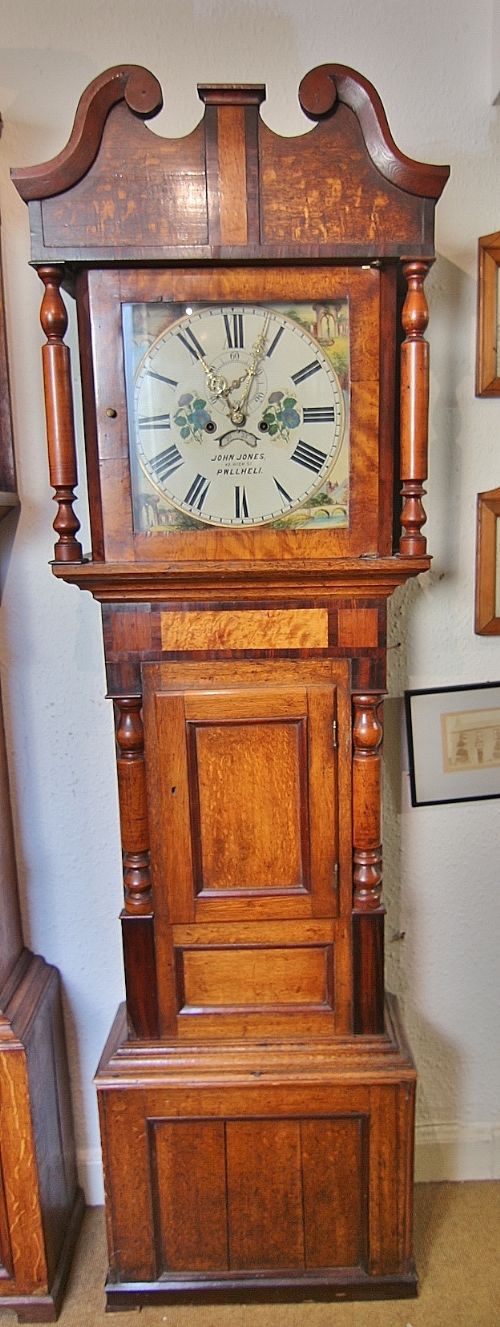
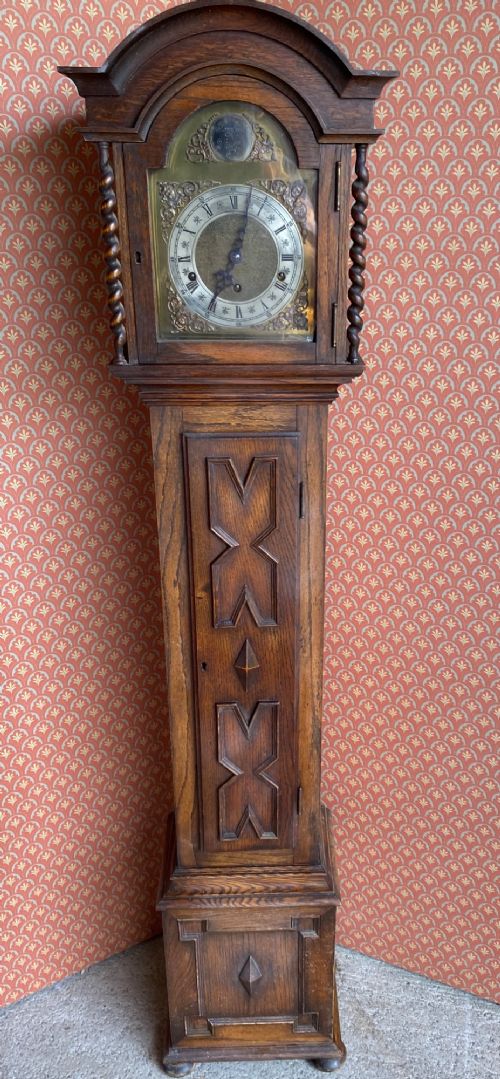
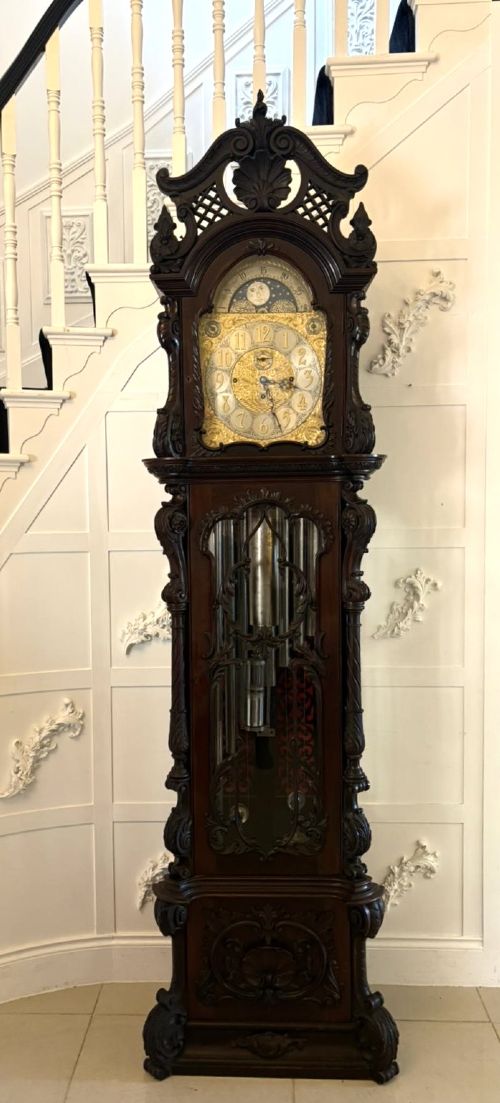
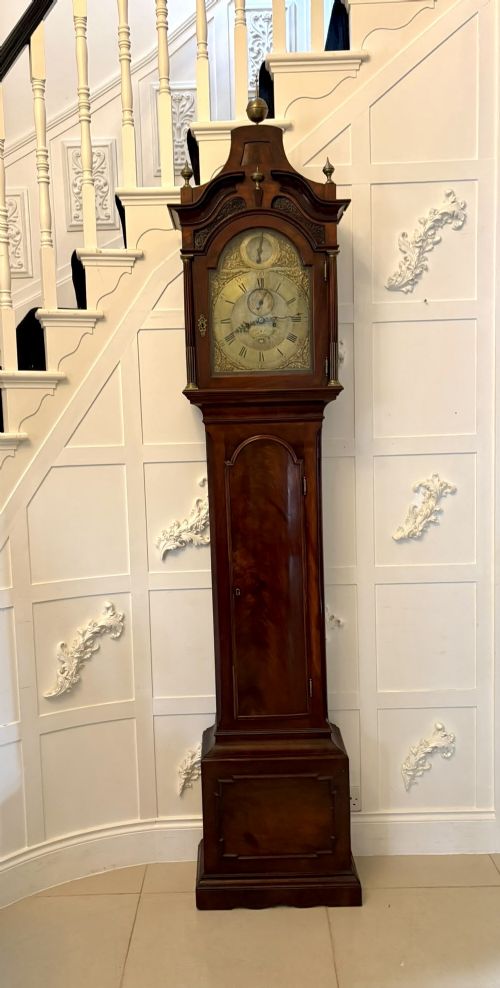
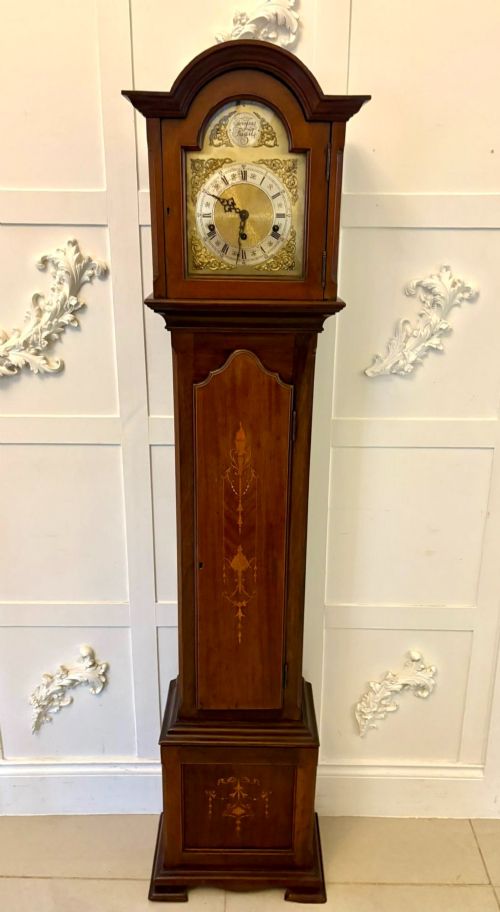
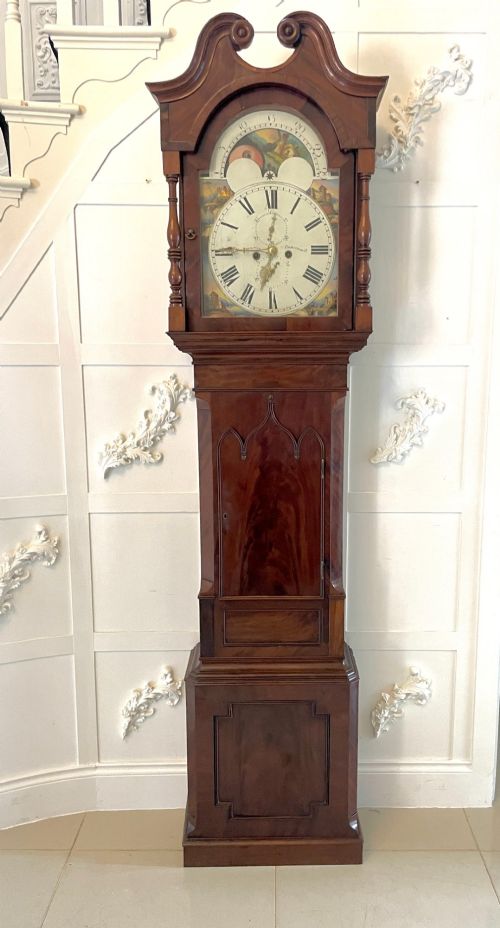
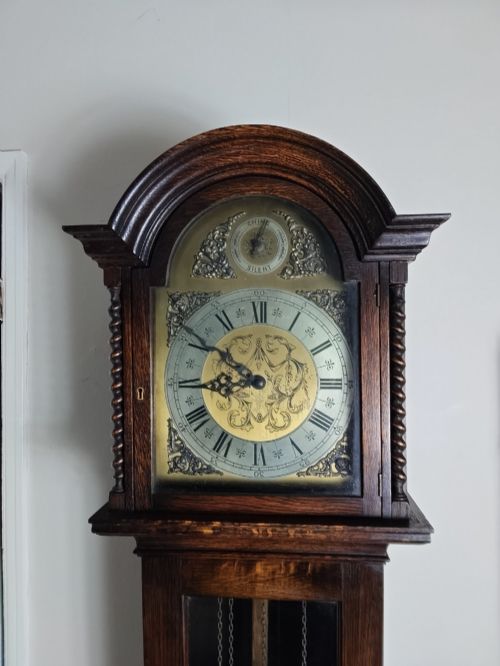
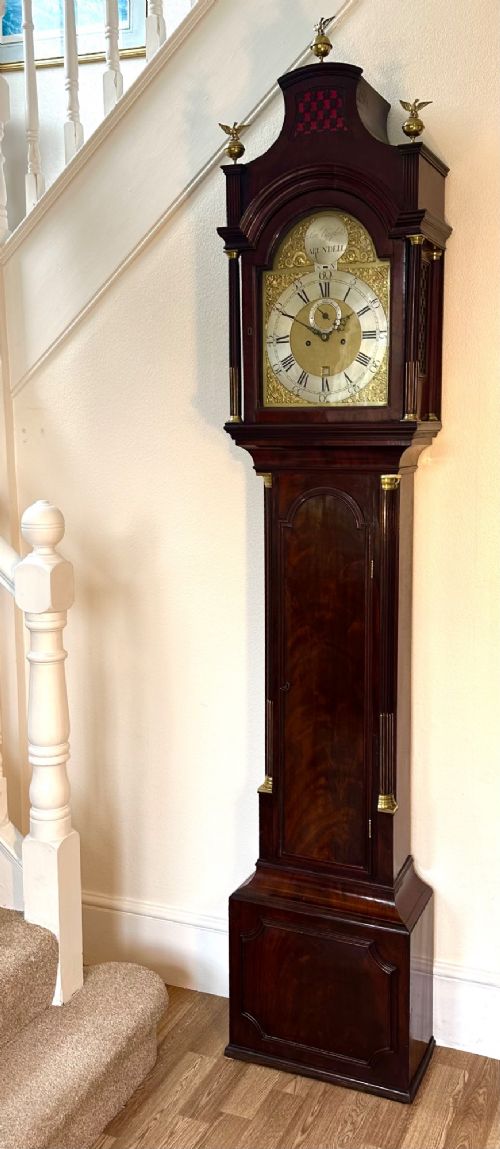
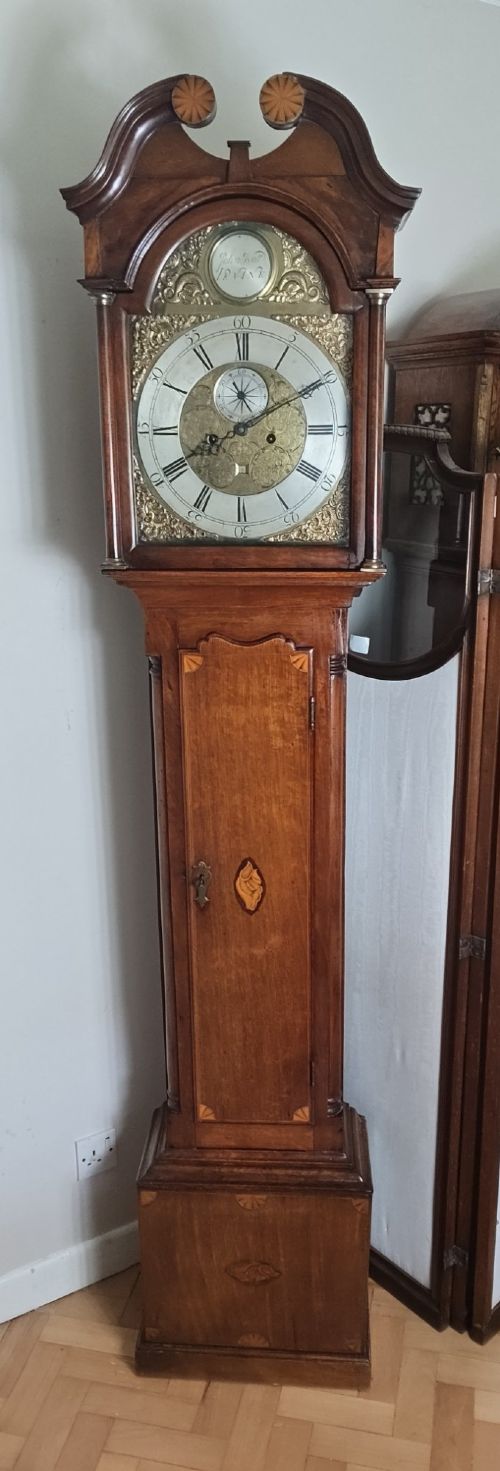
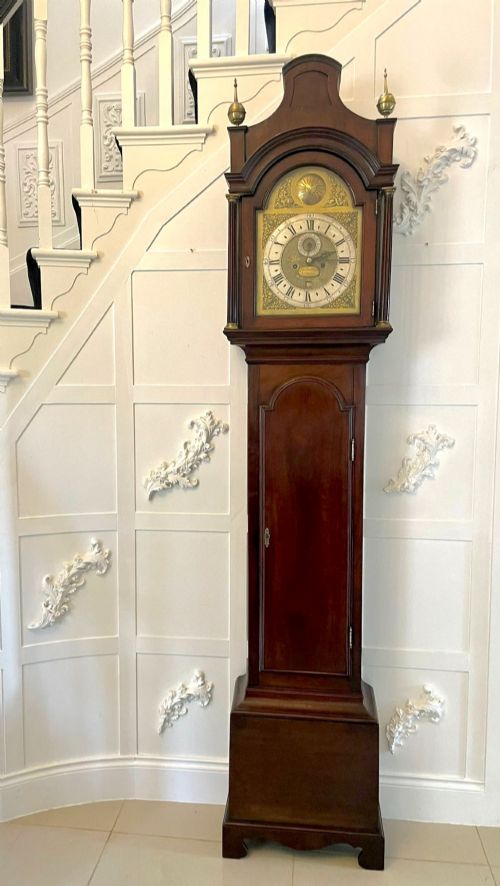
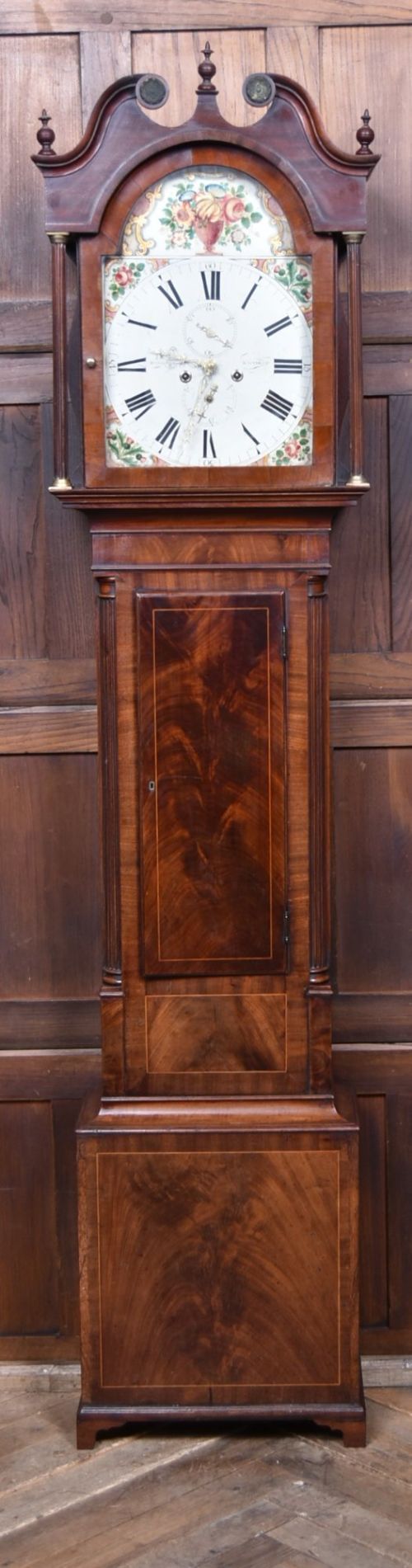
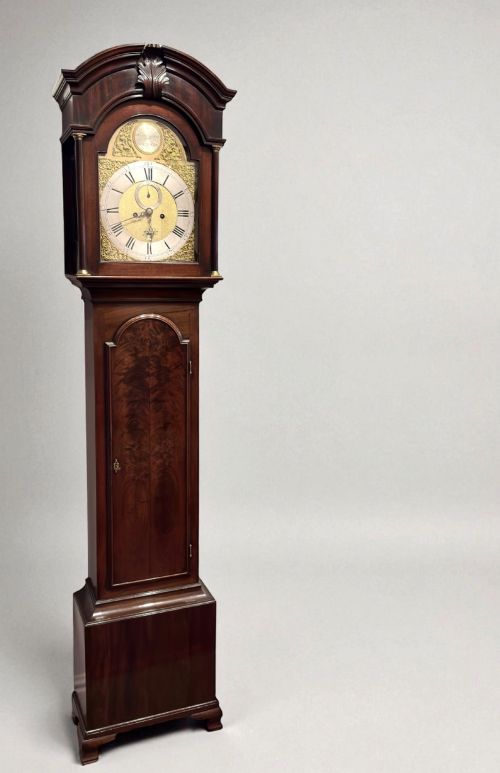
A longcase clock dial provides the primary interface for reading time, anchoring the visual identity of tallcase clocks spanning the eighteenth and nineteenth centuries. These faces appear in brass, painted iron, and enamel, housed within oak, mahogany, and walnut cabinetry from English and Scottish makers.
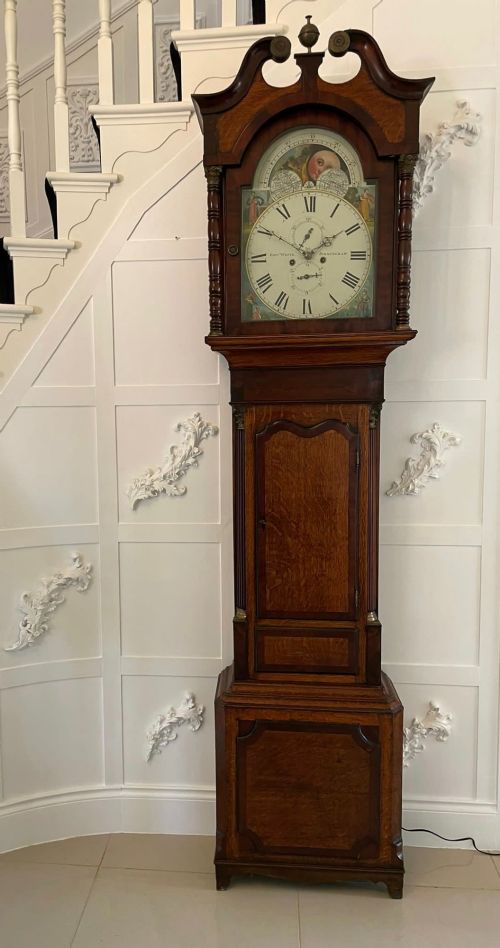
Buyers encounter examples ranging from simple square brass plates to grand arched dials featuring moon phases and subsidiary seconds rings. The forms transition from early Georgian brass work through George III regional production into Victorian and Edwardian variations.
Materials and construction
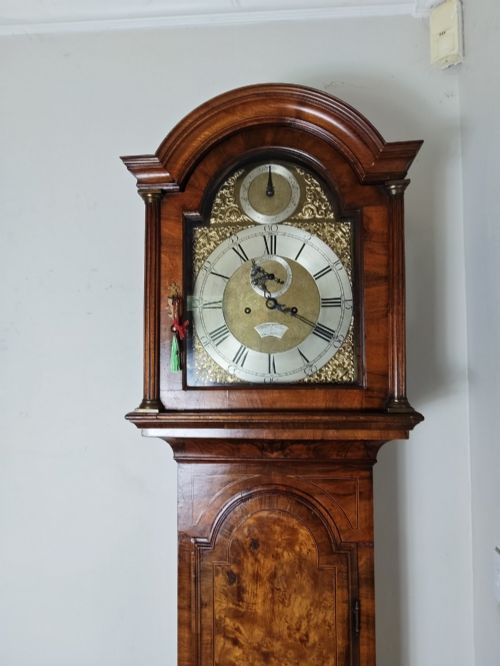
Craftsmen built these faces using cast brass plates or iron sheets, subsequently engraving the brass with intricate floral motifs or applying painted iron finishes with delicate numerals. Silvered brass chapter rings are often pinned to the main face, providing high contrast for the steel hands.
Makers integrated complex mechanical complications behind the metal sheets, including moon roller mechanisms, strike-silent levers, and multiple gear trains driven by weights housed within oak or mahogany trunks.
Listings feature brass, painted iron, and enamel dials across 18th, 19th, and early 20th-century periods.
Assessing craftsmanship and execution
The distinction between standard production and top-tier examples rests in the depth of hand-engraving on brass faces and the artistic merit of painted floral or lunar scenes. Finely executed subsidiary dials, strike-silent indicators, and silvered chapter rings demonstrate superior workshop capability.
Integration between the movement and the dial plate reveals the maker's precision, where original matching signatures and well-preserved surface patination separate exceptional pieces from heavily restored or later married components.
Charles Shuckburgh·John Ellicott·James Field·Richard Corless·James McCabe·John Douglass
The Longcase Clock Dial Glossary
- Chapter ring
- The circular ring fixed to the dial face that bears the hour numerals. These rings are frequently silvered brass on better examples.
- Moon phase
- A rotating mechanism behind an arched aperture in the dial that tracks the lunar cycle. This feature often includes painted representations of the moon.
- Strike-silent
- A mechanism controlled by a small lever on the dial that silences the striking train. It allowed households to sleep undisturbed by the hour chiming.
- Arch dial
- The curved upper extension above the main square dial plate. This space typically houses moon roller mechanisms or maker signatures.
Longcase Clock Dial: Frequently Asked Questions
How do I date a longcase clock dial?
Square brass dials generally point to the earlier eighteenth century, while arched tops and painted iron faces became common towards the end of that period and into the nineteenth century. Typography, signature styles, and decorative corner spandrels help narrow the decade of production.
Examining the materials alongside the cabinet timber provides further context, as brass gave way extensively to painted iron during the Georgian era before later revivals.
Are Scottish dials different from English ones?
Scottish longcase clock dials often display distinct regional naming conventions and unique decorative painting styles on iron faces. Makers in centres such as Aberdeen, Dundee, and Montrose produced work with characteristic local aesthetic traits.
Proportion and cabinetry woods also varied, with Scottish mahogany cases frequently housing distinct dial configurations compared to London workshops.
What does strike-silent mean on the face?
A strike-silent indicator is a small subsidiary hand or lever positioned on the dial face that controls the chiming mechanism. Setting it to silent prevents the clock from sounding the hours during the night.
This practical addition is usually linked to eight-day movements found in better quality Georgian and Victorian tallcase clocks.