


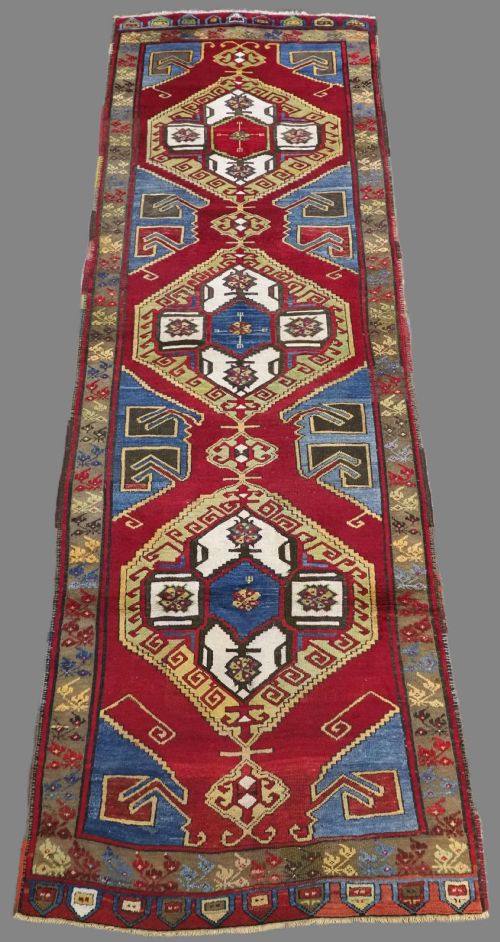
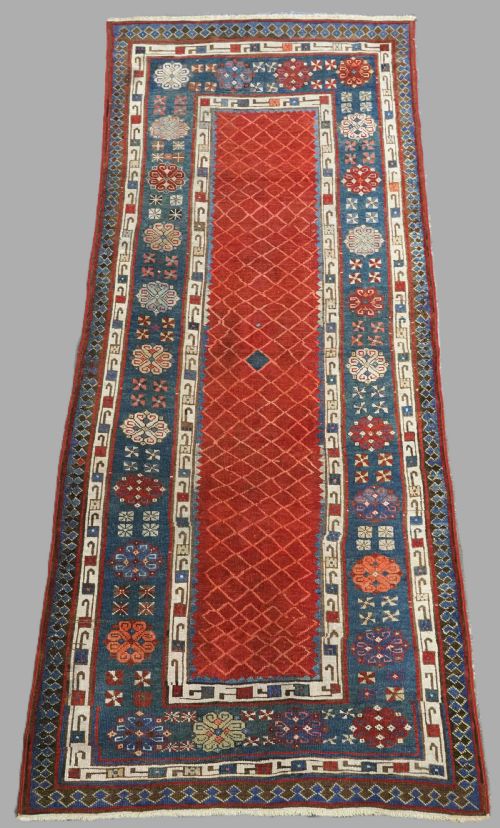
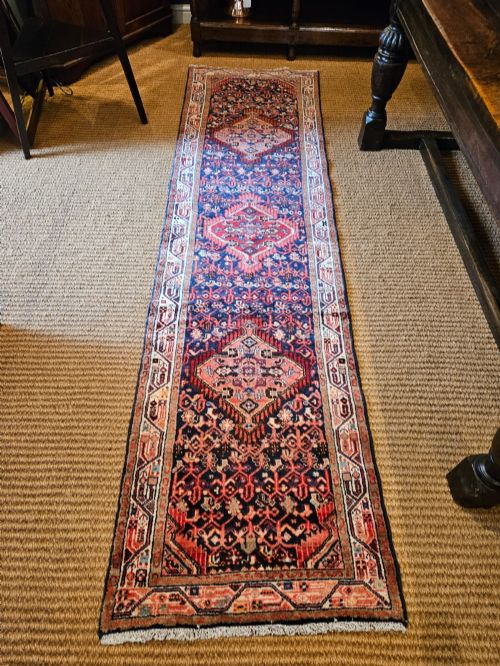
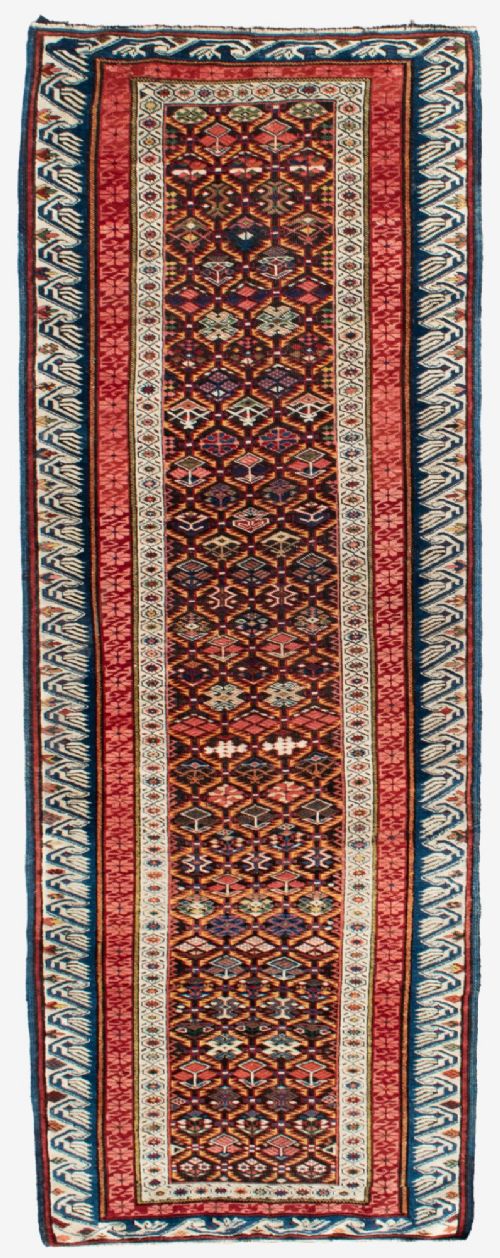
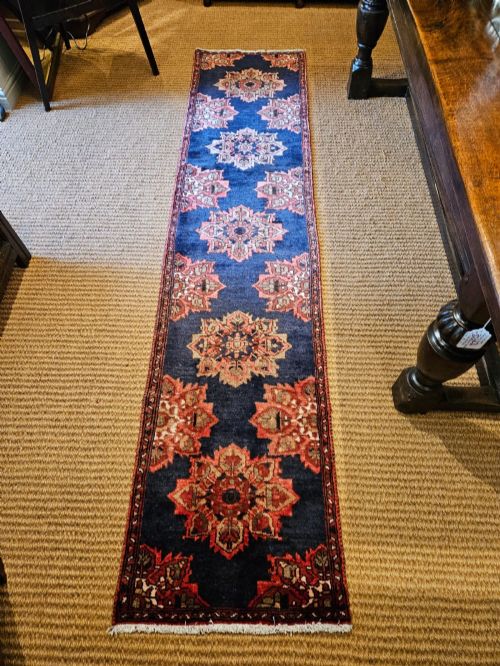
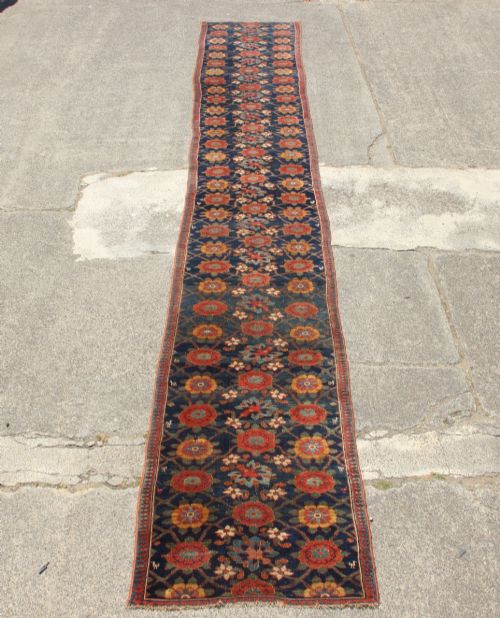
Long Wool Hallway Rug
A long wool hallway rug brings depth and heritage to a narrow passage, connecting rooms through traditional craftsmanship.
Long Wool Hallway Rug
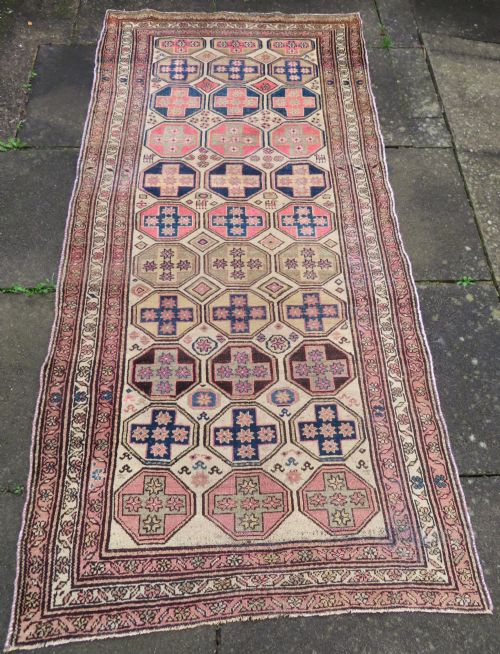
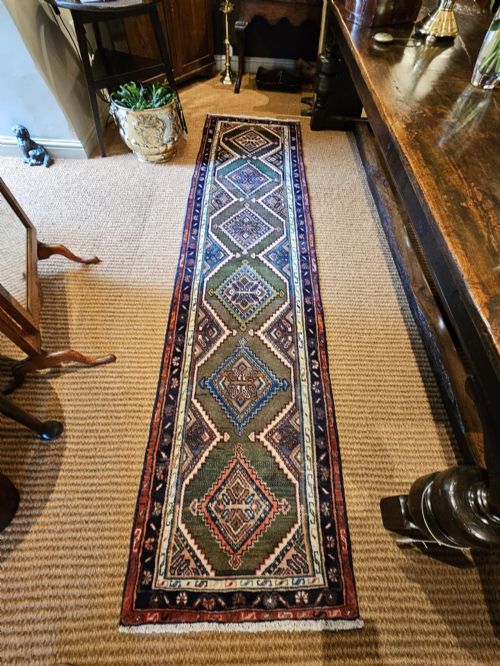
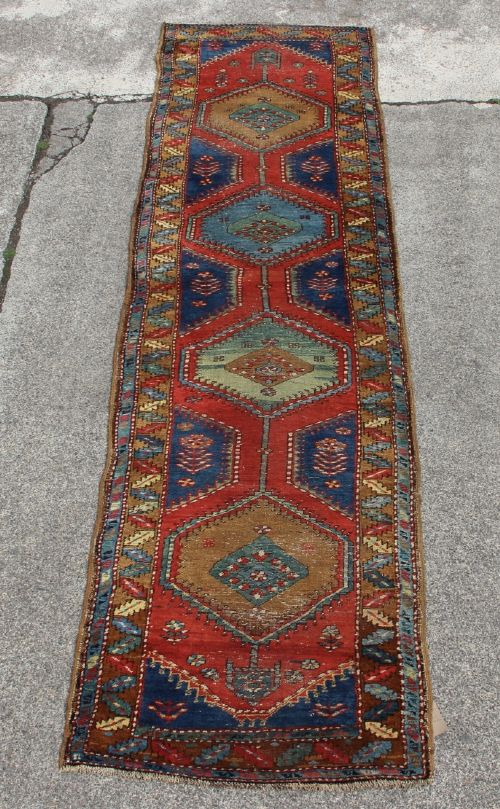
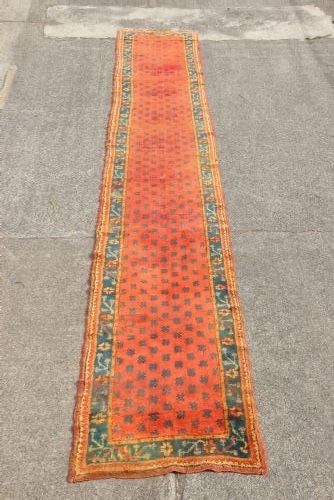
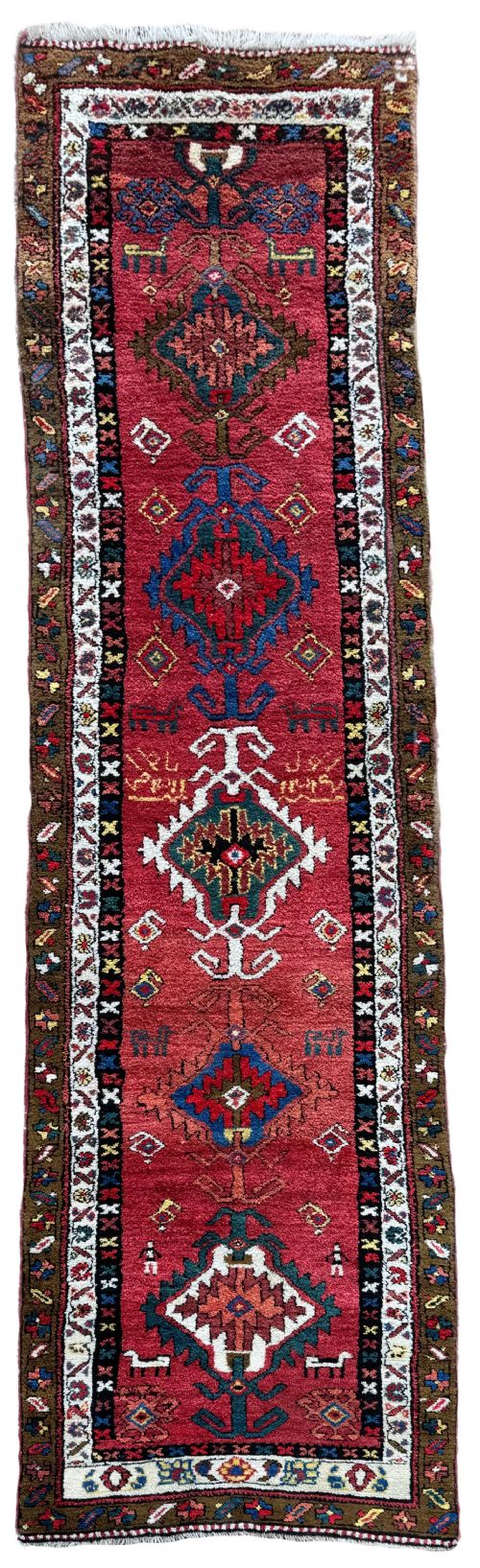
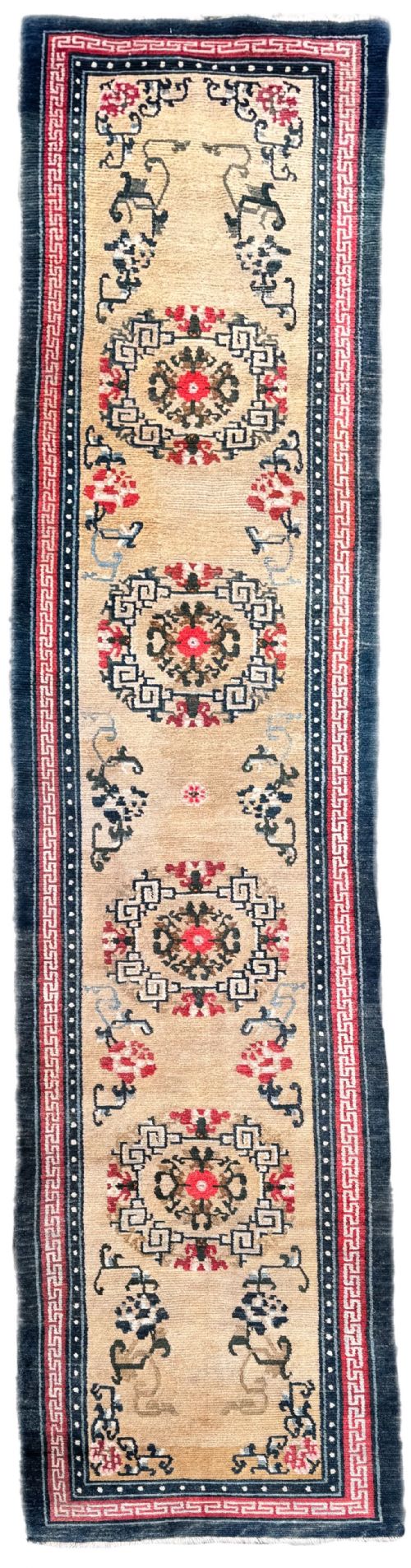
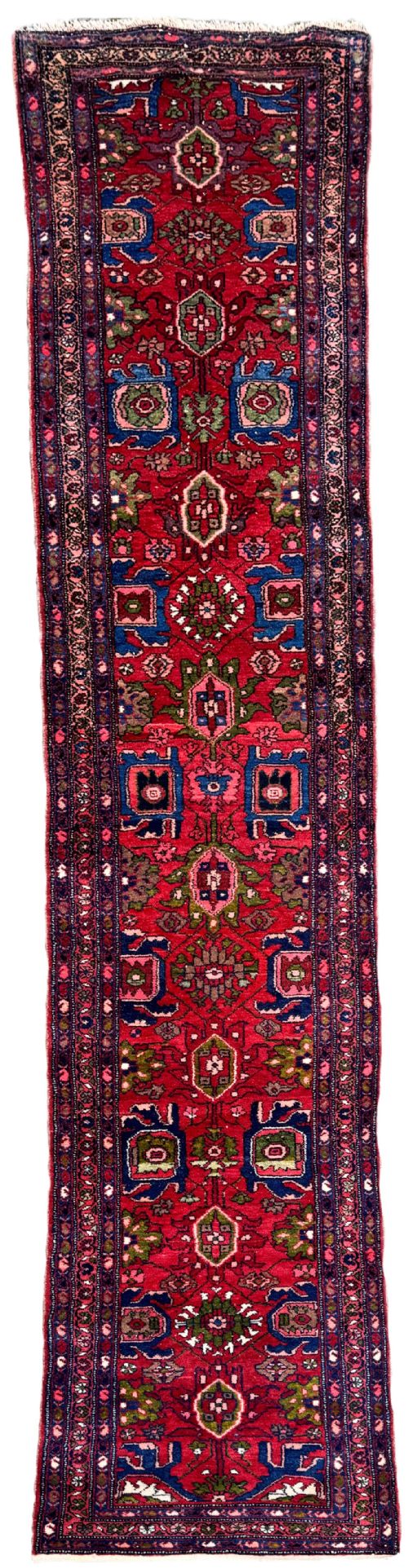
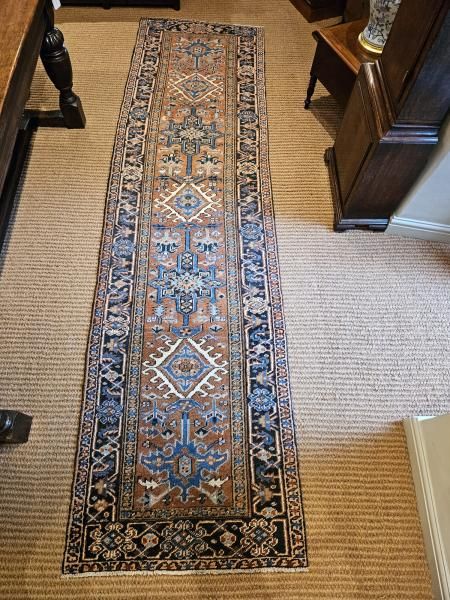
A long wool hallway rug is typically encountered as a runner or long narrow carpet originating from Persian, Turkish, Caucasian, and tribal workshops. These floor coverings bridge transitions between rooms while offering durable utility for heavy foot traffic.
The pieces seen here span from the late nineteenth century through to the mid-twentieth century, encompassing regional weaving traditions such as Kurdish, Heriz, Hamadan, and Oushak styles.
Makers utilised formats designed specifically for corridors, landings, and halls, resulting in proportions that stretch narrow and long over wooden or tiled floors.
How they were made
These textiles rely principally on wool for the pile and foundation, often supplemented by cotton for structural warps and wefts in regional village and workshop productions.
Weavers knotted or handwove the materials on vertical and horizontal looms, employing natural and early synthetic dyes to build intricate lattice, tribal, and geometric designs.
Listings feature wool and cotton materials across runner rugs from the nineteenth and twentieth centuries.
What varies in quality
Quality rests on the density of the knotting and the fineness of the wool fleece utilised in the pile, which dictates how sharply the design renders along the length of the runner.
The balance of proportion, dye saturation, and the integrity of the original wool foundation separate standard village productions from finer workshop pieces.
The Long Wool Hallway Rug Glossary
- Runner
- A long, narrow carpet format specifically proportioned for corridors, hallways, and staircases.
- Pile
- The upright yarn loops or tufts that form the usable surface of a woven floor covering.
- Warp
- The vertical threads stretched on a loom that form the foundational backbone of the textile.
- Weft
- The horizontal threads passed across the warp threads to lock the knots and structure in place.
- Knot
- The individual loops of wool tied to the warp threads to create the patterned pile of the rug.
Long Wool Hallway Rug: Frequently Asked Questions
How do I clean a wool hallway runner?
Regular gentle vacuuming without a rotating brush head removes grit from the wool pile. Professional specialist cleaning remains essential for deep maintenance.
Water and harsh detergents damage natural wool fibres and old dyes. Prompt blotting handles accidental surface spills safely.
Are these rugs durable enough for daily hallways?
Traditional wool pile provides natural resilience and lanolin protection against everyday wear and tear. These textiles were constructed precisely for heavy traffic areas.
Using an appropriate underlay prevents slipping and cushions the wool against hard subfloors. This simple addition extends the working lifespan considerably.
How do I identify a Kurdish runner?
Kurdish pieces often feature robust wool foundations, bold tribal motifs, and saturated palette choices developed in mountain workshops. Structural weight is typically heavier than lighter Anatolian examples.
Design elements frequently incorporate geometric lattices and repeating medallions. Comparing the weave density helps distinguish them from Persian city styles.
What period do these rugs date from?
The pieces available span from the late nineteenth century through the early twentieth century. Victorians and Edwardians imported many of these runners directly from Middle Eastern markets.
Dates are determined by dye types, knotting styles, and regional weaving characteristics. Mid-century examples also appear among the selection.