




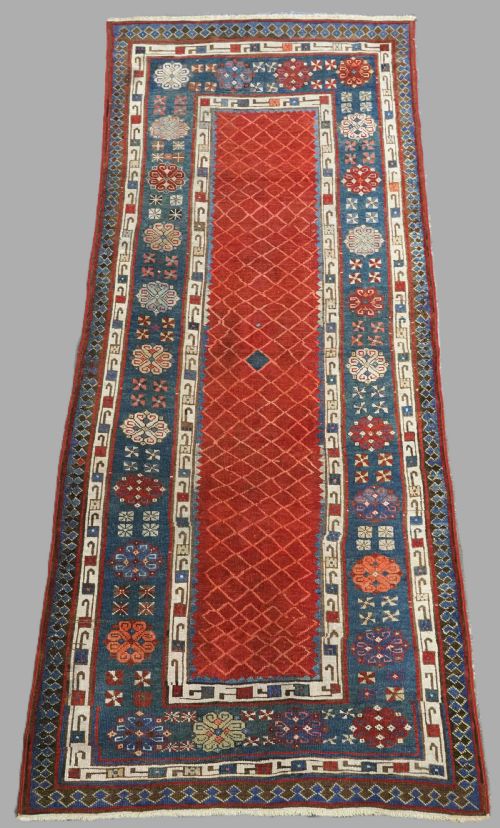
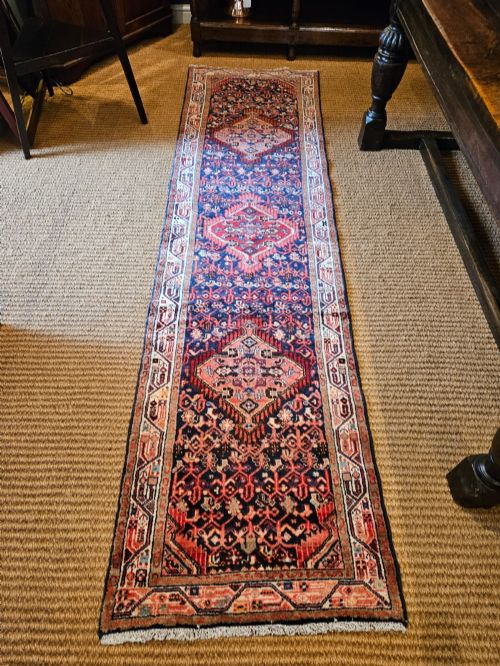
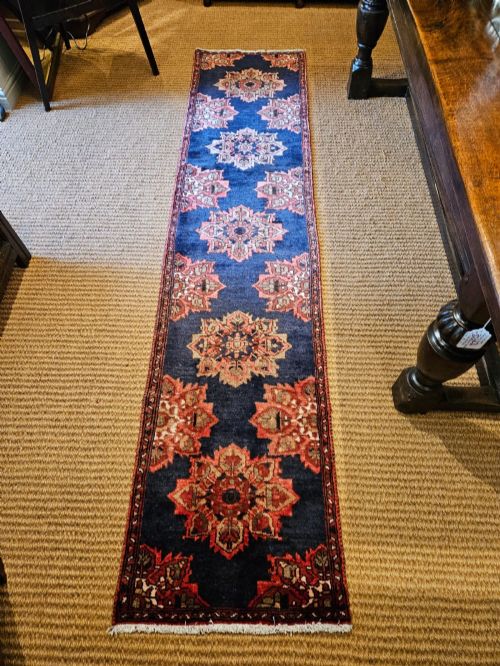
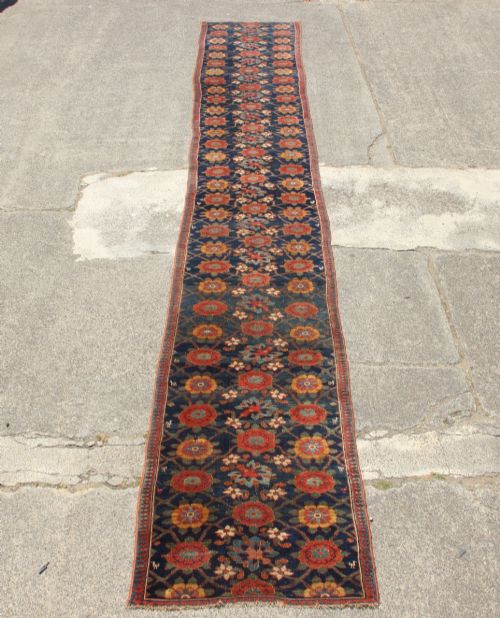
Long Oriental Runner Rug
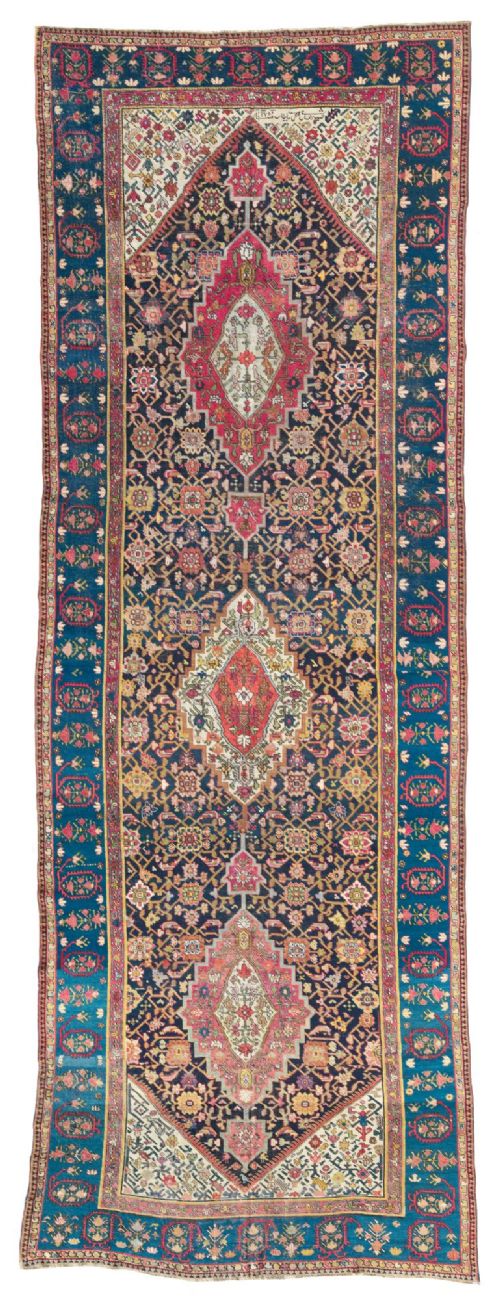
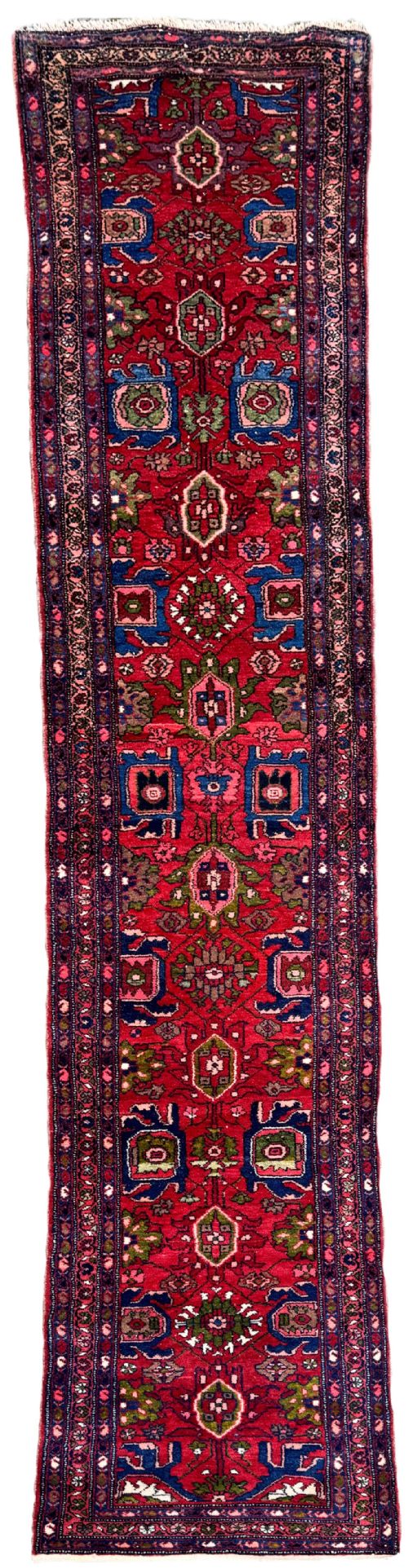
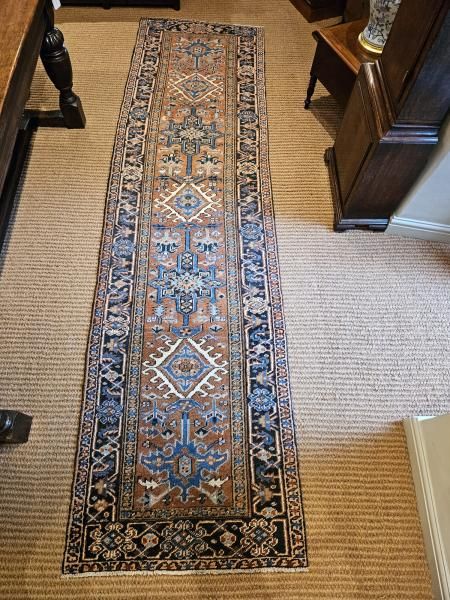
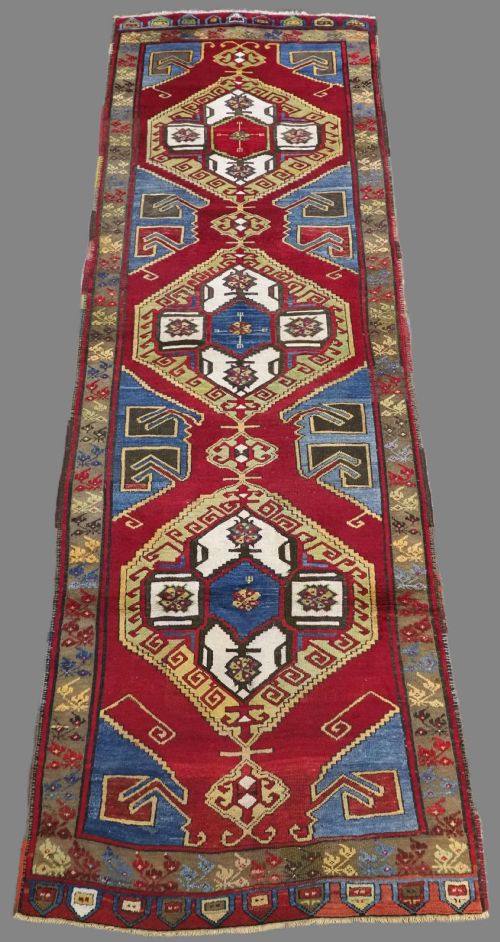
These long oriental runner rug examples bring narrow architectural spaces to life with historic regional patterns woven in deep wool.
Long Oriental Runner Rug
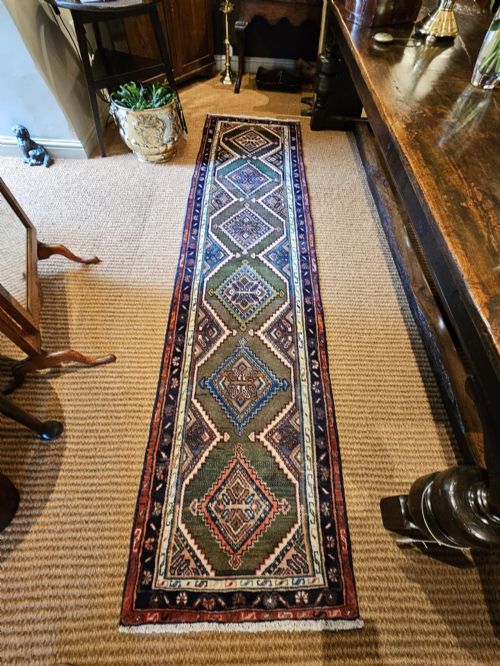
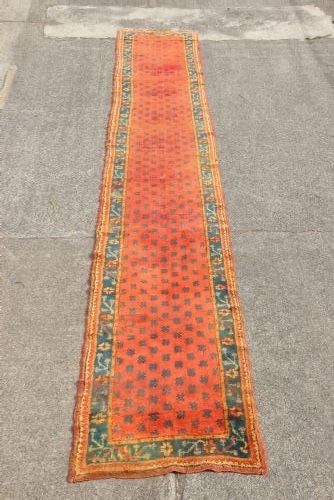
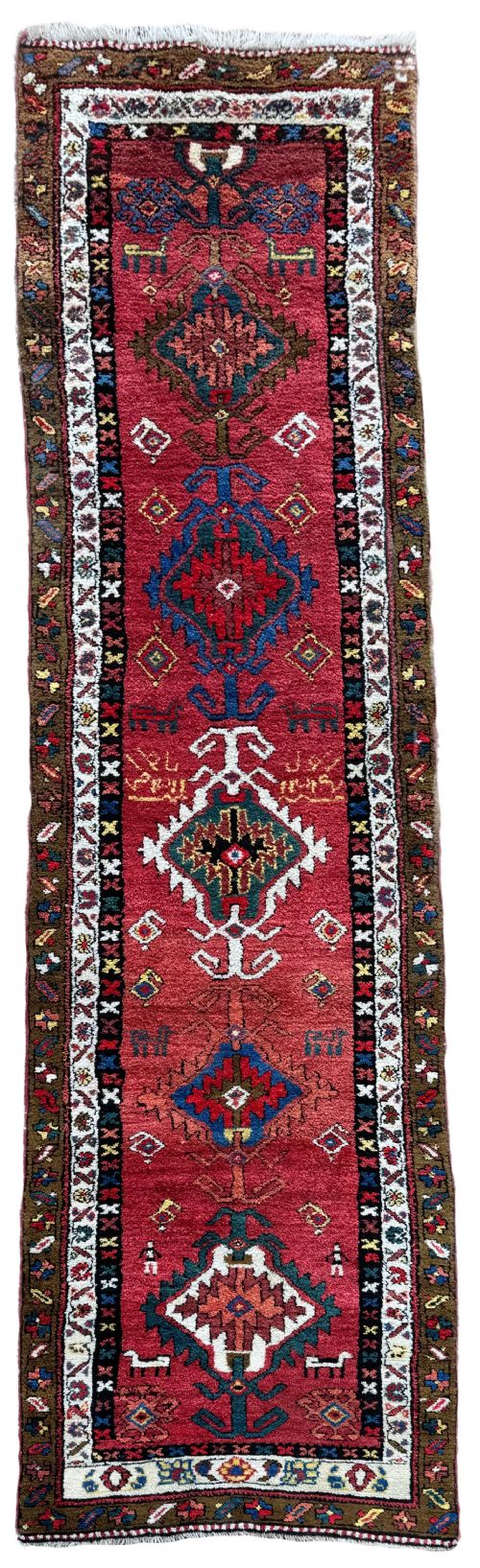
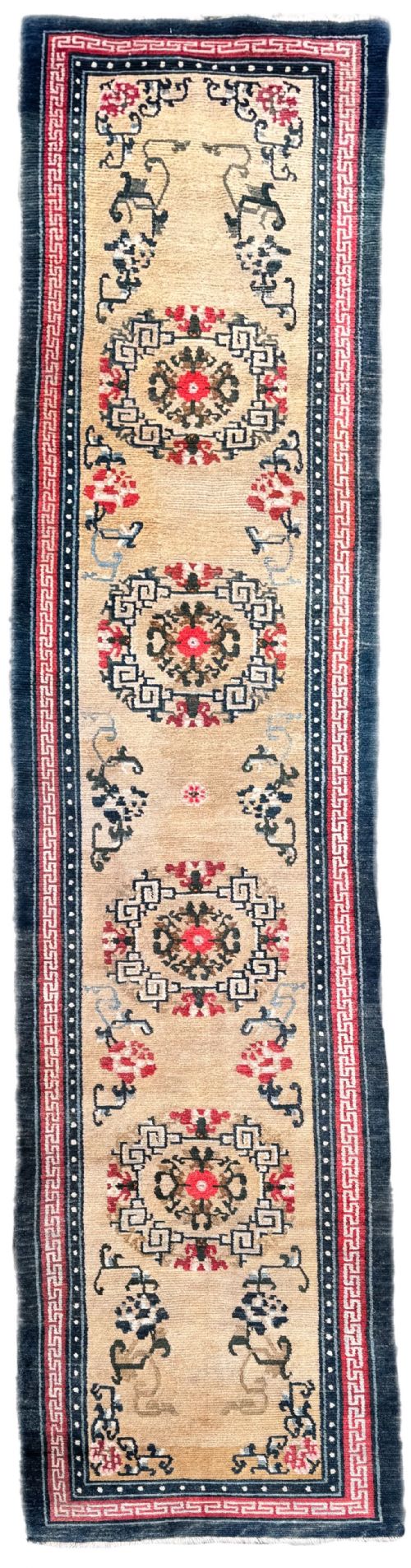
A long oriental runner rug is a narrow, elongated textile designed for corridors, halls, and stairways, spanning lengths that often exceed three or four metres. When exploring this selection, buyers encounter formats originating from traditional weaving centres across Persia, the Caucasus, Anatolia, and Tibet.
The inventory on this page spans the nineteenth century through the early twentieth century, featuring named regional types such as Heriz, Hamadan, Kurdish, and Oushak runners. These pieces served practical domestic roles in country houses and town properties alike, providing durable floor coverings for high-traffic circulation spaces.
Most pieces display geometric medallions, all-over lattice patterns, or repeating tribal motifs rendered in rich palettes of navy blue, olive green, and earthy reds. The format prioritises linear design, guiding the eye along corridors while showcasing the distinct weaving traditions of specific villages and nomadic confederations.
How They Were Made
Makers constructed these runners using hand-spun wool for the pile and cotton or wool for the foundational warps and wefts. Artisans knotted the pile by hand onto vertical looms, utilising traditional asymmetrical or symmetrical knotting techniques that varied by region.
Natural dye stuffs provided the saturated hues seen in these antique textiles, yielding complex shades of indigo, madder red, and olive. The structural integrity relied on tightly packed weft shots and carefully bound selvedges, which protected the edges of the narrow carpet from fraying under heavy footsteps.
Listings feature traditional wool pile constructions originating from Persian, Anatolian, Caucasian, and Tibetan weaving traditions spanning the nineteenth and early twentieth centuries.
What Varies in Quality
Quality in these runners rests upon the density of the knotting and the precision of the tribal or geometric cartoon. Finer knot counts permitted sharper delineation of intricate motifs like the Mina Khani lattice or turreted guls, whereas coarser pieces relied on bolder, more simplified design elements.
The condition of the wool pile and the integrity of the original foundation dictate the structural standard of each runner. Examples that retain their full length, original end finishes, and uncompromised wool depth represent the upper tier of surviving corridor carpets.
The Long Oriental Runner Rug Glossary
- Runner
- A long, narrow carpet format specifically proportioned for corridors, hallways, and stairs. This shape directs pedestrian movement while displaying continuous central medallions or repeating border patterns.
- Kelleh
- A large rectangular carpet format, proportionally wider and shorter than a standard runner, often found in nineteenth-century Persian and Caucasian weaving traditions.
- Gul
- A medallion or repeating octagonal motif characteristic of Turkmen, Afghan, and related tribal carpet designs. These stylized floral or geometric emblems often form the primary anchor of the field design.
- Mina Khani
- A traditional all-over repeating pattern composed of interconnected geometric flowers and rosettes linked by delicate lattice vines. This classical Persian design appears frequently on finer Kurdish and village runners.
- Warps
- The vertical structural threads stretched tightly on the loom before knotting begins. In these oriental runners, warps are typically composed of spun wool or cotton and emerge visibly at the fringed ends.
Long Oriental Runner Rug: Frequently Asked Questions
Where should I place a long runner?
These narrow oriental runners suit hallways, landings, long corridors, and wide staircases where floor coverings soften footfalls and warm up architectural spaces. Their elongated dimensions guide movement through transitional areas of a home.
Ensure you measure the clear floor space between skirting boards or stairs, leaving an even margin of exposed timber or stone on all sides for a balanced aesthetic.
How can I tell different regional styles apart?
Regional attribution relies on specific structural characteristics, colour combinations, and characteristic motifs. For instance, Heriz runners often feature bold geometric medallions and distinct corner spandrels, whereas Caucasian pieces display sharp, highly geometric lattice work and crisp primary palettes.
Examining the weave structure, selvedge wrapping, and end finishes provides further clues to whether a piece originated in a Persian village, an Anatolian workshop, or a Caucasian tribal settlement.
What does a distressed pile mean for a runner?
A distressed or low pile indicates decades of domestic use where the wool has worn down closer to the cotton foundation. This wear pattern is common in genuine nineteenth-century and early twentieth-century floor coverings.
Many collectors appreciate this patinated state because it softens the original colour palette and demonstrates the authentic history of the textile in active service.