


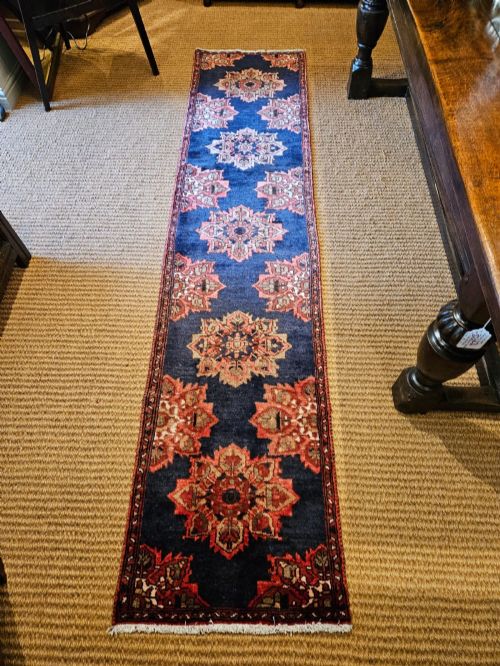
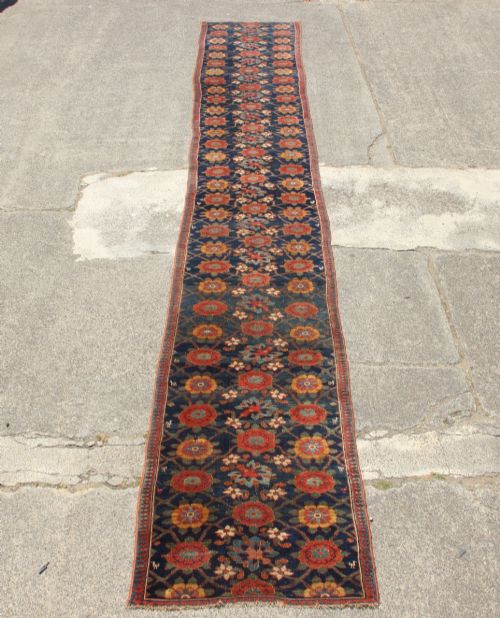
Long Hallway Runner Carpet
A long hallway runner carpet brings texture and warmth to narrow spaces, drawing the eye along corridors with enduring patterns.
Long Hallway Runner Carpet
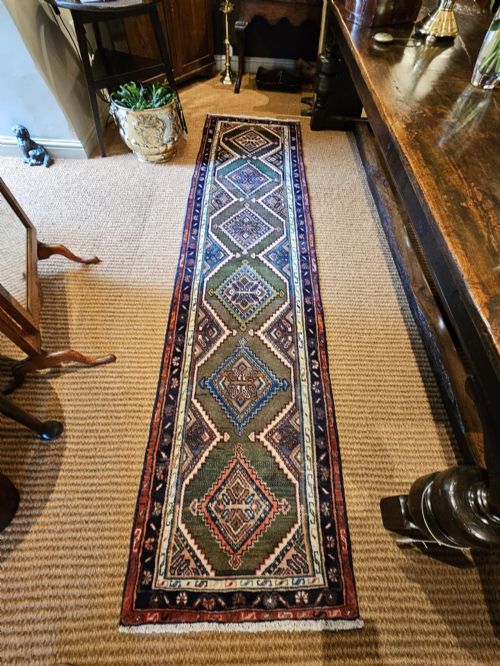
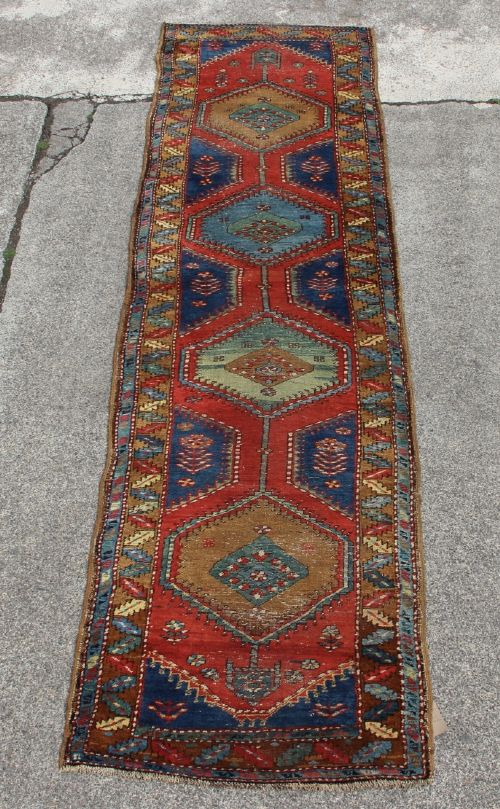
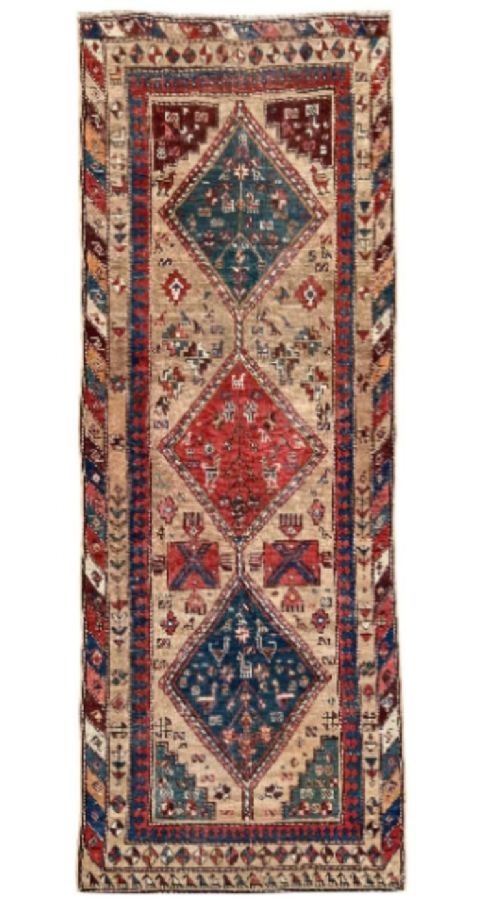
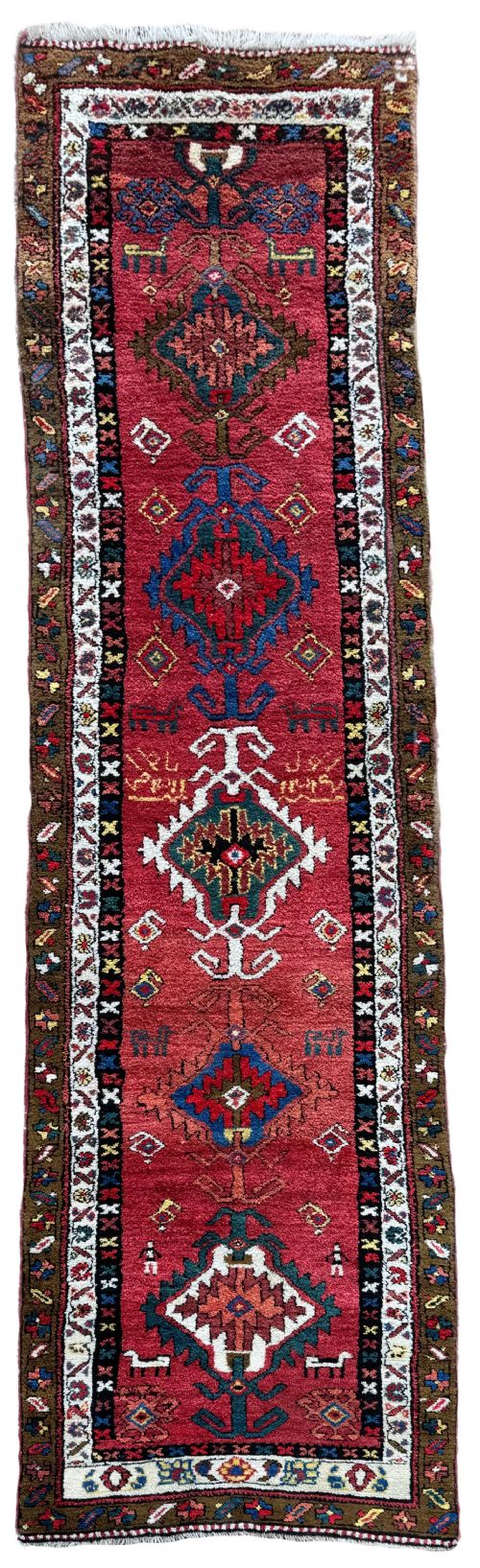
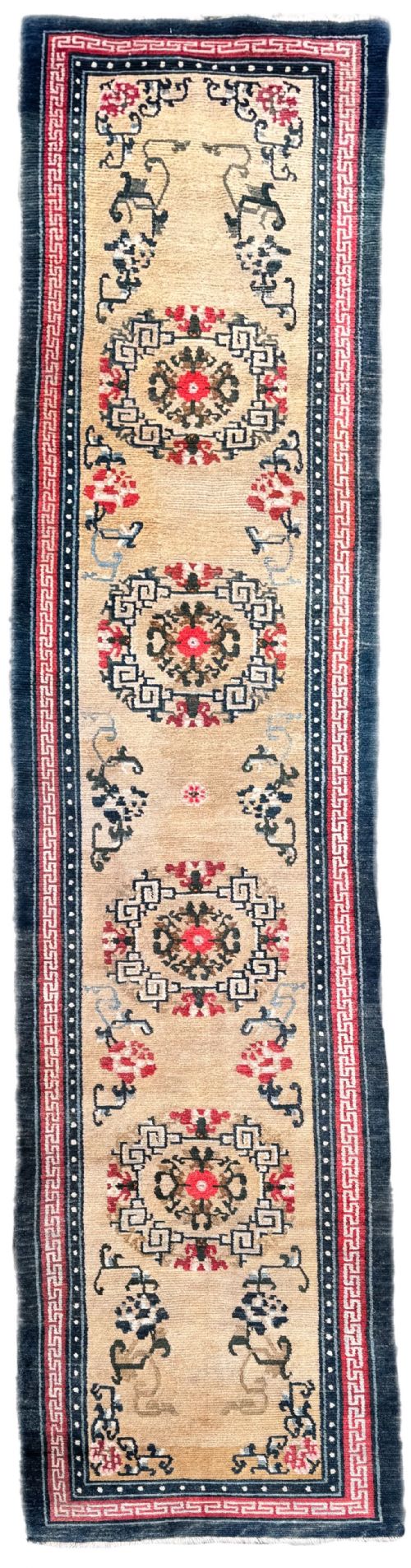
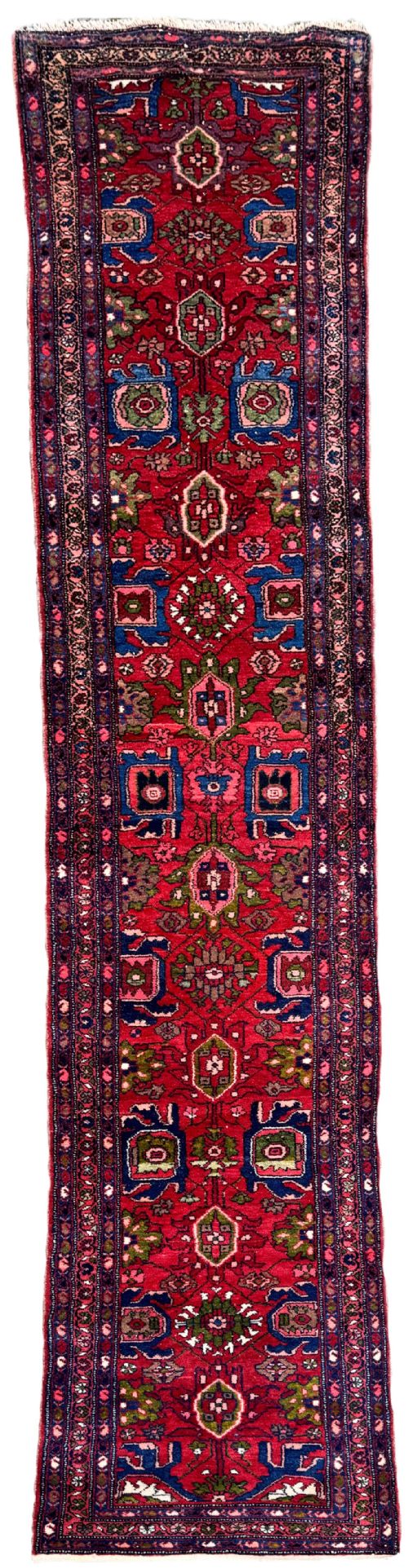
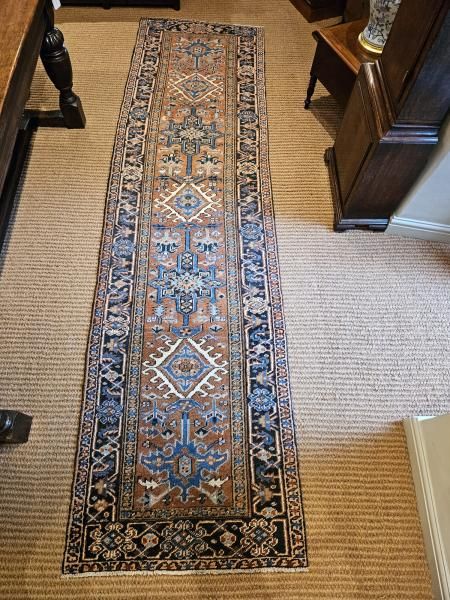
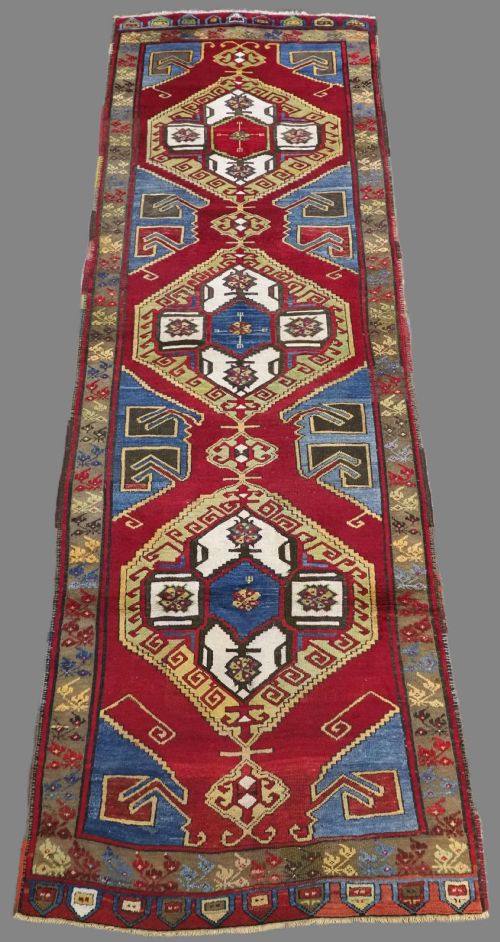
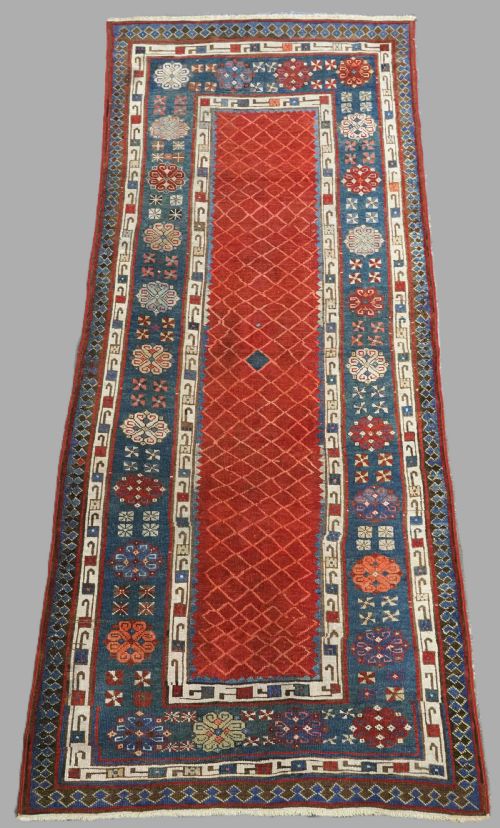
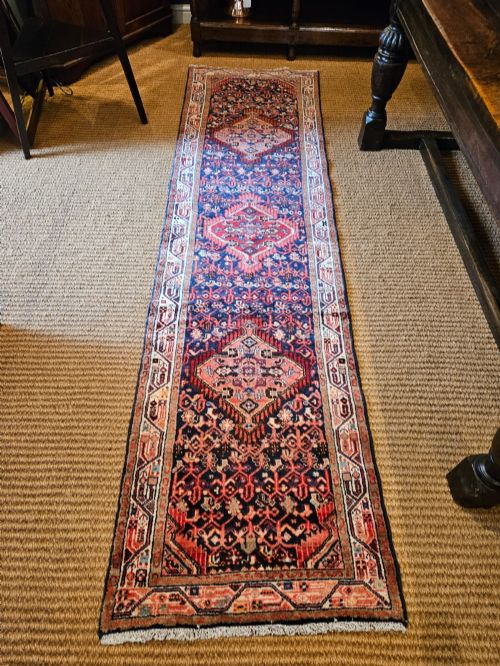
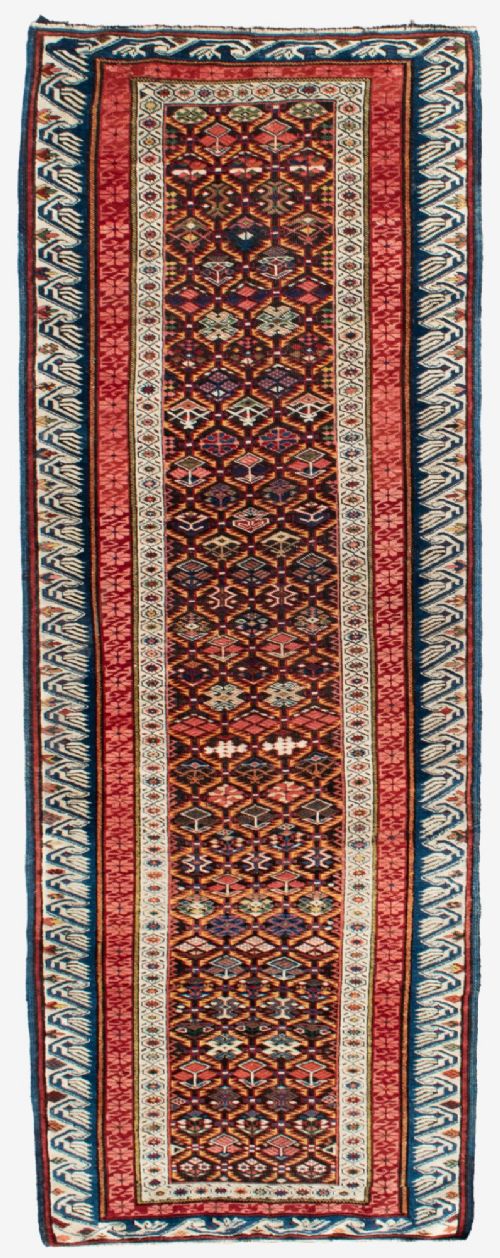
A long hallway runner carpet provides a practical textile covering for extended corridors, stairs and landings. When searching for a long hallway runner carpet, buyers encounter pieces originating from Persian, Caucasian, Anatolian, Turkish and Tibetan traditions. These floor coverings span from the late nineteenth century through to the early decades of the twentieth century, reflecting diverse regional aesthetics.
The inventory on this page showcases narrow formats designed specifically for circulation spaces. Pieces range from modest lengths to exceptional spans exceeding three or nine metres. Tribal workshops and village weavers produced these textiles to withstand heavy daily passage while adding distinct character to domestic architecture.
Examples frequently display geometric medallions, lattice motifs and tribal field designs. Buyers regularly find traditional Persian weaves alongside Kurdish, Shirvan and Oushak productions. Each piece demonstrates the specific weaving vocabulary of its district of origin.
Materials and Construction
Traditional long hallway runner carpets rely on foundations of spun cotton and wool. Weavers knotted hand-spun wool pile onto robust warps and wefts to ensure structural durability. Natural dye stuffs provided deep blues, reds, greens and earthy tones that soften gracefully over generations.
Village and tribal workshops utilised upright looms for hand-knotting each individual pile tuft. Edges were typically finished with overcast selvedges, while ends retained short fringes or secured webbings. This artisanal construction method yielded dense, resilient carpets capable of enduring decades of foot traffic.
Some resilient runners stretch over thirty feet long, easily outlasting several generations of hallway furniture.
Distinctions in Quality and Execution
The distinction between standard examples and finer productions lies in knot density and precision of design. Tighter knotting permits sharper definition within intricate lattice and medallion motifs. Superior wool selection also dictates how resilient the pile remains under prolonged wear.
Colour saturation and the complexity of the palette separate baseline village works from master-woven tribal carpets. Masterpieces display harmonious dye transitions and nuanced abrash, where subtle tonal shifts occur naturally within a single field colour. The integrity of the foundational structure and original edge finishes further determine the overall standard.
The Long Hallway Runner Carpet Glossary
- Runner
- A long, narrow carpet format specifically proportioned for corridors, hallways and staircases.
- Pile
- The upright yarn surface of a carpet formed by individual knots tied to the foundation.
- Abrash
- A natural variation in shade within a single colour field, caused by distinct dye lots or wool batches.
- Warp
- The vertical threads stretched tightly on the loom that carry the structural foundation of the carpet.
- Weft
- The horizontal threads passed alternately over and under warp threads to lock the knots in place.
Long Hallway Runner Carpet: Frequently Asked Questions
How do I choose the right length?
Measure your hallway while leaving a uniform border of exposed flooring around the perimeter of the carpet.
Ensure doors can swing freely over the pile height without catching on the edges.
Are these carpets durable for heavy traffic?
Traditional runner carpets were constructed using dense wool pile designed to withstand constant daily movement.
Utilising a quality underlay helps absorb impact and prevents shifting on wooden or tiled floors.
How do I clean an antique runner?
Regular gentle vacuuming without a rotating brush roll prevents dust accumulation within the wool fibres.
Professional textile conservators should handle deep cleaning to protect natural dyes and historical foundations.
What indicates a tribal origin?
Tribal carpets often feature asymmetrical geometric motifs, ram horns or repeated memory patterns rather than formal court designs.
These pieces reflect the independent nomadic or village traditions of weavers working outside city workshops.