


London Striking Clock
A London striking clock brings together centuries of skilled horology, housed in handsome timber cases designed to regulate time with mechanical precision.
London Striking Clock
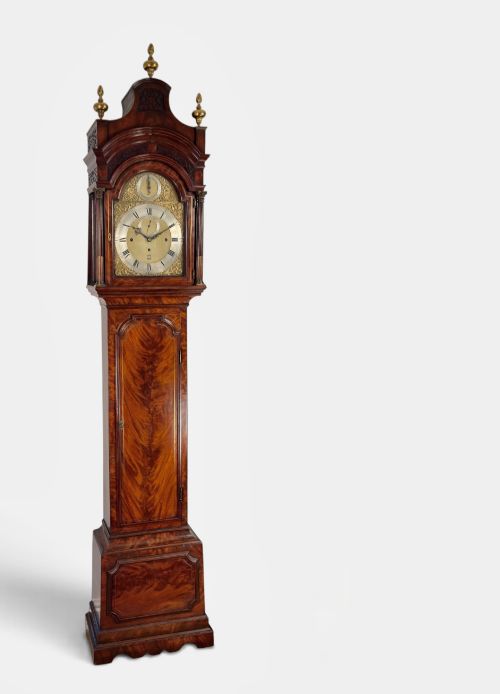
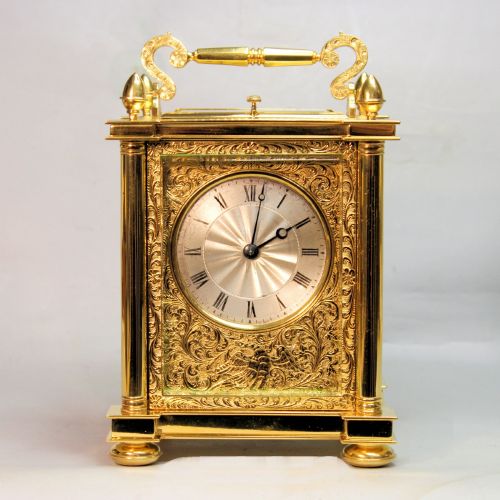
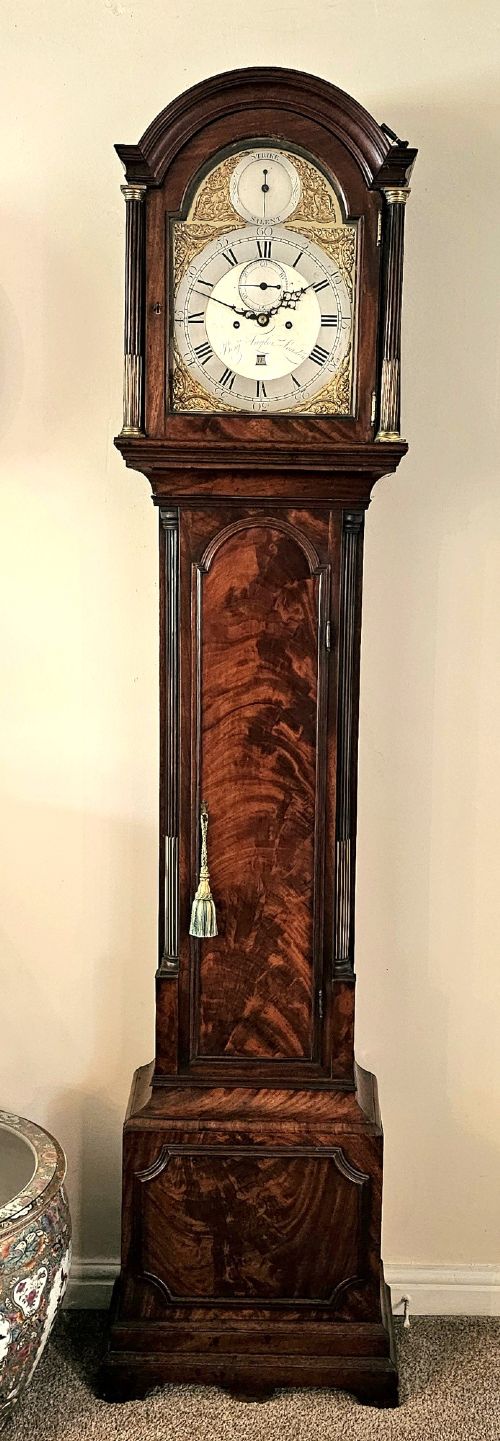
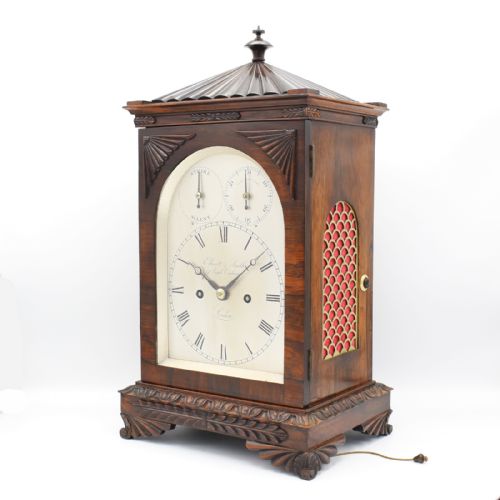
A london striking clock is a mechanical timepiece originating from the workshops and makers of the capital, designed to sound the hours and sometimes quarters on bells or gongs. These horological pieces appear in various domestic formats, including tall longcase clocks, compact bracket clocks for tables, and wall-mounted dials.
The objects spanning the 18th century to the 20th century demonstrate evolving interior tastes. Longcase variations dominate the earlier Georgian eras, while table and bracket examples utilise mahogany, ebonised wood, and lacquer work to suit smaller rooms.
Makers integrated complex gear trains into these housings, producing pieces that function as both reliable timekeepers and sculptural furniture. Buyers encounter everything from simple bell-strike wall clocks to intricate quarter-striking bracket designs.
How They Were Made
Craftsmen built these movements using brass and steel for the intricate gear wheels, escapements, and arbors that control the striking mechanism. Silvered brass or enamel dials provide the face, often featuring engraved signatures and chapter rings.
Cases rely heavily on solid mahogany, ebonised timber, and exotic veneers shaped into bell-top, inverted bell-top, or balloon silhouettes. Glazed doors and glass panels protect the delicate inner mechanics while allowing visibility of the swinging pendulums and oscillating balances.
Listings feature movements housed in mahogany, ebonised wood, and rosewood cases spanning the Georgian, Regency, and Victorian periods.
What Varies in Quality
The standard of execution rests in the sophistication of the internal movement and the complexity of its striking train. Single fusee setups sit at the simpler end, whereas twin or triple fusee configurations with quarter-striking or musical capabilities represent advanced horological skill.
Cabinetwork differentiates pieces through timber selection, veneer matching, and the crispness of applied brass mounts or carved details. Finer examples retain original dial signatures, high-grade verge or anchor escapements, and untouched movement components.
John Ellicott·Cousens & Whiteside·Barwise·Benjamin Taylor·Henry Weedon·William Moon·Des Granges·Louis Recordon·Payne & Co·Somersall·John Shelton·William Withers·John Taylor·James Smith·Chater & Son·Robert Higgs·J.W. Benson·John Leroux·DeLa Salle And Christie·John Fletcher·Goldsmiths & Silversmiths·Watson·William Smith·C. Coleman·Benjamin Maud
The London Striking Clock Glossary
- Fusee
- A conical pulley used in mechanical clocks to maintain an even drive force as the mainspring unwinds. This device ensures consistent timekeeping accuracy across the duration of the wind.
- Verge escapement
- An early type of escapement mechanism that controls the release of power in a clock movement. It works alongside a balance spring or pendulum to regulate the gear train.
- Bracket clock
- A portable table clock originally designed to sit on a wall bracket or furniture surface. These housings frequently feature brass carrying handles and glazed side panels.
- Longcase clock
- A tall pendulum clock enclosed in a wooden case resting on the floor. These tall horological pieces house weighted movements and protective hoods.
- Quarter striking
- A mechanism that chimes the fractions of an hour on multiple bells in addition to sounding the full hour. This function requires extra gear trains within the movement.
London Striking Clock: Frequently Asked Questions
How do I wind my London striking clock?
Most fusee movements require a specific winding key inserted into holes on the dial face to tension the mainspring or pull up the weights. Care must be taken not to overwind the mechanism.
Ensuring the hands are moved correctly according to the escapement type prevents damage to the striking gear trains.
Why does my clock strike the wrong hour?
Striking mechanisms sometimes get out of sequence if the hands are moved backwards or if the clock runs down entirely. Letting the striking train finish its cycle independently usually restores synchronization.
For rack-strike movements, gently tripping the internal lever can align the count wheel with the correct hour.
Where should I place a bracket clock?
Table and bracket clocks perform best on sturdy, level surfaces away from direct sunlight, drafts, and exterior doors. Stability helps the pendulum or balance wheel maintain a steady beat.
Placing them on secure wooden furniture also amplifies the acoustic resonance of the striking bells.
How can I tell the age of a clock?
Dating relies on stylistic clues in the wooden case, such as mahogany veneers, brass dial spandrels, and architectural hood designs. Signature engraving styles and movement construction also indicate specific periods.
Comparing maker names against known working dates in London provides a reliable chronological window.