




London Hallmarked Silver Bowl
These london hallmarked silver bowl examples range from Georgian table pieces to Edwardian presentation items, offering enduring metalwork for the modern interior.
London Hallmarked Silver Bowl
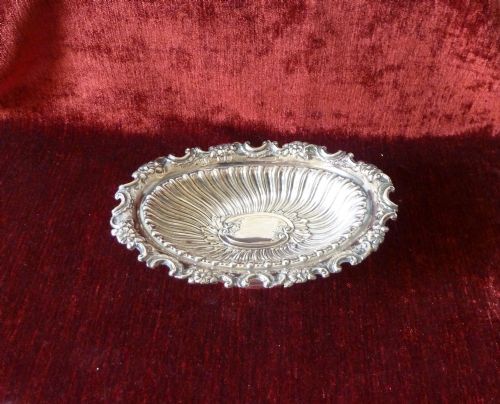
A london hallmarked silver bowl encompasses a diverse variety of domestic vessels, ranging from sugar basins and butter dishes to decorative baskets and pedestal bowls. These items emerge from multiple eras, with Victorian and Edwardian examples appearing frequently alongside Georgian work.
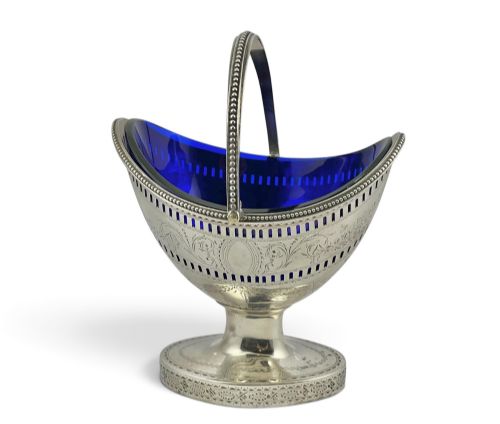
Buyers encounter distinct forms shaped by their original household uses, such as footed tazzas, pierced oval baskets, and glass-lined sugar basins. The physical evidence shows sterling silver as the primary medium, often paired with cobalt or green glass inserts.
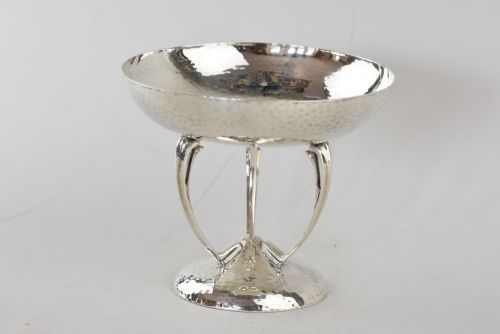
Stylistic influences span from George III neoclassical designs through to Arts and Crafts hammering, Art Nouveau motifs, and Art Deco geometry. Each piece carries official assay office marks confirming its London origin and year of manufacture.
Materials and construction
Silversmiths utilised solid sterling silver, shaping vessels through hammering, piercing, and casting techniques. Pieces often incorporate functional linings of cobalt or green glass, alongside fitted presentation cases lined with silk, velvet, and leather.
Craftsmen applied decorative treatments ranging from hand-hammered surfaces to pierced openwork lattices and applied neoclassical borders. Structural integrity relies on traditional soldering and riveting methods suited to domestic table use.
London Hallmarked Silver Bowl Retail Price Guide 2026
Typical asking prices for london hallmarked silver bowl among the pieces listed under this phrase on Sellingantiques today, from the lower quarter to the upper quarter. They describe what is for sale here now, not the wider market.
Arts and Crafts, Art Nouveau, and Regency design styles appear across multiple functional bowl and dish forms.
Evaluating craftsmanship and condition
Quality rests upon the crispness of the assay marks, the weight of the solid silver, and the precision of decorative piercing or hand-hammering. Superior examples maintain intact original glass liners and well-preserved structural proportions without distortion.
Maker attribution elevates certain works, particularly those bearing the marks of established silversmith firms or known craftsmen. The survival of associated fitted cases and matching companion pieces also distinguishes finer items.
Goldsmiths and Silversmiths Company·William Comyns·Daniel Cary
The London Hallmarked Silver Bowl Glossary
- Hallmark
- Official stamps applied by an assay office to guarantee the purity of precious metal. These marks typically include the maker's mark, standard mark, town mark for London, and a date letter.
- Sterling silver
- An alloy consisting of ninety-two point five percent silver and seven point five percent other metals, usually copper. This standard composition ensures durability while maintaining a bright metallic lustre.
- Pedestal bowl
- A vessel raised upon a footed base or pedestal stem, elevating the central basin. This form appears frequently in Edwardian decorative silver.
- Pierced work
- A decorative technique involving the cutting or piercing of patterns through the silver sheet. Victorian basket forms frequently utilise this method to create openwork lattices.
- Tazza
- An ornate shallow cup or bowl mounted on a stem and foot. Arts and Crafts examples often feature hand-hammered surfaces and multiple supporting legs.
London Hallmarked Silver Bowl: Frequently Asked Questions
How do I read London silver date letters?
London date letters change sequentially according to specific alphabet cycles and shield shapes used by the assay office. Comparing the exact letter font against standard assay office tables reveals the precise year of testing.
Matching the accompanying maker's mark and standard lion passant helps confirm the production period of the piece.
What were glass liners used for?
Glass liners protected the silver from corrosive foodstuffs like sugar, butter, or preserves. Cobalt blue and green glass inserts provided a vibrant visual contrast against pierced or openwork silver baskets.
Original coloured glass liners add significant authenticity to Georgian and Edwardian table silver.
How do I clean antique silver?
Antique silver requires gentle cleaning with non-abrasive cloths and specialist silver polishes designed to preserve surface patination. Harsh chemical dips strip away the natural ageing that collectors value.
Store pieces in dry environments away from direct sunlight to minimise tarnishing.
Are all London silver bowls sterling standard?
London pieces bearing the leopard head mark and sterling lion passant meet the strict ninety-two point five percent purity standard. Occasional items may feature alternative regional or export marks.
Verifying the physical hallmarks remains the primary method for confirming metal purity.