
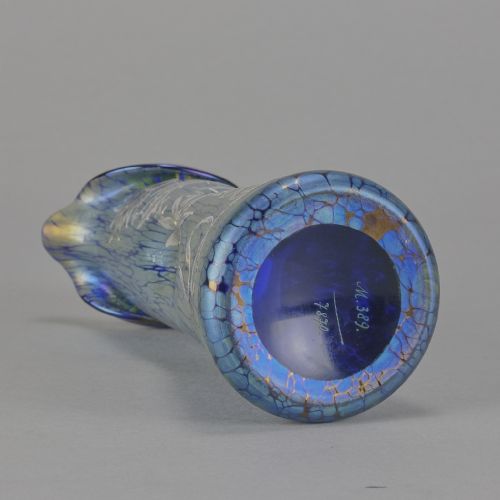
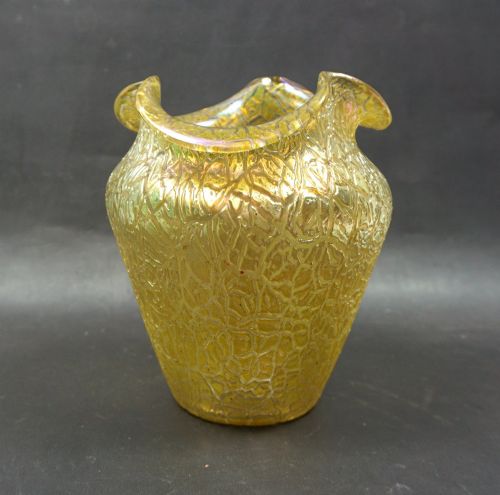
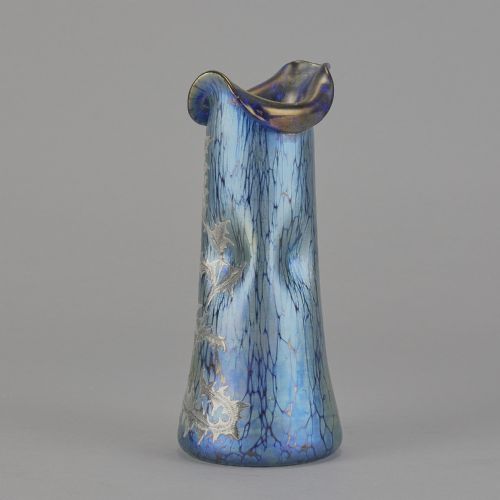
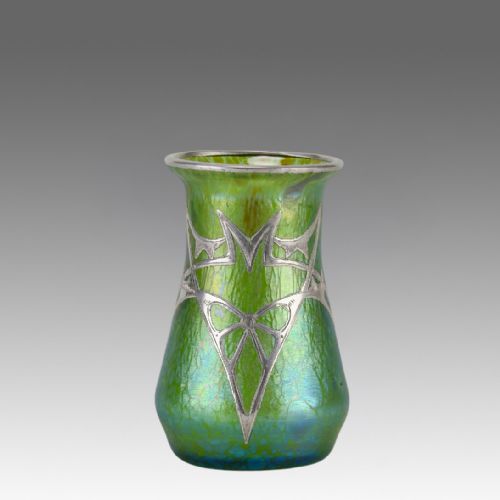


Loetz Glass Vase
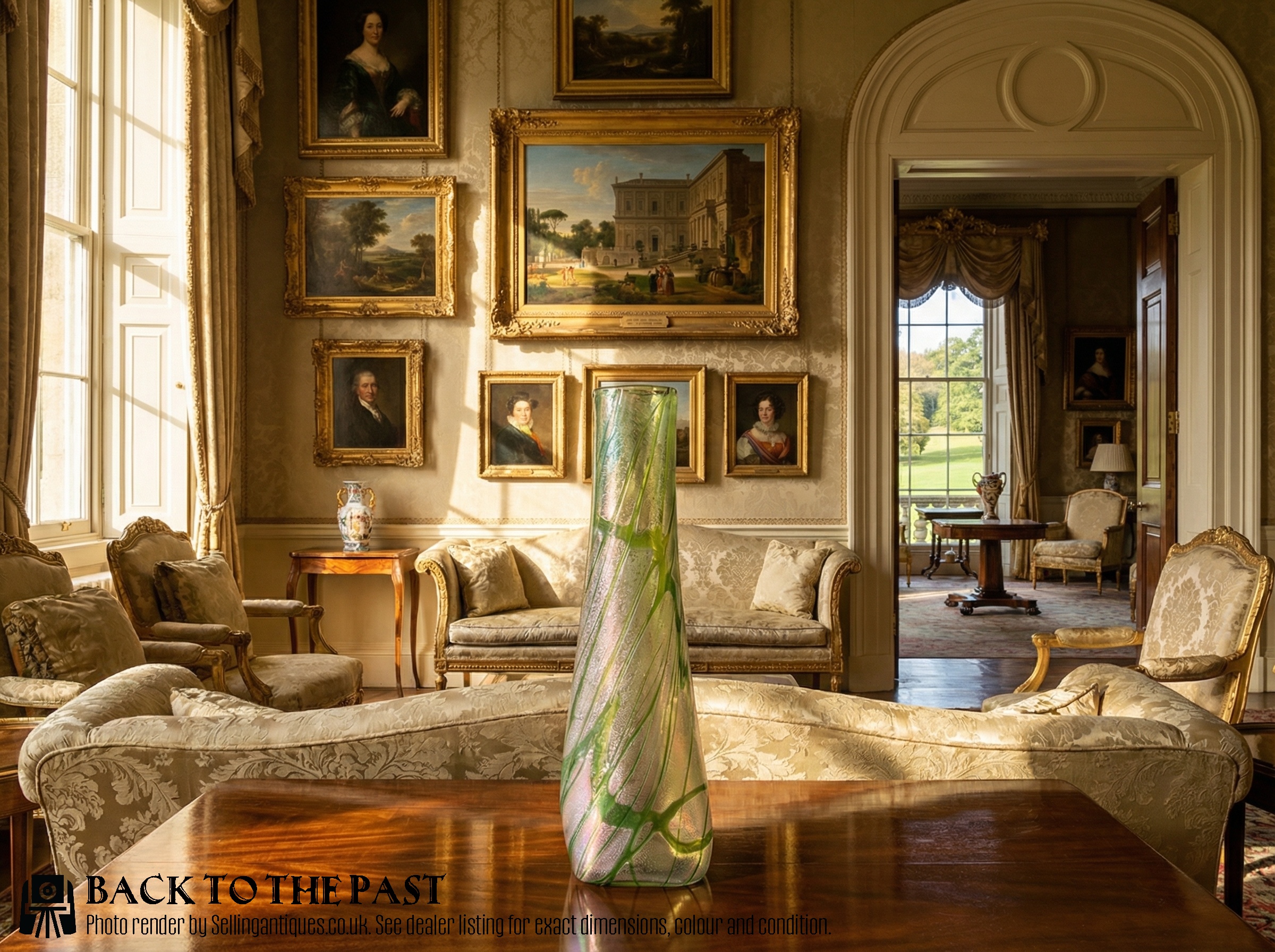
A loetz glass vase brings unmistakable Art Nouveau lustre and iridescent glass into a room, made for collectors who prize Bohemian craftsmanship.
Forms and Origins
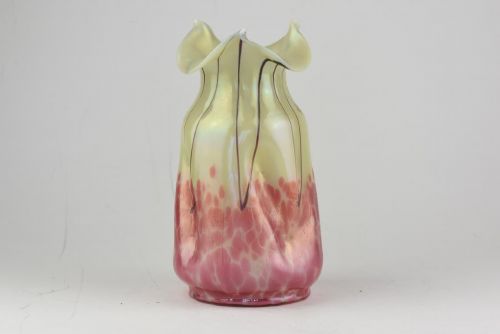
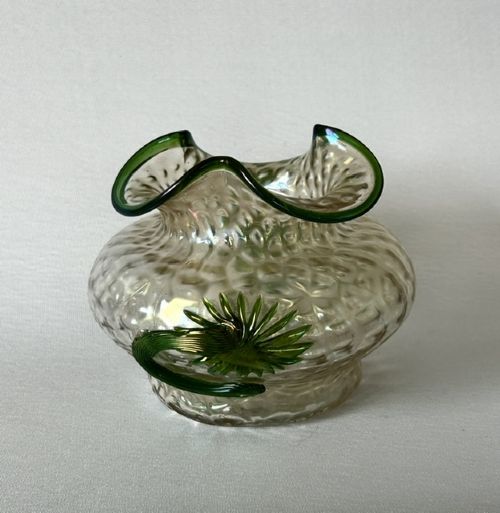
A loetz glass vase draws the eye with distinctive iridescent surfaces, organic forms and metallic mounts, representing the pinnacle of Austrian design from the early twentieth century. You encounter pieces spanning the Art Nouveau and Vienna Secession movements, emerging from Bohemian workshops around nineteen hundred and nineteen ten.
Materials and Techniques
Craftsmen utilised blown glass techniques to shape molten material into organic profiles, frequently incorporating metallic oxides while hot to achieve characteristic shimmering iridescence. Chemical treatments create the dappled surfaces seen in Papillon decors and the combed patterns of Phänomen pieces.
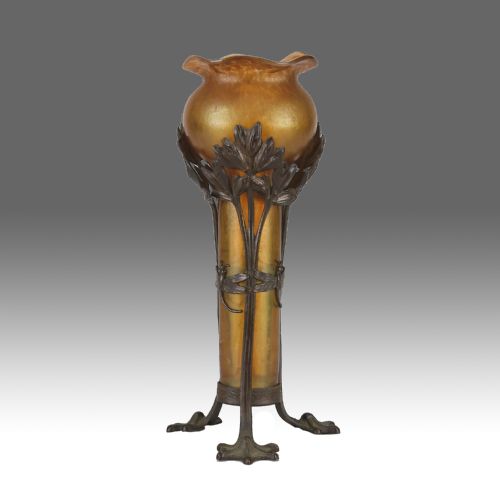
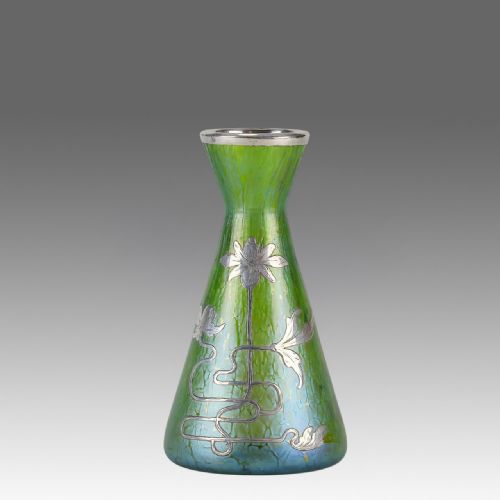
Many vessels receive external enhancement through metalwork, combining the iridescent glass with pierced silver overlay, pewter collars, or cast bronze mounts. Cameo glass techniques and acid etching appear on specific pieces, building intricate surface relief.
Retail Price Guide 2026
Typical UK retail prices for loetz glass vase, calculated from the Sellingantiques database of over a million retail prices indexed since 2003. This retail price guide relies exclusively on Sellingantiques data; no external sources or auction records are used, so the figures do not describe the wider market.
Listings feature pieces from the nineteen hundred and nineteen ten periods, utilising iridescent glass, sterling silver, and bronze.
The Measure of Quality
Quality rests upon the complexity of the glass decor and the crispness of the optical effects within the material itself. Pieces featuring intricate combed Phänomen threads or distinct Papillon spotting command attention for their visual depth.
The integration of metal mounts also dictates standard; heavily worked sterling silver overlay and cast bronze elements that complement the glass contour elevate the piece. The harmony between the blown body and its decorative casing defines the better examples.
Loetz Witwe·Johann Loetz·Richard Loetz·Robert Holubetz·J Van Houten Co
The Loetz Glass Vase Glossary
- Papillon
- An iridescent glass decor featuring a spotted or mottled effect that resembles butterfly wings. This pattern catches the light with shifting metallic hues.
- Phänomen
- A complex glass technique involving combed threads applied to the hot surface and pulled into feathered waves. It represents some of the most technical work from the glasshouse.
- Ausfuehrung
- A German term meaning execution or version, often used in records to designate specific production numbers and decorative formulas. It helps identify exact studio patterns.
- Silver Overlay
- Metalwork applied directly to the exterior of a glass vessel, typically pierced and chased with floral or geometric motifs. This technique marries silversmithing with glassblowing.
- Secessionist
- A stylistic movement rejecting historicism in favour of clean geometric lines and stylised floral motifs. It heavily influences the architectural forms of Austrian glassware from the period.
Frequently Asked Questions
What is a loetz glass vase?
A loetz glass vase is an art glass vessel produced by the Bohemian glasshouse, celebrated for iridescent surfaces and organic Art Nouveau forms. These pieces date primarily from the early twentieth century and reflect avant-garde Austrian design.
Craftsmen utilised specialised chemical treatments on molten glass to create shimmering optical effects that shift under changing light. The works range from simple blown vessels to complex creations featuring metal mounts.
How do I identify different decors?
Decors are identified by their distinct surface patterns, such as the mottled butterfly wing effect of Papillon or the combed threads of Phänomen. Examining the colourway and the interaction of metallic oxides helps distinguish one pattern from another.
Reference guides and archival records provide specific terminology for these decorative variations. Comparing the surface texture against known examples confirms the exact style.
Were these vases mounted in metal?
Many examples feature applied metalwork, including sterling silver overlay, pewter collars, and cast bronze mounts. These additions were executed to enhance the decorative impact of the glass.
The metal components interact directly with the blown body, often following organic plant motifs common to the period. This combination required skilled collaboration between glassblowers and metalworkers.
How should I display my vase?
Display these pieces in locations with adequate natural light to activate the iridescent qualities of the glass. Placing them away from direct heat sources protects the fragile material and any metal mounts.
Allowing sufficient space around the vessel ensures the organic contours and surface colours remain the focal point. Gentle illumination from the side often highlights the intricate details of Phänomen threads.