
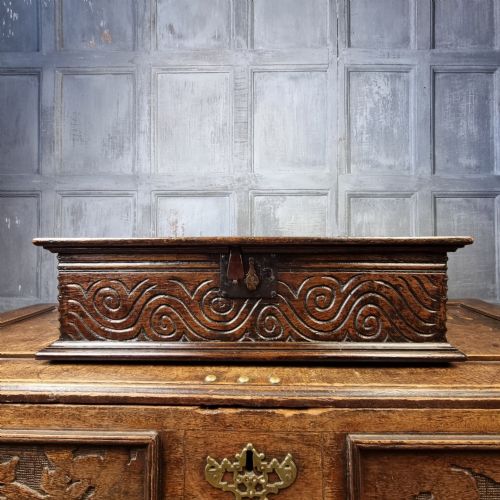


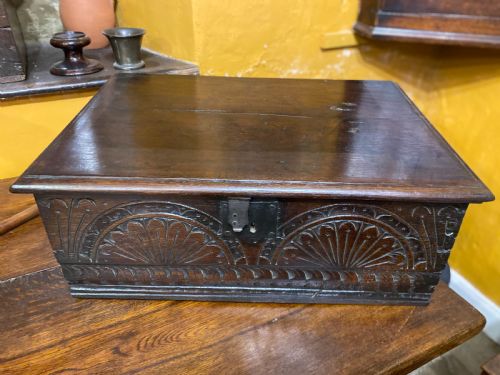
Locking Desk Box
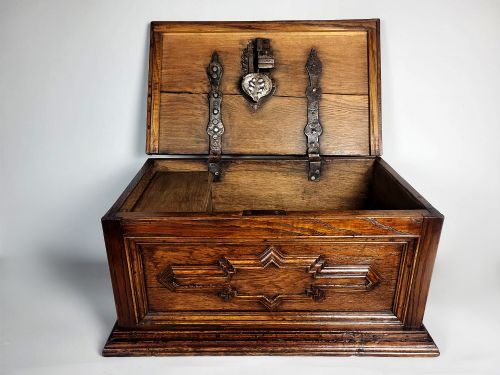
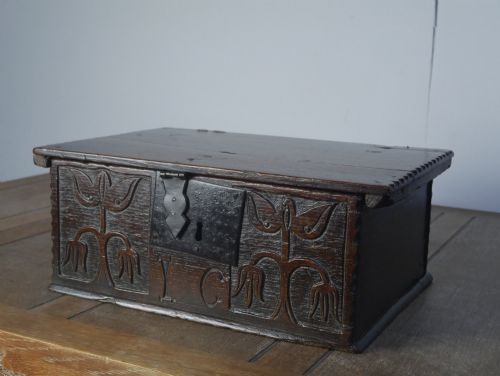
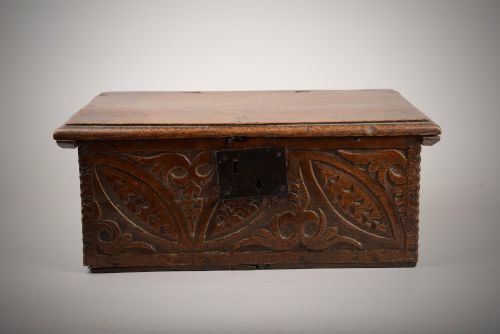
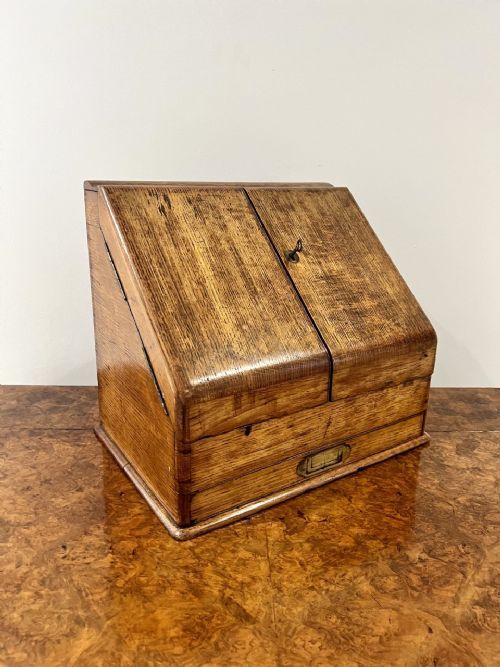
These locking desk box examples bring practical security and period craftsmanship to your home, ranging from early oak desk boxes to Victorian writing slopes.
Locking Desk Box
A locking desk box serves as a secure repository for correspondence, documents, and personal valuables, keeping private papers safe from prying eyes. When you search for a locking desk box, you encounter pieces designed for the desk or table, ranging from simple timber storage boxes to fitted writing slopes and stationery cabinets.
The selections span multiple periods, featuring 17th Century oak examples alongside Victorian walnut writing slopes and later Arts and Crafts letter boxes. Formats vary from table boxes and bible boxes to specialised cigar cabinets and correspondence chests.
Earlier versions tend to rely on robust timber construction with complex internal compartments, while Victorian and later iterations often incorporate specialised locks and fold-out writing surfaces. Each piece reflects the specific organizational needs of its era, from storing bound papers to holding daily post.
Materials and construction
Cabinetmakers constructed these pieces primarily using dense hardwoods such as oak, walnut, burr walnut, and rosewood, often enhancing the exterior with decorative inlays or brass binding. Internal fittings frequently include secondary timbers alongside leather writing surfaces and mother-of-pearl detailing.
Structural security relied heavily on iron and steel locks, with many Victorian examples utilising high-grade Bramah mechanisms to protect secret drawers. Carved panels, demi-lune fronts, and Tunbridge Ware mosaic work display the specific decorative techniques employed by period artisans.
Listings feature oak, walnut, rosewood, and burr walnut across periods spanning the 17th Century to the 1920s.
Evaluating quality in desk boxes
Quality reveals itself in the selection of timber veneers, such as richly figured burr walnut, and the precision of the joinery used for internal drawers and secret compartments. Superior pieces maintain their original operational locks and keys, particularly complex steel or Bramah mechanisms.
The Locking Desk Box Glossary
- Bramah lock
- A patented high-security cylindrical lock invented by Joseph Bramah in the late eighteenth century, commonly found on better-quality Victorian writing slopes. It offers superior pick-resistance compared to standard lever locks.
- Writing slope
- A portable desk featuring a slanted, hinged lid that often folds down to reveal a leather-lined writing surface and compartments for inkwells and pens. These boxes typically house secret drawers beneath the stationery fittings.
- Bible box
- A sturdy 17th Century wooden box originally designed to store sacred texts and personal documents securely. They frequently feature carved decoration and sloping lids suitable for resting books.
- Tunbridge Ware
- Small wooden items decorated with intricate mosaic patterns made from many tiny pieces of naturally coloured woods. This technique creates detailed pictorial or geometric surface designs.
- Stationery cabinet
- A standing desk accessory fitted with interior pigeonholes and shelves for organising letters and paper. These pieces often feature panelled doors and locking mechanisms.
Locking Desk Box: Frequently Asked Questions
How do I use a locking desk box today?
These boxes function well on modern desks or side tables for storing stationery, letters, and small valuables. Their internal compartments keep modern daily items organised.
Ensure the antique mechanisms are operated with care, and check that keys fit smoothly before engaging the locks regularly.
What is the difference between a bible box and a desk box?
Bible boxes generally originate in the 17th Century and feature heavy oak construction with sloping lids originally intended for resting texts. Desk boxes often include more complex internal drawers and flat tops suited for general writing.
Both types provided secure storage for household documents during periods when privacy required physical locks.
How do I identify a Victorian writing slope?
Victorian writing slopes typically appear in walnut, rosewood, or mahogany, often featuring brass corner binding and shield escutcheons. Opening the hinged lid reveals a sloping leather writing surface and internal pen trays.
Many incorporate high-security Bramah locks and hidden compartments accessed by removing secondary panels.
Are original keys common with these boxes?
Original keys appear with some pieces, particularly those fitted with complex steel or branded locks, though many antique boxes survive with replacement keys. The presence of a working key enhances the practicality of the locking mechanism.
Locks themselves can often be serviced by specialist locksmiths if adjustment is required for smooth operation.