



Lockable Desk Box
These lockable antique desk boxes are secure tabletop repositories crafted in mahogany, rosewood and walnut to hold correspondence and valuables.
Lockable Desk Box
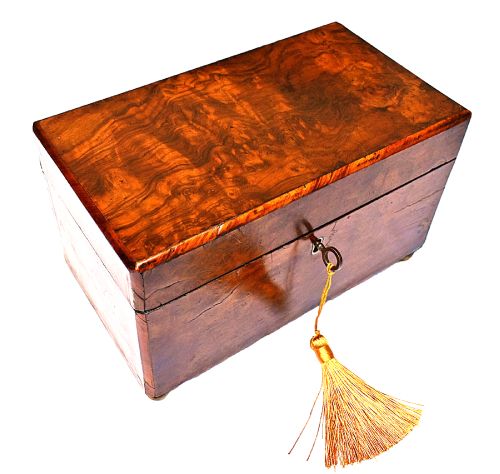
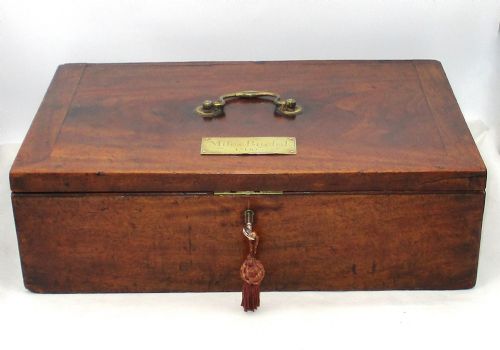
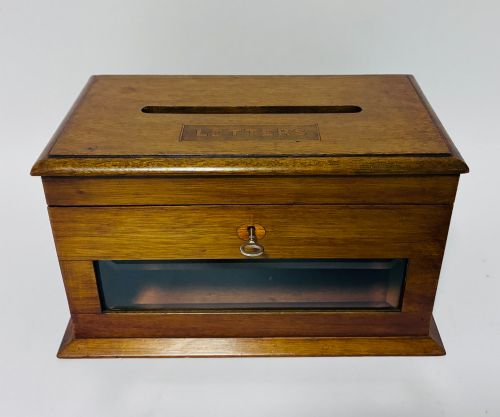
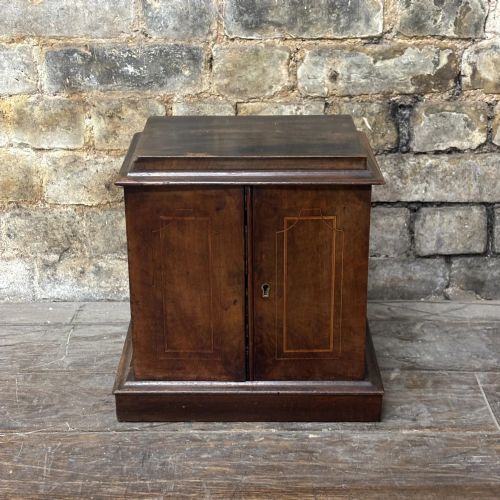
A lockable antique desk box is a solid timber container designed for correspondence, writing implements and personal valuables, originating from the eighteenth century through to the Edwardian era. These pieces encompass forms such as slope-front writing boxes, stationery cabinets, document boxes and tea caddies fitted with working locks.
The pieces seen on this page span Georgian, Regency, Victorian and Edwardian periods, constructed in timbers like mahogany, rosewood, burr walnut and satinwood. Many feature decorative brass binding, mother of pearl accents or marquetry inlay to enhance their external appearance.
Buyers will encounter varied internal configurations, from simple compartmented document boxes to elaborate writing slopes with sloping lids for correspondence. Certain examples function as stationery cabinets or small table cabinets designed to sit upon a desk surface.
Materials and construction methods
Cabinet makers constructed these boxes using dense hardwoods such as mahogany, rosewood and coromandel, often applying veneers of burr walnut or satinwood over secondary timbers. Surfaces frequently incorporate brass stringing, brass corner mounts or cut steel decoration applied to the exterior.
Inlay techniques such as marquetry and star inlay demonstrate period decorative preferences, alongside boullework incorporating tortoiseshell and brass. Interiors utilise fitted compartments, velvet or leather writing surfaces, and secret drawers secured by functional metal locks.
Lockable Desk Box Retail Price Guide 2026
Typical asking prices for lockable desk box among the pieces listed under this phrase on Sellingantiques today, from the lower quarter to the upper quarter. They describe what is for sale here now, not the wider market.
The listings show desk boxes produced across the eighteenth, nineteenth and early twentieth centuries in timbers including mahogany, rosewood, oak and burr walnut.
Distinctions in quality and execution
Quality in a lockable antique desk box is determined by the selection of figured timber veneers, the precision of brass inlay and the integrity of the original locking mechanism. Finer pieces demonstrate meticulous hand-cut dovetail joints and well-preserved interior fittings rather than replaced components.
Superior examples often bear maker signatures or retailer plaques from established firms, distinguishing them from standard workshop production. The presence of matching interior fitments, original keys and unblemished surface patination elevate an individual box.
Houghton and Gunn·P&F Shafer
The Lockable Desk Box Glossary
- Writing slope
- A portable box with a hinged, slanted lid that folds down to create an inclined surface for writing letters. These often contain internal pen trays and inkwell recesses.
- Stationery cabinet
- An upright tabletop cabinet with doors or a drop-front revealing tiered compartments for storing paper and envelopes. They became particularly popular during the Victorian and Edwardian periods.
- Tea caddy
- A small container designed to store loose tea leaves securely, frequently fitted with a lock and internal lidded compartments. Many examples from the Georgian and Regency periods utilise fine mahogany or rosewood.
- Marquetry inlay
- Decorative woodwork where small pieces of varied veneers are fitted together to form pictorial or geometric patterns on the surface of the box.
- Boulle
- A method of ornate marquetry using brass and tortoiseshell developed in France and seen on nineteenth-century decorative pieces.
Lockable Desk Box: Frequently Asked Questions
How do I secure a lockable antique desk box?
Most of these boxes utilise small lever locks operated by barrel keys designed specifically for the individual mechanism. A working lock secures the fall-front or lid to protect the contents within.
When a key is missing, a specialist locksmith can often cut a replacement to fit the existing internal levers without altering the historic hardware.
How do I date a rosewood or mahogany desk box?
Dating relies on timber choice, construction techniques, and decorative styles associated with periods like the Regency or Victorian eras. For instance, Regency boxes frequently incorporate heavy brass edge binding and flush drop handles.
Later Victorian examples often display elaborate marquetry, burr walnut veneers or specific maker marks stamped into the brass hardware or wood.
Can I use an antique stationery cabinet on a modern desk?
These cabinets function well on modern desks to organise letters, notebooks and correspondence supplies. Their compact footprints allow them to sit comfortably on standard workspaces.
Care should be taken to place them away from direct heat sources and sunlight to protect the historic wood finishes and internal veneers.