


Loch Landscape Painting
A loch landscape painting captures the dramatic topography and atmospheric light of Scottish waters, prized by collectors for romantic Highland scenes.
Loch Landscape Painting
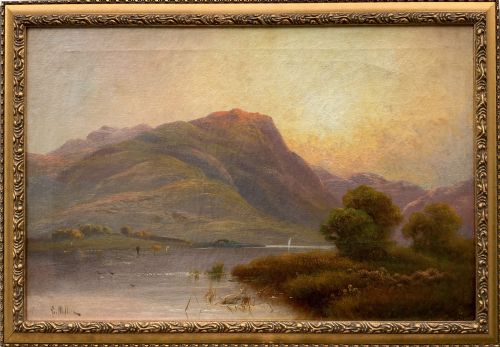
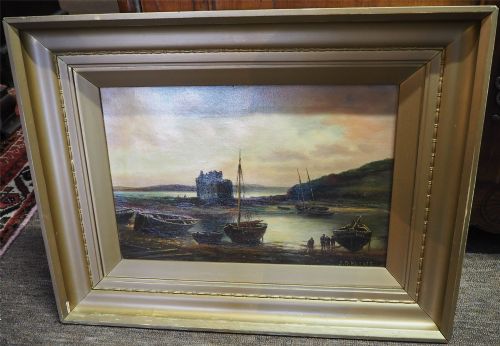
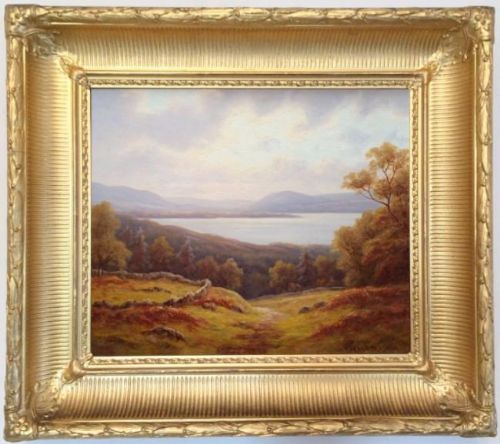
A loch landscape painting depicts the rugged scenery of Scottish lakes and surrounding mountains, frequently featuring tranquil waters paired with moody skies. These works frequently incorporate traditional elements such as Highland cattle, ruined castles, or lone fishing boats near the shore.
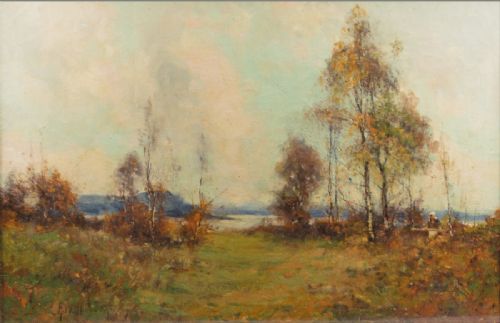
Most examples encountered date from the Victorian era through the early twentieth century, spanning movements like Scottish Romanticism and the Highland School. Artists captured specific locations including Loch Tay, Loch Lomond, and Loch Lubnaig across changing daylight and mist.
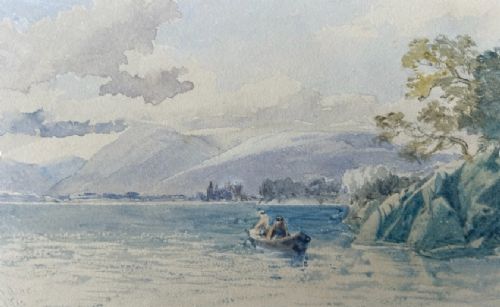
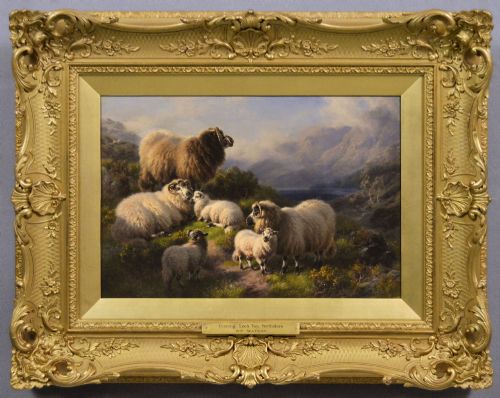
Formats range from intimate watercolour paintings on paper to large oil on canvas compositions framed in gilt wood. Buyers select these pieces to bring traditional British landscape artistry and historic atmosphere into domestic interiors.
How They Were Made
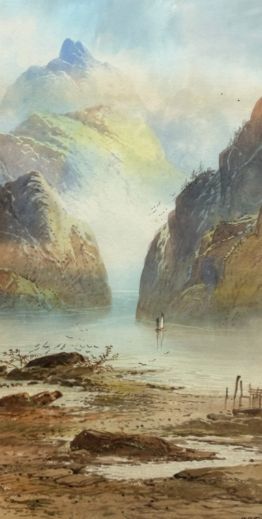
Painters utilised oil paint on canvas or wood panels, alongside watercolours and gouache on paper, to capture the shifting reflections and weather of northern terrain. Gilt frames frequently complemented the finished artworks, enhancing the warmth of sunset or moonlight scenes.
Techniques combined fine brushwork for distant crags with looser, expressive application for water ripples and atmospheric mists. Artists worked both en plein air and in studios, translating preliminary sketches into expansive framed artwork.
Listings feature works spanning the Victorian era to the mid-twentieth century, executed in oil on canvas, watercolour, and gouache.
What Varies in Quality
Compositional balance separates standard topographical records from masterful interpretations, particularly in how light guides the eye across mountain and water. The rendering of atmospheric depth, from crisp foreground foliage to hazy distant peaks, defines the accomplished hand.
The precision with which artists handled animal life, such as Highland cattle or stags, influences the artistic merit of the piece. Brushwork economy and the subtle handling of colour transitions across water surfaces further distinguish skilled execution.
Thomas Miles Richardson Jnr RWS·William Henry Earp·William Watson Jnr·Alexander Wellwood Rattray·Everett Watson Mellor·Henry Robinson Hall·Henry Hillier Parker·Frank Hider·James Bell Anderson·Stanley Orchart·William Miller Frazer·Daniel Sherrin·Alfred de Breanski Snr·AJ Thornton·George Cole·Gustave De Breanski·George Melvin Rennie·Robert Houston·Louis F Flexman·George Stratton Ferrier·Henry Hall·TE Churnside·FE Jamieson·Thomas Austen Brown·Kenneth Holmes
The Loch Landscape Painting Glossary
- Gouache
- An opaque watercolour paint that dries to a matte finish, frequently utilised for highlights in nineteenth-century Highland watercolours.
- Gilt
- A thin layer of gold leaf applied to wood frames, commonly found on Victorian oil paintings to enrich their presentation.
- Bothy
- A small stone shelter built in remote mountainous areas, often depicted in nineteenth-century Scottish landscape paintings.
- Grisaille
- A painting executed entirely in shades of grey or neutral monochrome, sometimes utilised for preparatory or atmospheric studies.
Loch Landscape Painting: Frequently Asked Questions
How do I date a loch painting?
Dating relies on costume details in figures, framing styles, and artist active periods recorded in historical archives. Canvas stamps and paper watermarks provide further chronological markers for Victorian and Edwardian works.
Examine the back of the stretcher or board for old exhibition labels, handwritten titles, or signatures which often narrow the year of creation.
Where should I hang a loch landscape?
These atmospheric works suit traditional living spaces, studies, or hallways where natural light complements the muted tones of Scottish water and stone. Pairing them with wooden furniture enhances their historic character.
Avoid placing canvas paintings in direct sunlight or areas of high humidity to protect the oil paint and underlying fibres over time.
Are watercolours as durable as oils?
Watercolour paintings require protection behind glass and conservation-grade framing to prevent fading from light exposure over the decades. Oil paintings on canvas are sturdier but still benefit from stable indoor environments.
Both mediums have survived well over a century when kept away from damp walls and extreme temperature fluctuations.
How do I distinguish regional Scottish schools?
The Highland School and Scottish Romanticism focus heavily on dramatic weather, misty peaks, and pastoral elements like cattle near the shore. Artists associated with these groups often returned to specific locations like Loch Tay or Loch Awe.
Brushwork style and palette choices also indicate whether a piece leans towards Victorian academic realism or the looser touch of later impressionist approaches.