


Lobed Porcelain Plate
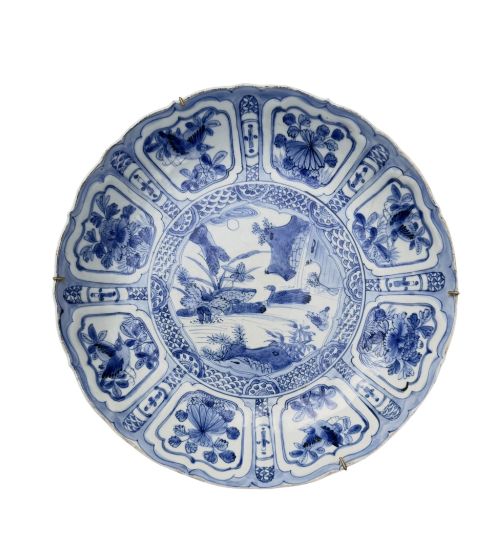
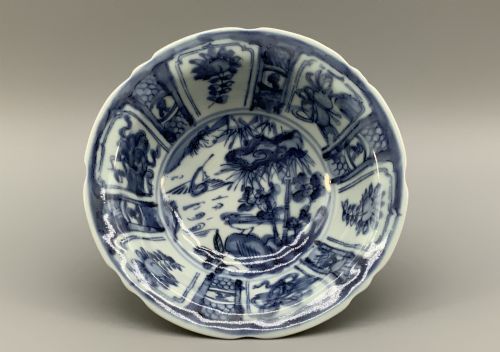
These pieces of lobed porcelain plate range from sixteenth-century Chinese Kraak wares to nineteenth-century Japanese Imari productions.
Lobed Porcelain Plate
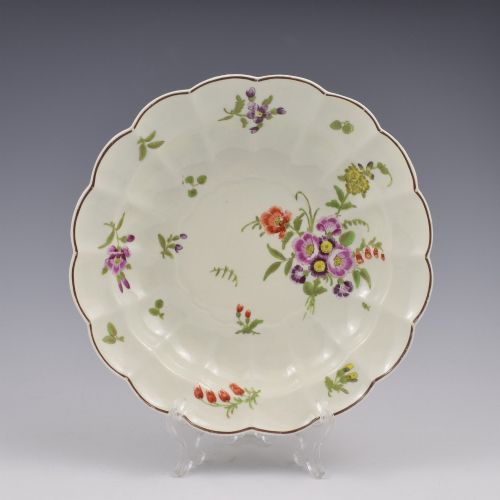
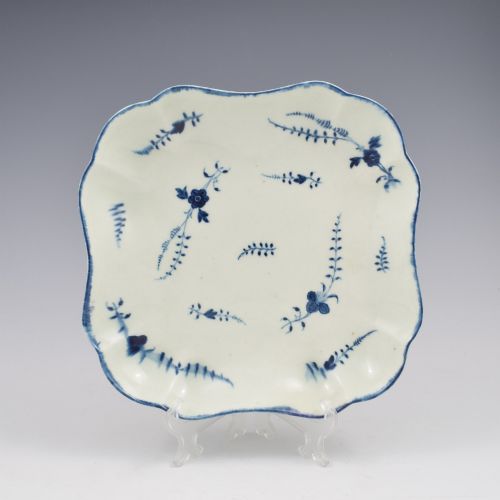
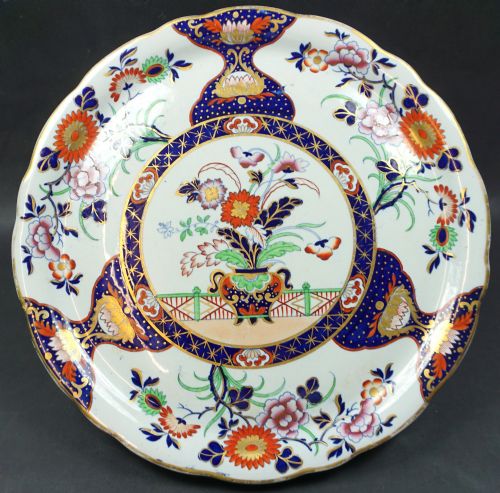
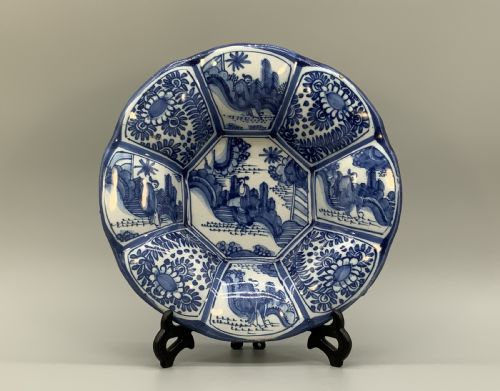
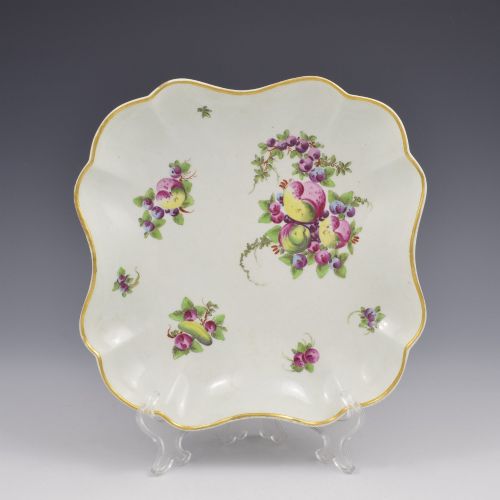
When someone searches for a lobed porcelain plate, they encounter a diverse selection of scalloped and indented vessels spanning several centuries. The examples visible across this page include Chinese export pieces, early English factory productions from Worcester and Derby, and Japanese Imari ceramics.
The form itself relies on distinct curves and panels moulded into the rim or body of the dish. Makers utilised these segments to create visual rhythm, often pairing the shape with cobalt underglaze painting, enamels, or gilding.
English eighteenth-century factories frequently adopted the lobed outline for dessert and service dishes, drawing inspiration from Asian imports. Buyers on this page will most commonly meet either Japanese Imari plates featuring iron-red and cobalt decoration or eighteenth-century English porcelain plates with painted botanical and floral motifs.
How they were made
The makers of these items shaped soft-paste or hard-paste porcelain bodies by hand or in moulds to achieve the characteristic indented rims. Potters then applied cobalt underglaze pigments before the initial firing, establishing the deep blue tones seen on many examples.
Overglaze enamel colours and gold leaf were added in subsequent low-temperature firings to secure the intricate surface patterns. Techniques such as hand-painting ensured that each segmented panel received individual attention from decorators in European and Asian workshops.
Cotton stem painters at early factories signed their secret work with tiny hidden marks beneath the glaze.
What varies in quality
The distinction between standard commercial output and superior execution lies in the crispness of the moulding and the precision of the painted brushwork. Better examples exhibit clean, sharp indentations along the rim without warping from the kiln, alongside controlled, finely detailed cobalt or enamel application.
The application of gilding and the complexity of the palette also indicate the tier of the piece. Superior items display thick, burnished gold leaf and sophisticated compositions that align closely with the stylistic standards of their respective periods.
Hicks and Meigh·Barr Flight and Barr·Rockingham
The Lobed Porcelain Plate Glossary
- Kraak porcelain
- A type of Chinese export porcelain produced mainly during the Ming dynasty, characterised by panelled borders and central blue and white designs. These wares heavily influenced later European ceramics.
- Imari
- A style of Japanese porcelain featuring a palette dominated by cobalt blue and iron-red, frequently accented with gold. Production centred around the port of Arita for both domestic use and export.
- Soft-paste porcelain
- A ceramic composition developed in Europe as an alternative to Chinese hard-paste porcelain, typically fired at lower temperatures. Eighteenth-century English factories such as Worcester utilised this material extensively.
- Cobalt underglaze
- A blue pigment applied to the raw ceramic body before glazing and firing, capable of withstanding high kiln temperatures. It remains stable beneath the transparent glaze, producing a characteristic deep blue colour.
- Gilding
- The application of gold leaf or powdered gold to the surface of a ceramic piece for decoration. On antique plates, this is often found highlighting the moulded lobes of the rim.
Lobed Porcelain Plate: Frequently Asked Questions
What were lobed porcelain plates used for?
These pieces served primarily as dessert plates, fruit dishes, or serving platters on formal dining tables.
Their decorative shapes made them suitable for displaying sweetmeats and desserts during eighteenth and nineteenth-century dining routines.
How do I identify Chinese Kraak porcelain?
Kraak porcelain is typically distinguished by its radial panelled border design and central motifs depicting birds, flowers, or landscapes.
The sixteenth and seventeenth-century versions show distinct body characteristics and deep cobalt underglaze painting.
Are Japanese Imari plates antique?
Many Japanese Imari plates found on the market date from the late nineteenth century, coinciding with the Meiji period and the widespread export trade.
Earlier examples from the Edo period also appear, featuring heavier bodies and distinct iron-red and cobalt colour schemes.
How should I care for antique porcelain?
Antique porcelain requires gentle hand washing in lukewarm water with mild soap, avoiding dishwashers and harsh abrasive materials.
Displaying them securely on padded plate stands or flat surfaces protects the fragile rims and delicate gilding from impact.