



Lobed Ceramic Charger
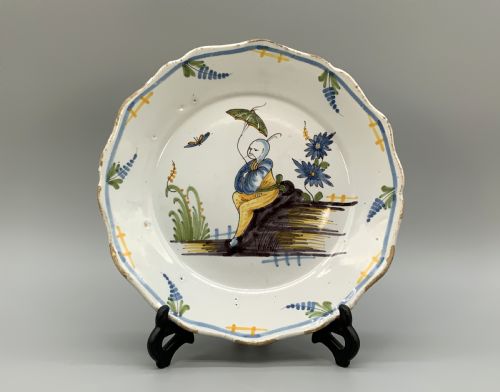
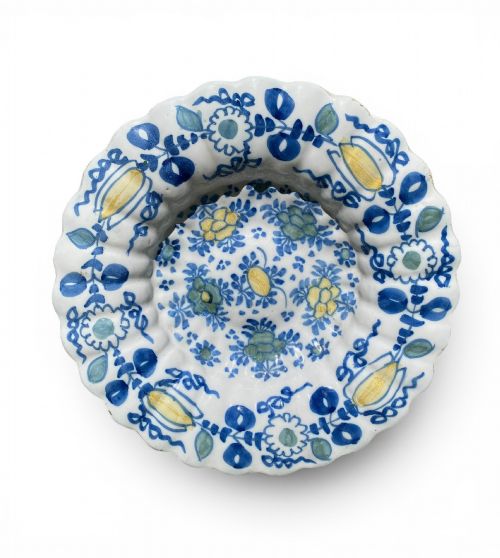
These lobed ceramic charger pieces bring distinct scalloped profiles and rich hand-painted pigment to a room, prized for their decorative presence on walls and tables.
Lobed Ceramic Charger
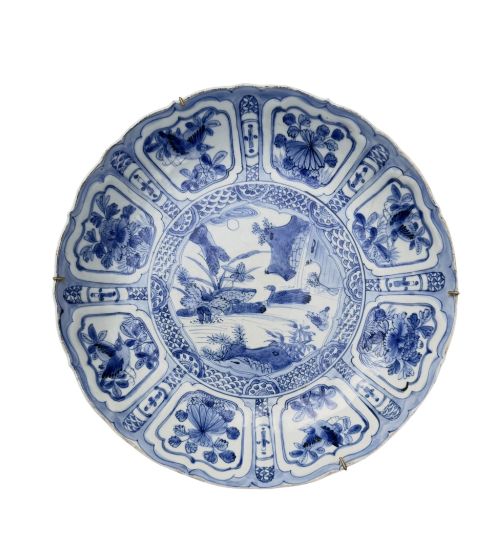
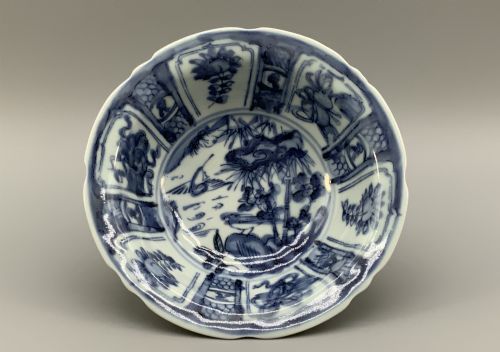
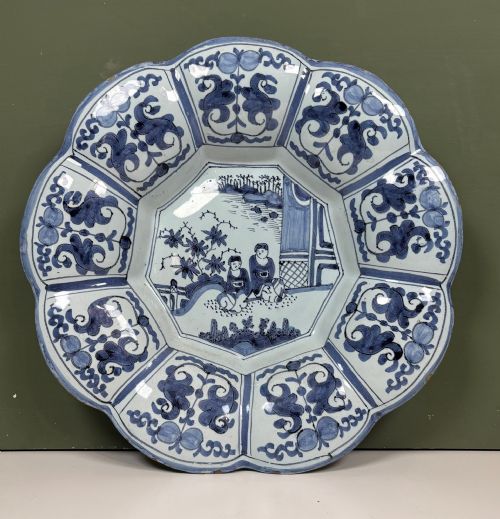
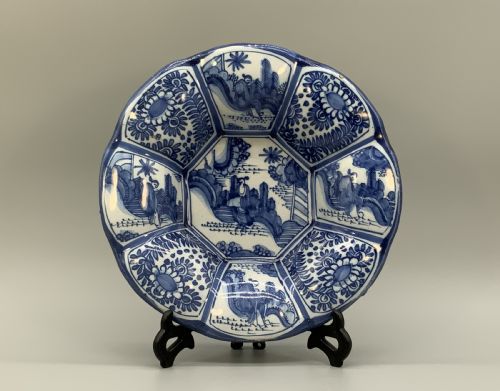
When you search for lobed ceramic charger, you encounter large decorative dishes and plates marked by indented, scalloped, or petalled rims. The pieces span centuries of global ceramic production, originating from Chinese kilns, Japanese workshops, and European delftware centres.
The selections available here range from early Chinese porcelain made during the Wanli and Kangxi periods to Dutch delftware from the seventeenth and eighteenth centuries. Japanese Imari wares from later periods also feature prominently, bringing vibrant palettes of cobalt blue, iron red, and enamel highlights to the scalloped form.
How they were made
The makers formed these chargers from body materials such as tin-glazed earthenware and high-fired porcelain, shaping the characteristic lobed rims by hand or in moulds. Artisans applied pigments directly to the unfired clay or over an opaque tin glaze, utilising cobalt underglaze and polychrome enamels.
Firing took place in traditional kilns where intense heat fused the mineral pigments with the glaze. This technique produced the durable surfaces and intricate Chinoiserie, floral, and crane motifs seen across the surviving pieces.
Lobed Ceramic Charger Retail Price Guide 2026
Typical asking prices for lobed ceramic charger among the pieces listed under this phrase on Sellingantiques today, from the lower quarter to the upper quarter. They describe what is for sale here now, not the wider market.
Several plates depict cranes and intricate garden scenes, proving that seventeenth-century artisans enjoyed watching birds as much as we do.
What varies in quality
The distinction between ordinary and exceptional examples rests upon the crispness of the moulded lobes and the confidence of the brushwork. Superior pieces exhibit precise cobalt painting and vibrant enamel saturation without blurring or kiln blemishes.
Depth of glaze and the complexity of the painted composition also set finer chargers apart from simpler production. Pieces that retain their original scale, crisp rims, and well-preserved pigments command greater visual weight.
The Lobed Ceramic Charger Glossary
- Lobed
- Having indented margins or rounded projections along the rim. This shaping gives the charger a scalloped or petalled outline.
- Tin-Glaze
- An opaque white glaze containing tin oxide, applied to earthenware. It provides a smooth white background for painted decoration in blue or polychrome.
- Imari
- A style of Japanese export porcelain decorated in underglaze blue, iron red, and gold. The palette is bright and highly patterned.
- Kraak
- A type of Chinese export porcelain characterised by panelled borders and central pictorial motifs. It dates largely to the late sixteenth and seventeenth centuries.
- Chinoiserie
- European artistic interpretations of Chinese and East Asian artistic traditions. It appears frequently on eighteenth-century European tin-glazed wares.
Lobed Ceramic Charger: Frequently Asked Questions
How were lobed ceramic chargers used?
These large plates and dishes served primarily for display on sideboards, walls, or tables during feasts rather than daily dining. Their ornate painted designs and substantial diameters made them centrepieces for interior decoration.
Over time, collectors and owners transitioned them from dining halls to cabinet display and wall mounting, preserving their decorative surfaces from regular wear.
How do I tell Chinese export from Dutch delft?
Chinese pieces typically employ hard-paste porcelain with fine bodies and underglaze cobalt painting dating to periods like Wanli or Kangxi. European delftware utilises a softer earthenware body covered in an opaque white tin glaze that can show chipping.
Examining the foot ring, weight, and edge chips often reveals the underlying clay body, distinguishing Asian porcelain from European earthenware imitations.
How should I display a charger safely?
Wall mounting requires specialised spring hangers designed to distribute weight evenly across the scalloped rim without placing undue stress on the ceramic body. If placed on a cabinet shelf, use a sturdy stable stand that supports the base securely.
Keep pieces away from direct heat sources and high-traffic areas where accidental knocks might dislodge the dish from its support.