


Light Oak Credenza
A light oak credenza brings substantial storage and pale timber grain to a room, offering both presence and utility.

What light oak credenza pieces are
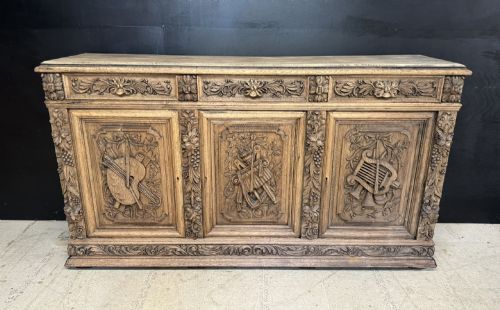
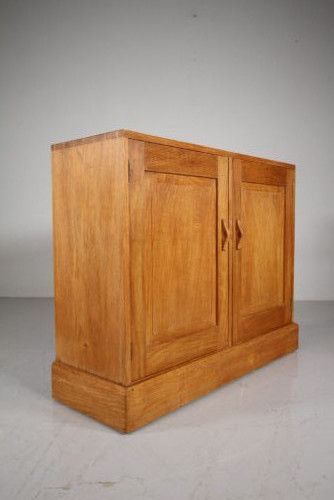
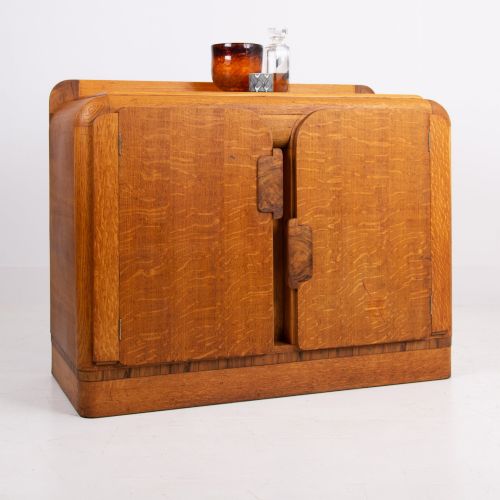
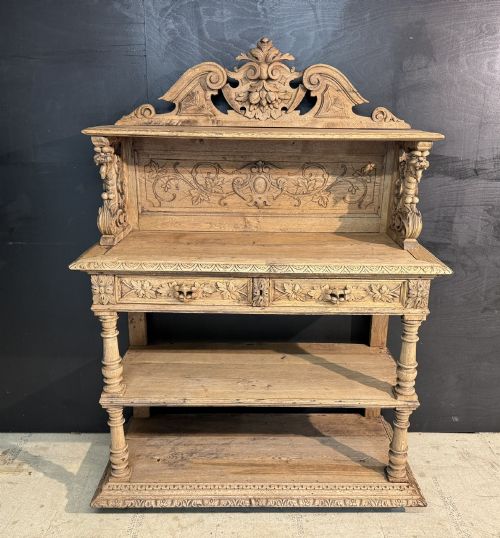
These light oak credenza pieces take the form of substantial sideboards and cabinets originating from the nineteenth century up to the nineteen-thirties. Examples on this page span several distinct stylistic traditions, including Victorian Renaissance Revival, French Provincial, and Art Deco.
The dominant forms are large sideboards, some featuring mirror backs and two-door cabinet configurations. French carved oak and British Victorian designs recur frequently across the selection.
How they were made
Construction relies heavily on solid oak timber, frequently paired with secondary elements of walnut, glass, and brass fittings. Artisans shaped these materials through traditional cabinet-making and deep relief carving.
Nineteenth-century pieces demonstrate elaborate hand-carved ornamentation, whereas later nineteen-thirties examples exhibit the cleaner lines associated with cabinet makers such as Gomme.
Retail Price Guide 2026
Typical UK retail prices for light oak credenza, calculated from the Sellingantiques database of over a million retail prices indexed since 2003. This retail price guide relies exclusively on Sellingantiques data; no external sources or auction records are used, so the figures do not describe the wider market.
Listings feature oak, walnut, glass, and brass across nineteenth-century and nineteen-thirties periods, encompassing French Provincial, Art Deco, and Victorian Renaissance Revival styles.
What varies in quality
Quality rests in the depth and precision of the carved woodwork, distinguishing boldly figured nineteenth-century panels from simpler later cabinetry. The integration of original brass hardware and fitted glass elements also elevates specific examples.
Structural ambition separates standard sideboards from monumental mirror-backed iterations that require advanced joinery to support heavy upper frames.
Gomme
The Light Oak Credenza Glossary
- Credenza
- A sideboard or cabinet used for storage and serving, traditionally placed in dining spaces. Modern usage often applies the term to low, horizontal storage units.
- Mirror-backed sideboard
- A heavy timber sideboard incorporating an integrated upright mirror held by carved supports. This form was particularly popular during the Victorian era to reflect light in reception rooms.
- Art Deco
- A design style emerging in the early twentieth century characterised by streamlined geometry and functional modernism. Pieces from this movement often utilise simpler silhouettes than preceding revival styles.
- French Renaissance Revival
- An architectural and furniture style drawing inspiration from sixteenth-century French design. It is recognised on these pieces through dense relief carving and architectural mouldings.
Frequently Asked Questions
What is a light oak credenza?
A light oak credenza is a storage cabinet or sideboard fashioned from pale oak timber. These items range from nineteenth-century Victorian sideboards to nineteen-thirties Art Deco cabinets.
They provide functional storage enclosed by doors, occasionally accompanied by upper mirror frames or decorative brass fittings.
How do I date a sideboard?
Dating relies on stylistic markers and construction methods visible in the woodwork. Nineteenth-century examples typically display heavy carvings and revival motifs, whereas nineteen-thirties pieces show simpler geometric influences.
Makers' marks or specific cabinet styles can further narrow the period of origin.
Where should I place a credenza?
These substantial items suit dining rooms, large hallways, or living spaces where they can function as surface display areas and enclosed storage. Mirror-backed variants work well against feature walls to amplify ambient light.
Ensure adequate floor space is available to accommodate their generous depth and door clearance.
What materials are used?
Primary construction relies on oak, chosen for its durability and prominent grain pattern. Secondary materials include walnut accents, glass door panels, and brass hardware.
Carved details and applied mouldings are carved directly from the solid timber components.