


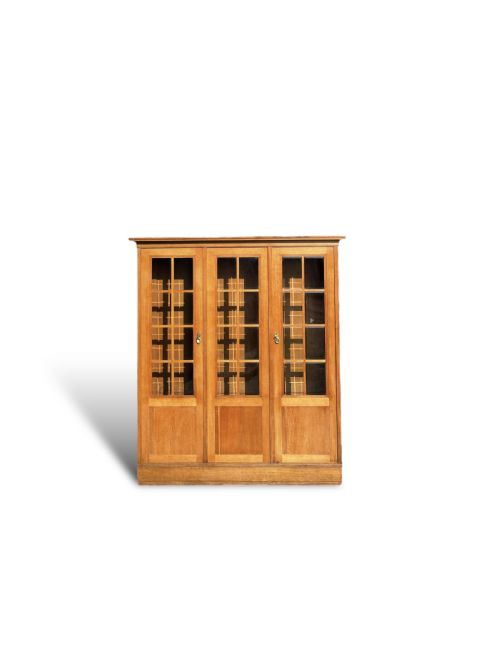


Light Oak Bookcase Cupboard
A light oak bookcase cupboard combines display storage with practical enclosed shelving, making it a versatile choice for modern and traditional rooms alike.
Light Oak Bookcase Cupboard
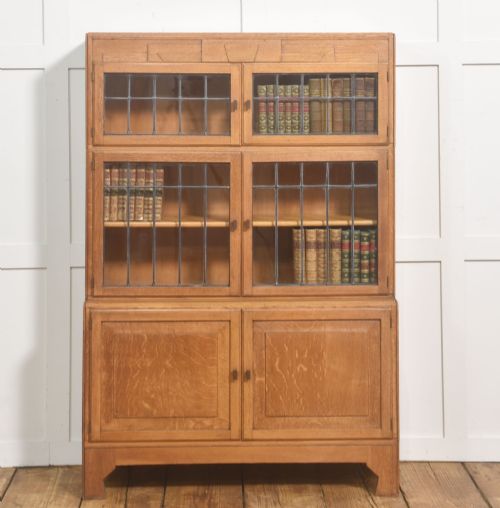
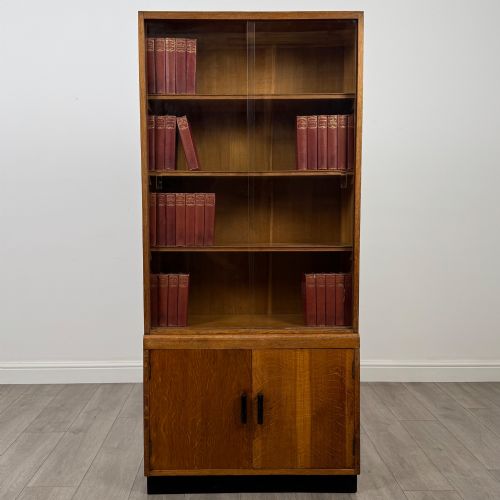
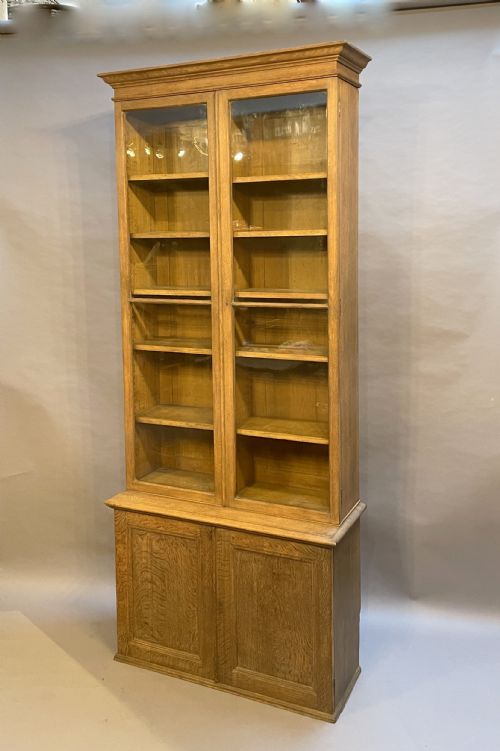
When you search for a light oak bookcase cupboard, you find practical storage furniture designed to hold books and conceal items behind lower doors. The pieces seen here span from the Victorian period through the Edwardian era into the mid-twentieth century.
You are most likely to encounter Edwardian examples and pieces from the 1920s and 1930s on this page. These items range from simple kitchen cupboards to tall library bookcases and glazed display cabinets.
Cabinetmakers constructed these forms using oak, often utilising glass, brass, and lead to finish the doors. Styles vary from Arts and Crafts and Art Deco to Victorian and Edwardian revivals.
How they were made
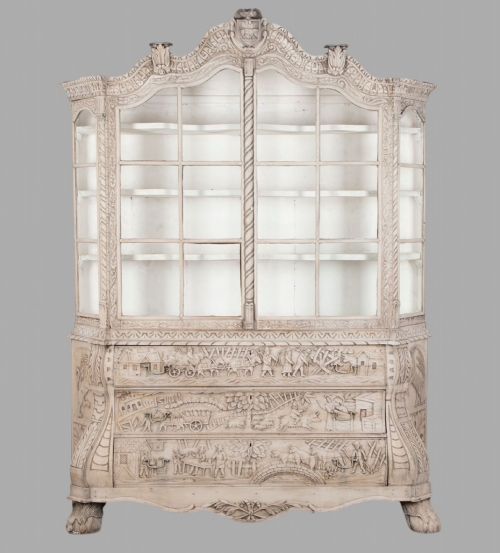
Joiners built these cabinets using solid oak and oak veneer over secondary timbers. Carved decoration appears on select panels, while leaded or clear glass panes fit into the upper bookcase doors.
Cabinet hardware typically includes brass handles, hinges, and occasional porcelain details. Construction methods combine traditional mortise and tenon joinery with later twentieth-century manufacturing techniques.
One persistent Victorian cabinetmaker evidently had a penchant for heavy brass handles that could easily anchor a small merchant vessel.
What varies in quality
The choice of timber creates the primary distinction between pieces, with select pollard oak or heavily figured grain marking the higher tiers of production. Plain utility cupboards sit at the other end of the range.
The refinement of the carving and the quality of the glasswork separate standard workshop output from exceptional cabinetmaker pieces. Clean lines and well-balanced proportions indicate superior design and execution.
Howard & Sons·A Blain & Son Liverpool
The Light Oak Bookcase Cupboard Glossary
- Oak
- A durable hardwood native to temperate regions, prized for its strength and prominent grain pattern. It serves as the primary material for the pieces on this page.
- Veneer
- A thin slice of wood applied to a core structure to provide a decorative surface. It allows makers to utilise striking grain figures without relying entirely on solid timber.
- Leaded glass
- Individual panes of glass held together by strips of lead came to form geometric or decorative patterns. This technique appears frequently on Edwardian and Art Deco bookcase doors.
- Pollard oak
- Timber taken from trees that have been pollarded, producing a dense, highly figured grain pattern. This material denotes higher status cabinetwork.
Light Oak Bookcase Cupboard: Frequently Asked Questions
What is a light oak bookcase cupboard?
A light oak bookcase cupboard is a dual-purpose piece of furniture featuring open or glazed shelving above enclosed lower cabinet doors. These items provide both display space for books and hidden storage for household items.
They appear in various forms, including barrister bookcases, library cabinets, and kitchen cupboards, spanning periods from the Victorian era to the mid-twentieth century.
How do I date an oak bookcase?
Dating involves examining the construction methods, hardware, and stylistic details present in the piece. Edwardian and 1920s examples often display lighter finishes and specific revival styles.
Earlier Victorian or Georgian pieces feature heavier proportions, hand-cut joinery, and distinct period mouldings that set them apart from twentieth-century production.
How do I clean a light oak cabinet?
Maintenance requires dusting with a soft, dry cloth to prevent the buildup of grit on the timber surface. Avoid silicone-based sprays that can damage the polish over time.
Feeding the wood occasionally with a traditional beeswax polish helps maintain the lustre of the light oak finish without attracting excessive dust.
Where should I place my bookcase cupboard?
These cabinets suit studies, living rooms, and dining spaces where both display and concealed storage prove useful. Direct sunlight and proximity to heat sources should be avoided to protect the timber and veneer.
Allowing sufficient clearance around the doors ensures that glazed or solid panels open fully without obstruction in your room.