
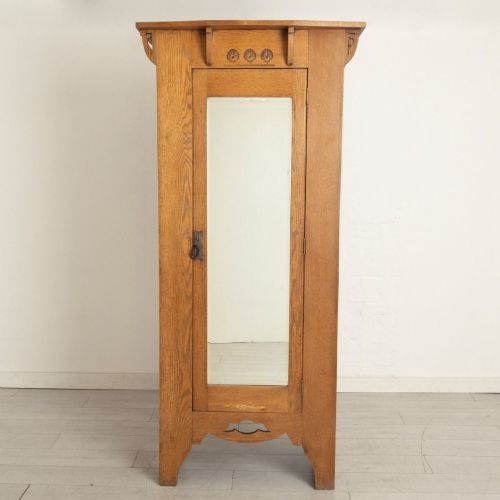
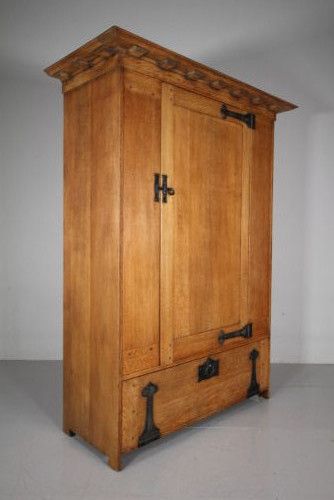
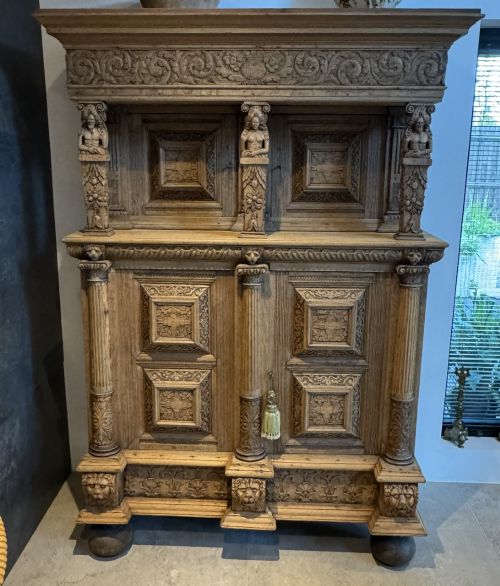
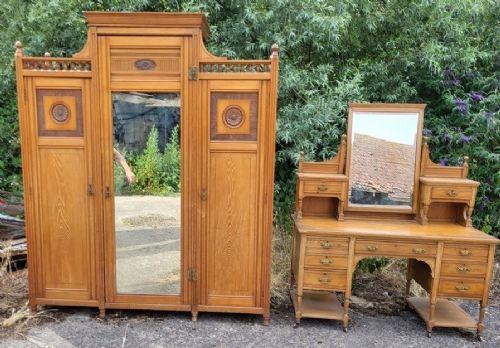


Light Oak Armoire
A light oak armoire brings generous storage and pale grain into a bedroom, combining sturdy timber with tall proportions.
Light Oak Armoire
A light oak armoire provides substantial storage through large double or triple doors, often taking the form of wardrobes, linen cupboards or bedroom cabinets. When searching for a light oak armoire, buyers encounter pieces ranging from seventeenth-century Dutch linen cupboards to twentieth-century French bleached designs.
The selection includes regional European pieces such as Breton lit-clos cupboards alongside English Arts and Crafts wardrobes from workshops like Heal's or Shapland and Petter. French provincial and Flemish baroque examples also appear, offering varied carving and cornices.
Most items on this page lean towards twentieth-century French bleached oak pieces and nineteenth-century regional cabinets. These domestic storage units vary from simple two-door cupboards to breakfront suites paired with matching dressing furniture.
Materials and Construction
Makers built these pieces primarily from solid oak, sometimes supplemented by chestnut or ash, and fitted them with brass or wrought iron hardware. Carpenters joined structural members using traditional framing methods to support heavy panelled doors.
Surface finishes vary from natural waxed timber to intentional bleaching, a treatment frequently seen on twentieth-century French items. Decorative detail relies on carved mouldings, applied panels and panelled fronts rather than applied veneers.
Regional cabinet forms range from seventeenth-century Dutch linen cupboards to nineteenth-century Breton enclosed bed fronts.
Assessing Quality and Execution
Quality rests on the selection of timber and the precision of the joinery, particularly where panels meet heavy uprights and cornices. Superior examples display crisp hand-carving and well-fitted interior shelving or hanging space that respects the architectural proportions of the piece.
The integrity of the original hardware, hinges and locks distinguishes better cabinets from those altered or rebuilt later. Finer pieces maintain balanced door alignment and structural rigidity across large expanses of solid timber.
Heals of London·Shapland & Petter·Arnott & Co
The Light Oak Armoire Glossary
- Armoire
- A large wardrobe or cupboard, traditionally used for storing garments and household linens. French variants often feature deep cornices and removable panelled sides.
- Bleached oak
- Timber treated to lighten the natural reddish or golden tones of the grain. This finish is particularly common on twentieth-century French cabinets.
- Lit-clos
- A traditional enclosed box bed from Brittany, parts of which are sometimes repurposed into tall cupboards or cabinets. These pieces retain distinctive regional carvings and panel layouts.
- Breakfront
- A cabinet design where the central section projects forward from the flanking wings. This configuration adds visual depth and architectural presence to larger wardrobes.
- Linen cupboard
- A deep storage cabinet built primarily for domestic textiles. Older examples often feature internal shelving and pegged construction.
Light Oak Armoire: Frequently Asked Questions
How do I care for a light oak armoire?
Maintain the timber by applying a neutral beeswax sparingly and buffing gently with a soft cloth to nourish the grain. Keep the cabinet away from direct heat sources and strong sunlight to prevent the solid oak panels from drying or splitting.
Ensure the room maintains a stable humidity level, as fluctuations can cause traditional timber construction and pegged joints to shift. Check the door alignment periodically and adjust the hinges if seasonal changes affect the closure.
Can an armoire be dismantled for moving?
Many older European armoires utilise pegged knockdown construction, allowing the cornice, base, and sides to separate for transport. This traditional method makes large wardrobes easier to move through tight doorways and up staircases.
Examine the interior joints and corner pegs before attempting disassembly to understand how the particular cabinet was put together. Marking the position of each panel ensures correct reassembly and proper door alignment.
What is the difference between an armoire and a wardrobe?
An armoire is traditionally a multipurpose cupboard with internal shelving or a mix of hanging space and compartments for linens and clothing. Wardrobes specifically emphasise full-length hanging space for garments.
Many antique examples bridge both categories, featuring adjustable shelves that allow the interior to serve different storage needs. French and Dutch pieces frequently retain their original modular shelf configurations.
How do I date an antique oak cabinet?
Examine the tool marks, construction methods, and hardware to determine the period of manufacture. Hand-sawn panels, hand-cut dovetails, and wrought iron hinges typically point to eighteenth-century or earlier origins.
Twentieth-century pieces often display machine-planed timber, standardised screws, and manufacturer stamps or paper labels. Comparing the decorative motifs, such as Arts and Crafts styling or Flemish baroque carving, helps narrow down the era.