
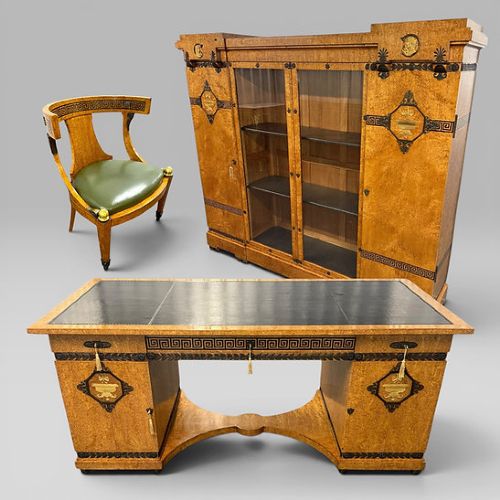
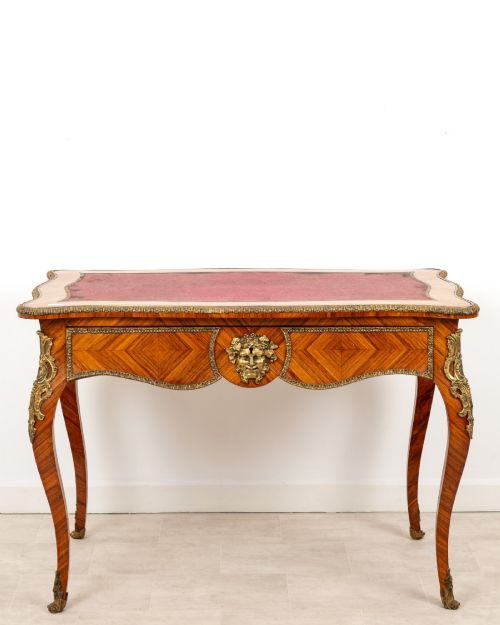
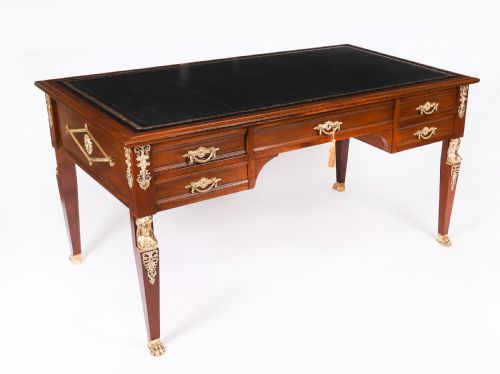
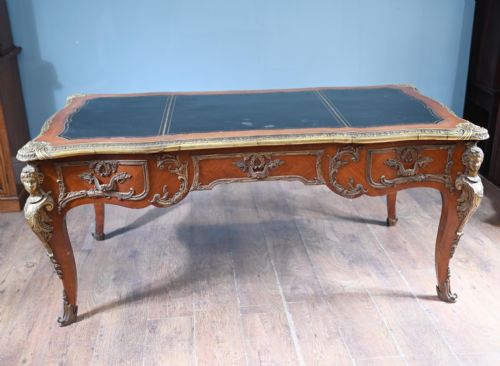
Library Desk Bronzes
These library desk bronzes bring decorative metalwork and refined writing furniture together for the study, built in periods ranging from the Regency to the Victorian.
Library Desk Bronzes
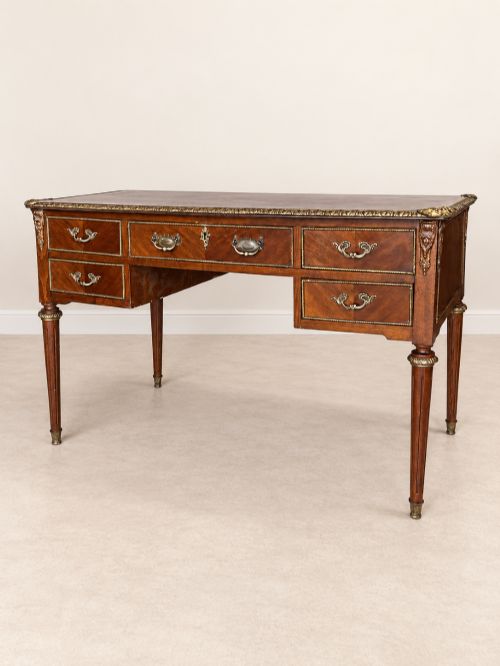
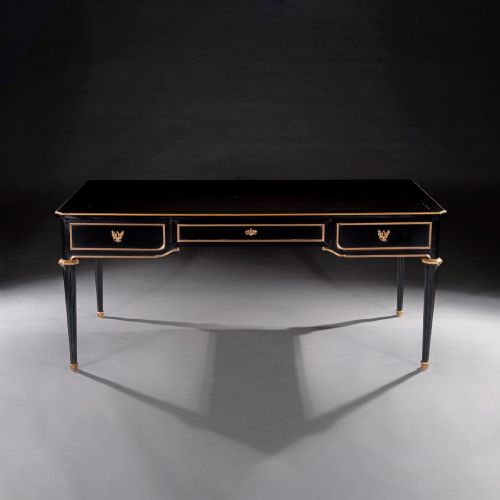
Library desk bronzes encompass desk-related bronze sculptures, bookends, lamps, and ormolu mounts associated with writing tables and bureaus. These pieces emerge primarily from the nineteenth century, including Victorian, Regency, and various revival periods.
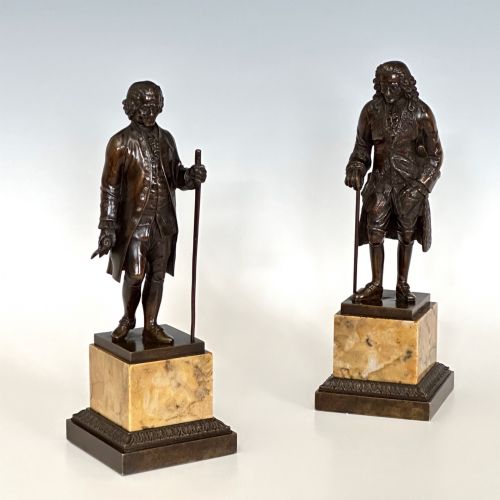
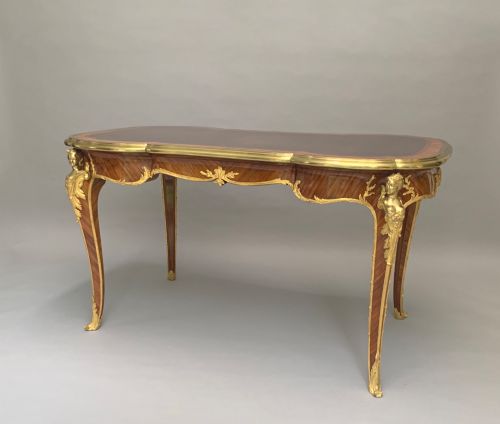
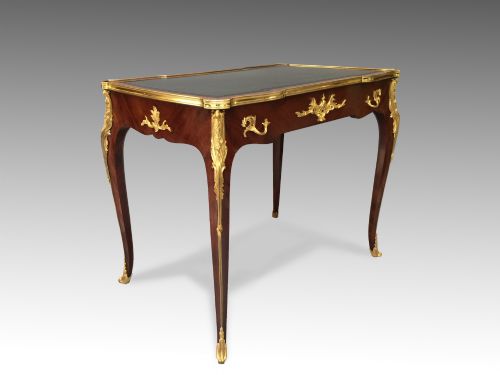
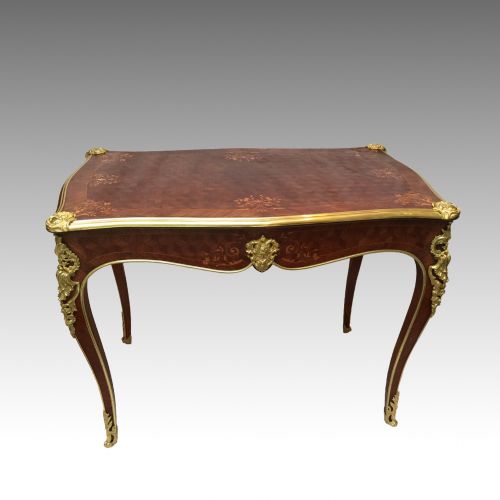
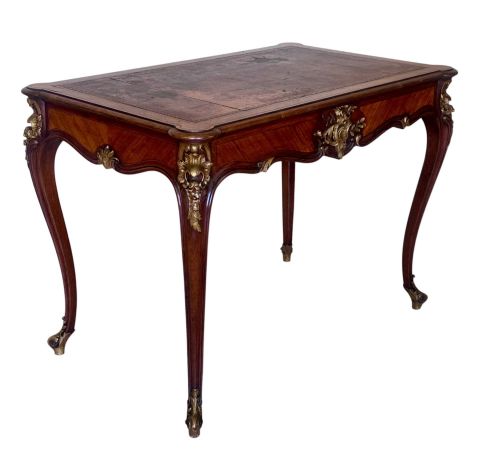
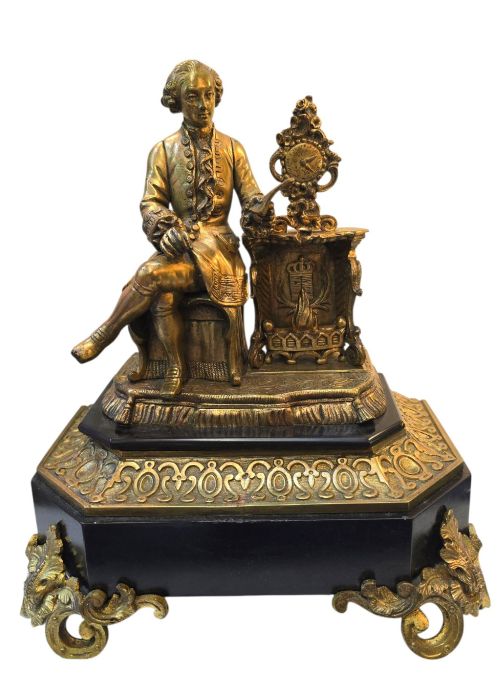
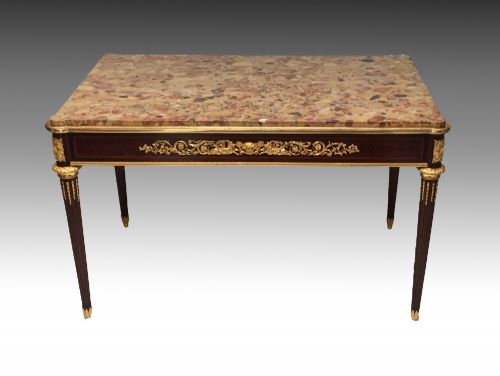
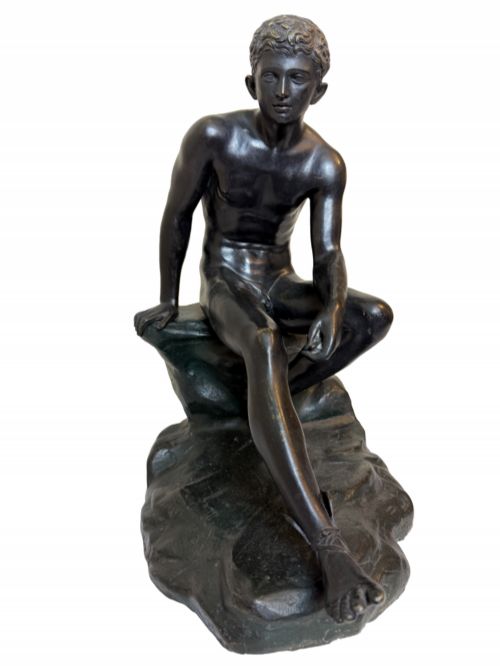
Buyers seeking library desk bronzes encounter items ranging from figural desk bronzes and bookends depicting literary figures to gilt bronze ormolu mounts on bureau plats and centre tables. French makers heavily populate this category, alongside English nineteenth-century works.
The objects serve both decorative and functional roles on writing surfaces, bringing classical motifs and patinated metalwork into nineteenth-century studies and libraries.
Materials and Construction
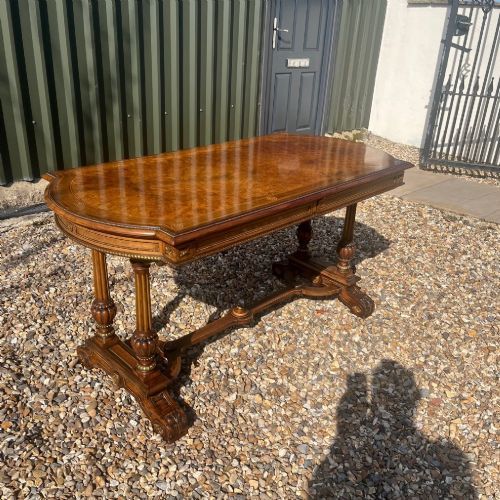
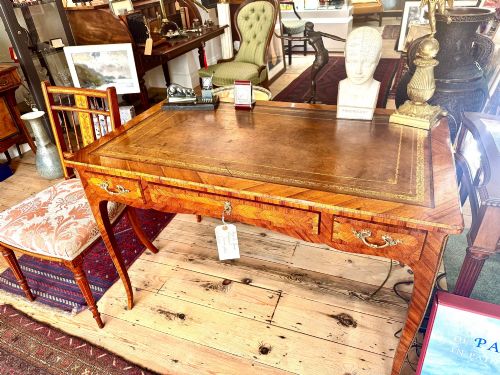
Construction relies heavily on cast bronze, often enhanced with fire gilding or ormolu, combined with cabinet timbers such as kingwood, mahogany, rosewood, and ebonised wood. Tables and desks frequently incorporate inset leather writing surfaces and elaborate marquetry or parquetry inlay.
Metal components demonstrate skilled casting and chasing techniques, visible in the sharp detail of figural sculptures, mounts, and lamps. Cabinetry pairs these bronzes with structural hardwoods, supported by brass hardware and marble tops.
Some nineteenth-century writers needed bronze Shakespeare looking on while they worked.
Evaluating Quality
Secondary materials dictate overall execution, where matched timbers, fine parquetry, and well-preserved original leather surfaces elevate a piece. The integration of the bronze mounts with the wooden frame reveals the workshop standard.
François Linke·Edwards and Roberts·CH. Jeanselme and Co·Mercier Frères·Henry Dasson·Zweiner
The Library Desk Bronzes Glossary
- Ormolu
- Gilded bronze applied as furniture mounts or decorative objects. The technique involves coating bronze in a mercury and gold amalgam and heating it.
- Bureau Plat
- A freestanding double-sided writing desk featuring a flat top, typically finished with leather. These often display extensive ormolu mounts and marquetry.
- Patina
- The surface sheen and colour acquired by bronze through age and handling. A natural patina develops over decades of exposure to air and touch.
- Marquetry
- Decorative woodwork formed by fitted veneer pieces to create pictorial designs. It appears across nineteenth-century writing tables.
- Parquetry
- Geometric wood inlay patterns forming repetitive motifs like cubes or squares. This technique decorates the tabletops and surfaces of many bureau plats.
Library Desk Bronzes: Frequently Asked Questions
Are these bronzes French or English in origin?
The evidence points strongly toward French workshops, particularly Parisian makers working in Louis XV and Louis XVI revival styles during the nineteenth century. English Regency and Victorian pieces also appear among the selections.
French pieces frequently utilise ormolu mounts and intricate marquetry.
How do you identify nineteenth-century ormolu?
Nineteenth-century ormolu displays a soft, deep gold tone resulting from mercury gilding or high-quality electroplating combined with hand-chasing. The metalwork is bolted or pegged directly into the timber frame.
Close inspection reveals individual chisel marks that clean up the raw cast.
What woods were used on these desks?
Cabinetmakers utilised exotic and domestic hardwoods including kingwood, rosewood, mahogany, walnut, and ebonised wood. These timbers provided stable grounds for parquetry and marquetry inlay.
Many surfaces also incorporate contrasting veneers to frame the bronze mounts.