
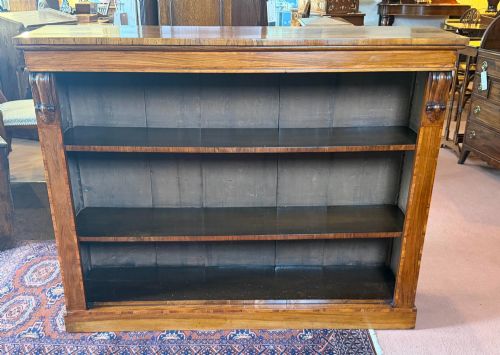
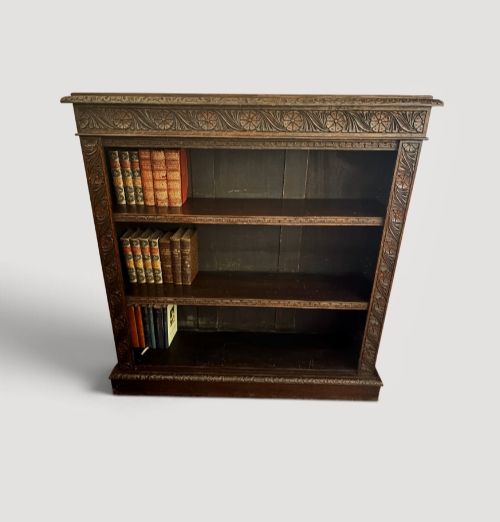
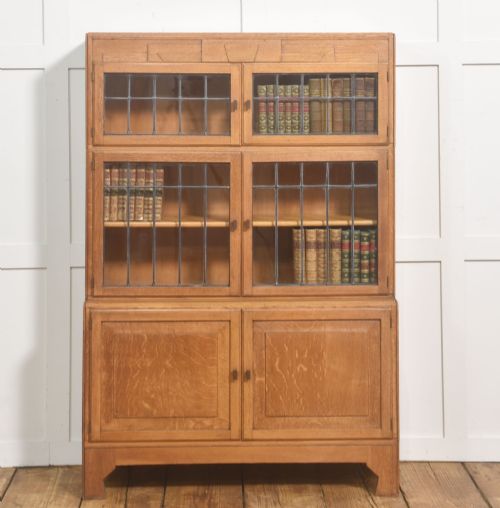
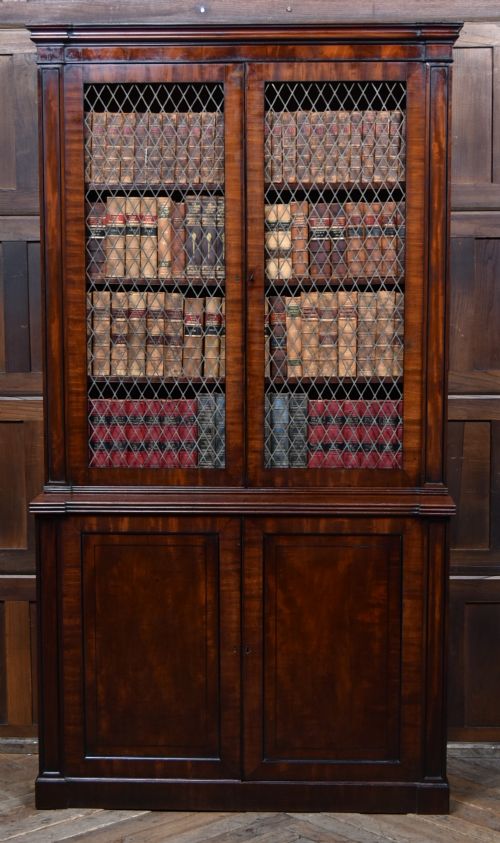
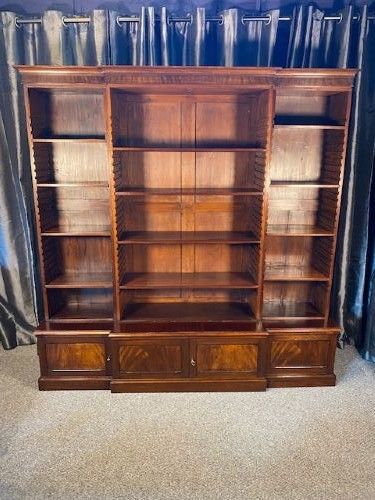
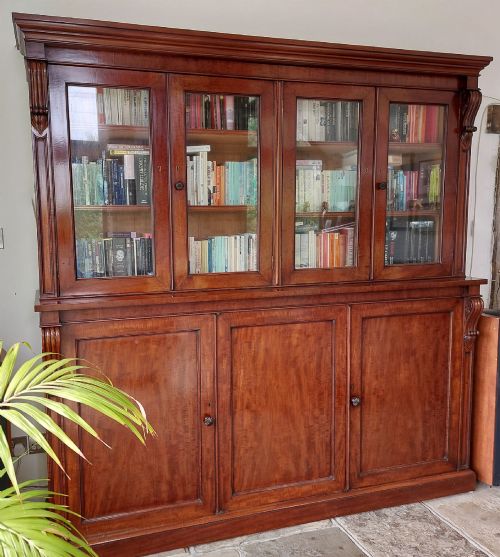
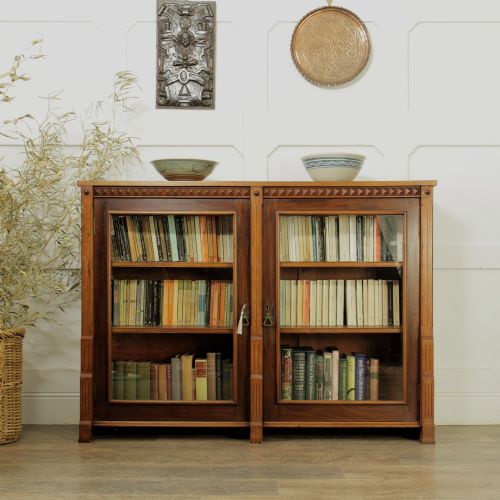
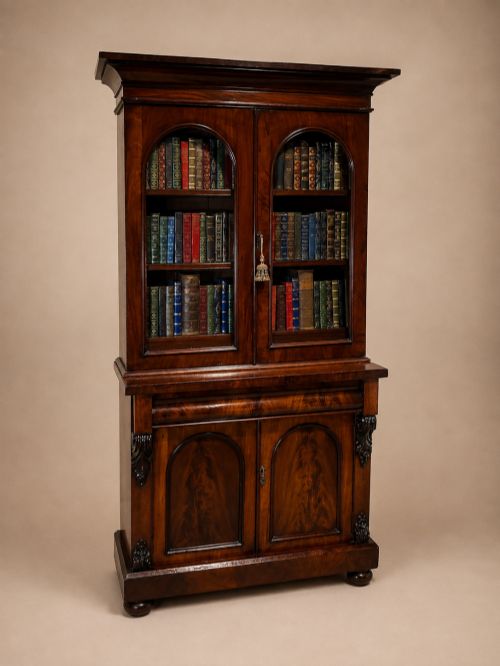
Library Book Cabinet
When you search for a library book cabinet, you are looking for substantial storage that brings architectural presence and order to rooms filled with volumes.
Library Book Cabinet
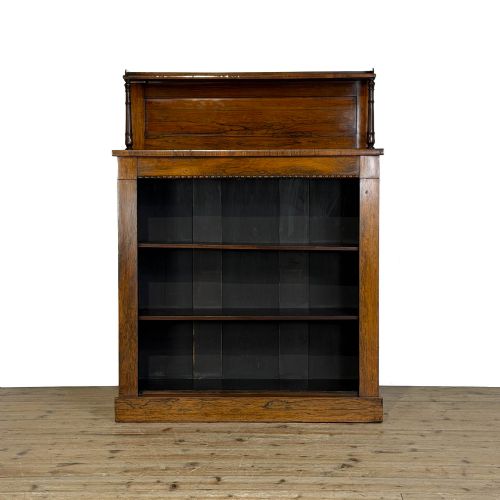
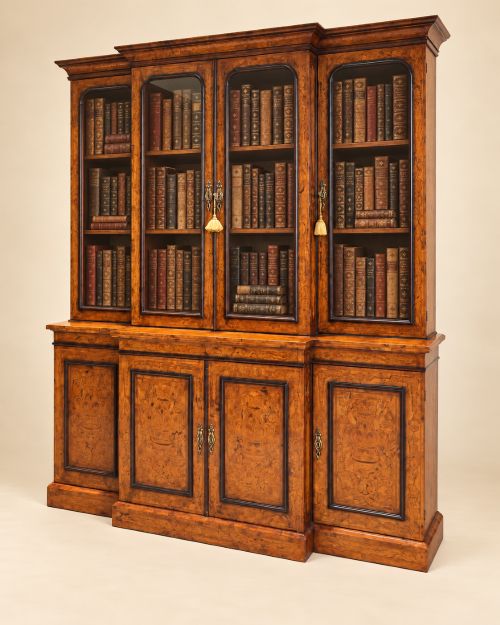
A library book cabinet combines upper shelving for display with enclosed lower cupboards, offering both open access and concealed storage. These pieces span the Georgian, Regency, and Victorian eras, alongside Edwardian and Art Deco iterations.
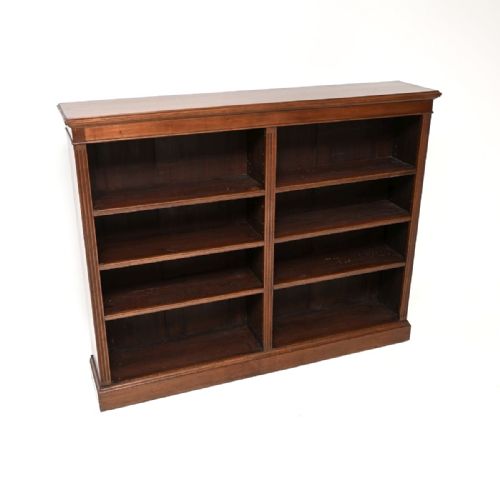
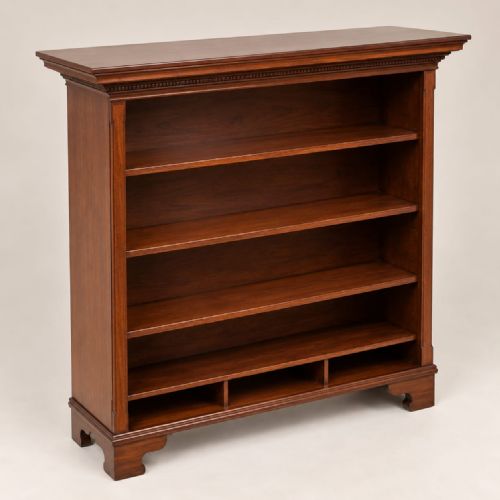
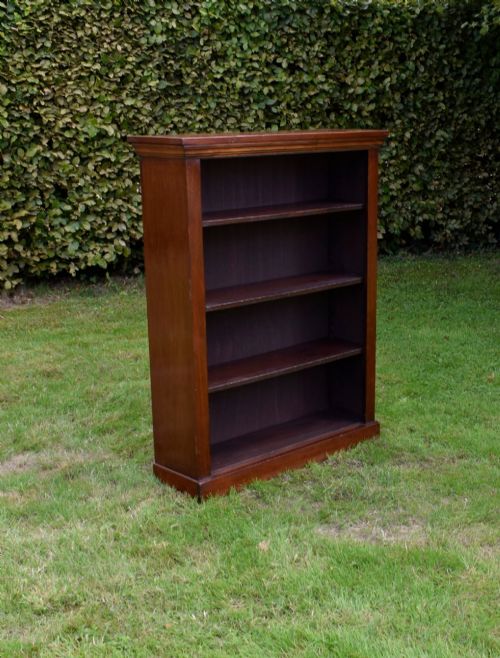
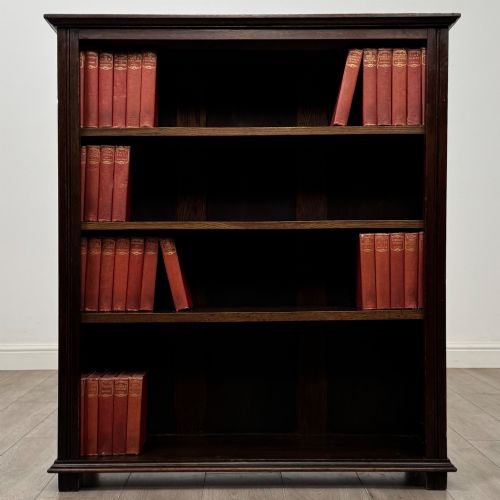
The most common formats found in these listings include grand breakfront triple units and smaller open or glazed configurations. Mahogany and oak dominate the historical record, accompanied by walnut and rosewood variants.
Makers designed these items for substantial private studies and institutional libraries, utilising sturdy timbers to support heavy volumes. Buyers encounter everything from tall architectural breakfronts to revolving tabletop stands and waterfall shelves.
Materials and Construction
Cabinet makers built these pieces using solid hardwoods like mahogany and oak, frequently applying figured walnut or rosewood veneers to primary surfaces. Brass hardware, leaded glass panels, and inlaid marquetry supplied ornamental detail to the framework.
Construction techniques relied on deep plinths, robust cornices, and adjustable wooden shelving systems supported by pegged or ratcheted pilasters. Glazed doors utilised individual wooden glazing bars to secure panes in position before finishing with wax or polish.
Some rotary revolving bookcases allowed Victorian readers to consult a whole shelf of encyclopaedias without moving from their armchair.
Judging the Standard
Quality rests upon the selection of timber figures, such as burr walnut or flame mahogany, matched symmetrically across large doors and panels. Finer examples display meticulous joinery in the drawer linings, crisp carved mouldings, and original brass fittings.
The architectural scale and proportion dictate the rank of the piece, where monumental breakfront designs with secondary interior drawers command greater distinction than utilitarian workshop furniture.
The Library Book Cabinet Glossary
- Breakfront
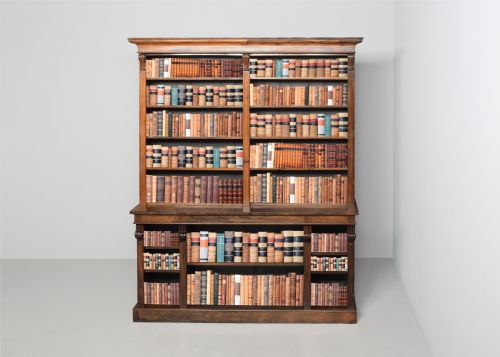
- A cabinet design where the central section projects forward from the flanking wings, creating a pronounced architectural rhythm. This layout was favoured for grand mahogany library bookcases.
- Waterfall bookcase
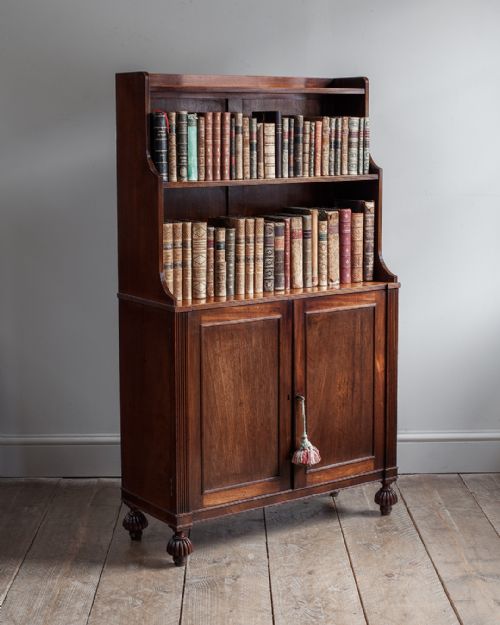
- A set of shelves diminishing in depth from bottom to top, often featuring tiered compartments. Regency makers utilised this graceful form for lighter occasional volumes.
- Secretaire bookcase
- A tall storage unit incorporating a drop-front writing drawer fitted with small pigeonholes and internal compartments above lower cupboards. These integrated two functional study items into one frame.
- Revolving bookcase
- A compact table-top or floor-standing unit mounted on a concealed pivot, allowing effortless rotation to access various volumes. Edwardian workshops produced these in oak and mahogany.
- Glazed door
- A frame fitted with transparent glass panels that protected fragile bindings from dust while keeping collections visible. These doors often featured astragal bars dividing the panes.
Library Book Cabinet: Frequently Asked Questions
How do I date a library cabinet?
Dating relies on observing timber choices, hardware styles, and structural proportions across different periods like the Georgian, Regency, and Victorian eras.
Earlier pieces from the late eighteenth and early nineteenth centuries often display hand-cut dovetails and flame mahogany veneers, whereas Edwardian iterations utilise lighter golden oak.
Are shelves adjustable in antique bookcases?
Many larger period bookcases feature adjustable shelving supported by wooden ratchets, brass studs, or movable pegs inside the cabinet walls.
This adaptability allowed owners to reconfigure the interior height to accommodate varying sizes of folio volumes and reference books.
How do I care for timber library furniture?
Maintenance involves keeping wooden surfaces away from direct heat sources and sudden humidity shifts to prevent timber splitting and veneer lifting.
Applying microcrystalline wax periodically helps nourish the polish and protect the grain without building up heavy residues.