


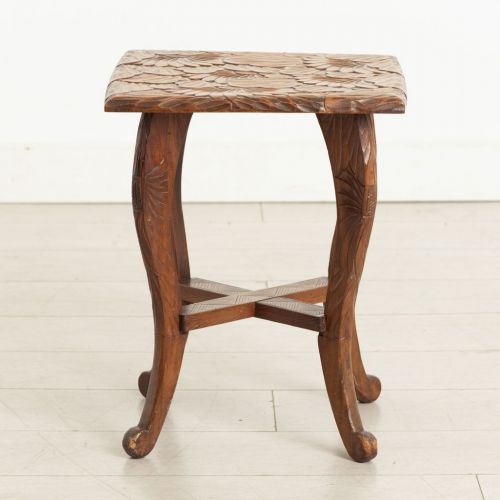
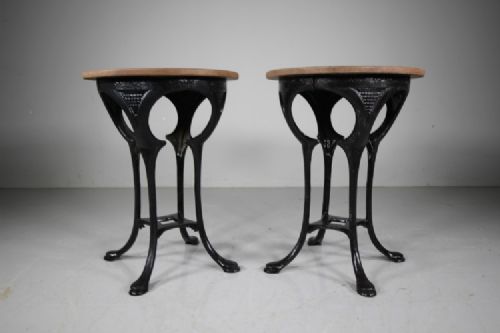
Liberty Arts Crafts Furniture
These pieces of liberty arts crafts furniture bring solid oak construction and clean, honest design straight into your sitting room.
Liberty Arts Crafts Furniture
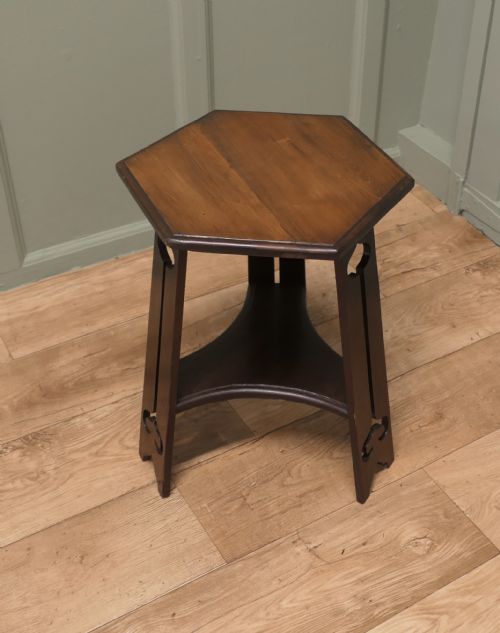
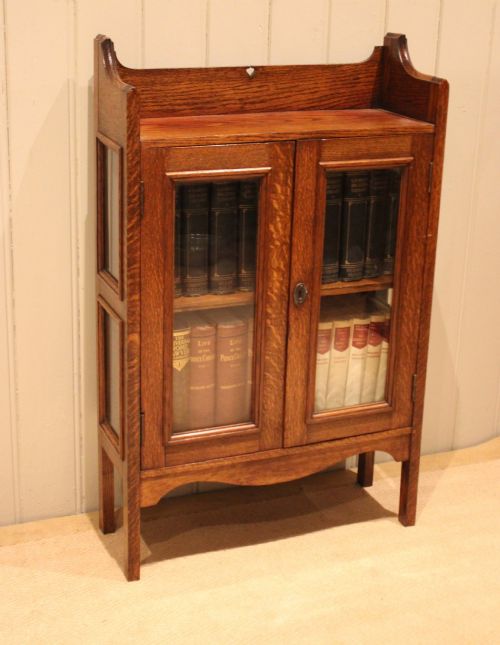
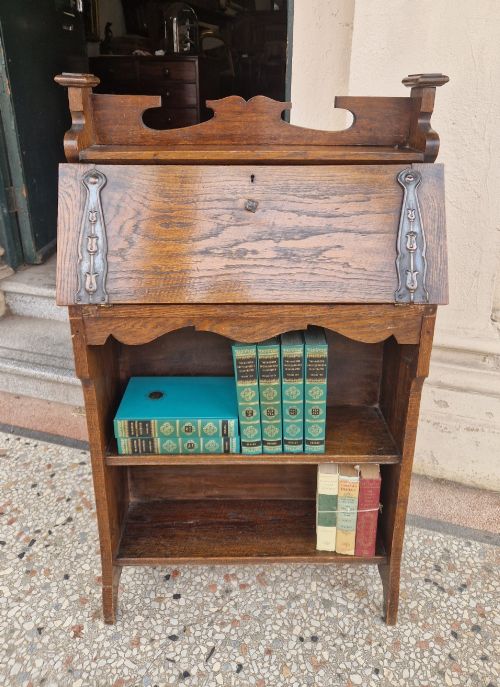
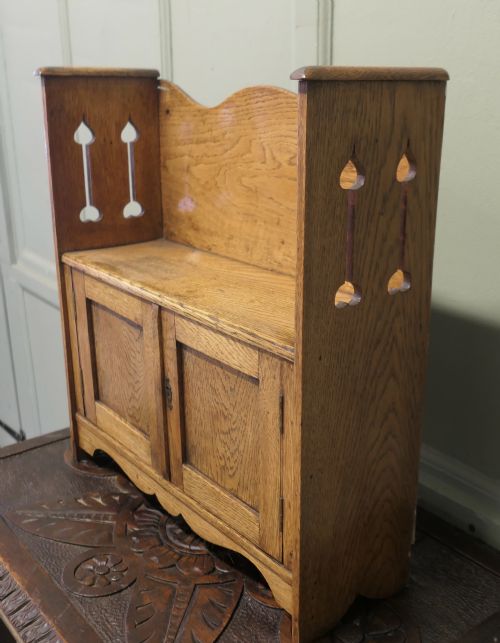
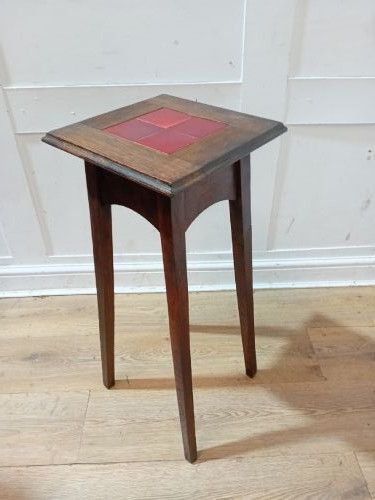
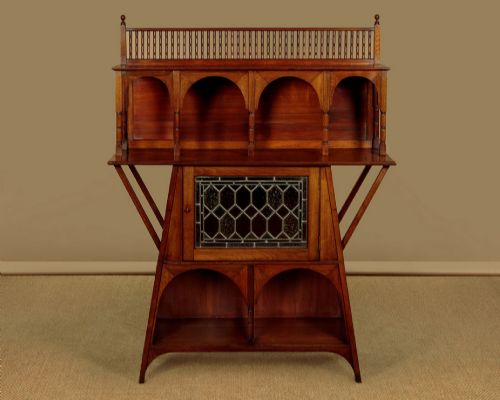
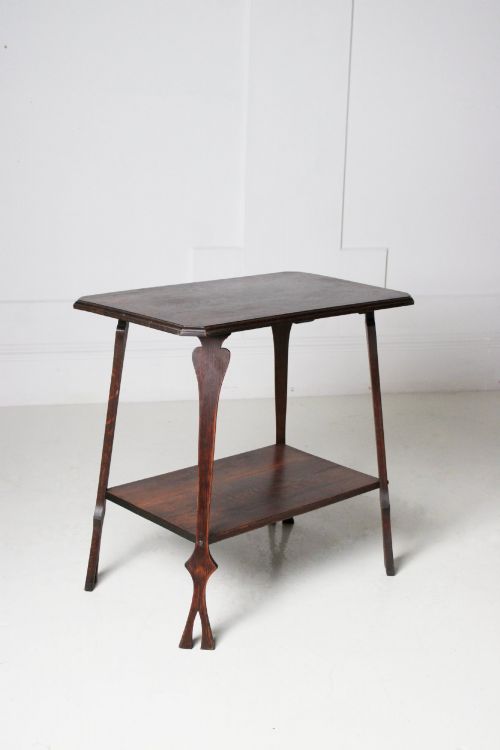
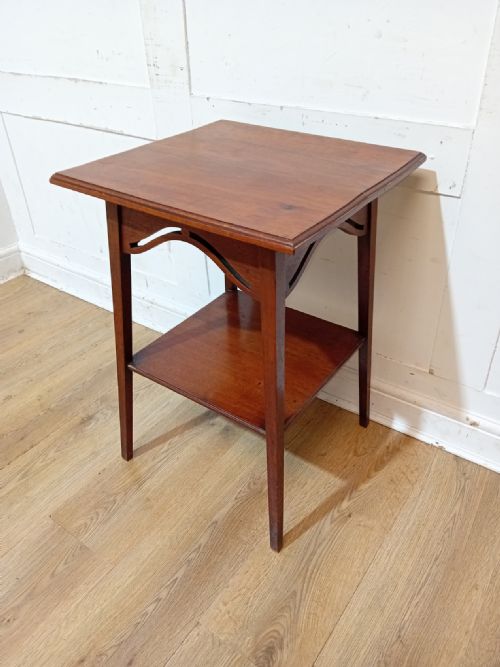
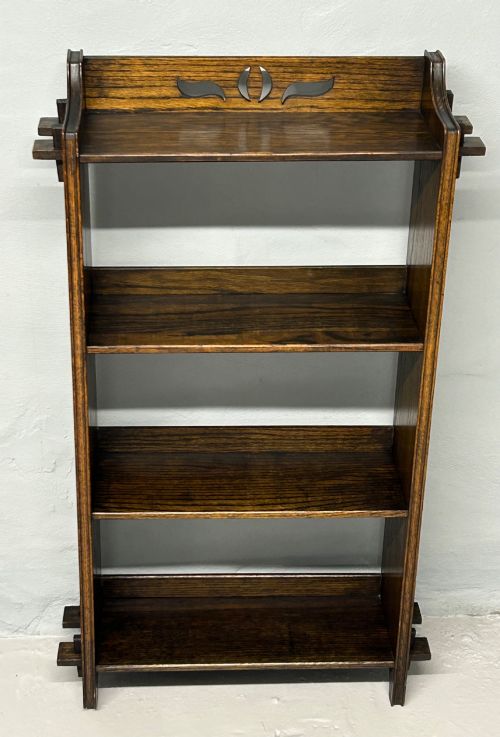
When you search for liberty arts crafts furniture, you encounter practical domestic items shaped by late nineteenth and early twentieth century design movements. These range from occasional side tables and plant stands to substantial bookcases, dressers, and armchairs.
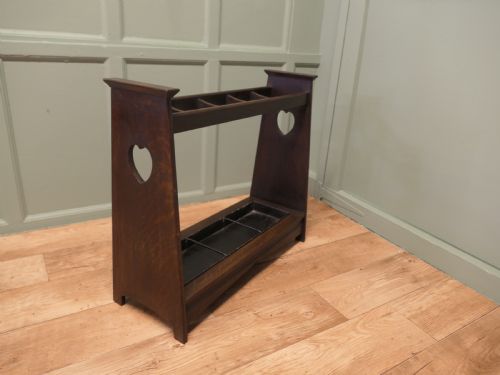
Oak dominates the selection, joined by walnut and mahogany forms that reflect the Arts and Crafts, Art Nouveau, and Anglo-Japanese styles. You meet pieces designed for everyday utility, such as umbrella stands, sideboards, and low armchairs with rush seats.
How They Were Made
Cabinet makers built these items primarily in solid oak, occasionally using walnut or mahogany, with visible construction details that celebrated natural wood grain. Metalwork played a key supporting role, utilising copper, brass, and cast iron for table tops, hinges, and decorative mounts.
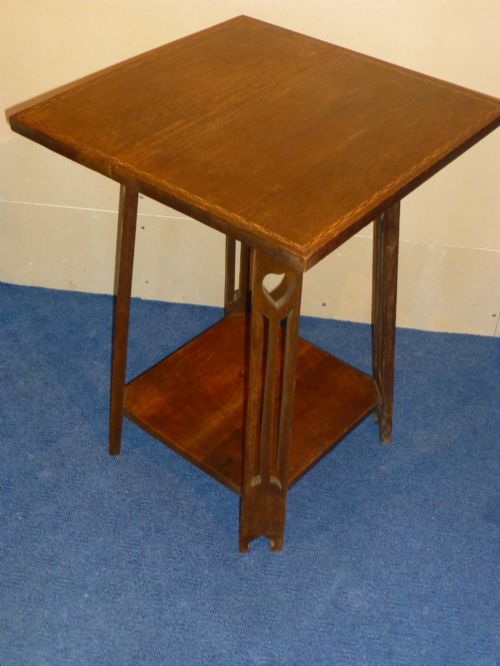
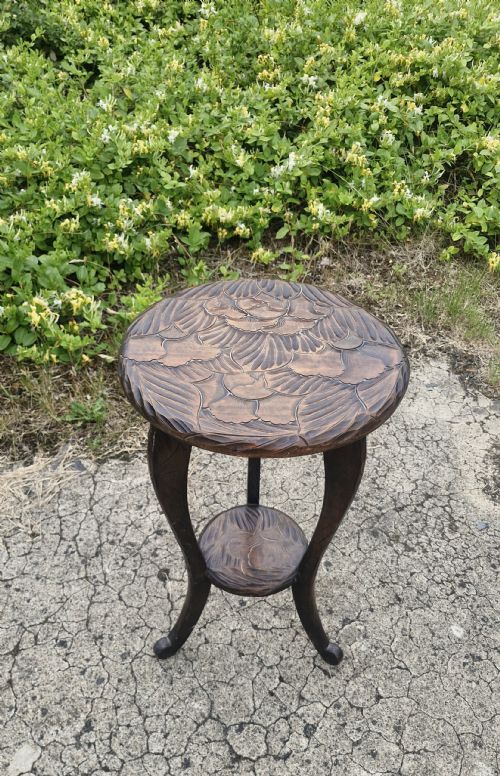
Artisans applied carved motifs, chequered inlay, and glazed panels to plain timber frames without hiding the underlying structure. Rush seating and fabric upholstery completed chairs and stools, adhering to traditional craft methods.
Listings feature oak predominantly, supported by occasional uses of walnut, mahogany, brass, copper, glass, and iron across the nineteenth and twentieth centuries.
What Varies in Quality
The distinction between ordinary production and superior work rests on the crispness of the hand carving and the selection of timber. Better examples display careful jointing and thoughtful integration of materials like copper tops or subtle inlay.
Attribution also shapes standing, with pieces bearing documented links to specific makers or retailers commanding greater interest. Simpler utilitarian items remain honest and functional, while fully articulated decorative schemes show finer artistic ambition.
William Birch·Archibald Knox·Shapland & Petter·Gillow
The Liberty Arts Crafts Furniture Glossary
- Arts & Crafts
- A design movement prioritising traditional craftsmanship, simple forms, and natural materials over mass production. It emerged in the late nineteenth century and influenced furniture, textiles, and metalwork.
- Occasional Table
- A small, movable table designed for a specific, intermittent use such as holding a lamp, book, or plant. These items form a large portion of everyday domestic survivals.
- Rush Seated
- Describes chairs or stools woven from dried marsh rushes rather than upholstered with fabric or leather. This technique provides a durable, textured seat common in vernacular furniture.
- Overmantel
- A decorative wooden frame or mirror placed above a fireplace mantelpiece. These often incorporate shelving and carved details matching surrounding interior woodwork.
Liberty Arts Crafts Furniture: Frequently Asked Questions
How do I identify Liberty furniture?
Look for distinctive design combinations drawing on Arts and Crafts, Anglo-Japanese, or Moorish styles executed mainly in oak. Many pieces carry maker marks, paper labels, or copper elements that tie them to the London retailer.
Construction methods typically emphasise honest joinery and practical utility, whether on a small plant stand or a large sideboard.
Where should I place an occasional table?
These compact tables suit corners, hallways, or beside armchairs where surface space is useful without blocking movement. Two-tier versions offer extra room for small books or decorative objects.
Keep them away from direct heat sources to protect the polished wood surfaces and any inlaid details.
How do I care for antique oak?
Dust the timber regularly with a soft, dry cloth and avoid modern silicone polishes that build up a hazy film. Feed the dry wood periodically with a traditional beeswax paste.
Maintain stable room humidity to prevent the solid oak panels from shrinking or cracking over time.
What is a plant or jardiniere stand?
A tall, slender piece designed specifically to elevate potted plants or floral arrangements within a room. They allow greenery to sit at eye level in bay windows or hallways.
Many examples feature copper or brass trays on top to catch water runoff from the pots.