



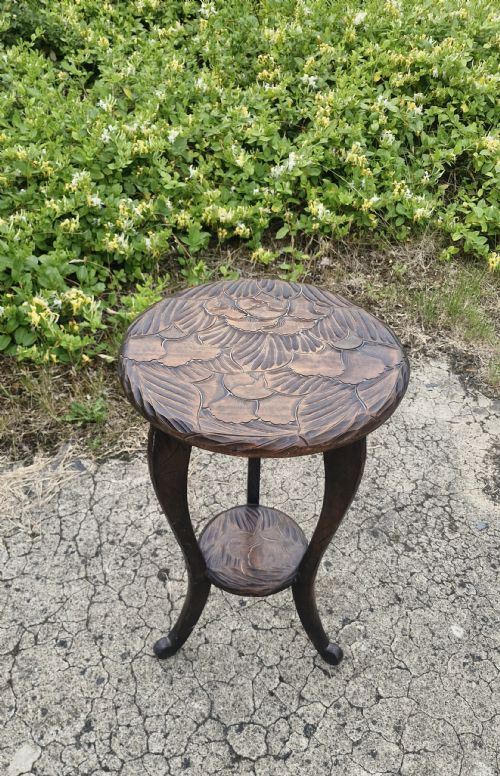


Liberty and Co Plant Stand
A liberty and co plant stand brings distinct Arts and Crafts and revival aesthetics into a room, offering both surface utility and decorative presence.
Liberty and Co Plant Stand
A liberty and co plant stand encompasses items identified as plant stands, display tables, and occasional tables originating from the late nineteenth and early twentieth centuries. These pieces reflect the retailer's diverse sourcing from the Victorian period through to the 1920s.
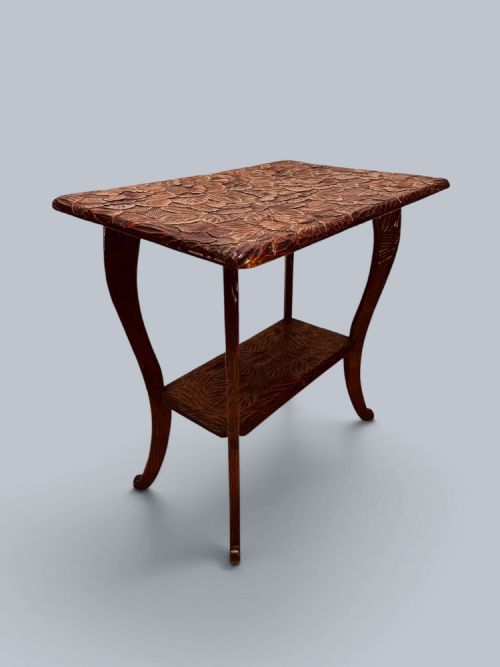
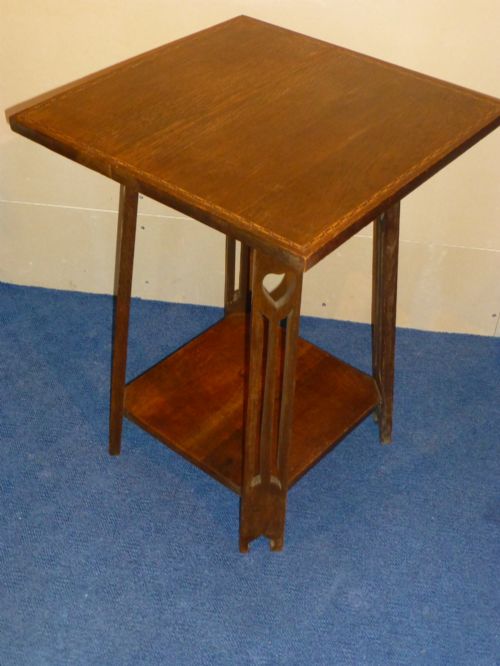
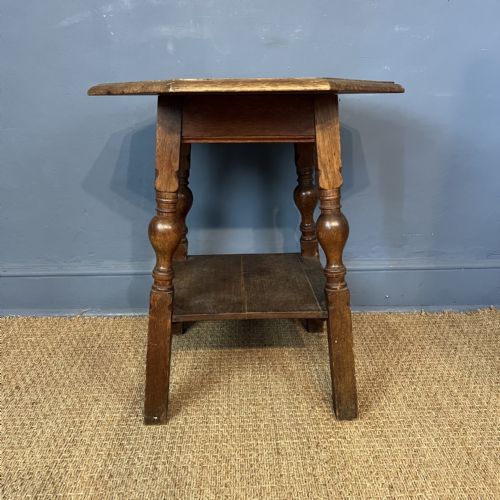
The forms span octagonal plant stands, circular occasional tables, and tiered display pieces. Makers and designers supplied varied regional styles, from plain oak constructions to heavily decorated examples.
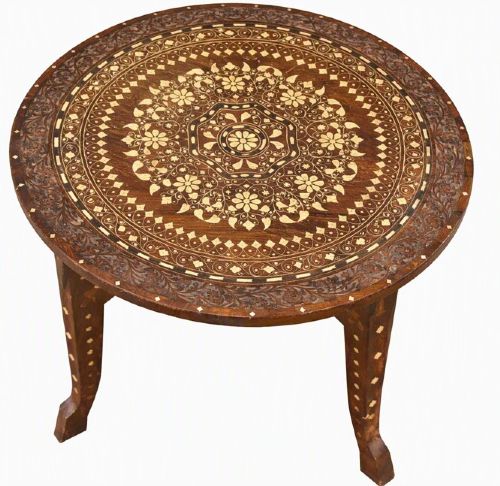
Buyers will encounter items ranging from simple Arts and Crafts forms to Moorish Revival, Anglo-Indian, and Aesthetic Movement designs. Elm, oak, and exotic hardwoods form the structural basis of these listings.
How they were made
Construction relies on traditional cabinetmaking timbers including oak, elm, mahogany, and assorted hardwoods, sometimes ebonised to resemble costlier materials. Joinery and structural framing support the weight of pots and decorative objects.
Decoration involves extensive hand carving, fretwork, and applied details. Artisans incorporated bone inlay, mother of pearl, wood inlay, and leather surfaces, drawing on Moorish, Japanese, and Indian design traditions.
Liberty and Co Plant Stand Retail Price Guide 2026
Typical asking prices for liberty and co plant stand among the pieces listed under this phrase on Sellingantiques today, from the lower quarter to the upper quarter. They describe what is for sale here now, not the wider market.
Listings feature oak, elm, rosewood, and hardwood, incorporating bone, mother of pearl, and wood inlay.
What varies in quality
Quality rests upon the execution of the hand carving and the precision of the inlay work, whether bone, mother of pearl, or chequered wood. Finer examples display crisp detail in the botanical or geometric motifs.
The choice of timber and the integrity of the secondary woods dictate the durability and finish of each piece. Superior items maintain stable joints and balanced proportions across tiered or folding constructions.
William Birch
The Liberty and Co Plant Stand Glossary
- Arts and Crafts
- A design movement valuing hand craftsmanship, simple forms, and local materials over mass production. This style defines many oak and elm stands on the page.
- Moorish Revival
- An architectural and decorative style incorporating Islamic geometric patterns and intricate fretwork. Pieces in this idiom often feature octagonal tops and dense surface carving.
- Anglo-Indian
- Furniture made in India for the British market, combining traditional Indian carving techniques with European furniture forms. These tables frequently utilise bone inlay.
- Ebonised Wood
- Timber treated to achieve a dark, black finish imitating ebony. It provides high contrast for inlaid materials such as bone and mother of pearl.
- Occasional Table
- A small, moveable table designed for specific, intermittent uses such as holding a lamp, plant, or books. The inventory includes two-tier and folding variants.
Liberty and Co Plant Stand: Frequently Asked Questions
Are these stands strictly for plants?
While designated as plant stands or display tables in historical records, their surfaces accommodate lamps, books, and decorative objects equally well. The sturdy construction of the oak and elm frames supports everyday display requirements.
Buyers often utilise them as bedside tables or freestanding accents in hallways and reception rooms. Their compact footprints suit varied interior layouts.
How do I identify the style?
Style identification depends on the decorative vocabulary employed across the timber surface. Arts and Crafts pieces tend to emphasise plain oak or carved elm with structural honesty.
Revival pieces introduce dense geometric carving, inlaid bone, or bamboo elements. Examining the legs and top configuration reveals whether the influence is Japanese, Moorish, or Anglo-Indian.
What woods were used?
Makers employed domestic timbers such as oak, elm, and assorted hardwoods alongside exotic rosewood and mahogany. Ebonised finishes appear on select decorative tables to heighten contrast.
Inlays incorporate bone, mother of pearl, and contrasting light woods. Leather surfaces also feature on specific occasional tables from the period.
How do I date these tables?
Dating relies on stylistic markers associated with the periods recorded in the listings, spanning from late Victorian decades to the 1920s. Construction methods, such as hand-cut joints and specific inlay patterns, help narrow the timeframe.
Stamps, attributed makers like William Birch, and design catalogues provide further chronological anchors. Comparing the form against known Arts and Crafts or Aesthetic Movement productions clarifies the era.