

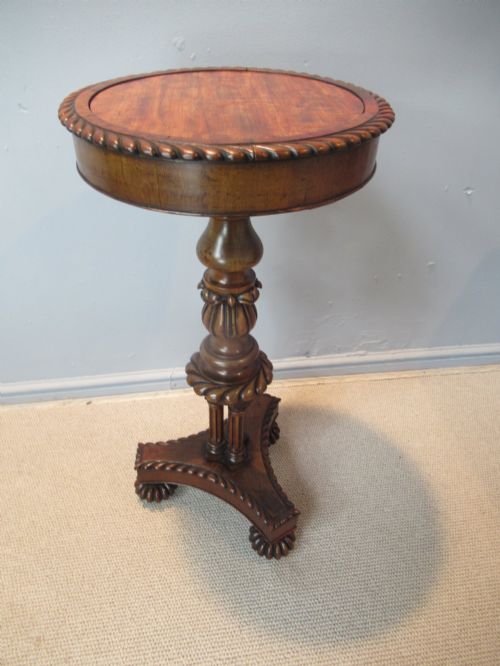
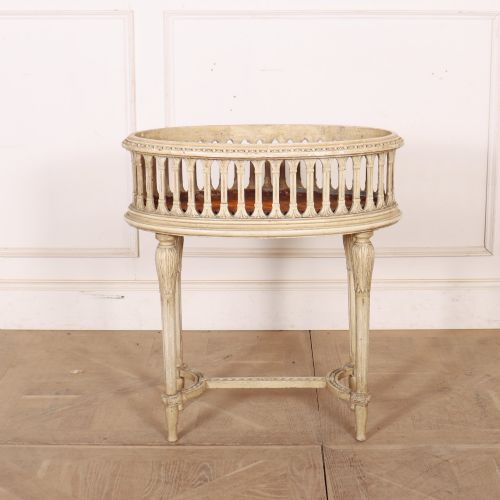

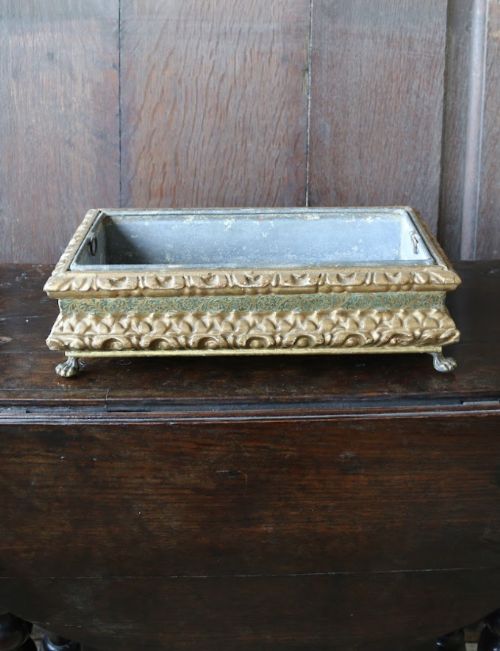


Carved Wooden Jardiniere Table
These carved wooden jardiniere table examples bring botanical display indoors, uniting functional plant stands with decorative craftsmanship.
Carved Wooden Jardiniere Table
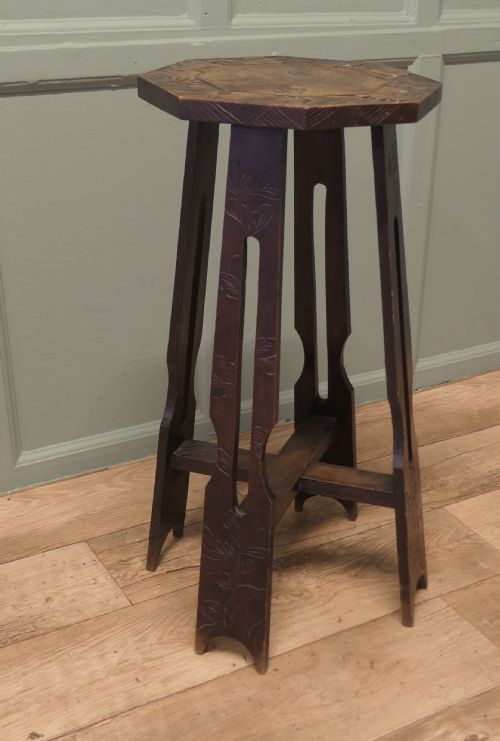
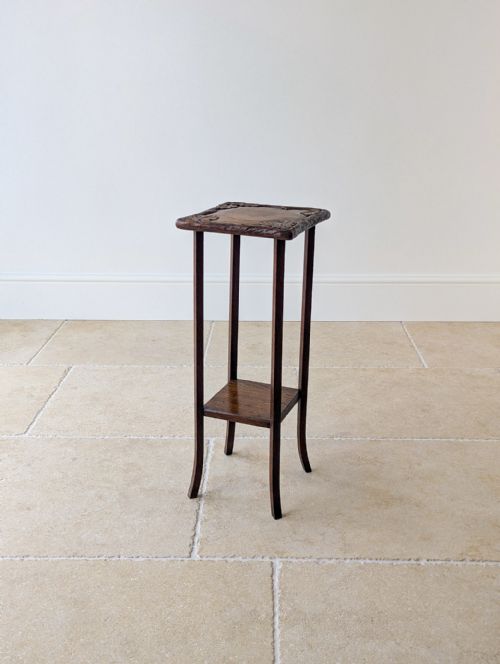
A carved wooden jardiniere table serves primarily as a decorative platform for holding indoor plants, flowers, or jardinieres within domestic interiors. These pieces appear across various periods, including Victorian, Edwardian, and Regency eras, reflecting diverse regional aesthetics.
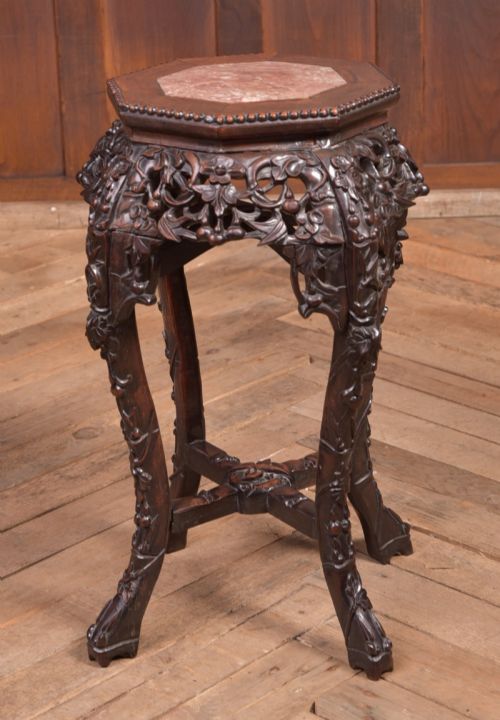
Buyers commonly encounter forms ranging from low plant stands and tall pedestals to multitiered display tables and specialised planter tables. Oriental and Chinese export pieces frequently incorporate inset marble tops, while European examples favour walnut, oak, and mahogany timbers.
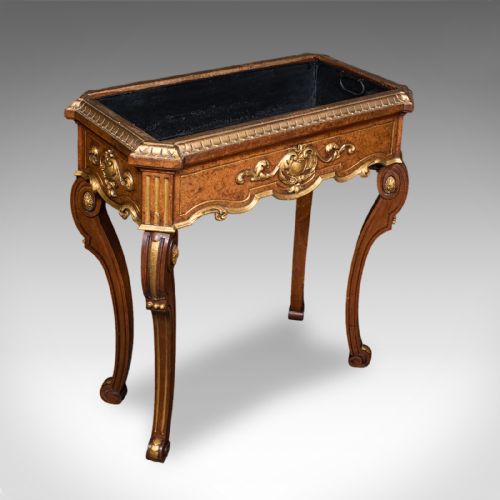
The typology frequently overlaps with vase stands, wine coolers, and torcheres, demonstrating versatile domestic utility. Construction spans simple turned supports to deeply carved surfaces displaying Qing Dynasty, French Rococo Revival, or Arts and Crafts influence.
Materials and construction
Cabinetmakers utilised dense hardwoods including walnut, mahogany, oak, padouk, rosewood, and elm to construct sturdy frames capable of supporting heavy planters and marble inserts. Metal liners, zinc inserts, and ormolu mounts frequently protected the timber structures from moisture associated with live plants.
Carving techniques varied from linear barley twist legs and geometric panels to elaborate oriental figural motifs and French Rococo scrollwork. Marble tops were commonly rebated directly into wooden frames to provide a durable, water-resistant surface for displaying vases and jardinieres.
Carved Wooden Jardiniere Table Retail Price Guide 2026
Typical asking prices for carved wooden jardiniere table among the pieces listed under this phrase on Sellingantiques today, from the lower quarter to the upper quarter. They describe what is for sale here now, not the wider market.
Black Forest plant stands bring deep woodland carvings of foliage and wildlife straight into the Victorian parlour.
Indicators of quality
The selection of timber grain and the depth of hand-carving distinguish superior examples from standard production pieces. Burr walnut, dense rosewood, and well-figured mahogany indicate deliberate material selection by makers.
The integration of contrasting materials, such as fitted white marble tops within hardwood frames or cast ormolu accents, marks higher execution standards. Structural integrity in joints and original surface finishes further separate standard plant stands from finer display tables.
Liberty and Co
The Carved Wooden Jardiniere Table Glossary
- Jardiniere
- An ornamental pot or stand designed to hold flowers or plants. These vessels sit atop dedicated tables or serve as freestanding planters.
- Torchere
- A tall ornamental stand or candlestick holder adapted for display purposes. Examples often double as plant pedestals.
- Padouk
- A heavy tropical hardwood prized for its rich reddish-brown colour and durability. Makers utilised this timber extensively in oriental stands.
- Ormolu
- Gilded bronze or brass applied as decorative mounts on furniture. This material frequently highlights Regency and revival pieces.
- Barley twist
- A turned wooden furniture leg resembling a spiralling rope. This decorative turning appears frequently on oak and walnut plant stands.
Carved Wooden Jardiniere Table: Frequently Asked Questions
What is a jardiniere table?
A jardiniere table is a specialised piece of furniture designed to hold indoor plants and floral arrangements safely.
These tables often incorporate waterproof liners, metal inserts, or inset marble tops to protect the surrounding timber structure from moisture.
How were these tables used?
Historically, households used these stands to bring botanical displays into living rooms, parlours, and hallways. They elevated potted ferns and flowering plants to improve visibility and protect interior flooring.
Many designs doubled as display surfaces for decorative vases, lamps, or wine coolers when plants were absent.
How do I identify the period?
Dating relies on stylistic clues, timber choice, and construction methods matching specific eras such as Victorian, Edwardian, or Regency. Heavy carving, dark oak, and barley twist legs often point towards late nineteenth or early twentieth-century revival styles.
Oriental and Chinese export pieces frequently feature dense hardwoods like padouk and rosewood combined with inset marble panels.
Where should I place one?
These stands suit entryways, corners, or window spaces where plants receive adequate light and visibility. Their compact footprints allow them to function effectively as accent tables.
Care should be taken to use protective saucers under live plants to prevent water damage to antique wood surfaces.