
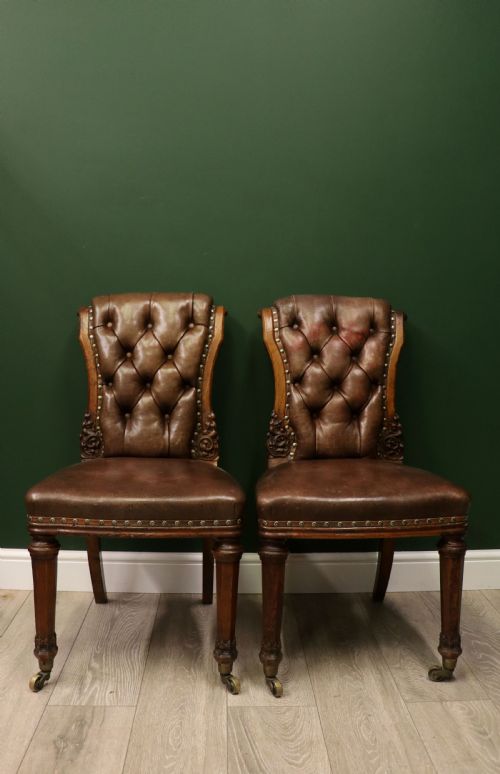


Leather Hall Seat
A leather hall seat brings solid oak frames, rich hide and centuries of practical presence straight into an entranceway.
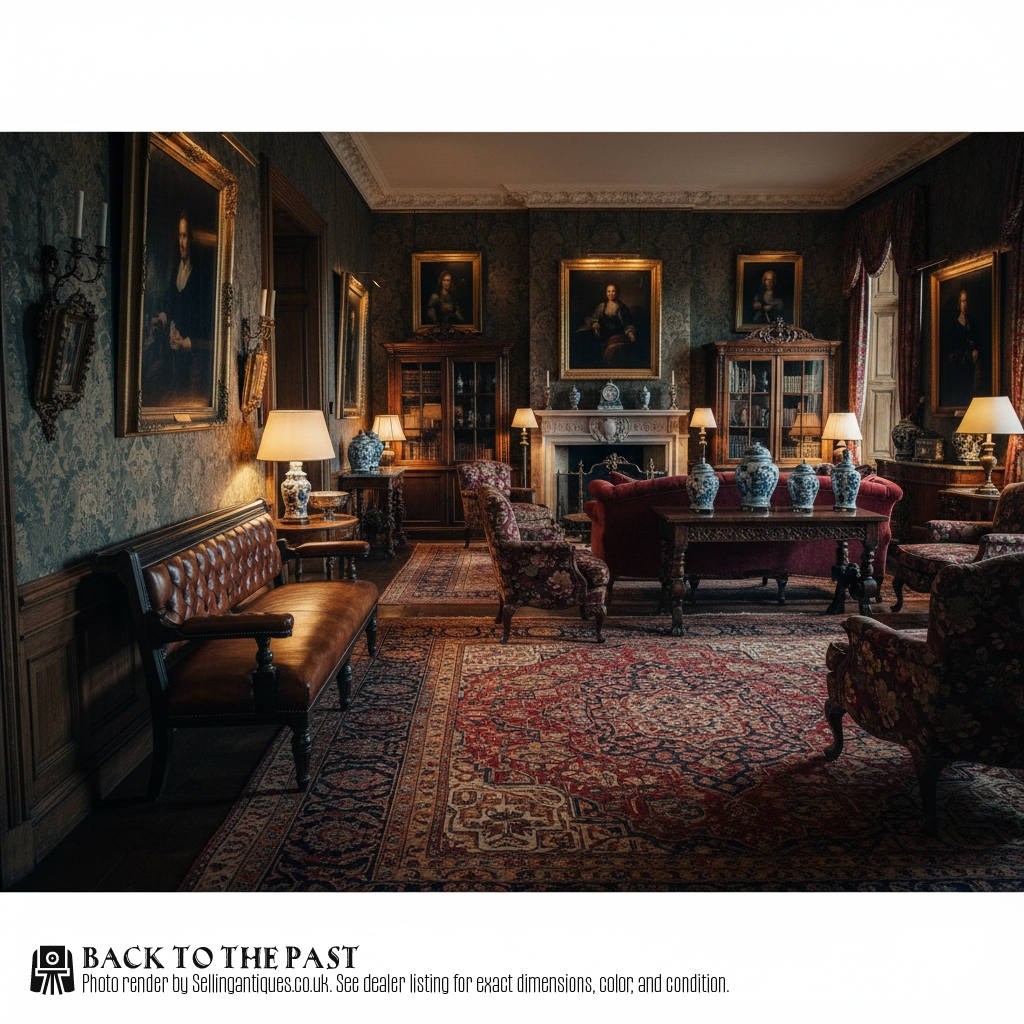
Leather Hall Seat
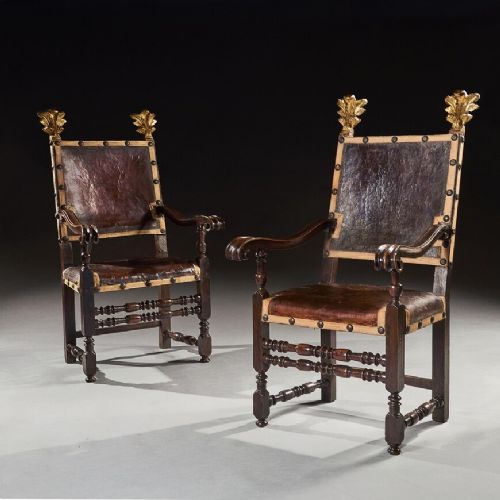
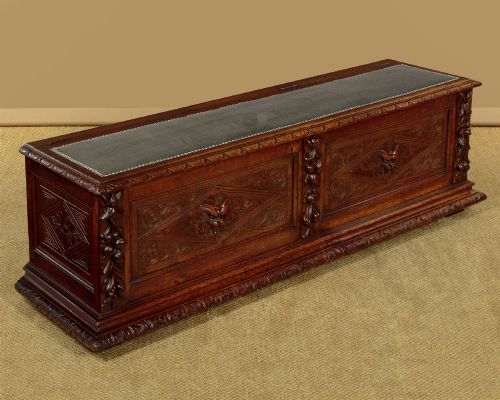
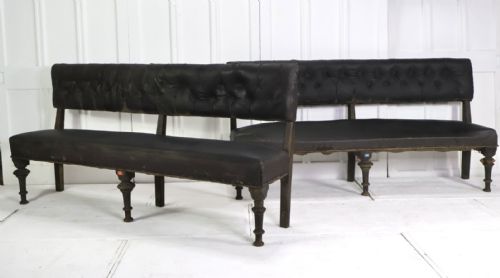
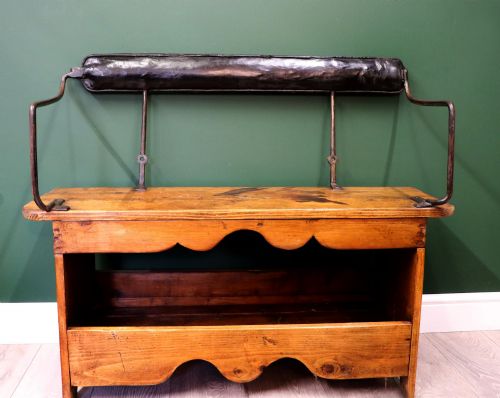
A leather hall seat is a sturdy form designed for domestic entrances, combining heavy wood frames with durable upholstered hide. Buyers searching for a leather hall seat typically encounter oak, walnut, and mahogany frames shaped into settles, benches, side chairs, and armchairs.
The selections span distinct historical periods from the seventeenth century through to the Edwardian era, with nineteenth-century Victorian Gothic Revival examples appearing frequently. Forms range from high-backed throne chairs and settles to long benches, window seats, and compact side chairs suited for narrower passages.
How they were made
Frames rely predominantly on solid timbers such as oak and walnut, frequently joined with carved wooden detailing, panel work, or turned supports. Hard-wearing leather forms the primary upholstery, sometimes secured with brass nail heads, buttoning, or woven panels.
Cabinetmakers and joiners utilised traditional hand-carving techniques, particularly on nineteenth-century Gothic Revival and Italian Baroque iterations. Selected examples integrate specialised elements like velvet trim, parcel-gilt highlights, or rotary mechanisms.
One unexpected nineteenth-century survivor includes a rotary desk seat mechanism built into an antique porter's chair.
What varies in quality
Quality rests in the integrity of the timber frame and the depth of the hand-carved detailing. Pieces featuring dense native hardwoods like oak and walnut with crisp, deep relief carving stand apart from plainer variants.
The proportion and weight of the frame dictate the piece's authority in a room. Better examples show careful integration between the hide upholstery and the structural woodwork, maintaining visual balance across large settles and long benches.
A.W.N. Pugin
The Leather Hall Seat Glossary
- Settle
- A wooden bench with a high back, solid arms, and enclosed storage beneath the seat. This form kept draughts away from people sitting in cold hallways.
- Gothic Revival
- An architectural and decorative style drawing on medieval forms, characterised by pointed arches and heavy carved tracery. This aesthetic dominates many nineteenth-century oak examples.
- Parcel-gilt
- Partially gilded with gold leaf applied to specific carved details on a wooden frame. This technique adds subtle highlights to walnut and other dark timbers.
- Stinkwood
- A durable, heavy timber native to South Africa, prized for its distinct scent when freshly cut and rich dark grain. It appears in rarer colonial pieces.
- Buttoned leather
- Upholstery pulled into a diamond pattern and secured with deep indentations, sometimes using leather or brass buttons. This method adds padding and texture to armchairs and banquettes.
Leather Hall Seat: Frequently Asked Questions
Where should I place a leather hall seat?
These pieces suit entrance halls, boot rooms, and wide corridors where a sturdy seat and durable hide can withstand daily comings and goings.
The substantial wooden frames and dark leather provide a grounded anchor against hallway walls, offering a practical spot for putting on shoes.
How do I care for antique leather upholstery?
Historic leather requires gentle cleaning with appropriate conditioning balms to prevent the hide from drying out over time.
Keep these seats away from direct radiator heat and strong sunlight to protect both the natural leather and the underlying timber frame.
How do I spot a Gothic Revival piece?
Look for pointed arch motifs, heavily carved tracery, and dark oak frames that mimic medieval ecclesiastical furniture.
These nineteenth-century pieces often display strong vertical lines, panel detailing, and imposing proportions designed to command an entrance hall.