

Antique Club Seating
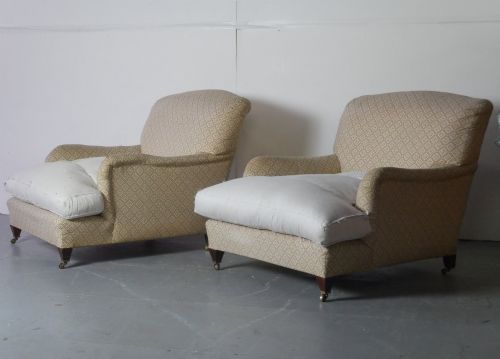
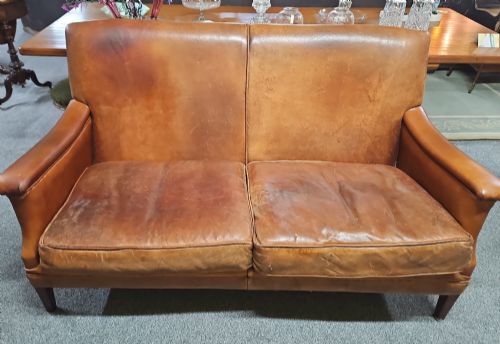
Antique club seating brings deep-seated comfort and robust frames to a room, offering enduring style through classic leather armchairs and club fenders.
Antique Club Seating
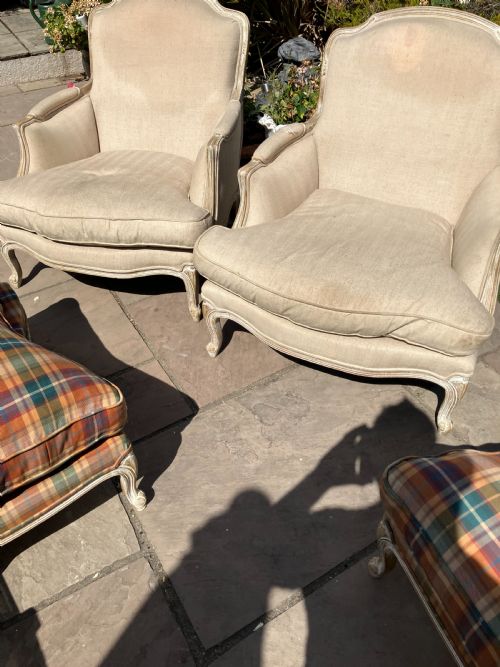
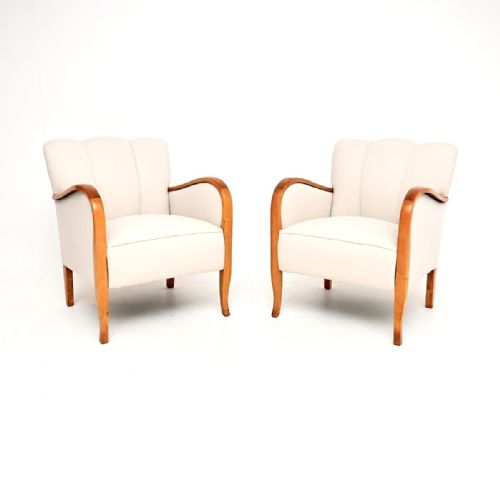
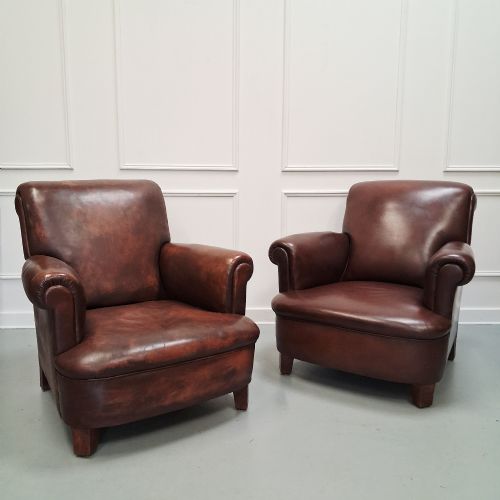
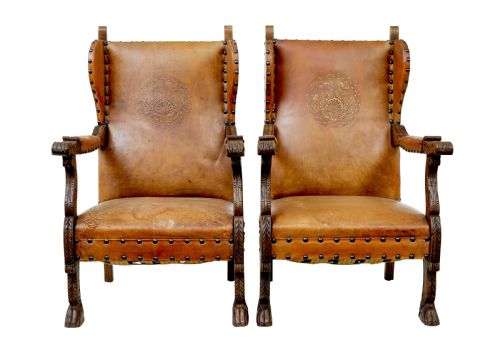
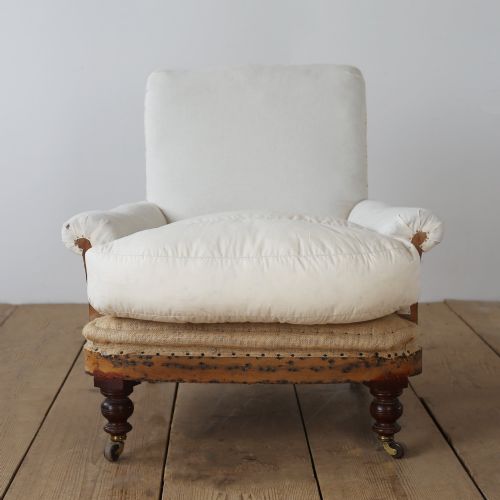
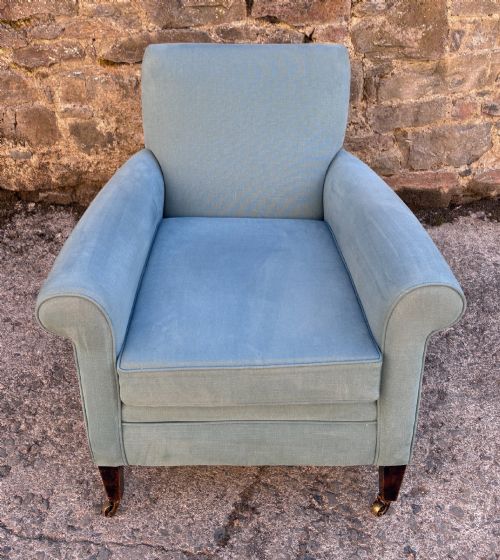
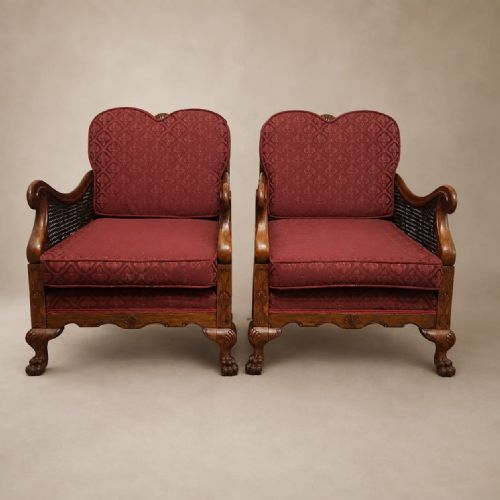
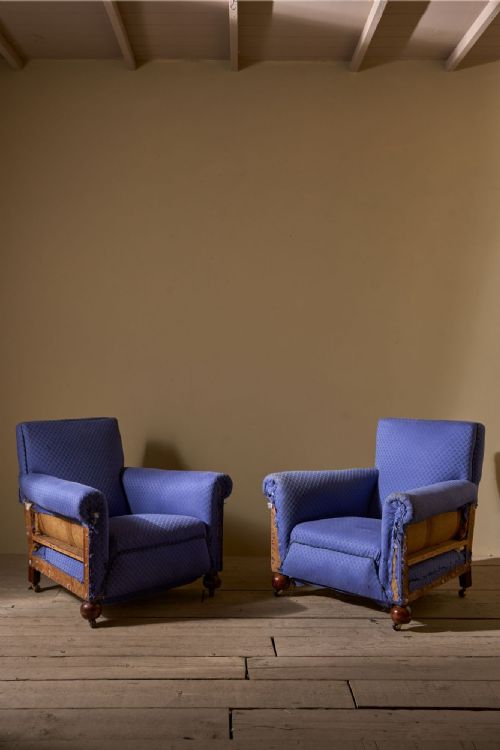
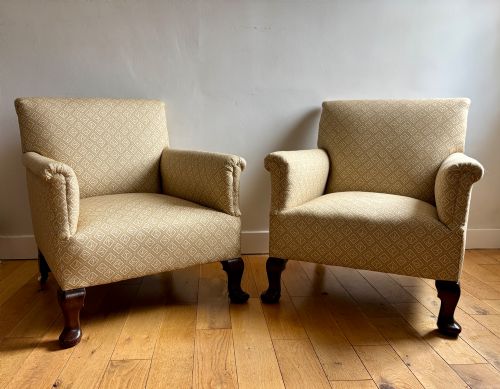
When searching for antique club seating, buyers encounter substantial armchairs and hearth accessories designed for fireside comfort and daily use. These pieces span periods from the nineteenth century through the Art Deco era, encompassing Victorian, Edwardian, and twentieth-century designs.
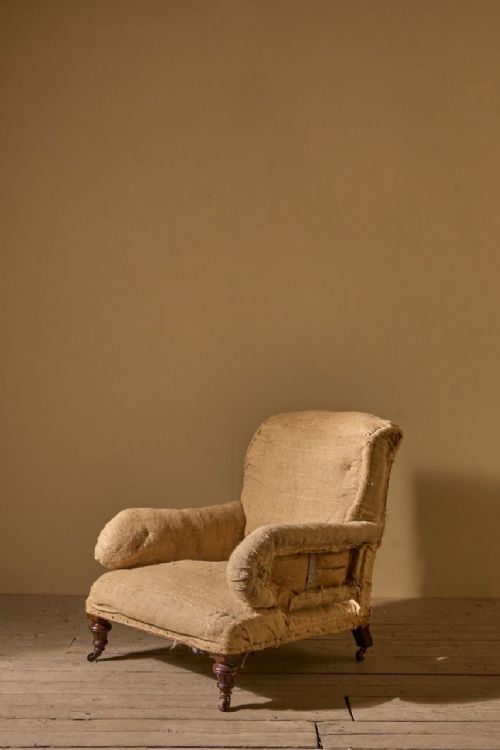
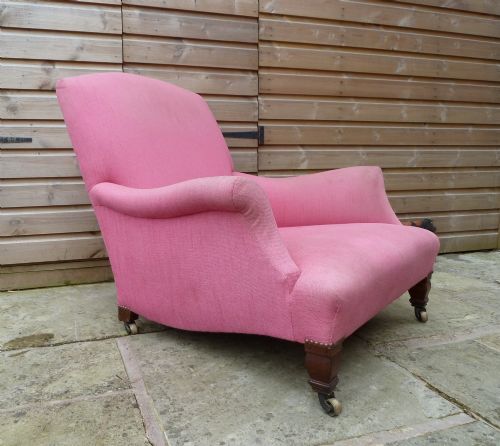
Armchairs dominate the selection, appearing in deep-seated configurations, Howard-influenced styles, and French club designs. Club fenders also feature prominently, combining brass frames with leather seats to provide integrated fireside perches.
Origins vary across English, French, and Swedish workshops, introducing diverse wood frames and upholstery treatments to the selection. Buyers regularly meet pairs of armchairs alongside individual library and fireside chairs.
Materials and construction methods
Frames rely on sturdy timbers including oak, mahogany, walnut, and satin birch, often shaped to support generous proportions. Joinery techniques from the nineteenth and early twentieth centuries ensure structural endurance across heavy use.
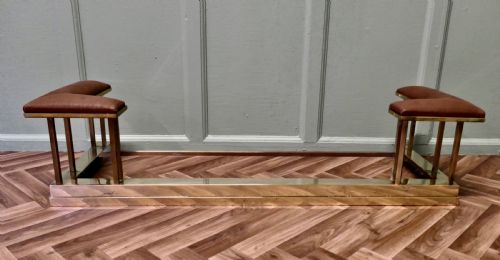
Brass club fenders allow you to sit right by the hearth without singeing your trousers.
Distinctions in quality
Quality rests upon the integrity of the internal frame and the depth of the original proportions. Finer examples maintain robust timber joints and balanced padding that supports prolonged, comfortable seating without sagging.
The character of the leather surface dictates upper tiers of craftsmanship, where mature hides display natural ageing rather than synthetic alterations. Maker attribution and refined styling, such as specific aesthetic movement legs or distinctive Howard styling, elevate individual pieces.
Howard and Sons·George Jack·Morris and Co·Whytock and Reid·SF Cullen
The Antique Club Seating Glossary
- Club fender
- A low, padded seat frame surrounding a fireplace hearth, traditionally constructed with brass and leather. These pieces allow people to sit directly beside the fire.
- Bergere
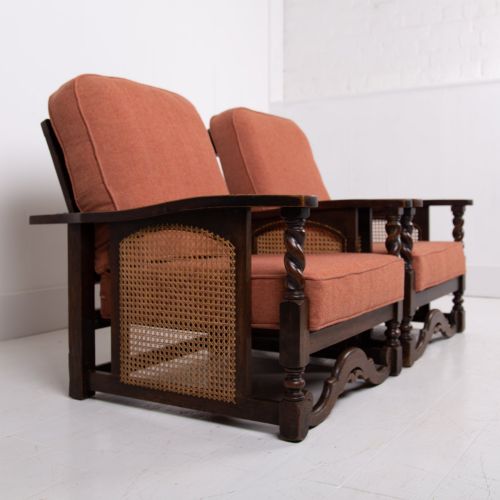
- An enclosed armchair with cane or wicker side panels and an upholstered seat. This style originates from eighteenth-century France but appears in later Edwardian iterations.
- Tub armchair
- A comfortable chair featuring a continuous curved back and arms that form a single rounded enclosure. This form provides enclosing support for the sitter.
- Library chair
- A heavy, sturdy armchair designed for long periods of reading in a study or library. These items typically feature substantial wooden frames and leather upholstery.
- Chesterfield
- A distinctive sofa or armchair style characterised by deep button-through upholstery and equal height back and arms. The design offers formal yet comfortable lounging.
Antique Club Seating: Frequently Asked Questions
What defines antique club seating?
Antique club seating comprises robust armchairs and hearth fixtures designed primarily for comfort and relaxation. These items draw on nineteenth-century and early twentieth-century manufacturing traditions.
Materials commonly include heavy leather, sturdy timber frames like oak and mahogany, and supportive internal springing. They remain functional centrepieces in modern living spaces.
How do I choose a club fender?
Selecting a club fender requires measuring your fireplace hearth opening accurately to ensure the metal base fits the perimeter. Consider the height of the leather seats relative to your surrounding furniture.
Brass frameworks and tan leather upholstery are typical, offering both a physical barrier for the hearth and convenient fireside seating. Check that the internal dimensions accommodate your fender clearance needs.
Are French club chairs different?
French club chairs typically exhibit rounded profiles and supple leather upholstery that prioritises deep, enveloping comfort. They often date from the Art Deco period or the nineteen-thirties.
These chairs contrast with structured English designs by focusing on soft, voluminous cushions and low profiles. They suit casual interiors seeking relaxed vintage character.
How do I maintain leather upholstery?
Maintaining vintage leather involves regular dusting with a dry cloth and applying appropriate leather balms to prevent drying. Avoid placing antique leather seats in direct sunlight or near heat sources.
Preserving the mature patina requires gentle cleaning rather than harsh chemical treatments. Proper care keeps the hide supple across decades of daily use.