
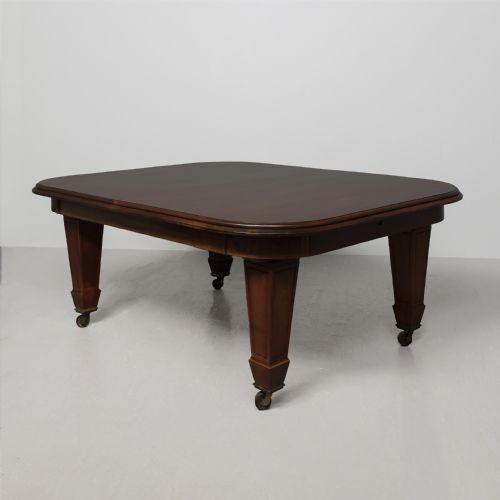
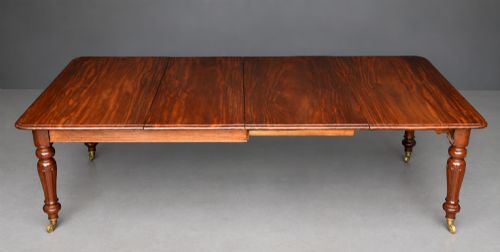
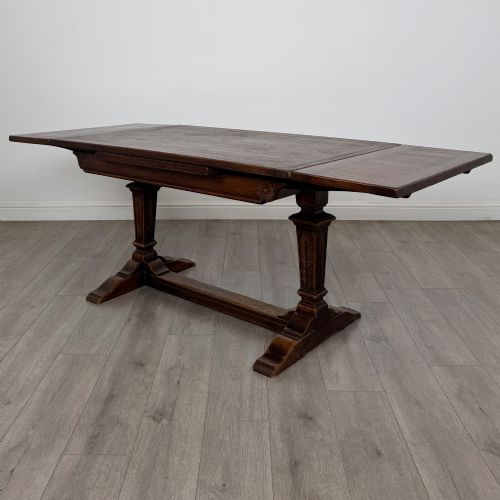
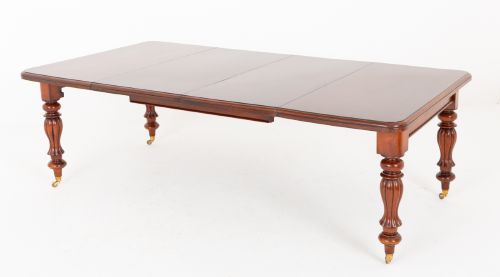
Leaf Extension Dining Table
A leaf extension dining table solves the problem of seating unexpected guests while remaining compact for daily meals.
Leaf Extension Dining Table
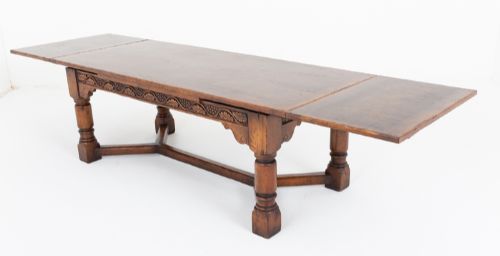
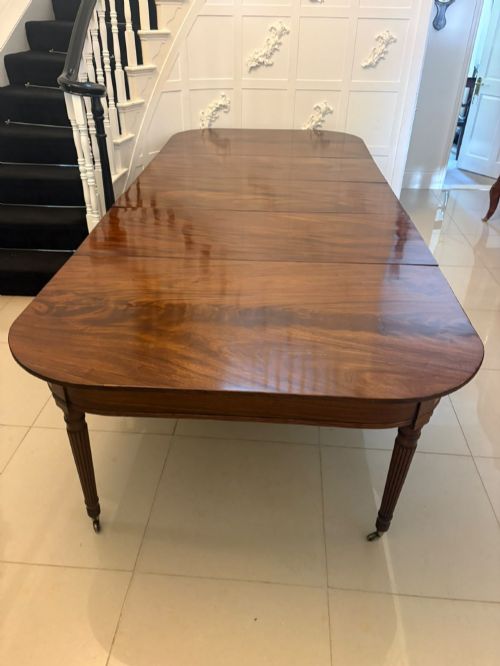
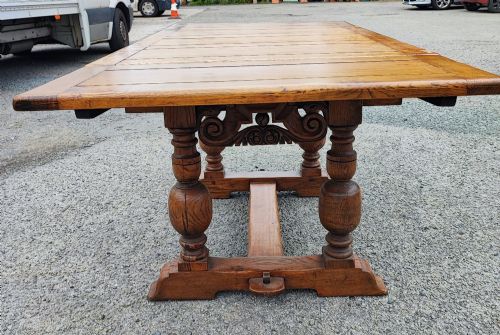
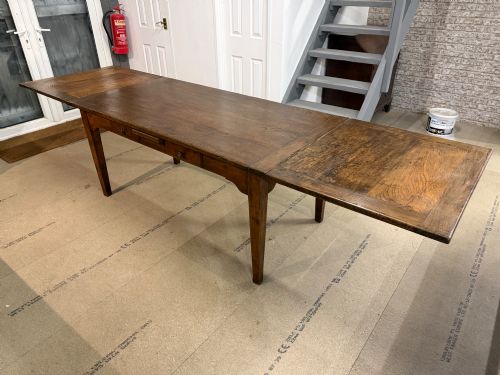
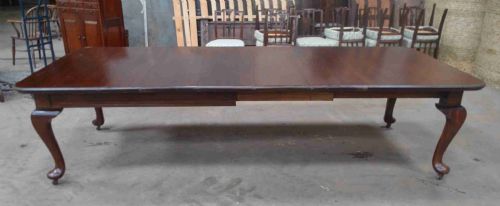
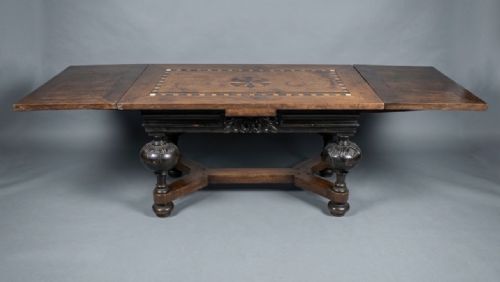
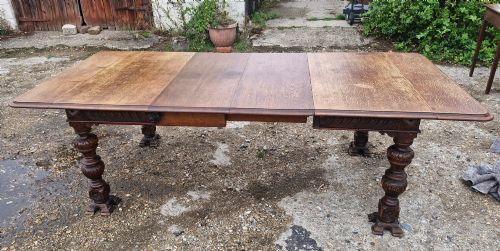
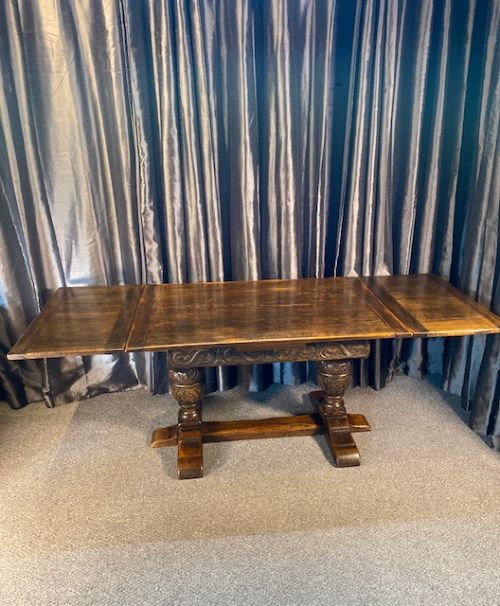
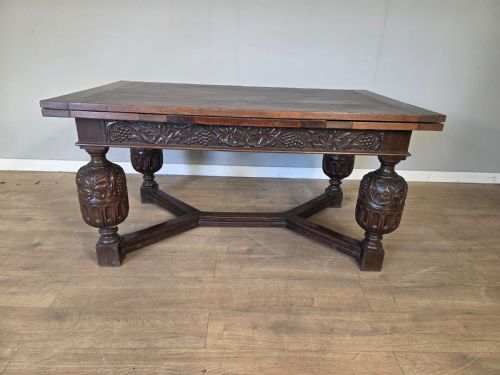
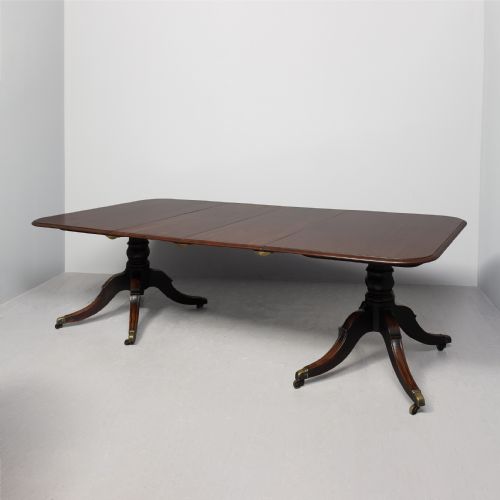
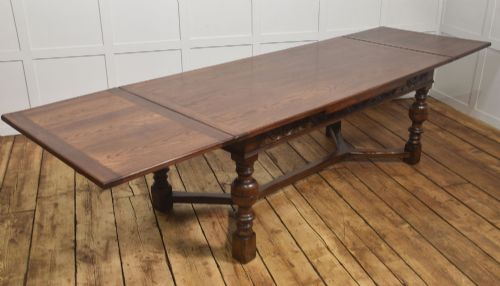
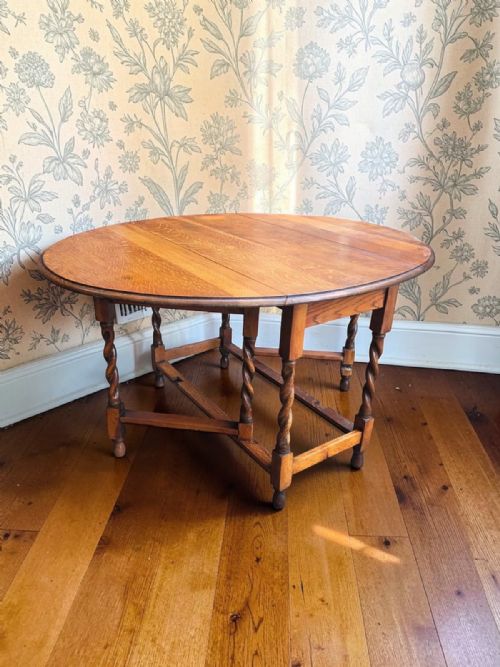
A leaf extension dining table provides flexible seating through pull-out leaves, draw leaves, or drop leaves that alter the surface area. Buyers searching for a leaf extension dining table encounter numerous variations spanning multiple centuries and woods.
The selections on this page range from compact gateleg breakfast pieces to monumental mahogany dining tables with multiple extra leaves. Oak and mahogany dominate the offerings, appearing in forms from refectory tables to twin pillar designs.
Victorian and Edwardian examples sit alongside pieces from the seventeenth century and the nineteen-twenties, showing styles from Jacobean Revival to Regency.
Quality and Construction
The integrity of the extending mechanism and the precision of leaf alignment separate standard pieces from exceptional examples. Smooth travel along runners and stability when fully loaded indicate superior joinery.
The selection of timber, particularly matched grain patterns across added leaves, distinguishes finer workshop production from utility items. Carved detail, whether geometric strapwork or crisp mouldings, reflects the skill invested by the cabinet maker.
Listings feature woods including oak, mahogany, walnut, and satinwood across periods from the seventeenth century to the nineteen-thirties.
The Leaf Extension Dining Table Glossary
- Draw leaf
- A table featuring secondary leaves stored beneath the main surface that pull out to extend the length. This mechanism allows quick expansion without removing loose boards.
- Gateleg
- A table with hinged drop leaves supported by swing-out legs resembling a gate. This construction provides a sturdy base when open and folds flat when closed.
- Refectory
- A long, narrow dining table traditionally used in communal halls and heavily associated with robust oak construction. These often incorporate stretcher bases for added rigidity.
- Pillar and scroll
- A pedestal support system utilising columns and curved brackets to hold heavy dining surfaces. This design allows maximum legroom around the perimeter of the table.
- Parquetry
- Geometric wood inlay work arranged in patterns across a tabletop. This technique displays decorative skill using contrasting timber tones.
Leaf Extension Dining Table: Frequently Asked Questions
How do draw leaf tables work?
Draw leaf tables operate by sliding hidden extension panels out from beneath the primary top. The main surface drops slightly as the leaves pull clear, locking into a flat, continuous plane.
This ingenious mechanism allows one person to lengthen the surface quickly without storing separate boards elsewhere in the room.
What is the difference between drop leaf and extending tables?
Drop leaf tables use hinged flaps that hang down at the sides when not in use and lift up on pivoting supports. Extending tables use sliding frames or removable leaves to insert extra surface area into the centre.
Drop leaf designs prioritize space-saving storage, whereas extending tables provide larger seating capacities for formal dining.
How do I care for a wooden extending table?
Wooden extending tables require regular dusting with a dry cloth and occasional treatment with appropriate beeswax or furniture polish. Keeping tables away from direct heat sources and strong sunlight prevents timber warping and finish cracking.
Operating the extension mechanisms periodically ensures the tracks and runners remain free of dust and debris.
How can I date an antique dining table?
Dating relies on examining the timber species, construction methods, tool marks, and stylistic details such as leg turnings or edge moulding. Seventeenth-century pieces typically show heavy oak framing with pegged joints, while Victorian and Edwardian examples feature mass-produced hardware and factory finishes.
Comparing the secondary woods underneath and the wear patterns on the extension runners provides further clues to the period of manufacture.