



Lead Glass Drinking Vessel
A lead glass drinking vessel is a heavy, resonant drinking glass from the eighteenth or nineteenth century designed for wine, ale, or spirits.
Lead Glass Drinking Vessel
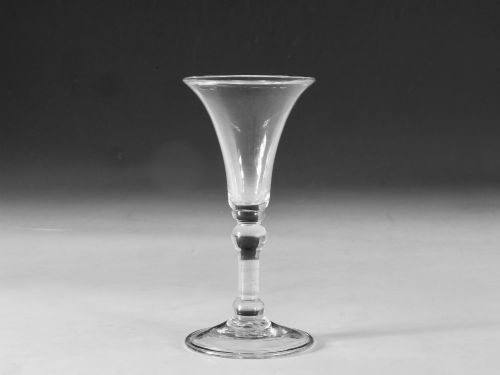
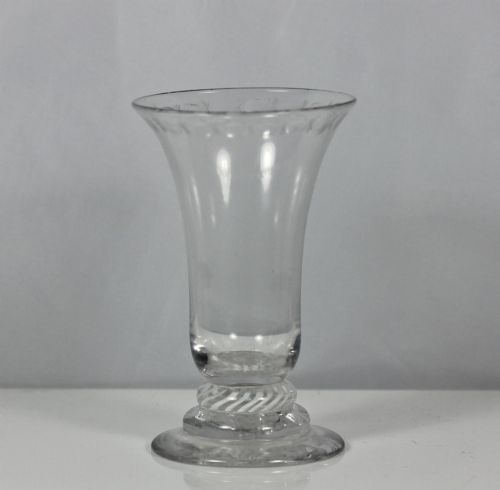
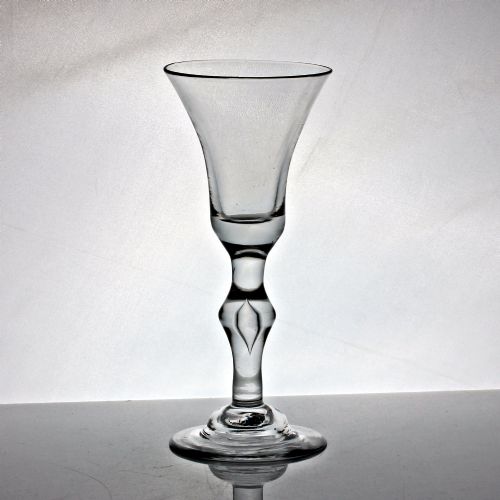
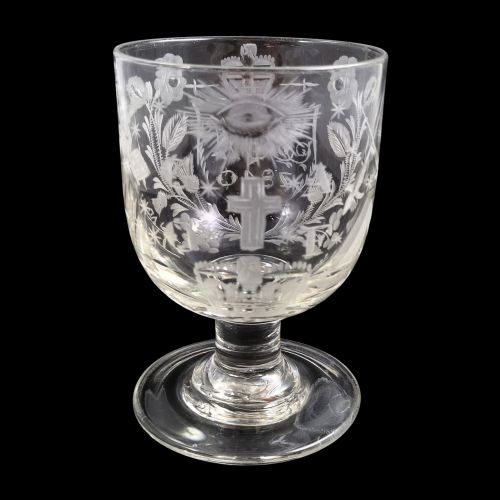
A lead glass drinking vessel encompasses a variety of stemware and table glassware, most frequently appearing as wine glasses, rummers, and cordial glasses from the Georgian and Victorian periods. You will encounter forms ranging from early baluster dram glasses to heavy square-base rummers and engraved table goblets.
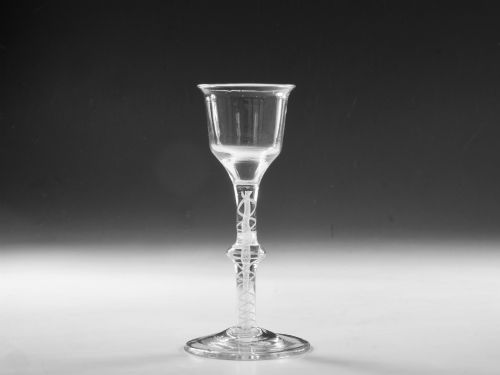
The selection centres heavily on eighteenth-century English tavern and parlor forms, particularly wine glasses with air twist or opaque twist stems and rummers featuring engraved hop and barley motifs. These vessels served functional roles for drinking wine, beer, cordials, and jellies before mass production standardised tableware.
How they were made
These vessels are formed primarily from lead glass, flint glass, and clear glass, utilising techniques such as blowing, moulding, and cutting. Master glassmakers shaped the molten metal into bowls, then applied molten trails for stems and feet, often incorporating folded rims for structural strength.
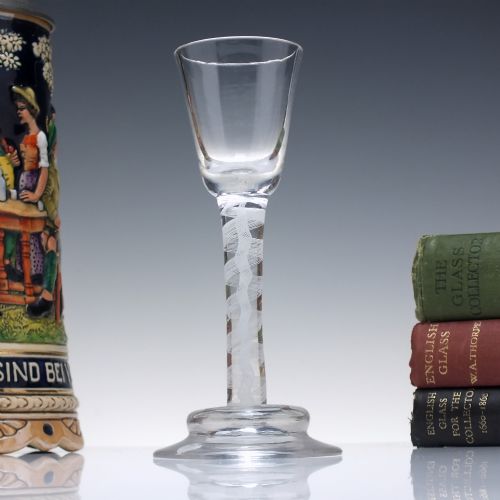
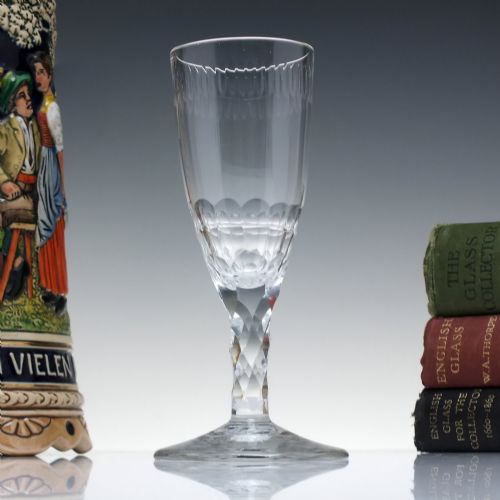
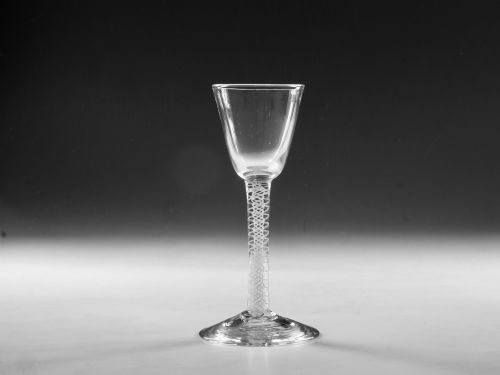
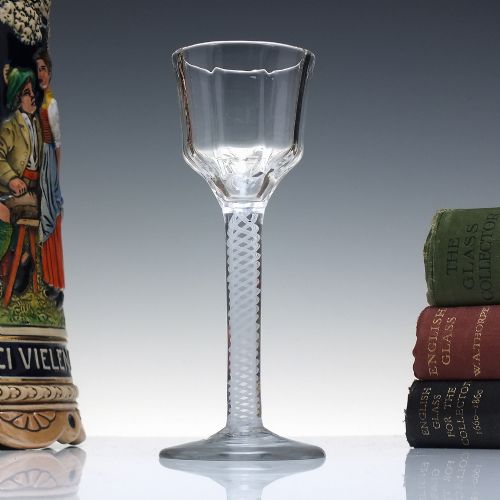
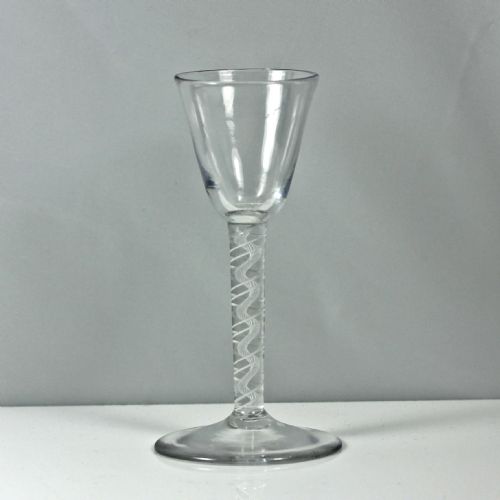
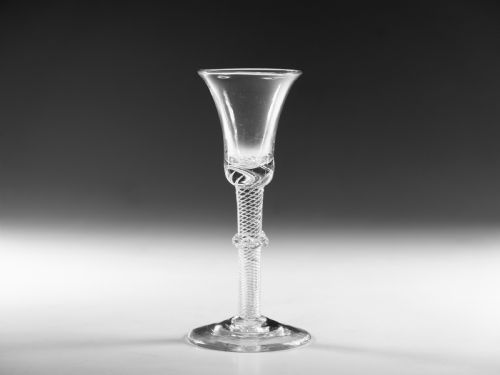
Internal optical effects are achieved through specialised manipulation while hot, creating air twists, multi-spiral air twists, and opaque twists within the stem. Surface decoration relies on engraving, intaglio cutting, and moulding, as seen in nut-moulded bowls and swag-and-tail patterns.
Lead Glass Drinking Vessel Retail Price Guide 2026
Typical asking prices for lead glass drinking vessel among the pieces listed under this phrase on Sellingantiques today, from the lower quarter to the upper quarter. They describe what is for sale here now, not the wider market.
Listings feature lead glass drinking vessels spanning the eighteenth and nineteenth centuries, incorporating flint glass, enamel, and cobalt variants.
What varies in quality
Quality rests upon the clarity and weight of the metal, alongside the precision of the optical twist or the crispness of the cutting and engraving. Superior examples display balanced proportions between the bowl, stem, and foot, free from distracting internal cloudiness or heavy surface wear.
The complexity of the stem construction dictates much of the distinction in value, separating simple plain stems from intricate composite stems, double series opaque twists, and knopped baluster forms.
The Lead Glass Drinking Vessel Glossary
- Baluster stem
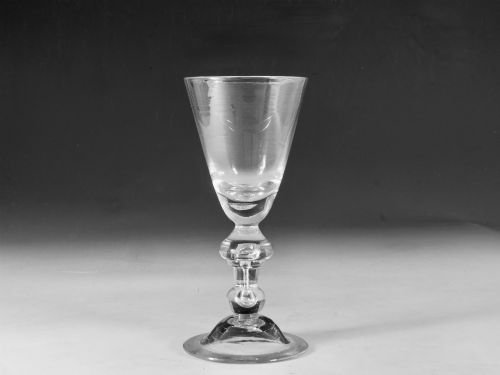
- A heavy, thick stem shape resembling a traditional architectural baluster, typical of early eighteenth-century drinking vessels. These stems often feature knops and internal air tears.
- Opaque twist
- A stem decoration formed by drawing out white or coloured enamel glass rods within clear metal to create spiral threads. This technique flourished during the mid-eighteenth century.
- Air twist
- A decorative stem feature containing elongated bubbles or spiral threads of air trapped inside the clear glass. Glassmakers twisted the hot stem to stretch these air pockets into helical channels.
- Rummer
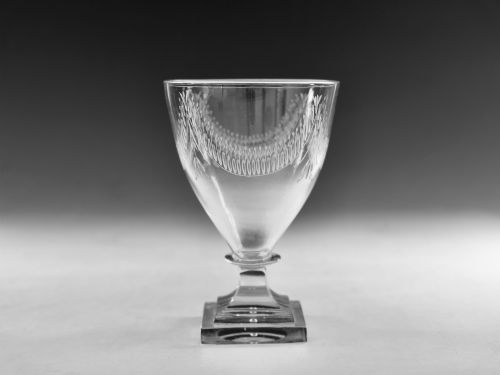
- A large, sturdy drinking glass originating in the late eighteenth and early nineteenth centuries. They usually feature generous ovoid or cup bowls on short stems, sometimes with lemon squeezer or square bases.
- Folded foot
- A base edge turned underneath to create a thickened rim, providing extra stability and strength to fragile eighteenth-century drinking glasses.
Lead Glass Drinking Vessel: Frequently Asked Questions
What is a rummer glass?
A rummer is a capacious drinking vessel designed for ale, rum, or wine, featuring a sturdy bowl on a short stem.
They emerged during the Georgian period and often display cut decoration, engravings of hops and barley, or square lemon squeezer bases.
How do I identify an air twist stem?
An air twist stem contains fine, helical channels of trapped air running through the clear glass.
Craftsmen created these by pricking air into hot metal before stretching and twisting the stem during formation.
Why do some glasses have folded feet?
Glassmakers folded the rim of the foot underneath during manufacture to reinforce the edge against chipping.
This practice is particularly common on eighteenth-century cordial and wine glasses to improve durability.
What is a dram glass?
A dram glass is a small drinking vessel intended for consuming a single measure of spirits.
These early pieces often feature heavy baluster stems and thick deceptive bowls designed to hold a modest quantity.