



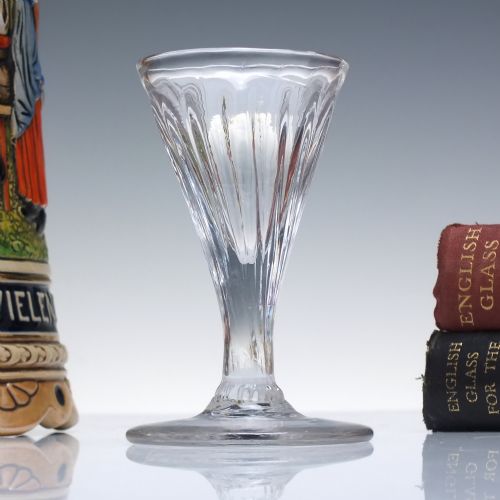
Lead Glass Cordial
Lead glass cordial vessels are small drinking glasses from the Georgian period that collectors prize for their brilliant metal and slender proportions.
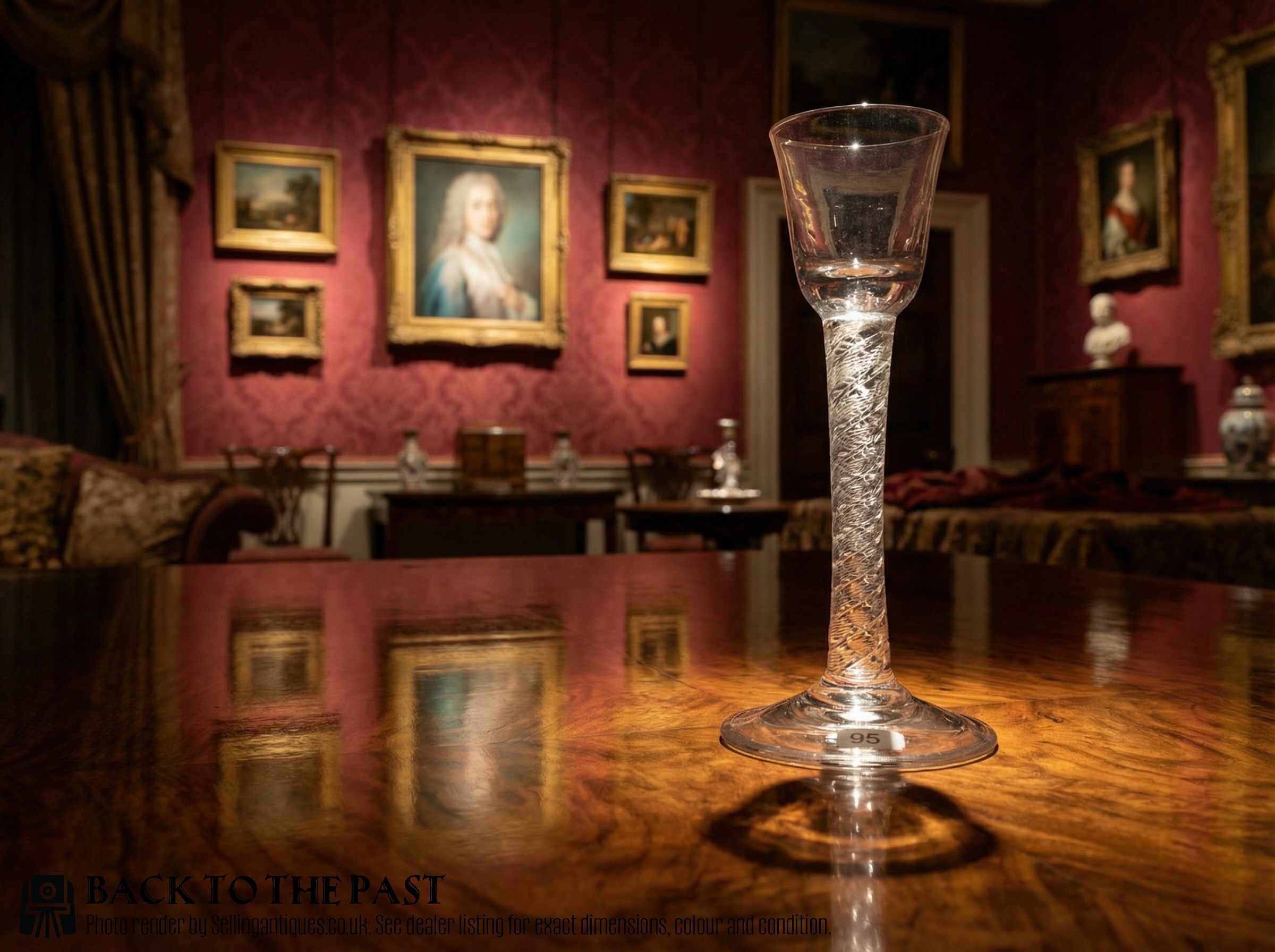
Lead Glass Cordial
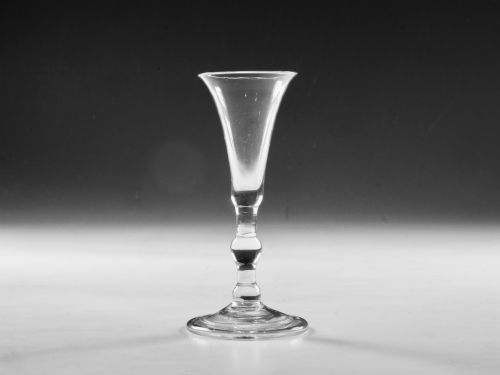
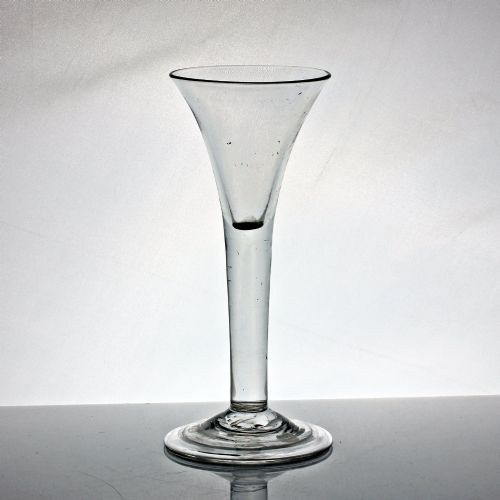
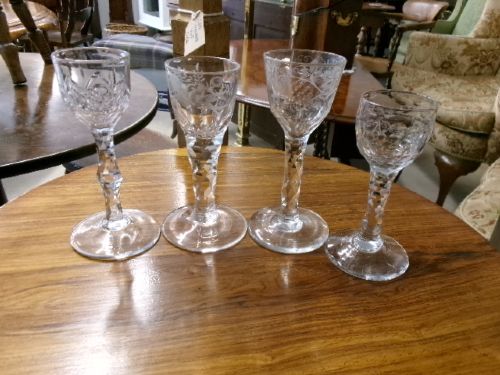
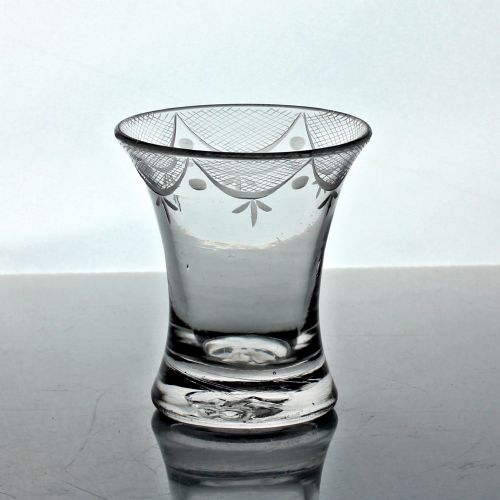
Lead glass cordial pieces are small drinking vessels designed for potent liquors, emerging most frequently from the eighteenth century and the Georgian era. These objects span various forms including dram glasses, gin glasses, and ratafia glasses, all sharing a compact capacity suitable for strong spirits.
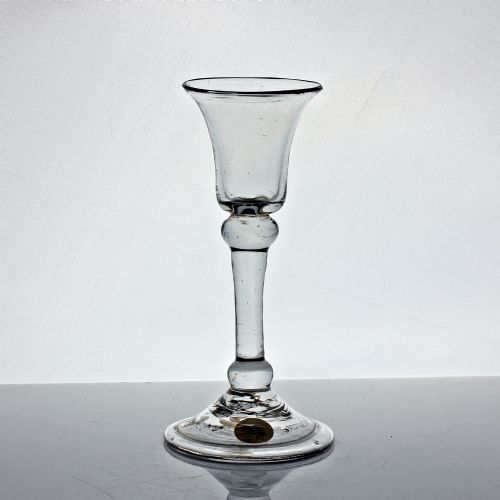
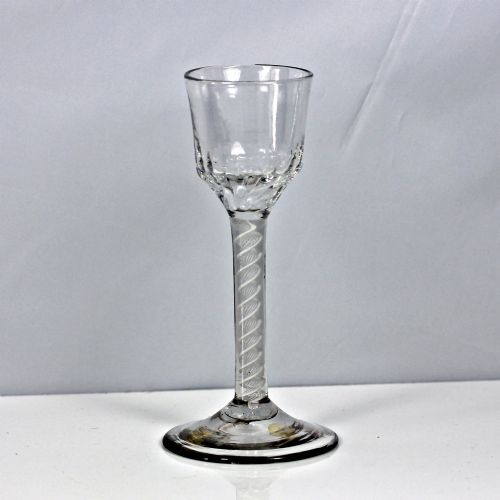
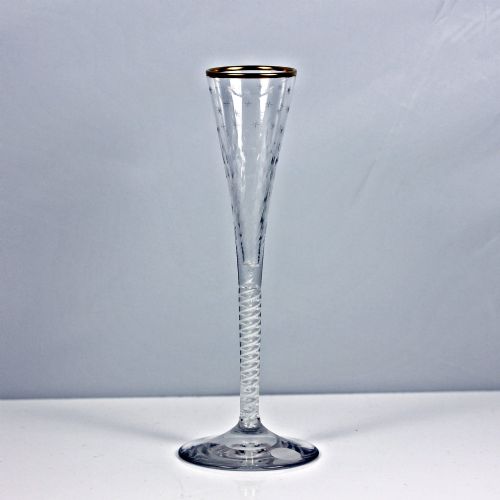
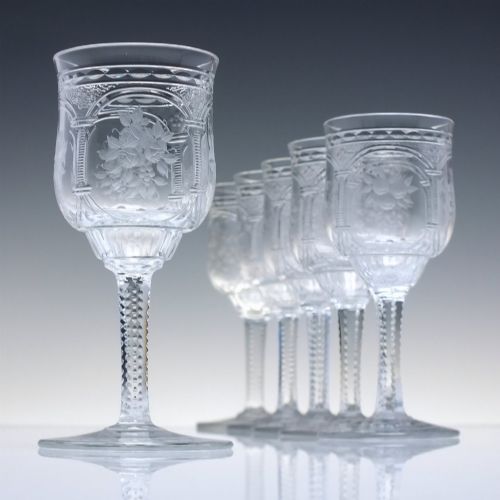
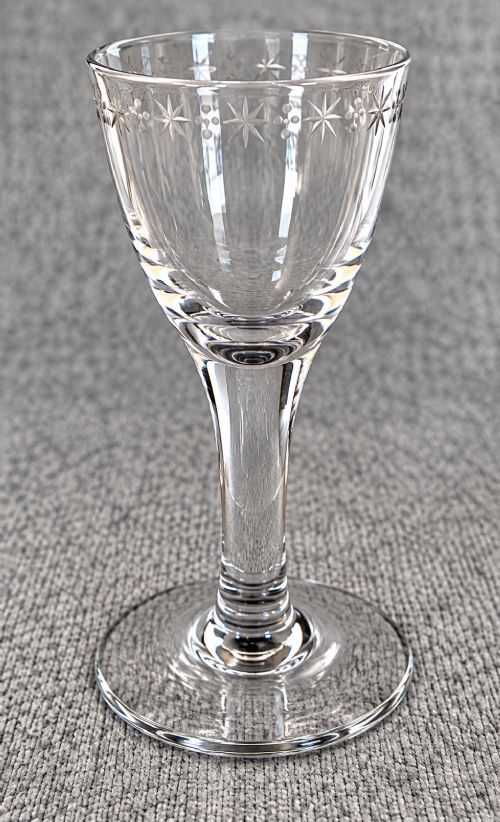
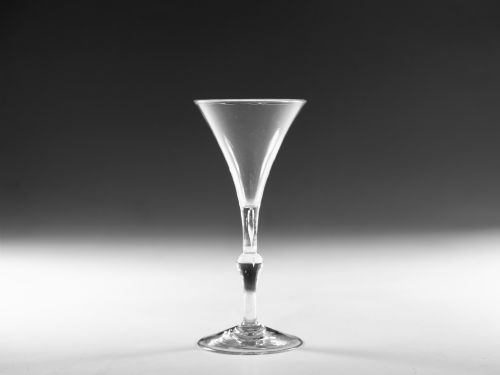
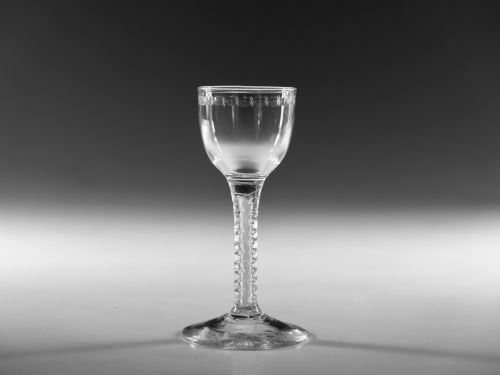
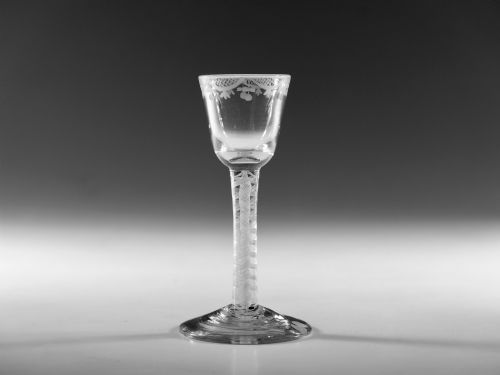
The most common examples on this page date from the middle years of the eighteenth century, showcasing baluster, air twist, and opaque twist stems. Alongside these drinking glasses, buyers encounter plain stem goblets and faceted styles reaching into the Regency period.
Evaluating lead glass cordial quality
The standard of lead glass cordial vessels rests upon the complexity of the stem formation and the crispness of any bowl decoration. Twist stems and balustroid profiles demand greater skill from the glasshouse than plain stems.
Proportions and metal quality define the upper tier of these drinking glasses. Clear metal free from excessive clouding, combined with balanced weight in the folded foot and bowl, separates standard tavern wares from finer cabinet pieces.
Listings feature lead glass, clear glass, and flint glass across the eighteenth century and the Regency period.
The Lead Glass Cordial Glossary
- Lead glass
- A heavy, brilliant type of glass containing lead oxide that increases refractive index and workability. This material forms the foundation of eighteenth-century English drinking vessels.
- Baluster stem
- A thick, swelling stem shape reminiscent of architectural balusters, common in early eighteenth-century drinking glasses. These sturdy supports often feature nodes and knops.
- Air twist
- A decorative stem formation enclosing elongated spiral bubbles of air within the glass. Makers created these effects by drawing and twisting heated compound glass rods.
- Opaque twist
- A stem containing white or coloured enamel threads pulled into spiral patterns inside clear glass. This technique gained popularity during the middle decades of the eighteenth century.
- Folded foot
- A glass base with the outer rim doubled back underneath to create a thickened, rounded edge. This traditional method added strength to vulnerable vessel margins.
Lead Glass Cordial: Frequently Asked Questions
What is a lead glass cordial?
A lead glass cordial is a small drinking vessel intended for concentrated liquors, produced predominantly during the eighteenth century in England. These vessels feature heavy lead metal and narrow bowls designed to hold small measures.
Collectors prize them for their variety of stem formations, including baluster, air twist, and opaque twist designs. They represent the height of Georgian glasshouse skill.
How do I date an 18th century cordial glass?
Dating relies upon stylistic evolution in the stems, foot construction, and bowl shapes across the Georgian period. Early examples from the seventeen-twenties utilise heavy baluster stems and folded feet.
Mid-century pieces introduce air and opaque twists, while later Regency examples lean towards faceted stems. Comparing these structural markers provides a reliable chronology.
What is an air twist stem?
An air twist stem contains spiral threads of trapped air running through the transparent glass column. Glassmakers achieved this by forming bubbles in hot metal and twisting the molten rod as it was drawn.
This technique creates a shimmering internal pattern that catches the light. Such stems are a defining feature of mid-eighteenth-century drinking vessels.
Why are some bowls engraved?
Engraving on cordial bowls added ornamentation using small copper wheels to cut floral, swag, or heraldic motifs into the surface. This work was often executed by specialised decorators working independently of the glasshouse.
Engraved pieces frequently commemorated specific toasts, political causes, or social clubs. The presence of engraving can alter the character and appeal of a drinking glass.
How should I display them?
These delicate drinking glasses require stable shelving away from direct sunlight and heavy vibrations. Enclosed cabinets protect the fine lead metal and fragile stems from accidental knocks.
Adequate spacing allows the intricate air and opaque twists to catch ambient light effectively. Proper display highlights the slender proportions without risking structural strain.